
Chicken Tonkatsu
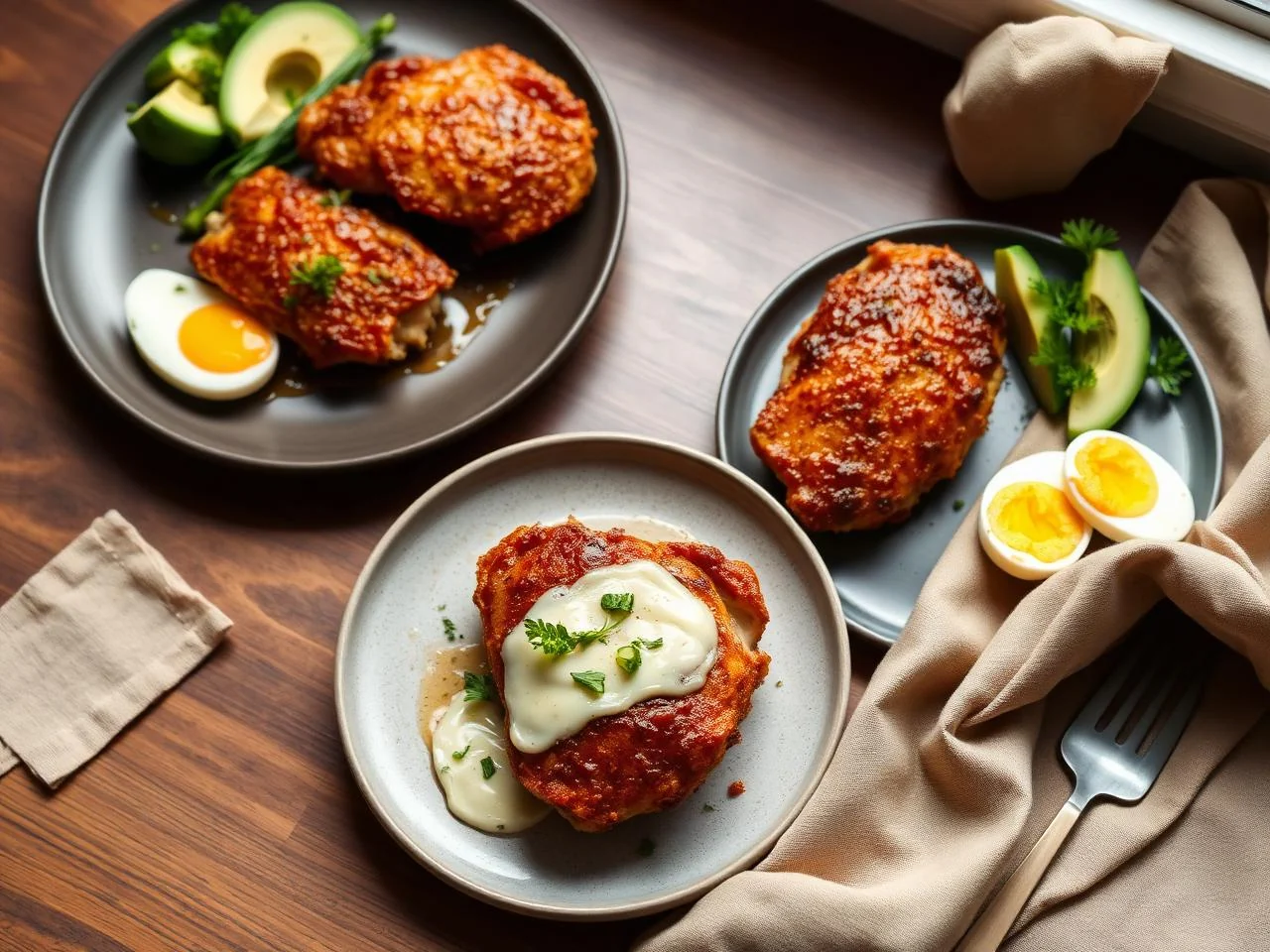
I still remember the first time I tried Chicken Tonkatsu at a Japanese restaurant. The combination of the crispy exterior and juicy interior was love at first bite. As a home cook, I was determined to recreate this dish in my own kitchen, with a low-carb keto twist. After some trial and error, I finally nailed the recipe, and I'm excited to share it with you.
Chicken Tonkatsu is a popular Japanese dish that consists of a breaded and deep-fried chicken cutlet. To make it keto-friendly, I replaced the traditional breadcrumbs with a mixture of almond flour and Parmesan cheese. This not only reduces the carb content but also adds a rich and nutty flavor to the dish.
This recipe is perfect for anyone who loves Japanese cuisine or is looking for a new and exciting way to prepare chicken. The best part is that it's relatively easy to make and can be ready in under an hour. So, whether you're a busy weeknight cook or a special occasion chef, this Chicken Tonkatsu recipe is sure to impress.
One of the things I love about this recipe is the versatility of the ingredients. You can use chicken breasts or thighs, depending on your preference, and adjust the amount of seasoning to taste. The almond flour and Parmesan mixture can also be used as a breading for other proteins, such as pork or fish.
In this article, I'll walk you through the step-by-step process of making Chicken Tonkatsu, including tips and tricks for achieving the perfect crispy exterior and juicy interior. So, let's get started and make this delicious dish together!
Why You’ll Love This Recipe
- This recipe is easy to make and can be ready in under an hour
- The almond flour and Parmesan mixture provides a crunchy texture and rich flavor
- The dish is perfect for a weeknight dinner or special occasion
- The recipe is versatile and can be used with different types of protein
- The dish is low-carb and keto-friendly, making it a great option for those with dietary restrictions
- The recipe is budget-friendly and uses ingredients that are easily accessible
Why This Recipe Works
The key to making a great Chicken Tonkatsu is to achieve the perfect balance of crispy exterior and juicy interior. This is achieved by using a combination of almond flour and Parmesan cheese as the breading, which provides a crunchy texture and rich flavor.
Another important factor is the cooking technique. By using a hot skillet with a small amount of oil, we can achieve a nice sear on the chicken, which helps to lock in the juices and create a crispy exterior. The temperature of the oil is also crucial, as it needs to be hot enough to cook the chicken quickly and evenly.
Finally, the resting time after cooking is essential to allow the juices to redistribute and the chicken to retain its tenderness. This is a critical step that many people skip, but it makes a huge difference in the final result.
By following these steps and using the right ingredients, you'll be able to create a delicious and authentic Chicken Tonkatsu that's sure to impress your family and friends.
Ingredients You’ll Need
To make this delicious Chicken Tonkatsu, you'll need a few key ingredients, including chicken breasts or thighs, almond flour, Parmesan cheese, eggs, and spices. You'll also need some oil for frying and a hot skillet to achieve the perfect crispy exterior.
When shopping for ingredients, make sure to choose high-quality chicken and fresh spices to get the best flavor out of your dish. You can also customize the recipe to your taste by adding different seasonings or using different types of cheese.
- 4 boneless, skinless chicken breasts or thighsYou can use either chicken breasts or thighs for this recipe, depending on your preference. Make sure to choose high-quality chicken that is fresh and has no added hormones or antibiotics.
- 1 cup almond flourAlmond flour is a key ingredient in this recipe, providing a crunchy texture and rich flavor. You can find almond flour at most health food stores or online.
- 1/2 cup grated Parmesan cheeseParmesan cheese adds a salty, nutty flavor to the dish and helps to bind the almond flour mixture together. You can use either freshly grated or pre-grated Parmesan cheese.
- 2 eggsEggs are used to help bind the almond flour mixture to the chicken and provide moisture to the dish. Make sure to use fresh eggs for the best results.
- 1/2 teaspoon saltSalt is used to enhance the flavor of the dish and help to bring out the natural flavors of the chicken and spices. You can use either kosher salt or sea salt for this recipe.
- 1/4 teaspoon black pepperBlack pepper is used to add a subtle kick to the dish and help to balance out the flavors. You can use either freshly ground or pre-ground black pepper.
- 1/4 teaspoon garlic powderGarlic powder is used to add a subtle garlic flavor to the dish without overpowering the other ingredients. You can use either freshly ground or pre-ground garlic powder.
- 1/4 teaspoon onion powderOnion powder is used to add a subtle onion flavor to the dish without overpowering the other ingredients. You can use either freshly ground or pre-ground onion powder.
- 2 tablespoons olive oilOlive oil is used for frying the chicken and achieving the perfect crispy exterior. You can use either regular or extra-virgin olive oil for this recipe.
- 2 tablespoons butterButter is used to add flavor to the dish and help to brown the chicken. You can use either salted or unsalted butter for this recipe.
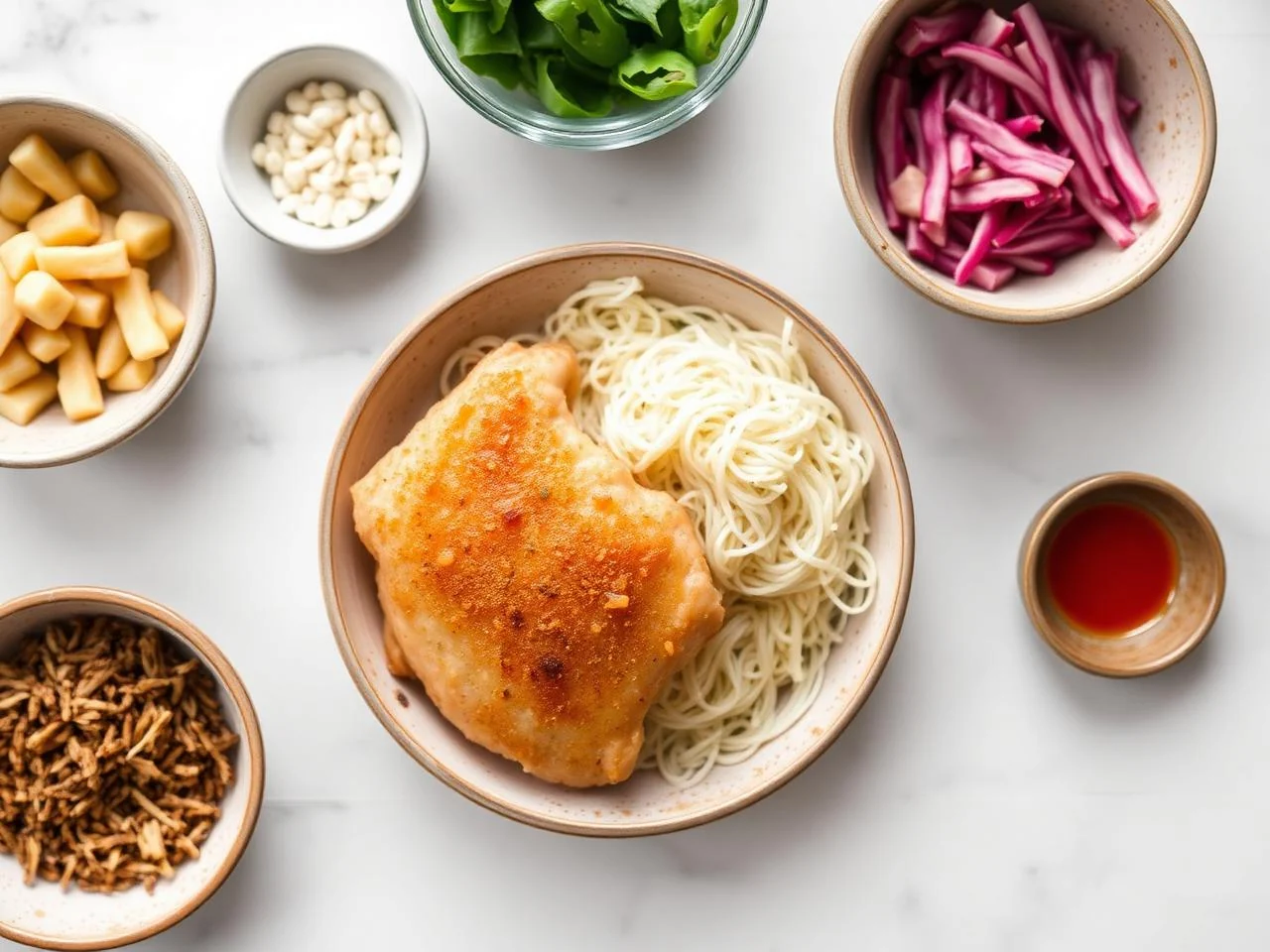
Equipment You’ll Need
How to Make Chicken Tonkatsu
- 1Preheat the skillet over medium-high heat and add the olive oil. Once the oil is hot, add the butter and let it melt.
- 2In a shallow dish, combine the almond flour, Parmesan cheese, salt, black pepper, garlic powder, and onion powder. Mix well to combine.
- 3In a separate dish, beat the eggs until they are well mixed.
- 4Dip each chicken breast or thigh into the eggs, coating it completely, then roll it in the almond flour mixture to coat. Place the coated chicken on a plate or tray.
- 5Once the skillet is hot, add the coated chicken and cook for 5-6 minutes on each side, or until it reaches an internal temperature of 165 F (74 C).
- 6Use an instant-read thermometer to check the internal temperature of the chicken. Make sure to insert the thermometer into the thickest part of the breast or thigh.
- 7Once the chicken is cooked, remove it from the skillet and place it on a paper towel-lined plate to drain any excess oil.
- 8Let the chicken rest for 5-10 minutes before slicing and serving. This will help the juices to redistribute and the chicken to retain its tenderness.
- 9To serve, slice the chicken into thin strips and serve with your favorite sides, such as mashed cauliflower or roasted vegetables.
- 10You can also garnish the dish with fresh parsley or scallions for added flavor and color.
- 11To make the dish more substantial, you can serve it with a side of cauliflower rice or a salad with a citrus vinaigrette.
- 12Experiment with different seasonings and spices to find the combination that you like best.
Expert Tips
- Make sure to not overcrowd the skillet when cooking the chicken. Cook in batches if necessary to ensure that each piece has enough room to cook evenly.
- Don't overcook the chicken. It should be cooked until it reaches an internal temperature of 165 F (74 C), but it should still be juicy and tender.
- Let the chicken rest for at least 5-10 minutes before slicing and serving. This will help the juices to redistribute and the chicken to retain its tenderness.
- Experiment with different seasonings and spices to find the combination that you like best.
- Consider using a cast-iron skillet for this recipe, as it retains heat well and can help to achieve a crispy exterior on the chicken.
- If you don't have almond flour, you can substitute it with coconut flour or another low-carb flour alternative.
- To make the dish more substantial, you can serve it with a side of cauliflower rice or a salad with a citrus vinaigrette.
- Don't be afraid to get creative with the recipe and add your own favorite ingredients or seasonings.
Common Mistakes to Avoid
- Not cooking the chicken to the correct internal temperature, which can result in undercooked or overcooked chicken.
- Overcrowding the skillet, which can result in uneven cooking and a lower-quality final product.
- Not letting the chicken rest for long enough, which can result in a less tender and less juicy final product.
- Using low-quality ingredients, which can result in a less flavorful and less satisfying final product.
- Not experimenting with different seasonings and spices, which can result in a final product that is bland and uninteresting.
- Not using the right type of oil for frying, which can result in a final product that is greasy or unpleasantly flavored.
Variations and Substitutions
- Try using different types of cheese, such as cheddar or mozzarella, to add a unique flavor to the dish.
- Experiment with different seasonings and spices, such as paprika or cayenne pepper, to add a smoky or spicy flavor to the dish.
- Consider using a different type of protein, such as pork or fish, to create a unique and interesting variation of the dish.
- Try using a different type of flour, such as coconut flour or almond flour, to create a gluten-free or low-carb version of the dish.
- Add some diced vegetables, such as bell peppers or onions, to the skillet with the chicken for added flavor and nutrition.
- Try serving the dish with a side of cauliflower rice or a salad with a citrus vinaigrette for a more substantial and satisfying meal.
- Experiment with different types of oil, such as avocado oil or grapeseed oil, to find the one that works best for you.
What to Serve With Chicken Tonkatsu
Chicken Tonkatsu is a versatile dish that can be served in a variety of ways. You can serve it with a side of mashed cauliflower or roasted vegetables for a more substantial meal, or with a simple salad and a citrus vinaigrette for a lighter option.
Some other ideas for serving Chicken Tonkatsu include serving it with a side of cauliflower rice, a salad with a citrus vinaigrette, or a bowl of steamed vegetables. You can also experiment with different seasonings and spices to find the combination that you like best.
Make-Ahead, Storage, Freezing and Reheating
Chicken Tonkatsu can be stored in the refrigerator for up to 3 days or frozen for up to 2 months. To store, let the chicken cool completely, then place it in an airtight container and refrigerate or freeze.
To reheat, simply place the chicken in the oven at 350 F (175 C) for 10-15 minutes, or until it is heated through. You can also reheat it in the microwave or on the stovetop, but be careful not to overcook it.
It's also a good idea to label and date the container, so you can easily keep track of how long it's been stored. When you're ready to serve, simply thaw the chicken overnight in the refrigerator, then reheat it according to the instructions above.
By following these storage and reheating instructions, you can enjoy delicious Chicken Tonkatsu whenever you want, without having to worry about food safety or quality.
Frequently Asked Questions
What is the best type of chicken to use for Chicken Tonkatsu?
The best type of chicken to use for Chicken Tonkatsu is boneless, skinless chicken breasts or thighs. You can use either one, depending on your preference.
How do I achieve the perfect crispy exterior on the chicken?
To achieve the perfect crispy exterior on the chicken, make sure to not overcrowd the skillet and cook the chicken in batches if necessary. Also, don't overcook the chicken, as it should be cooked until it reaches an internal temperature of 165 F (74 C), but it should still be juicy and tender.
Can I use a different type of flour instead of almond flour?
Yes, you can use a different type of flour instead of almond flour. Some options include coconut flour, wheat flour, or gluten-free flour. However, keep in mind that the flavor and texture may be slightly different.
How do I store and reheat Chicken Tonkatsu?
Chicken Tonkatsu can be stored in the refrigerator for up to 3 days or frozen for up to 2 months. To reheat, simply place the chicken in the oven at 350 F (175 C) for 10-15 minutes, or until it is heated through.
Can I make Chicken Tonkatsu ahead of time?
Yes, you can make Chicken Tonkatsu ahead of time. Simply cook the chicken, let it cool, then store it in the refrigerator or freezer until you're ready to serve. Reheat according to the instructions above.
Is Chicken Tonkatsu gluten-free?
Yes, Chicken Tonkatsu can be gluten-free if you use gluten-free flour and are careful about cross-contamination. However, if you're cooking for someone with celiac disease or a gluten intolerance, make sure to take proper precautions to avoid cross-contamination.
Can I use a different type of oil for frying?
Yes, you can use a different type of oil for frying. Some options include avocado oil, grapeseed oil, or coconut oil. However, keep in mind that the flavor and texture may be slightly different.
How do I know when the chicken is cooked to a safe internal temperature?
To ensure that the chicken is cooked to a safe internal temperature, use an instant-read thermometer to check the internal temperature of the chicken. The internal temperature should be at least 165 F (74 C).
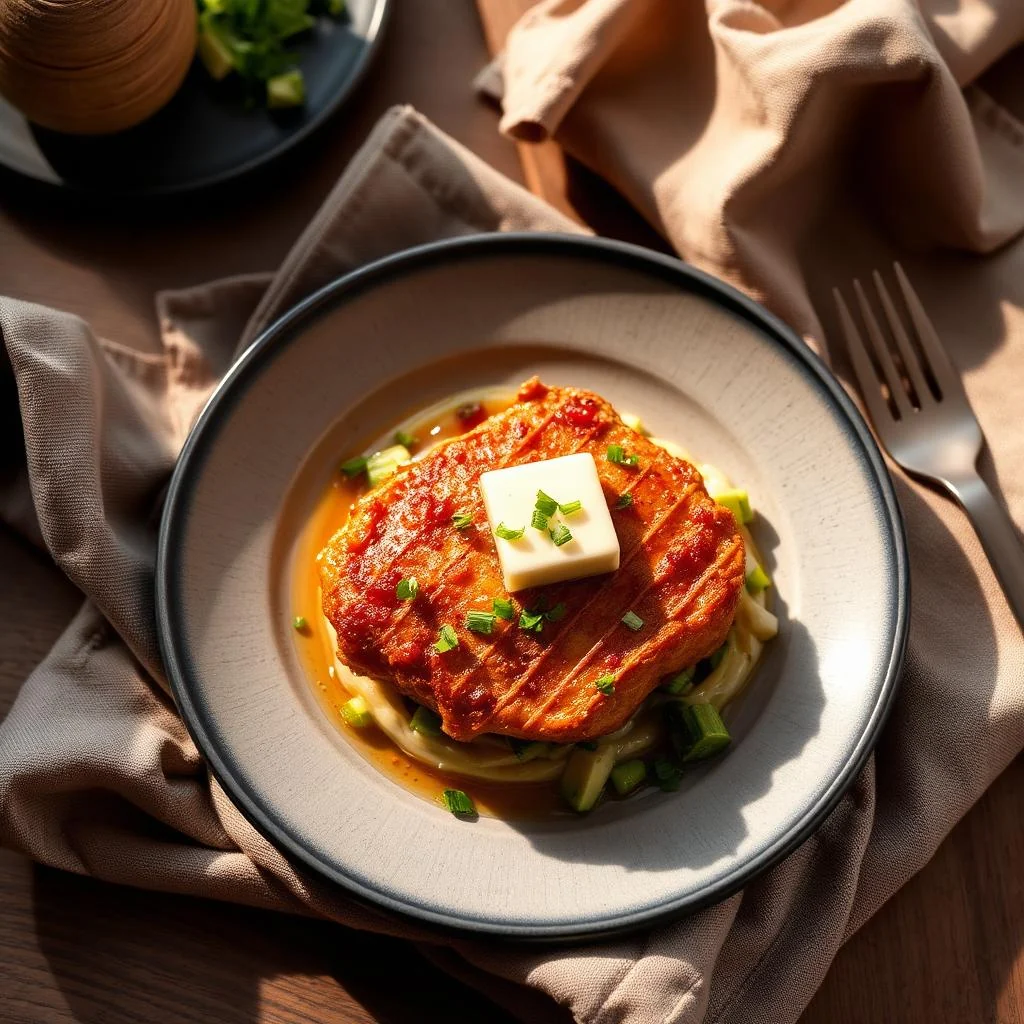
Ingredients
- 4 boneless, skinless chicken breasts or thighs
- 1 cup almond flour
- 1/2 cup grated Parmesan cheese
- 2 eggs
- 1/2 teaspoon salt
- 1/4 teaspoon black pepper
- 1/4 teaspoon garlic powder
- 1/4 teaspoon onion powder
- 2 tablespoons olive oil
- 2 tablespoons butter
Instructions
- Preheat the skillet over medium-high heat and add the olive oil. Once the oil is hot, add the butter and let it melt.
- In a shallow dish, combine the almond flour, Parmesan cheese, salt, black pepper, garlic powder, and onion powder. Mix well to combine.
- In a separate dish, beat the eggs until they are well mixed.
- Dip each chicken breast or thigh into the eggs, coating it completely, then roll it in the almond flour mixture to coat. Place the coated chicken on a plate or tray.
- Once the skillet is hot, add the coated chicken and cook for 5-6 minutes on each side, or until it reaches an internal temperature of 165 F (74 C).
- Use an instant-read thermometer to check the internal temperature of the chicken. Make sure to insert the thermometer into the thickest part of the breast or thigh.
- Once the chicken is cooked, remove it from the skillet and place it on a paper towel-lined plate to drain any excess oil.
- Let the chicken rest for 5-10 minutes before slicing and serving. This will help the juices to redistribute and the chicken to retain its tenderness.
- To serve, slice the chicken into thin strips and serve with your favorite sides, such as mashed cauliflower or roasted vegetables.
- You can also garnish the dish with fresh parsley or scallions for added flavor and color.
- To make the dish more substantial, you can serve it with a side of cauliflower rice or a salad with a citrus vinaigrette.
- Experiment with different seasonings and spices to find the combination that you like best.