
Sautéed Snow Peas
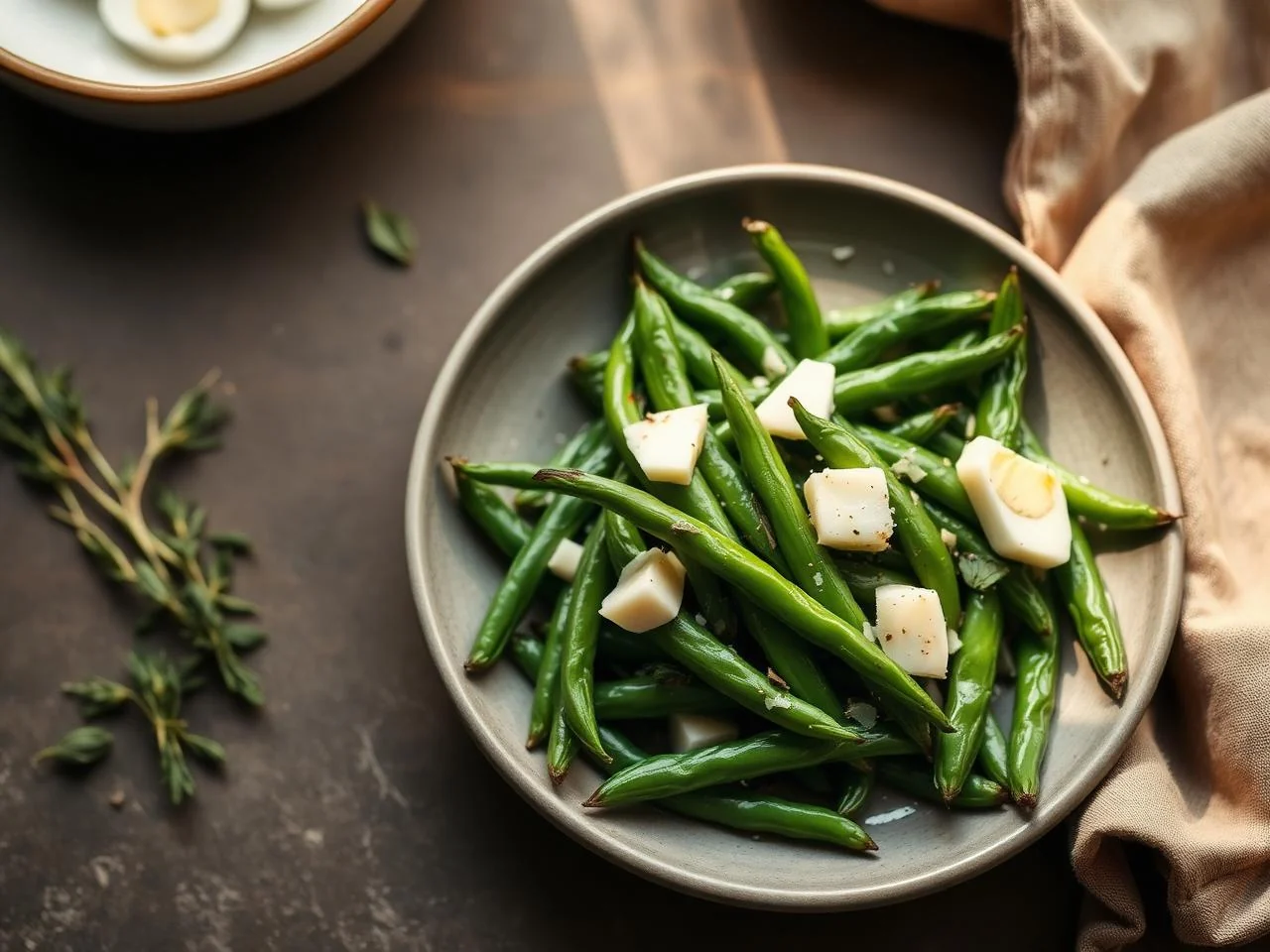
I still remember the first time I had sautéed snow peas - it was at a Chinese restaurant in my hometown, and I was immediately hooked. The combination of crunchy texture and sweet flavor was a revelation. As I began to explore low-carb keto cooking, I knew I had to find a way to recreate this dish in my own kitchen.
After some experimentation, I landed on a simple yet flavorful recipe that uses just a few ingredients: fresh snow peas, garlic, butter, and a pinch of salt. The key to success lies in the technique - a quick sauté in hot butter that preserves the peas' natural sweetness and texture.
This recipe is perfect for a weeknight dinner, as it can be prepared in under 15 minutes. It's also a great way to get your daily dose of veggies, and the keto-friendly ingredients make it an excellent option for those following a low-carb diet.
Whether you're a seasoned cook or just starting out, this recipe is easy to follow and requires minimal equipment. So go ahead, give it a try, and enjoy the delicious taste of sautéed snow peas!
In this article, I'll walk you through the steps to make sautéed snow peas, including tips and variations to help you customize the recipe to your taste. I'll also cover the cooking science behind the dish, so you can understand why it works and how to make it even better.
Why You’ll Love This Recipe
- This recipe is quick and easy to make, perfect for a weeknight dinner
- It's a great way to get your daily dose of veggies, and the keto-friendly ingredients make it an excellent option for those following a low-carb diet
- The dish is customizable, with options to add other ingredients such as lemon juice or grated cheese
- It's a budget-friendly recipe, using just a few ingredients that are likely already in your pantry
- The recipe is perfect for a crowd, as it can be easily scaled up to feed a large group of people
- It's a great way to introduce kids to new vegetables, as the snow peas are sweet and tender
- The recipe is also gluten-free, making it an excellent option for those with gluten intolerance
Why This Recipe Works
The key to successful sautéed snow peas lies in the cooking technique. By heating the butter to a high temperature and then quickly adding the snow peas, we can achieve a nice browning on the outside while preserving the tender interior. This is due to the Maillard reaction, a chemical reaction between amino acids and reducing sugars that occurs when food is cooked, resulting in the formation of new flavor compounds and browning.
Another important factor is the use of garlic, which adds a depth of flavor to the dish. By sautéing the garlic in butter before adding the snow peas, we can mellow out its pungency and create a rich, aromatic flavor that complements the peas perfectly.
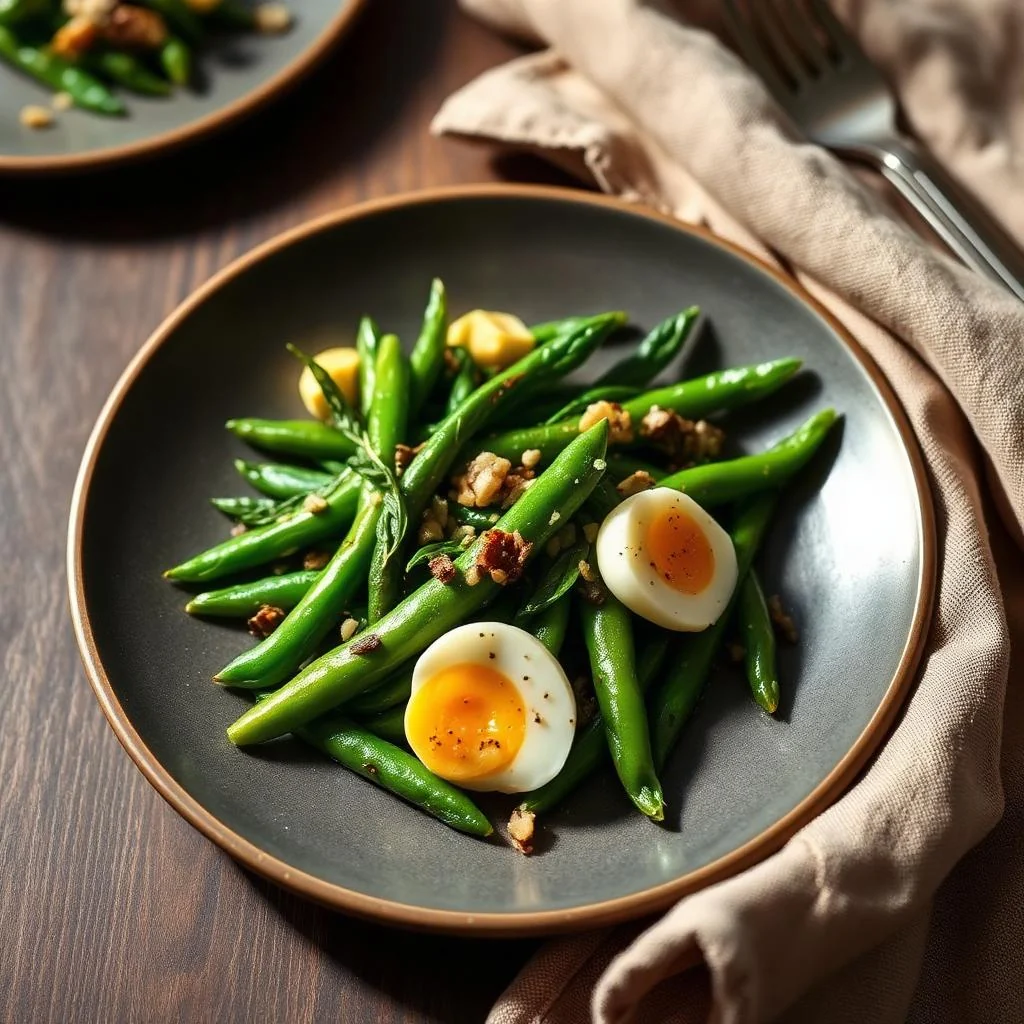
Finally, the addition of salt enhances the natural sweetness of the snow peas, creating a balanced flavor profile that is both savory and sweet. By using these simple ingredients and techniques, we can create a dish that is not only delicious but also visually appealing, with the vibrant green color of the snow peas and the golden brown garlic.
Ingredients You’ll Need
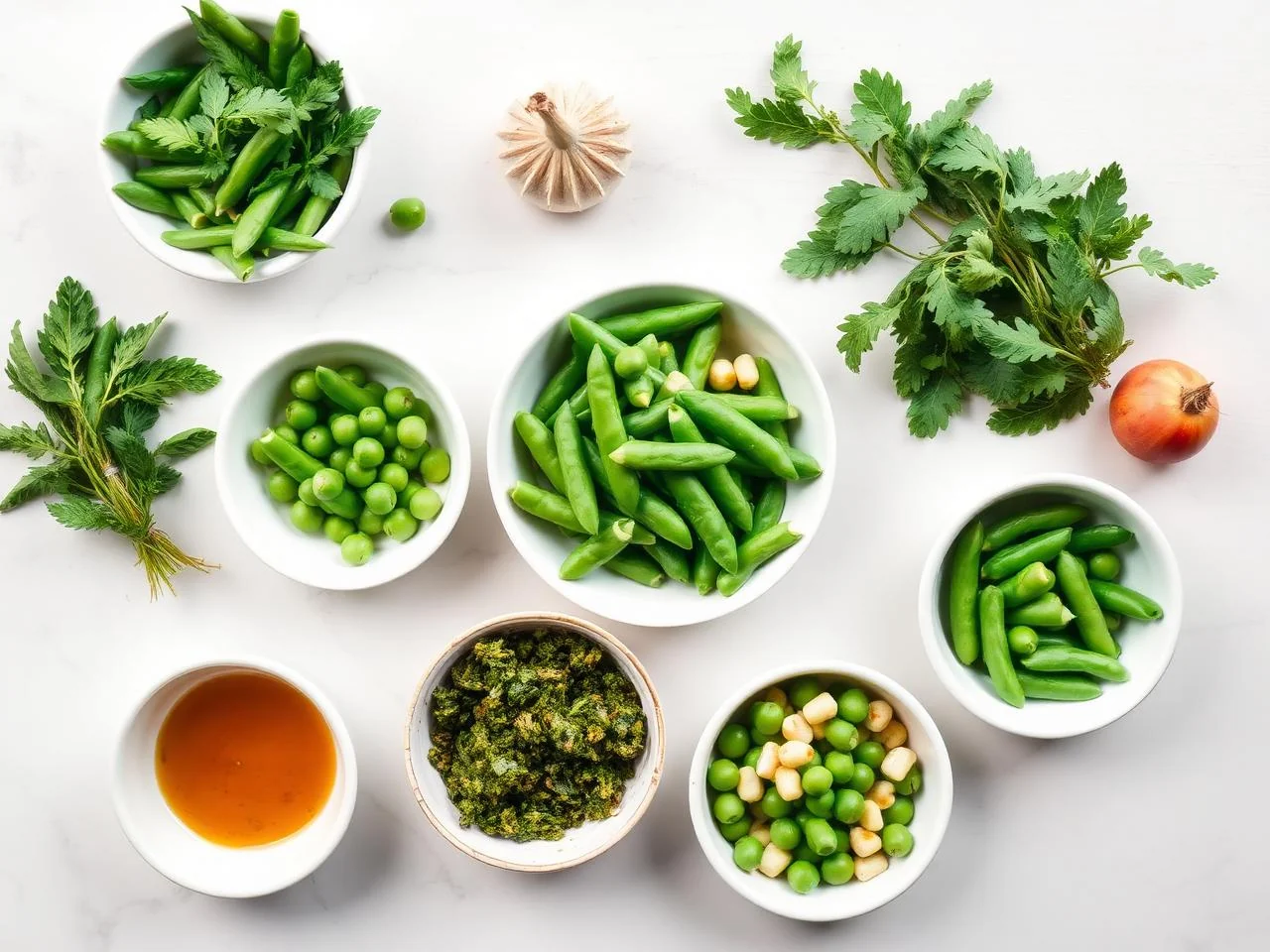
To make sautéed snow peas, you'll need just a few ingredients, including fresh snow peas, garlic, butter, and salt. Look for snow peas that are bright green and have a slightly sweet smell. You can also use frozen snow peas, but be sure to thaw them first and pat dry with paper towels to remove excess moisture.
When shopping for garlic, choose bulbs that are firm and have no signs of sprouting. You can also use pre-minced garlic, but be sure to check the ingredients list for added preservatives or sugars.
- 1 pound (450g) fresh snow peasLook for snow peas that are bright green and have a slightly sweet smell. You can also use frozen snow peas, but be sure to thaw them first and pat dry with paper towels to remove excess moisture.
- 3 cloves garlic, mincedChoose bulbs that are firm and have no signs of sprouting. You can also use pre-minced garlic, but be sure to check the ingredients list for added preservatives or sugars.
- 2 tablespoons (30g) unsalted butterUse high-quality butter that is fresh and has a good flavor. You can also use other types of fat such as ghee or coconut oil, but butter works best for this recipe.
- 1/2 teaspoon saltUse kosher salt or sea salt for the best flavor. You can also use other types of salt, but be sure to adjust the amount to taste.
- 1/4 teaspoon black pepperUse freshly ground black pepper for the best flavor. You can also use other types of pepper, but be sure to adjust the amount to taste.
- 2 tablespoons chopped fresh parsleyChoose fresh parsley that is bright green and has a good flavor. You can also use other types of herbs such as basil or thyme, but parsley works best for this recipe.
- 1 tablespoon lemon juiceUse freshly squeezed lemon juice for the best flavor. You can also use bottled lemon juice, but be sure to check the ingredients list for added preservatives or sugars.
- 1/4 cup (30g) grated Parmesan cheeseUse high-quality Parmesan cheese that is fresh and has a good flavor. You can also use other types of cheese, but Parmesan works best for this recipe.
- 1/4 cup (30g) chopped fresh mintChoose fresh mint that is bright green and has a good flavor. You can also use other types of herbs such as basil or thyme, but mint works best for this recipe.
- Salt and pepper to tasteUse kosher salt and freshly ground black pepper to taste. You can also use other types of salt and pepper, but be sure to adjust the amount to taste.
- 2 tablespoons chopped fresh chivesChoose fresh chives that are bright green and have a good flavor. You can also use other types of herbs such as parsley or thyme, but chives work best for this recipe.
Equipment You’ll Need
How to Make Sautéed Snow Peas
- 1Rinse the snow peas under cold water and pat dry with paper towels to remove excess moisture.
- 2Mince the garlic and set aside. Be sure to use a sharp knife and mince the garlic finely, as this will help to distribute the flavor evenly throughout the dish.
- 3Heat the butter in a large heavy skillet or wok over medium-high heat until it reaches 350°F (175°C) on an instant-read thermometer. Be careful not to burn the butter, as this can give the dish a bitter flavor.
- 4Add the minced garlic to the skillet and sauté for 1-2 minutes until fragrant. Be sure to stir constantly to prevent the garlic from burning.
- 5Add the snow peas to the skillet and sauté for 2-3 minutes until they start to soften. Be sure to stir constantly to prevent the snow peas from burning.
- 6Add the salt, black pepper, and lemon juice to the skillet and stir to combine. Be sure to adjust the amount of salt and pepper to taste, as this can vary depending on personal preference.
- 7Continue to sauté the snow peas for an additional 2-3 minutes until they are tender but still crisp. Be sure to stir constantly to prevent the snow peas from burning.
- 8Remove the skillet from the heat and stir in the grated Parmesan cheese. Be sure to use high-quality Parmesan cheese that is fresh and has a good flavor.
- 9Add the chopped fresh parsley, mint, and chives to the skillet and stir to combine. Be sure to use fresh herbs that are bright green and have a good flavor.
- 10Season the snow peas with salt and pepper to taste, then serve hot. Be sure to adjust the amount of salt and pepper to taste, as this can vary depending on personal preference.
- 11Garnish with additional parsley or chives if desired, then serve immediately. Be sure to use fresh herbs that are bright green and have a good flavor.
Expert Tips
- Be sure to use fresh snow peas that are bright green and have a good flavor. You can also use frozen snow peas, but be sure to thaw them first and pat dry with paper towels to remove excess moisture.
- Use high-quality butter that is fresh and has a good flavor. You can also use other types of fat such as ghee or coconut oil, but butter works best for this recipe.
- Don't overcook the snow peas, as this can make them tough and unappetizing. Be sure to stir constantly to prevent the snow peas from burning.
- Adjust the amount of salt and pepper to taste, as this can vary depending on personal preference. Be sure to use kosher salt and freshly ground black pepper for the best flavor.
- Add other ingredients such as lemon juice or grated cheese to the dish to give it extra flavor. Be sure to use high-quality ingredients that are fresh and have a good flavor.
- Use fresh herbs such as parsley or chives to garnish the dish. Be sure to use fresh herbs that are bright green and have a good flavor.
- Serve the dish immediately, as this will help to preserve the texture and flavor of the snow peas. Be sure to use a hot skillet and serve the snow peas hot, as this will help to bring out the natural sweetness of the peas.
Common Mistakes to Avoid
- Overcooking the snow peas, which can make them tough and unappetizing. Be sure to stir constantly to prevent the snow peas from burning.
- Not using high-quality ingredients, such as fresh snow peas and high-quality butter. Be sure to use fresh snow peas that are bright green and have a good flavor, and high-quality butter that is fresh and has a good flavor.
- Not adjusting the amount of salt and pepper to taste, which can result in a dish that is too salty or too bland. Be sure to use kosher salt and freshly ground black pepper for the best flavor, and adjust the amount to taste.
- Not using fresh herbs to garnish the dish, which can result in a dish that looks unappetizing. Be sure to use fresh herbs that are bright green and have a good flavor, such as parsley or chives.
- Not serving the dish immediately, which can result in a dish that is cold and unappetizing. Be sure to use a hot skillet and serve the snow peas hot, as this will help to bring out the natural sweetness of the peas.
- Not stirring constantly to prevent the snow peas from burning. Be sure to stir constantly to prevent the snow peas from burning, and adjust the heat as needed to prevent the dish from burning.
Variations and Substitutions
- Add other ingredients such as lemon juice or grated cheese to the dish to give it extra flavor. Be sure to use high-quality ingredients that are fresh and have a good flavor.
- Use different types of fat such as ghee or coconut oil instead of butter. Be sure to use high-quality fat that is fresh and has a good flavor.
- Add other vegetables such as bell peppers or onions to the dish to give it extra flavor and texture. Be sure to use fresh vegetables that are bright green and have a good flavor.
- Use different types of cheese such as Parmesan or cheddar instead of grated cheese. Be sure to use high-quality cheese that is fresh and has a good flavor.
- Add other seasonings such as garlic powder or paprika to the dish to give it extra flavor. Be sure to use high-quality seasonings that are fresh and have a good flavor.
- Use fresh herbs such as parsley or chives to garnish the dish. Be sure to use fresh herbs that are bright green and have a good flavor.
- Serve the dish with other ingredients such as rice or noodles to give it extra texture and flavor. Be sure to use high-quality ingredients that are fresh and have a good flavor.
What to Serve With Sautéed Snow Peas
Sautéed snow peas are a delicious and versatile side dish that can be served with a variety of main courses. Try serving them with grilled chicken or steak, or as a side dish for a holiday meal. You can also add them to salads or use them as a topping for soups or stir-fries.
Some other ideas for serving sautéed snow peas include:
Grilled chicken or steak with roasted vegetables
Salads with mixed greens, cherry tomatoes, and a citrus vinaigrette
Soups such as creamy broths or clear soups with noodles or rice
Stir-fries with your favorite protein and vegetables
Make-Ahead, Storage, Freezing and Reheating
Sautéed snow peas can be stored in the refrigerator for up to 3 days. Be sure to cool the snow peas to room temperature before refrigerating, and store them in an airtight container to prevent moisture from accumulating.
To freeze sautéed snow peas, cool them to room temperature and then place them in a single layer on a baking sheet. Once frozen, transfer the snow peas to an airtight container or freezer bag and store them in the freezer for up to 6 months.
To reheat sautéed snow peas, simply microwave them for 30-60 seconds or heat them in a skillet over medium heat until warmed through. Be sure to stir constantly to prevent the snow peas from burning.
Some other tips for storing and reheating sautéed snow peas include:
Using an airtight container to prevent moisture from accumulating and causing the snow peas to become soggy
Labeling the container with the date and contents so that you can easily keep track of how long the snow peas have been stored
Reheating the snow peas in a skillet over medium heat to help preserve their texture and flavor
Frequently Asked Questions
What is the best way to cook snow peas?
The best way to cook snow peas is to sauté them in a hot skillet with some butter or oil until they are tender but still crisp. This helps to preserve their natural sweetness and texture.
Can I use frozen snow peas instead of fresh?
Yes, you can use frozen snow peas instead of fresh. Simply thaw them first and pat dry with paper towels to remove excess moisture.
How do I prevent the snow peas from becoming too soft or mushy?
To prevent the snow peas from becoming too soft or mushy, be sure to not overcook them. Stir constantly to prevent the snow peas from burning, and adjust the heat as needed to prevent the dish from burning.
Can I add other ingredients to the dish to give it extra flavor?
Yes, you can add other ingredients such as lemon juice or grated cheese to the dish to give it extra flavor. Be sure to use high-quality ingredients that are fresh and have a good flavor.
How do I store sautéed snow peas?
Sautéed snow peas can be stored in the refrigerator for up to 3 days. Be sure to cool the snow peas to room temperature before refrigerating, and store them in an airtight container to prevent moisture from accumulating.
Can I freeze sautéed snow peas?
Yes, you can freeze sautéed snow peas. Cool them to room temperature and then place them in a single layer on a baking sheet. Once frozen, transfer the snow peas to an airtight container or freezer bag and store them in the freezer for up to 6 months.
How do I reheat sautéed snow peas?
To reheat sautéed snow peas, simply microwave them for 30-60 seconds or heat them in a skillet over medium heat until warmed through. Be sure to stir constantly to prevent the snow peas from burning.
Can I use sautéed snow peas as a topping for soups or salads?
Yes, you can use sautéed snow peas as a topping for soups or salads. They add a delicious burst of flavor and texture to these dishes.
Are sautéed snow peas a good source of nutrients?
Yes, sautéed snow peas are a good source of nutrients. They are low in calories and rich in vitamins and minerals such as vitamin C and potassium.
Ingredients
- 1 pound (450g) fresh snow peas
- 3 cloves garlic, minced
- 2 tablespoons (30g) unsalted butter
- 1/2 teaspoon salt
- 1/4 teaspoon black pepper
- 2 tablespoons chopped fresh parsley
- 1 tablespoon lemon juice
- 1/4 cup (30g) grated Parmesan cheese
- 1/4 cup (30g) chopped fresh mint
- Salt and pepper to taste
- 2 tablespoons chopped fresh chives
Instructions
- Rinse the snow peas under cold water and pat dry with paper towels to remove excess moisture.
- Mince the garlic and set aside. Be sure to use a sharp knife and mince the garlic finely, as this will help to distribute the flavor evenly throughout the dish.
- Heat the butter in a large heavy skillet or wok over medium-high heat until it reaches 350°F (175°C) on an instant-read thermometer. Be careful not to burn the butter, as this can give the dish a bitter flavor.
- Add the minced garlic to the skillet and sauté for 1-2 minutes until fragrant. Be sure to stir constantly to prevent the garlic from burning.
- Add the snow peas to the skillet and sauté for 2-3 minutes until they start to soften. Be sure to stir constantly to prevent the snow peas from burning.
- Add the salt, black pepper, and lemon juice to the skillet and stir to combine. Be sure to adjust the amount of salt and pepper to taste, as this can vary depending on personal preference.
- Continue to sauté the snow peas for an additional 2-3 minutes until they are tender but still crisp. Be sure to stir constantly to prevent the snow peas from burning.
- Remove the skillet from the heat and stir in the grated Parmesan cheese. Be sure to use high-quality Parmesan cheese that is fresh and has a good flavor.
- Add the chopped fresh parsley, mint, and chives to the skillet and stir to combine. Be sure to use fresh herbs that are bright green and have a good flavor.
- Season the snow peas with salt and pepper to taste, then serve hot. Be sure to adjust the amount of salt and pepper to taste, as this can vary depending on personal preference.
- Garnish with additional parsley or chives if desired, then serve immediately. Be sure to use fresh herbs that are bright green and have a good flavor.