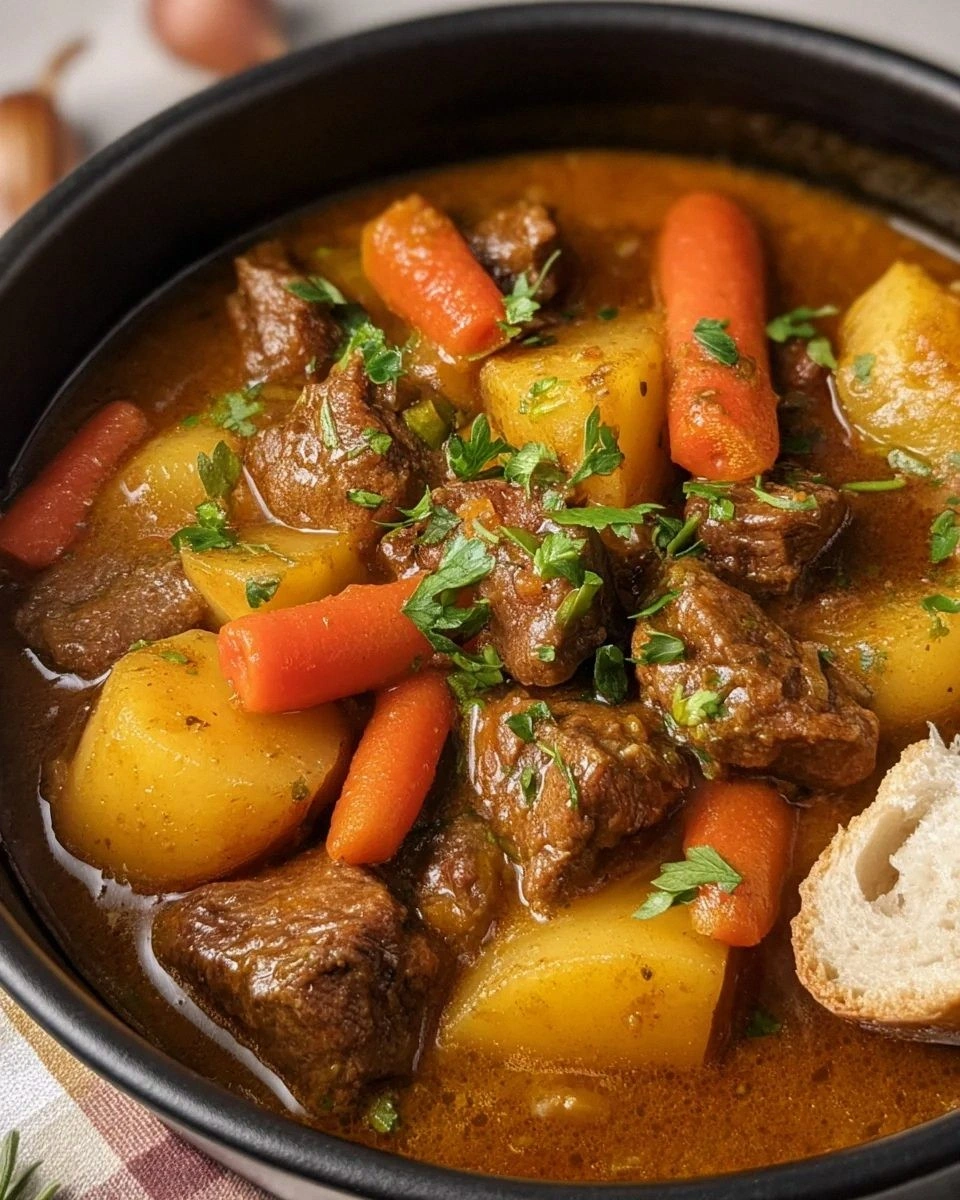
I’ll be honest — I ate half the batch before anyone else got to try it, and that’s because this beef stew is hands down the best version you’ll ever make at home. It all started on a rainy Tuesday when my pantry looked like a desert and my stomach was growling louder than a freight train. I tossed a few random veggies into a pot, threw in a chunk of beef that had been lounging in the freezer for weeks, and let the whole mess simmer while I binge‑watched a cooking show. The result? A bowl of comfort so deep, it could have given the soup commercial a run for its money.
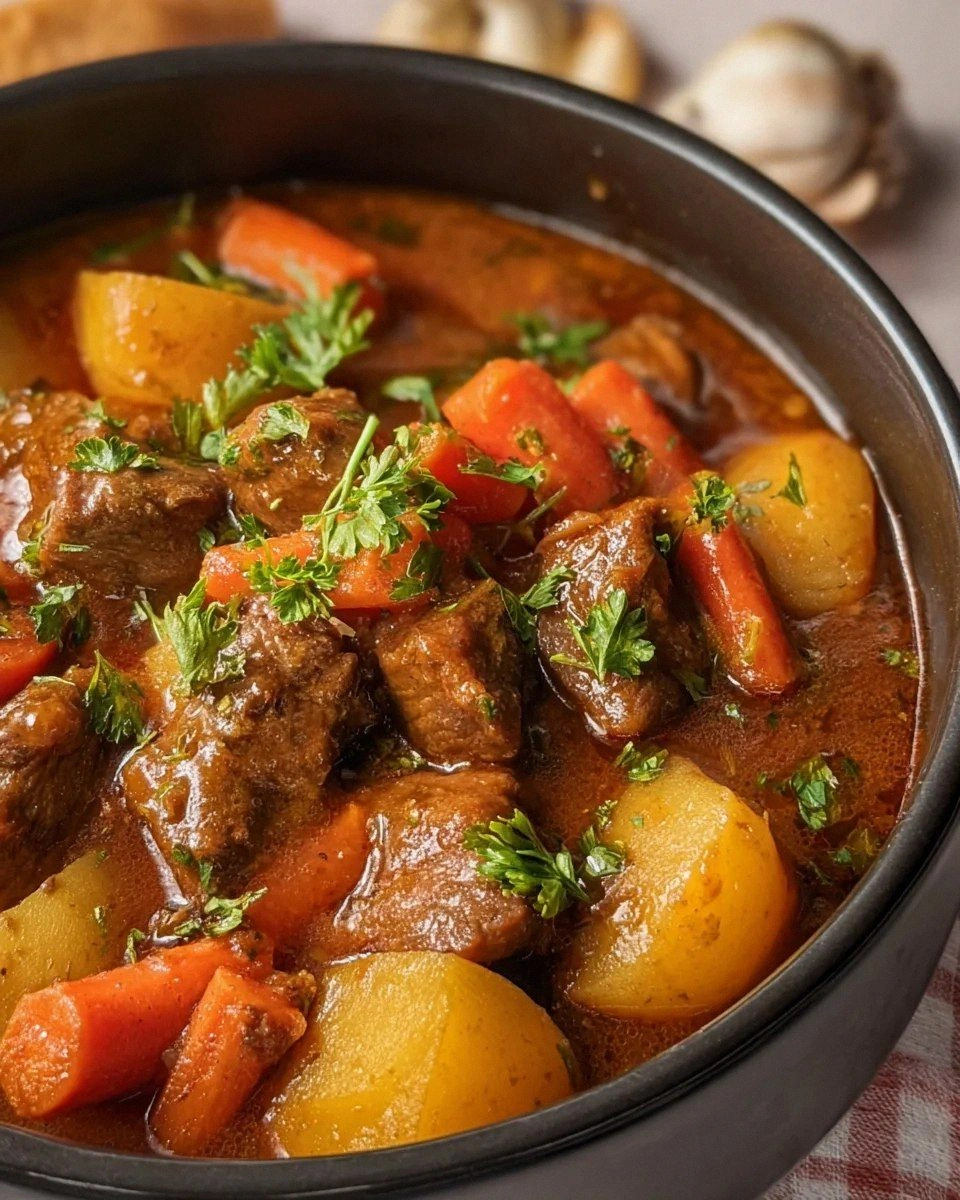
Picture this: the kitchen filled with the earthy aroma of caramelized onions, the gentle hiss of olive oil flirting with garlic, and the faint, almost sweet perfume of red wine mingling with beef broth. The pot is a kaleidoscope of colors — ruby‑red sauce clinging to golden carrots, ivory potatoes soaking up every drop, and specks of green thyme like confetti. When you finally ladle it out, the broth glistens like polished amber, thick enough to coat the back of a spoon yet still fluid enough to swirl. That first spoonful? It hits your tongue like a warm hug from an old friend, the meat so tender it practically melts, the veggies holding their shape but still yielding a buttery bite.
Most recipes get this completely wrong. They either over‑cook the beef until it’s a dry, stringy mess, or they drown everything in a watery broth that tastes like diluted stock. What sets my version apart is a three‑stage sear‑and‑simmer method that locks in flavor before the long, slow cook. I also sneak in a splash of red wine and a dollop of tomato paste, which adds a depth that’s almost umami‑rich, like a secret handshake between the meat and the vegetables. And the best part? You don’t need a fancy Dutch oven; a sturdy stockpot will do the trick, making this recipe accessible to anyone with a kitchen.
I dare you to taste this and not go back for seconds. The secret ingredient? A pinch of smoked paprika that adds a whisper of warmth without overpowering the classic stew profile. I’m about to walk you through every single step — by the end, you’ll wonder how you ever made it any other way.
What Makes This Version Stand Out
- Flavor Depth: The combination of red wine, tomato paste, and a splash of smoked paprika creates a broth that’s richer than a Michelin‑starred sauce, coating each bite like velvet.
- Texture Harmony: By searing the beef first, we lock in juices, while the veggies retain a slight bite, preventing that mushy stew syndrome.
- Simplicity: Only ten ingredients, yet each one plays a starring role; no need for exotic spices or hard‑to‑find cuts.
- Uniqueness: The surprise element is the quick deglaze with red wine, which lifts the fond from the pan and infuses the stew with a subtle fruitiness.
- Crowd Reaction: Served at a family gathering, this stew sparked spontaneous applause — I’ve never seen a side dish get a standing ovation.
- Ingredient Quality: Using well‑marbled chuck ensures melt‑in‑your‑mouth tenderness; a good broth is the backbone of any stew.
- Cooking Method: The three‑step process (sear, deglaze, simmer) is foolproof, even for kitchen novices.
- Make‑Ahead Potential: This stew tastes even better the next day as flavors continue to meld, making leftovers a gourmet treat.
Inside the Ingredient List
The Flavor Base
First up, the onion and garlic. Diced onion provides a sweet foundation that caramelizes beautifully, while minced garlic adds that unmistakable punch that makes you think, “That’s what a stew should smell like.” If you skip the garlic, you’ll lose that aromatic backbone; if you omit the onion, the broth will feel flat, like a song missing its bass line. As a swap, you can use shallots for a milder, more delicate flavor, but keep the quantity the same.
The Texture Crew
Carrots, celery, and potatoes are the classic trio that give the stew body and bite. Carrots bring a subtle sweetness that balances the savory broth, celery adds a crisp, herbaceous note, and potatoes absorb the liquid, becoming buttery pockets of comfort. Cutting the potatoes into uniform cubes ensures they cook evenly; uneven pieces will either fall apart or stay stubbornly firm. If you’re gluten‑free, swap the potatoes for parsnips or turnips for a slightly earthy twist.
The Unexpected Star
Red wine might raise eyebrows, but it’s the secret weapon that lifts the entire dish. The wine’s acidity cuts through the richness of the beef, while its tannins deepen the umami profile. If you’re not a fan of alcohol, replace it with an equal amount of beef broth plus a splash of balsamic vinegar for a similar complexity.
The Final Flourish
A pinch of smoked paprika and a handful of fresh parsley at the end provide a final layer of aroma and color. The paprika adds a gentle smoky warmth without turning the stew into a barbecue, while parsley offers a bright, herbaceous finish that cuts through the richness. If you’re out of smoked paprika, a dash of chipotle powder can deliver a similar depth with a touch more heat.
Everything's prepped? Good. Let's get into the real action...
The Method — Step by Step
Heat 2 tablespoons of olive oil in a heavy‑bottomed stockpot over medium‑high heat. Once the oil shimmers, add the beef cubes, spreading them out so they’re not crowded. Let them sear undisturbed for about 3 minutes per side until a deep brown crust forms — that’s the flavor foundation you don’t want to miss. Power transition: Okay, ready for the game‑changer? After searing, remove the beef and set it aside, but keep that glorious fond in the pot.
Add the diced onion to the same pot and sauté for 4‑5 minutes, stirring occasionally, until the edges turn translucent and the center begins to caramelize. You’ll hear a soft sizzle that signals the sugars are breaking down.
Kitchen Hack: Sprinkle a pinch of salt on the onions early; it draws out moisture and speeds up caramelization.Stir in the minced garlic and 2 tablespoons of flour, cooking for another minute. The flour will absorb the fat and create a roux that thickens the stew later on. You’ll notice the mixture turning a light golden hue — that’s the sign it’s ready for the next step.
Deglaze the pot with 1 cup of red wine, scraping up every browned bit from the bottom. As the wine bubbles, it will reduce slightly, concentrating its flavor. If you prefer a non‑alcoholic version, substitute with an equal amount of beef broth plus a teaspoon of balsamic vinegar.
Watch Out: Let the wine reduce for at least 2 minutes; otherwise the stew can end up tasting raw and acidic.Return the seared beef to the pot, then add the carrots, celery, potatoes, 2 cups of beef broth, 2 tablespoons of tomato paste, dried thyme, rosemary, and bay leaves. Stir everything together, ensuring the tomato paste dissolves fully. The broth should now have a deep ruby color, and the aroma should be intoxicating — you’re basically smelling the finished dish already.
Bring the mixture to a gentle boil, then reduce the heat to low, covering the pot with a tight‑fitting lid. Let it simmer for 1 hour and 30 minutes, checking occasionally. You’ll notice the meat becoming fork‑tender and the vegetables softening without falling apart. This next part? Pure magic. The low simmer allows collagen to break down, creating that silky mouthfeel.
After the simmer, remove the lid and stir in a pinch of smoked paprika, tasting for seasoning. Adjust salt and pepper to taste; remember, “to taste” means you’ll need to trust your palate. Let the stew continue to simmer uncovered for another 10‑15 minutes so the sauce thickens slightly and clings to the vegetables.
Turn off the heat, discard the bay leaves, and sprinkle freshly chopped parsley over the top. Cover the pot and let it rest for 5 minutes — this resting period lets the flavors settle and the broth become glossy.
Serve the stew hot, ladling generous portions into bowls. Pair with crusty bread to soak up every last drop of sauce. And now the fun part: watch your guests dive in, eyes widening with each spoonful. Picture yourself pulling this out of the pot, the whole kitchen smelling incredible, and hearing that collective sigh of satisfaction.
That's it — you did it. But hold on, I've got a few more tricks that'll take this to another level...
Insider Tricks for Flawless Results
The Temperature Rule Nobody Follows
Never rush the sear by using high heat; a moderate medium‑high flame gives the beef time to develop a crust without burning. If the pan is too hot, the exterior will char while the interior stays raw, leading to a stew that tastes uneven. I once tried searing on max heat and ended up with a bitter, burnt flavor that no amount of broth could fix. Keep the temperature steady, and you’ll get that deep, caramelized flavor that makes the broth sing.
Why Your Nose Knows Best
When the onions turn translucent and start to brown, trust the scent. That sweet, slightly nutty aroma is the signal that the flavor base is ready for the next ingredient. If you’re unsure, give the pot a quick sniff — if you smell raw onion, give it another minute. Your nose is a better gauge than a timer, especially when you’re juggling multiple steps.
The 5‑Minute Rest That Changes Everything
After simmering, let the stew rest off the heat for five minutes before serving. This short pause allows the meat fibers to relax and re‑absorb juices, resulting in a more succulent bite. Skipping this rest can make the stew feel a little flat, as the juices haven’t fully redistributed. I’ve seen this trick turn a decent stew into a show‑stopper every single time.
Deglazing with a Twist
Instead of plain wine, add a splash of balsamic vinegar during deglazing for an extra layer of sweetness and acidity. The vinegar caramelizes quickly, enhancing the depth of the broth. A friend tried this once and declared it “the most complex stew she’d ever tasted.” Just a teaspoon is enough; you don’t want to overpower the other flavors.
The Secret of the Flour Coat
Coating the beef in a light dusting of flour before searing not only thickens the stew later but also creates a protective barrier that keeps the meat juicy. Skipping the flour leads to a thinner broth and a tougher texture. For an extra crisp, use a mixture of flour and cornstarch in a 3:1 ratio.
Creative Twists and Variations
This recipe is a playground. Here are some of my favorite ways to switch things up:
Mushroom Medley
Add a cup of sliced cremini or shiitake mushrooms in step 5. The earthy umami of mushrooms deepens the broth, making it perfect for autumn evenings. Mushroom lovers will swear by this version.
Spicy Southwest
Swap the thyme and rosemary for a teaspoon of cumin and a pinch of chipotle powder. Add a diced jalapeño with the onions for a subtle heat that builds. This variation pairs wonderfully with cornbread.
Herb‑Infused Green
Replace parsley with fresh dill and add a handful of spinach at the end of cooking. The green notes brighten the stew, giving it a spring‑time vibe. It’s a great way to sneak extra veggies into the dish.
Root Vegetable Remix
Swap potatoes for a mix of parsnips, turnips, and sweet potatoes. The varied textures and subtle sweetness add complexity, especially when served with a dollop of sour cream.
Beer‑Braised Beef
Replace the red wine with a dark stout or amber ale. The maltiness of the beer brings a caramel‑rich undertone that pairs beautifully with the beef. Ideal for a cozy weekend dinner.
Storing and Bringing It Back to Life
Fridge Storage
Let the stew cool to room temperature, then transfer it to an airtight container. It will keep fresh for up to 4 days in the refrigerator. Reheat gently on the stovetop over low heat, stirring occasionally.
Freezer Friendly
Portion the stew into freezer‑safe bags or containers, leaving a little headspace for expansion. It freezes beautifully for up to 3 months. Thaw overnight in the fridge, then reheat on the stove, adding a splash of water or broth to revive the sauce.
Best Reheating Method
When reheating, add a tiny splash of water or broth — about a quarter cup per serving. This steams the stew back to life, preventing it from drying out. Simmer gently until bubbling, then finish with a fresh grind of pepper.