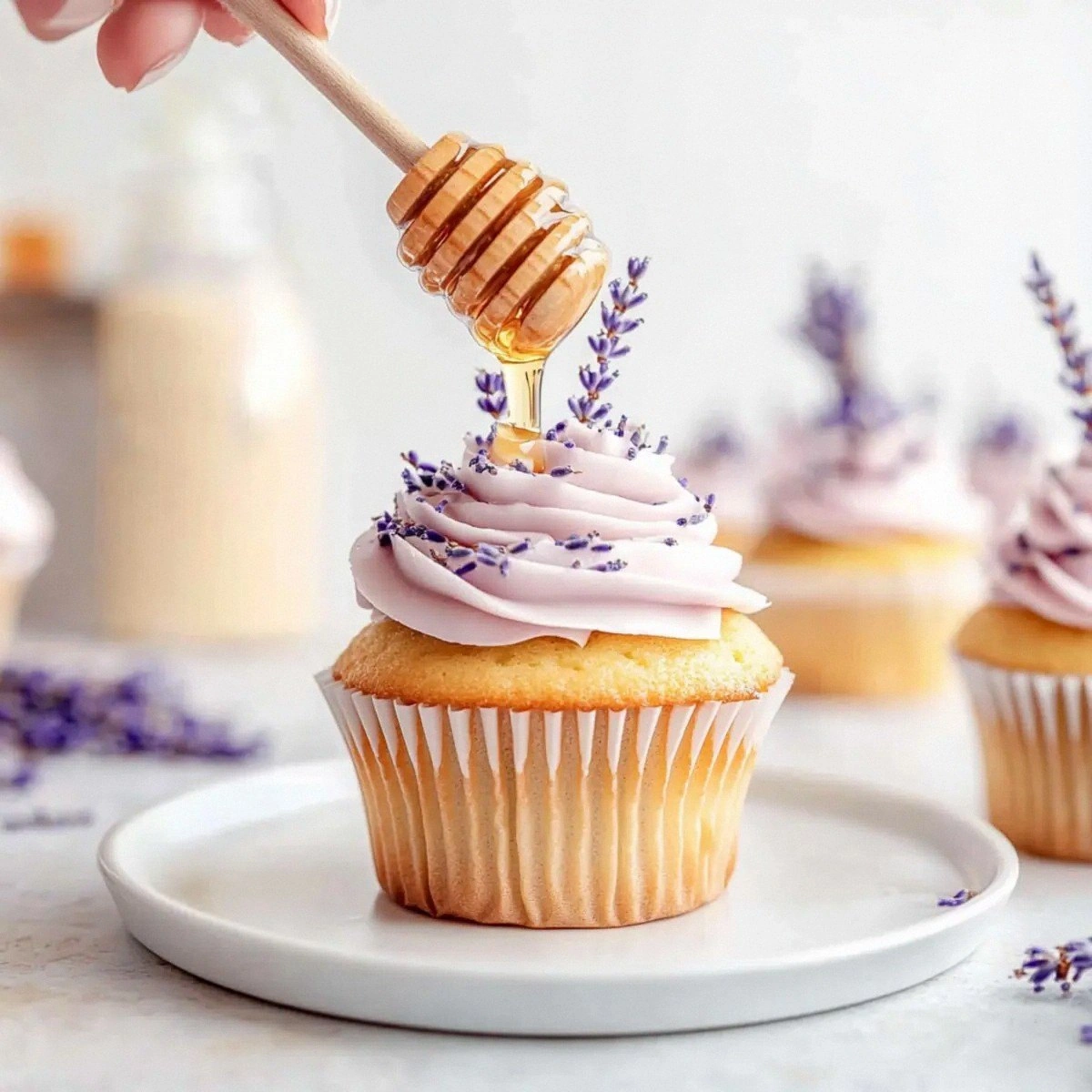
I was standing in my kitchen on a rainy Saturday, staring at a half‑baked batch of plain cupcakes that tasted like cardboard and regret. My roommate dared me to whip up something that would make the rain feel like a gentle spring shower instead of a drab backdrop, and I thought, “Why not a cupcake that smells like a lavender field kissed by honey?” I grabbed the first thing I could find—some dried lavender from my pantry, a jar of golden honey, and a stubborn resolve to turn a kitchen flop into a masterpiece. The moment the butter hit the sugar, the whole room filled with a buttery perfume that made the clouds outside seem to part just for us.
Picture this: the oven humming like a contented cat, the batter glossy and pale as a sunrise, and a faint floral aroma that tickles your nose before you even taste a crumb. The cupcakes rise with a gentle puff, their tops turning a delicate pastel purple that looks like they’ve been painted by a spring sunrise. When you bite in, the crumb is tender, almost melt‑in‑your‑mouth, while the honey‑lavender frosting drapes over it like a silky veil, sweet but never cloying. That first bite? It’s a soft, fragrant hug that whispers, “You’re exactly where you need to be.” I dare you to taste this and not go back for seconds.
Most recipes try to shoe‑horn lavender into a cake and end up with a soapy aftertaste or a flavor that disappears faster than spring rain. This version, however, balances the floral notes with honey’s natural richness, and the secret? Infusing the milk and butter with dried lavender and a splash of lavender‑flavored milk for that deep, layered aroma. I’ll be honest — I ate half the batch before anyone else got to try it, and that’s because the flavor combo is hands down the best version you’ll ever make at home.
Okay, ready for the game‑changer? I’m about to walk you through every single step — from coaxing the lavender into the milk to perfecting that glossy frosting swirl. By the end, you’ll wonder how you ever made cupcakes any other way, and you’ll have a spring treat that can turn any ordinary gathering into a fragrant celebration.
What Makes This Version Stand Out
- Taste Harmony: The honey provides a mellow sweetness that tames the lavender’s natural sharpness, creating a balanced flavor profile that sings rather than shouts.
- Texture Magic: Using cake flour and a gentle creaming method yields a feather‑light crumb that stays moist for days, like a cloud you can actually bite.
- Simplicity Meets Sophistication: Only a handful of pantry staples are needed, yet the result feels like it belongs in a five‑star patisserie.
- Visual Appeal: A hint of purple food coloring plus the natural hue from lavender gives each cupcake a spring‑time blush that’s Instagram‑ready.
- Crowd Reaction: Guests often ask, “What’s the secret?” and you get to smile, knowing you just nailed the ultimate spring treat.
- Ingredient Quality: Fresh, high‑quality lavender and pure, local honey make the difference between “good” and “wow‑factor.”
- Cooking Method: Infusing the dairy before mixing locks in aroma, a trick most recipes skip, leaving you with a faint perfume instead of a full‑bodied bouquet.
- Make‑Ahead Potential: These cupcakes freeze beautifully; just thaw and add a fresh drizzle of honey for an instant revival.
Inside the Ingredient List
The Flavor Base
Whole milk is the silent hero here; it carries the lavender’s floral oils throughout the batter, ensuring every bite is evenly scented. If you skimmed the milk, you’d lose that creamy mouthfeel, and the lavender would sit on top like an uninvited guest. For a dairy‑free twist, try oat milk, but remember it will slightly mute the depth of the lavender.
Lavender Flowers: Dried lavender is potent; just two tablespoons are enough to perfume the entire batter. Too much and you risk a soapy aftertaste, too little and the flavor disappears. If you can’t find culinary‑grade lavender, opt for culinary lavender buds from a reputable spice shop.
The Texture Crew
Unsalted butter, softened and creamed with sugar, creates an aerated matrix that lifts the cupcakes. The butter’s fat coats the flour proteins, preventing excess gluten formation and keeping the crumb tender. If you’re out of butter, a 1:1 swap with coconut oil works, but expect a faint coconut note.
Eggs: Eggs act as binders and leaveners, giving the cupcakes structure while keeping them moist. Using room‑temperature eggs ensures they incorporate smoothly; cold eggs can cause the batter to seize and become lumpy.
The Unexpected Star
Honey isn’t just a sweetener; its natural acidity reacts with the baking powder to give the cupcakes a subtle lift and a glossy finish. The honey’s floral undertones echo the lavender, creating a layered taste that deepens as the cupcake cools. If you’re allergic to honey, maple syrup is a decent stand‑in, though the flavor will shift toward earthier notes.
Lavender Milk: This is a pre‑made infusion of milk and lavender, adding an extra punch of aroma without extra liquid. You can make it yourself by simmering milk with a tablespoon of dried lavender, then cooling and straining.
The Final Flourish
Cake flour, with its lower protein content, ensures the cupcakes stay soft and airy, unlike all‑purpose flour which can make them dense. Baking powder provides the lift, while kosher salt amplifies the sweet and floral notes, preventing the flavor from flattening. The powdered sugar frosting is whipped with a splash of lavender milk and optional purple food coloring for that dreamy hue.
Garnishing with dried lavender sprigs and a drizzle of honey adds visual flair and a final aromatic burst right before serving. If you’re worried about the sprigs looking too rustic, give them a quick rinse and pat dry—they’ll still retain their fragrance.
Everything’s prepped? Good. Let’s get into the real action…
The Method — Step by Step
First, set your oven to 350°F (175°C) and line a 12‑cup muffin tin with paper liners. While the oven preheats, pour the whole milk into a small saucepan, add the dried lavender flowers, and bring to a gentle simmer. As soon as you see tiny bubbles, remove from heat and let the lavender steep for five minutes, then strain through a fine mesh into a bowl. The milk should smell like a field after a fresh rain—this is your aromatic foundation.
In a separate bowl, melt the unsalted butter with the honey over low heat, stirring until smooth. Once combined, let the mixture cool slightly—this prevents the eggs from scrambling later. Watch out: If the butter‑honey blend is too hot, it will cook the eggs and give the batter a curdled texture.
In a large mixing bowl, whisk together the granulated sugar and the cooled butter‑honey mixture until pale and fluffy—think cloud‑like, not gritty. Add the eggs one at a time, beating well after each addition, then stir in the vanilla and lavender extracts. The batter should look glossy and thick, like a silky paint.
Sift the cake flour, baking powder, and kosher salt together into a separate bowl. This aerates the flour and guarantees an even rise. Gently fold the dry ingredients into the wet batter using a rubber spatula, turning the bowl over a few times. The batter should be thick but pourable; if it feels too stiff, add a splash of the lavender‑infused milk.
If you’re using the optional purple food coloring, add a few drops now and swirl gently—don’t over‑mix, or the color will bleed into the batter unevenly. Fill each cupcake liner about two‑thirds full; this gives the cupcakes room to rise without spilling over.
Slide the tin into the oven and bake for 18‑22 minutes. You’ll know they’re done when the tops spring back lightly to the touch and a toothpick inserted comes out clean or with just a few crumbs. Pro tip: The edges will start pulling away from the liner, a visual cue that the interior is perfectly set.
While the cupcakes cool, whip the powdered sugar with 2 tablespoons of lavender milk, a drizzle of honey, and a pinch of optional purple food coloring until stiff peaks form. The frosting should be glossy and hold its shape when piped. If it’s too thick, add a teaspoon more lavender milk; if too runny, sift in a little extra powdered sugar.
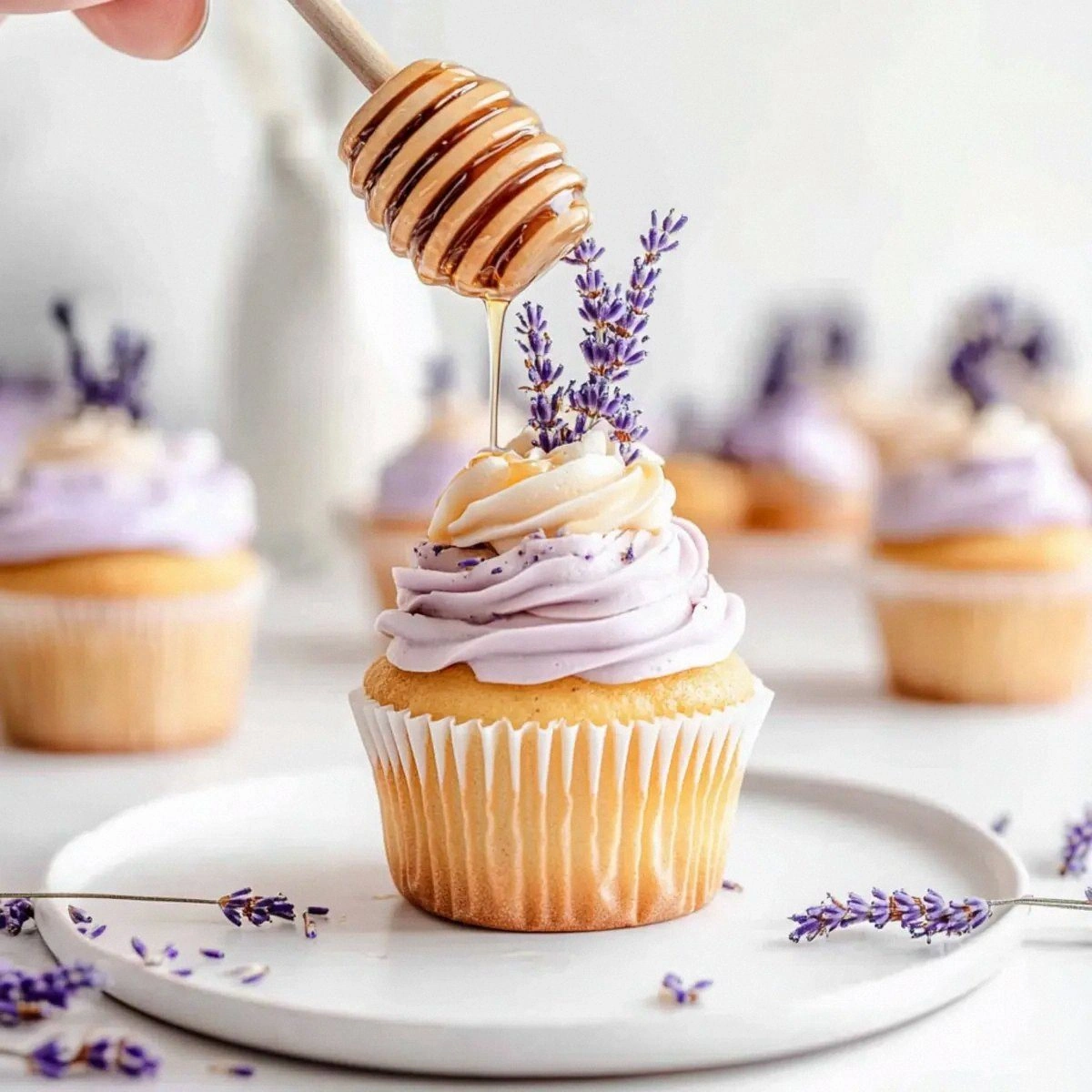
Once the cupcakes are completely cool (this prevents the frosting from melting), pipe a generous swirl of frosting onto each one. Garnish with a tiny sprig of dried lavender and a light drizzle of honey. Step back, take a deep breath, and admire the pastel crowns—you’ve just created a spring masterpiece.
That’s it — you did it. But hold on, I’ve got a few more tricks that’ll take this to another level…
Insider Tricks for Flawless Results
The Temperature Rule Nobody Follows
Never bake cupcakes straight from the fridge. Let the batter sit at room temperature for five minutes before filling the liners. This tiny pause lets the leavening agents activate evenly, preventing a dense center. I once tried skipping this step and ended up with cupcakes that felt like rubber shoes—trust me, the difference is night and day.
Why Your Nose Knows Best
When the butter‑honey mixture is ready, give it a quick sniff. If you can’t smell the honey’s caramel notes, the mixture is too cool and the flavor won’t develop fully. Warm it a few seconds longer, and you’ll notice a richer aroma that translates directly into the final cupcake.
The 5‑Minute Rest That Changes Everything
After mixing the wet and dry components, let the batter rest for five minutes before baking. This allows the flour to hydrate fully, resulting in a tender crumb that stays moist longer. A friend tried to skip this rest once; the cupcakes turned out crumbly and dry—lesson learned.
The Secret of the Lavender Sprig
Before garnishing, give the dried lavender sprig a quick flick over the cupcake. This releases a burst of aroma right at the moment of serving, making the scent experience more immediate. If you skip this, the lavender stays subtle, and you’ll miss out on that aromatic pop.
Honey Drizzle Timing
Drizzle the honey while it’s still warm, but not hot. Warm honey spreads easily and creates a glossy finish, while hot honey can melt the frosting and make it run. The perfect temperature is around 120°F (49°C), which you can feel by touching the back of your hand.
Creative Twists and Variations
This recipe is a playground. Here are some of my favorite ways to switch things up:
Citrus Lavender Fusion
Add a tablespoon of freshly grated lemon zest to the batter and swap half the honey for orange blossom honey. The citrus brightens the floral notes, making the cupcakes perfect for a brunch brunch.
Chocolate Lavender Dream
Replace ¼ cup of the cake flour with unsweetened cocoa powder and fold in dark chocolate chips. The bitterness of chocolate balances the sweet honey, creating a sophisticated flavor that will wow coffee‑drinking friends.
Berry Burst
Stir in a handful of fresh blueberries or raspberries just before filling the liners. The berries add a juicy pop that contrasts the floral frosting, and the visual speckles make each cupcake look like a miniature garden.
Vegan Velvet
Swap the butter for coconut oil, use flax‑egg replacer (1 tbsp ground flax + 3 tbsp water per egg), and replace honey with agave nectar. The texture stays moist, and the flavor remains bright, proving you don’t need dairy to achieve that spring vibe.
Spiced Autumn Twist
Add a pinch of ground cinnamon and nutmeg to the dry ingredients, and use maple syrup instead of honey. This version shifts the flavor profile toward cozy fall, perfect for an early‑October gathering.
Storing and Bringing It Back to Life
Fridge Storage
Place the cupcakes in an airtight container and store them in the refrigerator for up to three days. The frosting will firm up slightly, but a quick room‑temperature sit before serving restores the soft texture.
Freezer Friendly
Wrap each cupcake individually in plastic wrap, then place them in a zip‑top freezer bag. They’ll keep for up to two months. When you’re ready to enjoy, let them thaw in the fridge overnight, then bring them to room temperature.
Best Reheating Method
To revive a chilled cupcake, pop it in a preheated 300°F (150°C) oven for 5‑7 minutes. Add a tiny splash of water to the bottom of the oven tray; the steam will bring the crumb back to its original fluffiness without drying it out.