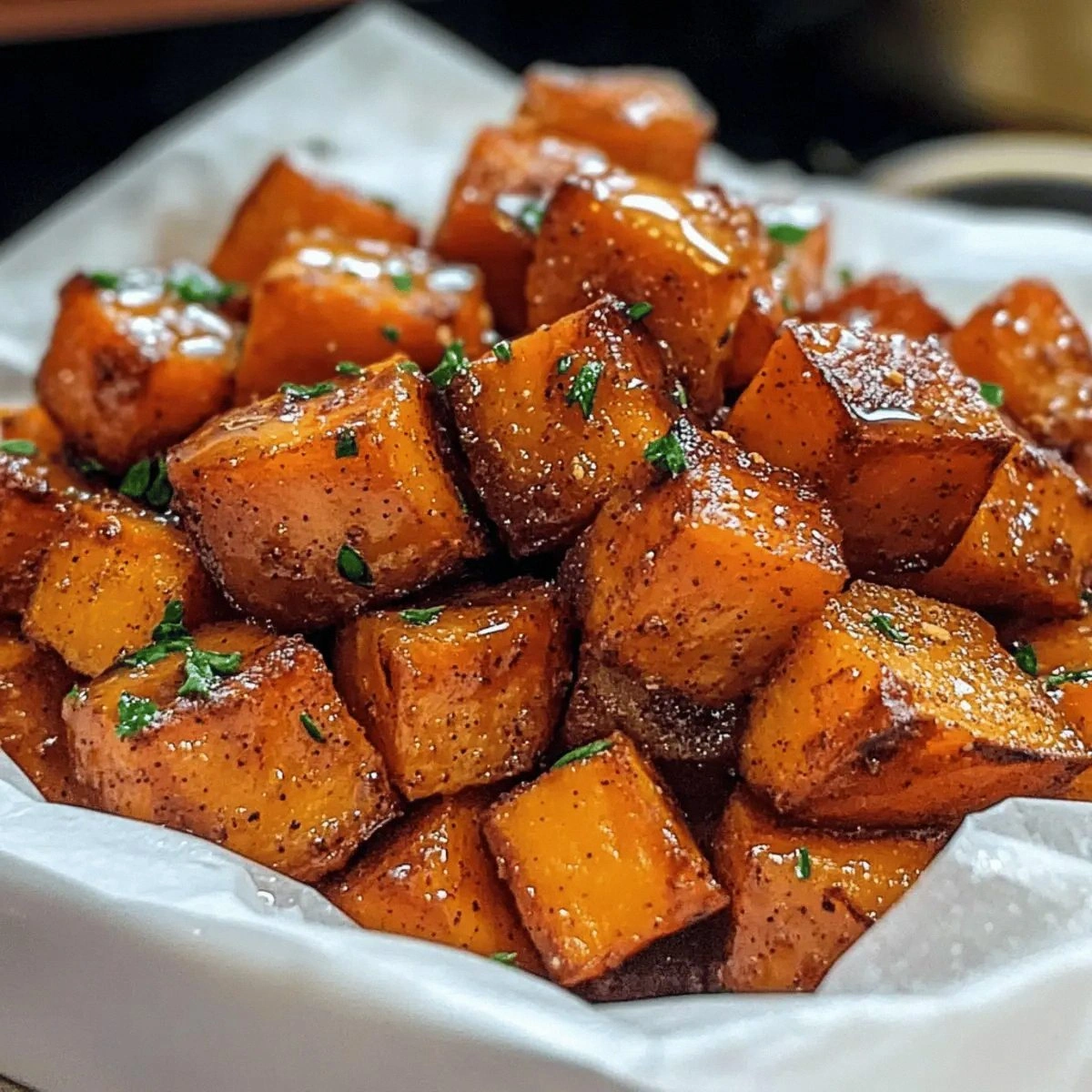
Last Tuesday I almost set my kitchen on fire. Again. I was chasing the perfect roasted sweet potato—one that shatters into caramelized shards at the edges while staying custardy inside—and I got cocky. Cranked the oven to 425°F, walked away to answer one “quick” email, and returned to a smoking tray of charcoal nuggets that looked like they’d survived a volcanic eruption. My smoke detector was screaming, my cat was plotting her escape, and yet… I could still taste the ghost of cinnamon and honey in the air, whispering, “try again.” So I did. Four batches later, at 11:47 p.m., I pulled out a pan so gorgeous it could’ve starred in a cooking documentary: mahogany rims, sticky honey lacquer, and the scent of warm spice curling through the apartment like a flannel blanket. I burned my tongue on the first cube—zero regrets—and proceeded to eat the entire sheet pan standing at the counter in my socks. That, my friend, is the origin story of the roasted sweet potatoes I’m about to shove into your life. They’re equal parts comfort food and edible hygge, the side dish that moonlights as dessert, the thing you’ll crave when the wind howls and the couch calls. Most recipes treat sweet potatoes like a beige afterthought; we’re turning them into the main character. We’re talking crackly edges that crunch like thin ice, a cinnamon-honey glaze that bubbles into a mini sheet of edible stained glass, and a soft, almost pudding-like center that tastes like someone whipped autumn itself into velvet. Picture yourself pulling this out of the oven, the whole kitchen smelling incredible, while the first raindrop hits the windowpane outside. If you’ve ever struggled with soggy spuds or cloying sweetness—congratulate your taste buds, because those days are over. Stay with me here—this is worth it. Let me walk you through every single step—by the end, you’ll wonder how you ever made it any other way.
What Makes This Version Stand Out
Candy-Shell Edges: We’re using a two-temperature blast: high heat to blister, then a quick broil to turn honey into a brittle shell. The result? Edges that crack under your fork like a crème-brûlée lid.
Spice, Not Spice-Over: Most recipes drown the potatoes in cinnamon until they taste like potpourri. We use just enough to perfume, plus a whisper of salt to sharpen the sweetness into focus.
One-Pan Laziness: No par-boiling, no flipping every five minutes. Cube, toss, roast. If you can operate a spatula half-asleep on a Monday, you’re overqualified.
Honey That Doesn’t Burn: The trick is waiting until the last ten minutes to drizzle; it glazes instead of turning bitter. I dare you to taste this and not go back for seconds.
Texture Flip: We’re cutting medium cubes, not baby cubes. This gives a fluffy interior that steams itself while the exterior roasts, so you get two textures in one bite.
Leftover Magic: Cold leftovers taste like sweet-potato pie filling. I’ve eaten them straight from the Tupperware at 7 a.m. and felt zero shame.
Crowd Reaction: I served these at a potluck next to fancy macarons. The macarons went home in boxes; the potatoes vanished in eight minutes. People hovered by the tray like moths at a porch light.
Alright, let’s break down exactly what goes into this masterpiece...
Inside the Ingredient List
The Flavor Base
Sweet potatoes are the Beyoncé of root veg: they can carry a tune solo, but the right backup dancers make them legendary. Go for the orange-fleshed gems labeled “garnet” or “jewel.” They’re moist and candy-sweet, whereas the tan-skinned Japanese varieties stay drier and nuttier—still tasty, just not what we want tonight. Look for potatoes that feel heavy and have tight, unwrinkled skin. If you spot sprouts or soft spots, keep walking; those are signs of age and bitterness waiting to happen. And please, for the love of cozy nights, skip the canned “candied yams” swimming in corn-syrup syrup. We’re roasting, not regressing to 1950s casserole trauma.
The Texture Crew
Olive oil is our silent partner, conducting heat so the cubes caramelize instead of steam. Use the regular stuff, not the peppery green gold you save for salad; we want neutral flavor and high smoke tolerance. Three tablespoons might feel generous, but think of it as sunscreen for the potatoes—without it, they’ll burn before they brown. If you’re out, melted coconut oil or ghee slide in seamlessly; just avoid butter because the milk solids will char into bitter flecks.
The Unexpected Star
Honey is liquid sunset. I keep a jar of wildflower for its floral nose, but clover works if that’s what’s squeezing out of the plastic bear. The key is viscosity: if your honey has crystallized into a sugary brick, warm the jar in a bowl of hot water until it flows like lava. We’re drizzling, not dumping, so transfer a few tablespoons to a small cup and wave it over the tray like you’re drawing caramel calligraphy.
The Final Flourish
Ground cinnamon is the sweater weather of spices. Buy a fresh jar every fall; the volatile oils fade faster than you think, and last year’s dusty tin tastes like cardboard. One teaspoon is the sweet spot—any more and you’ll feel like you’re chewing Big Red gum. A single pinch of salt snaps the sweetness into high definition, the same way ocean air makes taffy taste brighter. If you like playing with fire, a micro-dust of cayenne adds a phantom heat that blooms seconds after you swallow.
Everything’s prepped? Good. Let’s get into the real action...
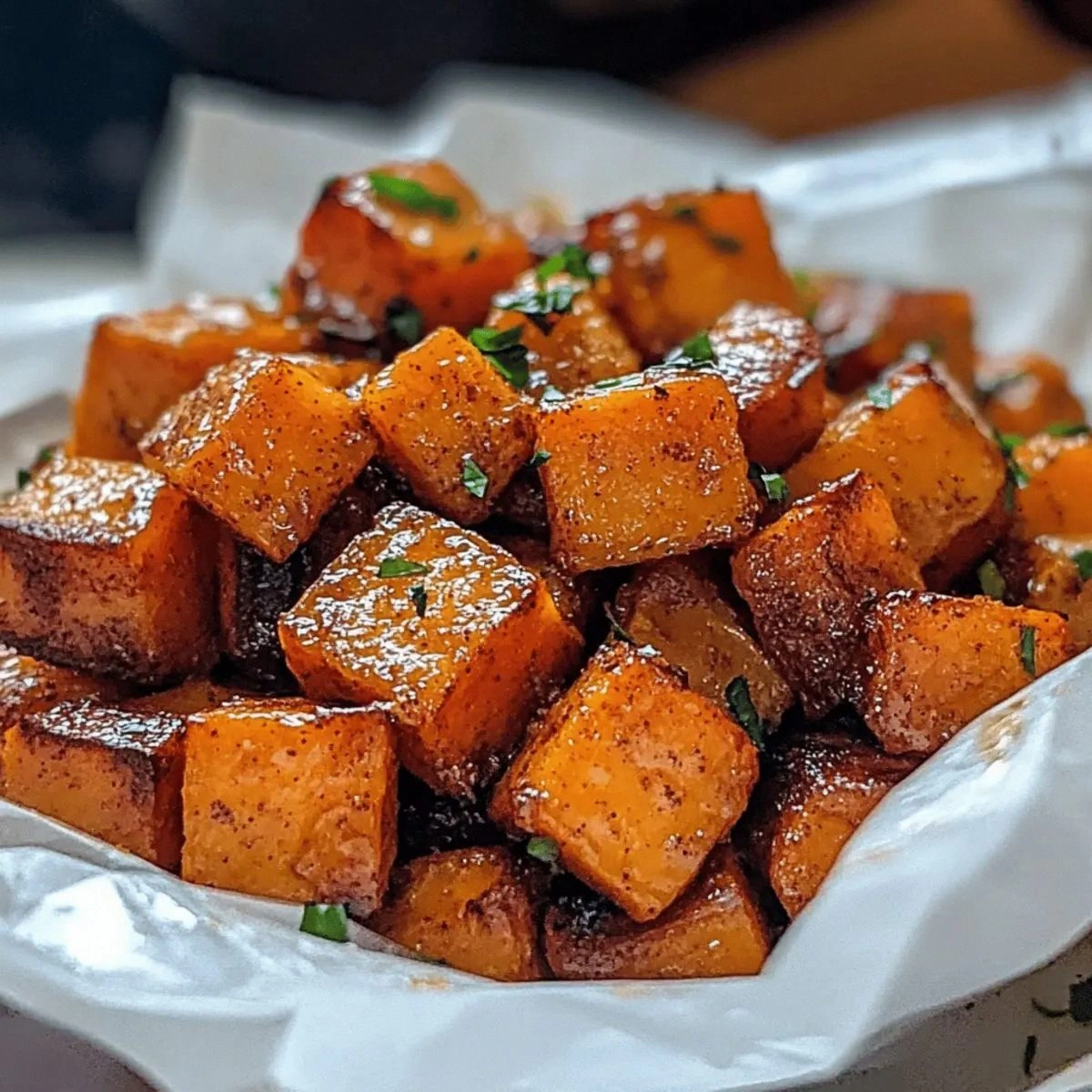
The Method — Step by Step
- Preheat your oven to 425°F (220°C) and place the rack in the center. Slide a sheet pan in while it heats—starting with a hot tray is like giving the potatoes a head start in a relay race. That sizzle when it hits the pan? Absolute perfection.
- Scrub the sweet potatoes under cold water, but don’t peel them; the skin turns into crackly bacon-like strips. Pat them bone-dry with a kitchen towel—water is the enemy of caramelization and will steam your cubes into sad, limp marshmallows.
- Cut each potato lengthwise into ¾-inch planks, then crosswise into ¾-inch cubes. Uniform size means they roast at the same rate, so you’re not biting into half-raw, half-mush roulette. Toss any wonky end pieces onto the tray too; they’ll become chef’s snacks later.
- In a big bowl, combine the cubes with olive oil and salt. Use your hands—yes, it’s messy—and massage until every surface gleams like it’s been to a spa. The bowl step prevents honey from hitting the pan too early and burning into carbon bitterness.
- Carefully remove the screaming-hot sheet pan (oven mitts, please) and scatter the potatoes in a single layer. Hear that hiss? That’s the sound of future crunch. Leave breathing room; crowded veg sweat, not sear. If they look like commuters on a subway car, grab a second pan.
- Roast for 20 minutes. Halfway through, flip with a thin metal spatula, scraping up any golden crusty bits that have welded themselves to the metal. These shards are concentrated umami and will make you look like a culinary wizard.
- While they roast, stir together honey and cinnamon in a ramekin. The aroma will make you want to dab it behind your ears like perfume—resist. This is the glaze that will lacquer the cubes into candied jewels.
- After 20 minutes, the potatoes should be tender when poked with a fork but not yet browned. Drizzle the honey mixture evenly, then toss quickly to coat. Work fast; the pan is hot and you want the honey to hit hot flesh so it soaks in before it burns.
- Return to the oven for another 5–7 minutes, then switch to broil for 2–3 minutes. Watch like a hawk through the oven window—honey goes from mahogany to acrid in under 60 seconds. When the edges blister and the glaze bubbles like syrup on a pancake, yank them out.
- Let them rest 5 minutes on the pan. This is the hardest part: waiting while the glaze sets into a glossy shell. Transfer to a serving platter, scraping every last sticky bit with your spatula. Garnish is optional; devouring is mandatory.
That's it—you did it. But hold on, I've got a few more tricks that'll take this to another level...
Insider Tricks for Flawless Results
The Temperature Rule Nobody Follows
Most recipes say “425°F” and leave you to gamble with your specific oven’s mood swings. Invest in an oven thermometer; mine runs 25°F cool, so I set 450°F to hit true 425. A friend tried skipping this step once—let’s just say it didn’t end well, and her smoke alarm now sings opera every time she bakes.
Why Your Nose Knows Best
Don’t trust timers alone; trust aroma. When the honey hits, the kitchen will fill with a toasty, almost popcorn-like perfume. That’s your cue to hover. If you smell caramel bordering on burnt, you’ve got 30 seconds to rescue them.
The 5-Minute Rest That Changes Everything
Hot honey is liquid. Cool honey is tacky. Letting the potatoes rest on the pan allows the glaze to set into a snappy shell. Transfer too early and it’ll smear like toddler finger-paint. Use the downtime to pour yourself something cozy—cider, wine, or just more honey straight from the spoon. No judgment.
Creative Twists and Variations
This recipe is a playground. Here are some of my favorite ways to switch things up:
Maple-Bourbon Campfire
Sub maple syrup for honey and add a teaspoon of bourbon. The alcohol cooks off, leaving smoky vanilla notes that make grown adults close their eyes and sigh.
Orange-Zest Sunshine
Whisk a scrap of orange zest into the glaze. The citrus oils perfume the potatoes, turning each bite into a sunrise.
Savory-Sweet Herbs
Skip cinnamon and honey, toss with rosemary, garlic, and smoked paprika, then finish with a drizzle of honey post-roast. The herb-sweet-savory triangle is addictively complex.
Spicy-Sweet Heatseeker
Add a pinch of chipotle powder to the cinnamon. The gentle burn sneaks up like a plot twist in a thriller novel.
Coconut-Lime Tropics
Replace olive oil with melted coconut oil and finish with a squeeze of lime. Suddenly you’re on a beach at sunset, not your rental kitchen.
Breakfast Sundae
Chill leftovers, then layer with Greek yogurt and granola. Breakfast that tastes like dessert but still counts as vegetables—adulting level unlocked.
Storing and Bringing It Back to Life
Fridge Storage
Pack cooled potatoes in an airtight container with parchment between layers; they’ll keep 4 days without turning into a sad, syrupy brick. Store them on the top shelf where temps are most stable—door shelves are climate drama queens.
Freezer Friendly
Spread cooled cubes on a tray, freeze until solid, then bag. They’ll survive 2 months without freezer burn. Reheat directly from frozen on a sheet pan at 400°F for 12 minutes—no microwave mush allowed.
Best Reheating Method
Add a tiny splash of water to the pan and cover with foil for the first 5 minutes; it steams back to custardy perfection, then uncover to crisp. Microwaves turn them rubbery—avoid unless you enjoy chewing on honeyed pencil erasers.