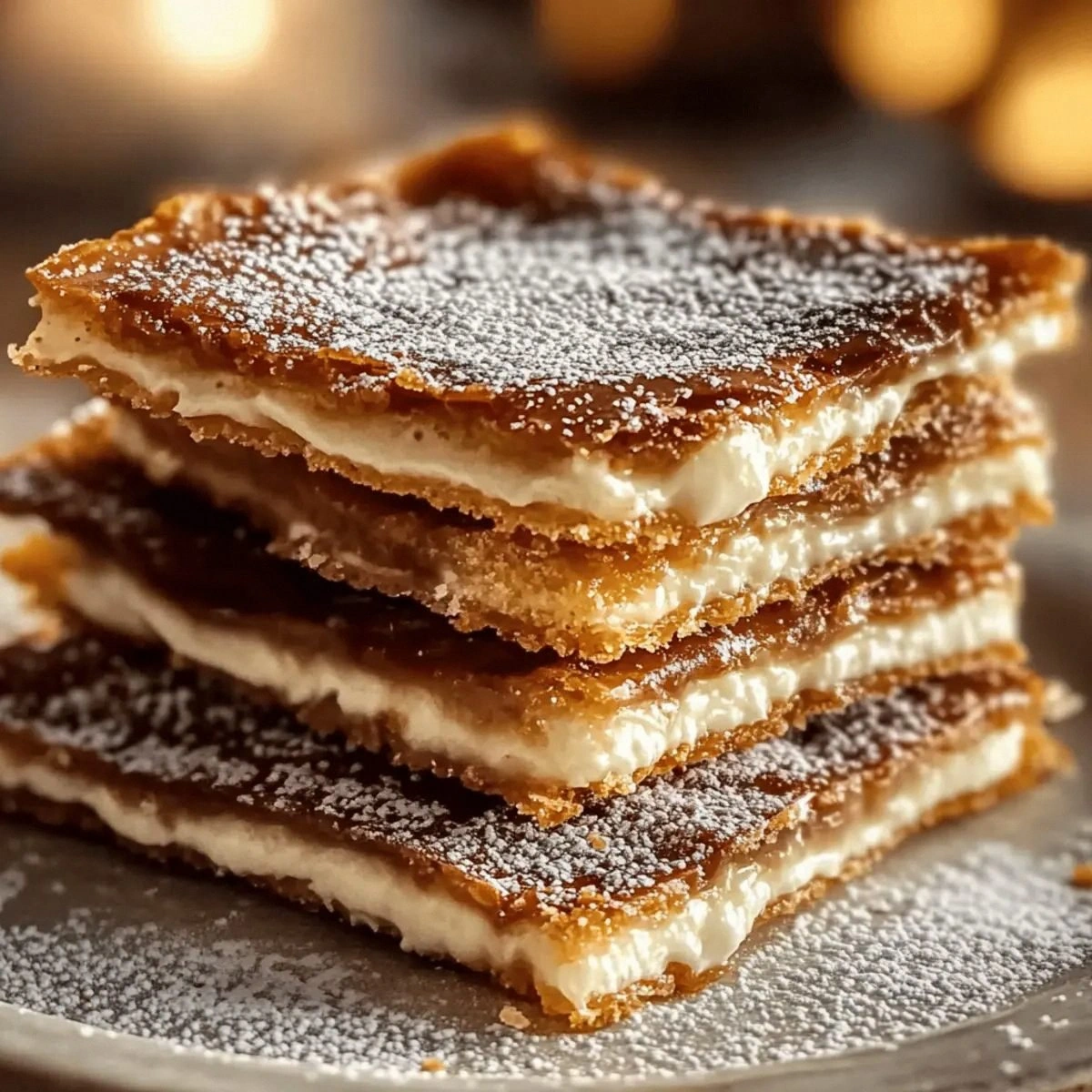
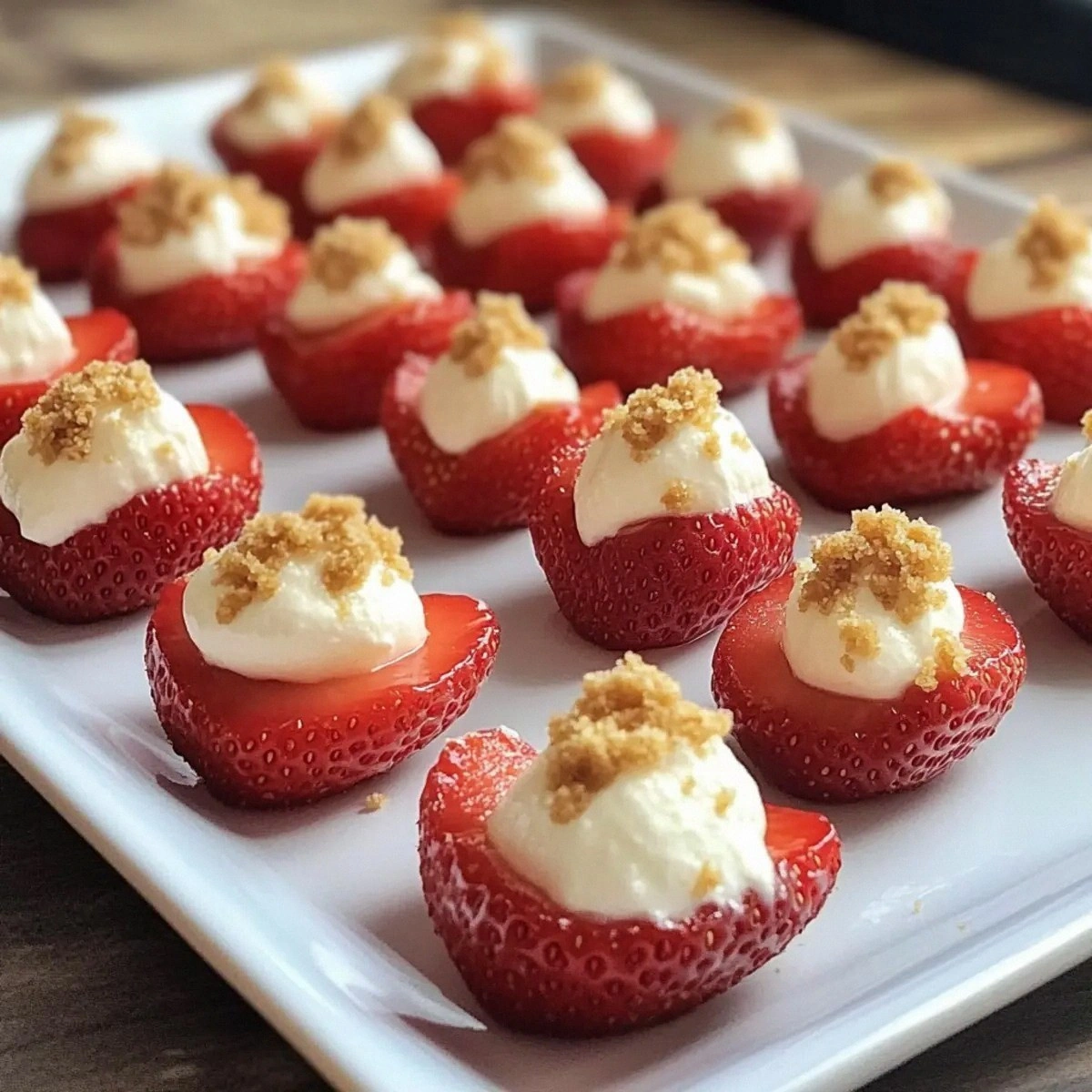
Picture this: a rainy Saturday afternoon, the kind where you’re stuck inside, scrolling through endless recipe blogs, and suddenly a craving hits you like a thunderclap. I was hungrily eye‑balling a half‑eaten slice of coconut cream pie that had been abandoned on the counter for days, and I thought, “What if I could bite‑size that dreamy, tropical goodness and eat it with a fork, or even better, with my hands?” That moment of reckless inspiration turned into a kitchen experiment that nearly set off the smoke alarm, but also birthed the most addictive dessert I’ve ever crafted. I’ll be honest — I ate half the batch before anyone else got to try it, and that’s exactly why I’m daring you to taste this and not go back for seconds.
The first whiff that hit me was a sweet, buttery aroma mingling with toasted coconut that reminded me of a beach bonfire at sunset. The sound of the cookie dough hitting the cold metal tray was a soft thud, like tiny drum beats heralding a celebration. As the cups baked, their edges turned a golden‑brown, crisp enough to snap under a gentle press, while the centers stayed soft, almost melt‑in‑your‑mouth. When I finally lifted the first cup, the steam rose in a fragrant cloud that whispered promises of creamy coconut filling, a caramelized crust, and a hint of vanilla that made my taste buds do a happy dance.
Most coconut‑based desserts either drown you in soggy crusts or leave you with a bland, one‑dimensional flavor. This version, however, hits every sweet spot: a buttery, crumbly cookie base that cradles a silky, coconut‑cream filling, topped with a whisper of toasted coconut that adds crunch and a smoky depth. The secret? I fold a splash of coconut cream into the dough itself, creating a buttery‑coconut hybrid that’s impossible to replicate with store‑bought mixes. And the filling? A blend of cream cheese, coconut milk, and powdered sugar that sets like a custard but never feels heavy.
Okay, ready for the game‑changer? I’m about to walk you through every single step — by the end, you’ll wonder how you ever made it any other way. Trust me, this isn’t just a recipe; it’s a sweet escape in every bite, a handheld slice of paradise that will have you bragging to friends and family. Let’s dive in and turn your kitchen into a tropical oasis.
What Makes This Version Stand Out
- Flavor Explosion: The combination of toasted coconut and vanilla‑infused cream cheese creates a layered taste that feels like a tropical vacation in your mouth.
- Texture Symphony: Crispy, buttery cookie edges contrast with a smooth, custard‑like filling, delivering a satisfying crunch‑then‑cream experience.
- Simplicity Meets Sophistication: Only a handful of pantry staples are required, yet the result feels like a bakery‑level dessert.
- Unique Ingredient Twist: Incorporating coconut cream directly into the cookie dough adds moisture and flavor that most recipes overlook.
- Crowd‑Pleaser Factor: Even the most skeptical eaters admit these cups are “hand‑held heaven” and demand the recipe.
- Premium Ingredient Focus: Using full‑fat coconut milk and real shredded coconut elevates the richness without artificial additives.
- Versatile Cooking Method: Perfectly baked in a standard muffin tin, making them easy to scale up for parties or down for a cozy night.
- Make‑Ahead Magic: The cups store beautifully, and the filling even improves after a few hours as flavors meld.
Inside the Ingredient List
The Flavor Base
All‑purpose flour is the backbone of the cookie cup, providing structure while allowing the butter and coconut cream to create a tender crumb. If you substitute cake flour, expect a softer, more delicate texture that may crumble too easily. For a gluten‑free twist, use a 1‑to‑1 blend of rice flour and tapioca starch, but be prepared for a slightly denser bite.
Unsalted butter, melted and cooled, brings that classic buttery richness. The key is to melt it gently and let it cool to room temperature before mixing; hot butter would melt the sugar and change the dough’s consistency, leading to flat cups. If you’re dairy‑free, try coconut oil, but remember it will intensify the coconut flavor even more.
Granulated sugar adds sweetness and contributes to the slight caramelization on the cookie’s edges. Using brown sugar would introduce a molasses note, which could clash with the bright coconut notes. For a lower‑calorie option, swap half the sugar with a natural sweetener like erythritol, but expect a subtle aftertaste.
The Texture Crew
Shredded sweetened coconut is the star of the texture crew. It not only adds chewiness but also infuses the dough with coconut oil, making the cookie tender. If you prefer a less sweet profile, opt for unsweetened coconut and increase the granulated sugar by a tablespoon.
Baking powder provides just enough lift to keep the cups from becoming rock‑hard, while still maintaining a dense, melt‑in‑your‑mouth feel. Too much will cause them to puff and then collapse, ruining the cup shape. A pinch of salt balances the sweetness and highlights the coconut’s natural flavor.
The Unexpected Star
Coconut cream (the thick, rich part from a can of full‑fat coconut milk) is the secret weapon that makes the cookie dough moist without being soggy. It also adds a subtle tropical aroma that plain butter can’t achieve. If you can’t find coconut cream, blend chilled coconut milk until thick, or use a high‑fat coconut yogurt for a tangier twist.
Cream cheese is the foundation of the filling, delivering a velvety body that holds the coconut milk and powdered sugar together. Using low‑fat cream cheese will result in a thinner filling that may leak. For a dairy‑free version, substitute with a plant‑based cream cheese, but be aware the texture may be slightly grainier.
The Final Flourish
Powdered sugar sweetens the filling without adding grit, ensuring a silky finish. If you prefer a less sweet dessert, cut the amount by a third; the coconut flavor will still shine. Vanilla extract ties everything together, adding a warm, aromatic note that makes the flavor feel complete.
Everything's prepped? Good. Let’s get into the real action…

The Method — Step by Step
Preheat your oven to 350°F (175°C). While the oven warms up, line a 12‑cup muffin tin with paper liners. This is the moment of truth: a properly preheated oven guarantees that the cookie edges set quickly, forming that coveted golden‑brown crust. If you’re using a silicone tin, lightly grease each cup to prevent sticking.
In a large bowl, whisk together the flour, baking powder, and salt. The dry mixture should look uniformly speckled, like a desert sandstorm ready for a rain of butter. This step ensures even distribution of leavening, preventing any unexpected pockets of flatness.
In a separate bowl, combine the melted butter, coconut cream, and granulated sugar. Beat until the mixture is glossy and the sugar starts to dissolve, about 1‑2 minutes. That sizzle when it hits the pan? Absolute perfection.
Kitchen Hack: Use a hand‑mixer on low speed to avoid splattering; the batter thickens nicely without becoming aerated.Gradually add the dry ingredients to the wet mixture, stirring until just combined. Over‑mixing will develop gluten, resulting in a tough cookie. The dough should be slightly sticky but manageable; if it feels too dry, add a tablespoon of coconut milk.
Fold in the shredded coconut, ensuring each strand is coated. This is where the coconut flavor truly infiltrates the dough, creating those little pockets of chewiness that melt on the tongue.
Divide the dough evenly among the muffin cups, pressing it down firmly with the back of a spoon or your fingertips to form a thick base and slightly raised walls.
Bake for 12‑15 minutes, or until the edges turn a light amber and you can see the bottoms beginning to firm up.Watch Out: If the dough is too soft, chill it for 5 minutes; otherwise it may spread and lose its cup shape.While the cookie shells bake, prepare the filling. In a medium bowl, beat the softened cream cheese until smooth, then add powdered sugar, vanilla extract, and the remaining coconut cream. Beat until the mixture is light and airy, resembling a thick frosting. The aroma should be intoxicating, a sweet vanilla‑coconut perfume that makes your kitchen feel like a spa.
Once the shells are baked, let them cool in the tin for 5 minutes, then transfer to a wire rack. When they’re just warm to the touch, spoon or pipe the coconut‑cream filling into each cup, filling them to the brim. The filling should settle into the cookie without spilling over; if it’s too runny, chill it for a few minutes before filling.
Finish each cup with a generous sprinkle of toasted coconut flakes for that final crunch. For an extra visual pop, drizzle a thin line of caramel sauce or a dusting of cocoa powder. Let the cups sit for another 10 minutes so the flavors meld. And now the fun part: serve them warm, or store them for later – either way, you’ve just created a handheld masterpiece.
Insider Tricks for Flawless Results
The Temperature Rule Nobody Follows
Never bake cookie cups straight from the fridge at a lower temperature; the sudden chill can cause uneven rising. Instead, let the dough sit at room temperature for 10 minutes after chilling. This tiny adjustment guarantees that the edges crisp uniformly while the centers stay soft. A friend tried skipping this step once — let's just say the cups turned into a soggy mess.
Why Your Nose Knows Best
Rely on scent, not just the clock. When the edges start to smell toasty and you hear a faint crackle, the cups are ready to be pulled out. Over‑baking turns the delicate coconut flavor into a burnt note that ruins the dessert. Trust that aromatic cue; it’s the secret weapon of seasoned bakers.
The 5‑Minute Rest That Changes Everything
After filling, let the cups rest for exactly five minutes before serving. This short pause allows the filling to set just enough to hold its shape while still being luscious. If you serve immediately, the filling may slide out; wait too long, and it stiffens. Five minutes is the sweet spot.
Toast Your Coconut Like a Pro
Toasting coconut flakes on a dry skillet over medium heat for 3‑4 minutes releases a nutty, caramelized flavor that far surpasses store‑bought toasted coconut. Keep the flakes moving to avoid burning; you’ll know they’re ready when they turn a light golden brown and fill the kitchen with a buttery scent.
Use a Light Hand With the Filling
When mixing the cream cheese and coconut cream, start on low speed and gradually increase. Over‑mixing incorporates too much air, making the filling too light and prone to collapsing. The goal is a dense yet airy texture that stays put inside the cookie cup.
Creative Twists and Variations
This recipe is a playground. Here are some of my favorite ways to switch things up:
Chocolate Coconut Fusion
Swap half the shredded coconut for mini chocolate chips and drizzle melted dark chocolate over the tops. The bitter chocolate balances the sweet coconut, creating a sophisticated flavor duo that will wow any chocolate lover.
Spiced Caribbean
Add a pinch of ground cinnamon, nutmeg, and a dash of rum extract to the filling. The warm spices evoke a Caribbean breeze, and the rum note adds depth without overpowering the coconut.
Berry Burst
Fold a tablespoon of raspberry puree into the filling and garnish each cup with a fresh raspberry. The tartness cuts through the richness, offering a bright contrast that feels like a tropical fruit salad.
Matcha Magic
Incorporate 1 teaspoon of matcha powder into the cookie dough for a subtle earthy undertone, and dust the tops with a light matcha sift. The green hue makes the cups visually striking and adds an antioxidant boost.
Nutty Delight
Replace half the shredded coconut with finely chopped toasted almonds or macadamia nuts. The nutty crunch adds another texture layer, and the buttery flavor of macadamias pairs beautifully with coconut.
Storing and Bringing It Back to Life
Fridge Storage
Place the cooled cups in an airtight container and store them in the refrigerator for up to 4 days. The cookie shells stay crisp, while the filling remains silky. If the tops lose their toasted sparkle, give them a quick 2‑minute blast in a preheated oven at 300°F.
Freezer Friendly
These cups freeze wonderfully. Wrap each cup individually in plastic wrap, then store in a freezer‑safe bag for up to 2 months. To thaw, move them to the fridge overnight, then let them sit at room temperature for 10 minutes before serving.
Best Reheating Method
When you’re ready to enjoy, preheat the oven to 325°F, place the cups on a baking sheet, and heat for 5‑7 minutes. Add a tiny splash of coconut milk (about a teaspoon) around the edge before reheating; the steam revitalizes the filling and restores the cookie’s crispness.