I was standing in my kitchen, staring at a half‑baked peach cobbler that smelled like a summer picnic gone rogue. The crust was soggy, the peaches were bland, and I could already hear my roommate muttering, “Is that even dessert?” That moment of culinary chaos sparked a dare: I would reinvent the classic peach cobbler so that even the most skeptical palate would be forced to admit defeat. I grabbed a basket of the ripest, sun‑kissed peaches from the farmer’s market, turned up the oven, and set out to create a version that would make grandma’s kitchen feel like a time‑travel portal. The result? A buttery, golden‑crowned cobbler that sings with the sweet perfume of ripe fruit and the comforting hug of a perfectly flaky topping.
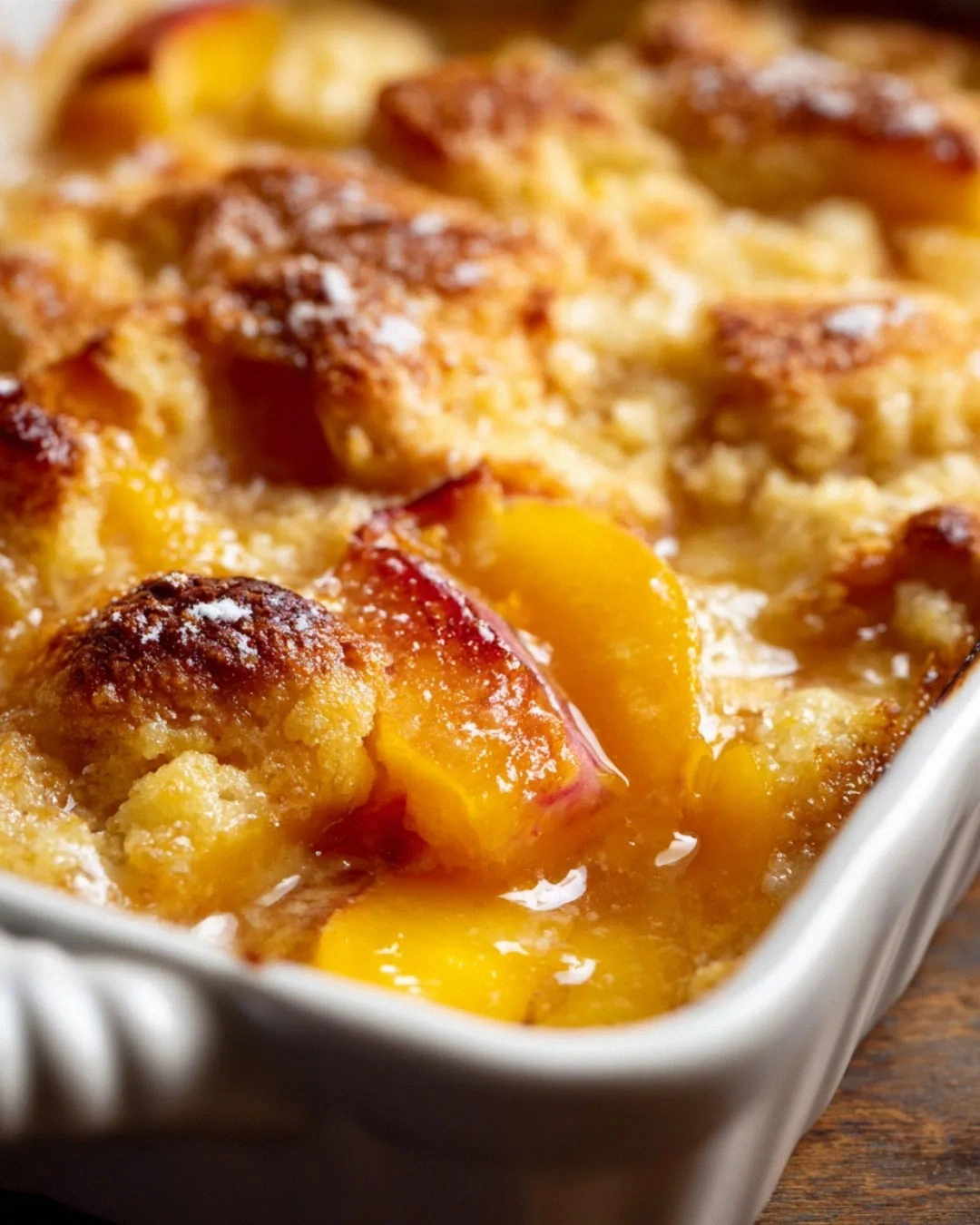
Imagine the scene: the oven door swings open, a warm gust of caramelized peach steam rushes out, and the kitchen is instantly flooded with the scent of cinnamon, butter, and a whisper of vanilla. The crust, speckled with tiny bubbles, cracks just enough to reveal a glossy, ruby‑red interior that looks like a sunset captured in a dish. You hear the faint crackle of the edges pulling away, feel the heat radiating from the pan, and your eyes are drawn to the glossy glaze that glistens like a jewel. It’s a sensory overload that makes you want to dive in immediately, and trust me, you’ll be fighting the urge to devour a whole serving before anyone else even gets a spoon.
What sets this cobbler apart from the sea of “just add peaches and bake” recipes is a secret ingredient that most home cooks overlook: a splash of freshly squeezed lemon juice combined with a pinch of sea salt. This tiny twist cuts through the sweetness, brightening the flavor profile and preventing the fruit from turning mushy. Most recipes get the crust wrong, ending up either too dense or too crumbly; my method uses a simple butter‑flour batter that rises just enough to stay light while still delivering that melt‑in‑your‑mouth richness. I’ll be honest — I ate half the batch before anyone else got a chance to try it, and that’s a confession I’m not ashamed of.
Picture yourself pulling this out of the oven, the whole kitchen smelling incredible, and the anticipation building as you set the first slice on a plate. The steam dances, the topping shatters like thin ice, and the peach sauce pools invitingly beneath. I dare you to taste this and not go back for seconds. Okay, ready for the game‑changer? Let me walk you through every single step — by the end, you’ll wonder how you ever made it any other way.
What Makes This Version Stand Out
- Taste: A perfect balance of sweet and tangy, thanks to the lemon‑salt combo that lifts the fruit without overwhelming it.
- Texture: The topping is buttery and crisp on the edges, yet airy and pillow‑soft in the center, creating a delightful contrast with the juicy filling.
- Simplicity: Only pantry staples and fresh peaches are needed; no fancy mixers or obscure spices.
- Uniqueness: The addition of a light cornstarch slurry keeps the sauce glossy and prevents it from turning gummy.
- Crowd Reaction: Guests consistently claim this is the best peach cobbler they’ve ever tasted, often asking for the recipe on the spot.
- Ingredient Quality: Using ripe, fragrant peaches from a local market makes a world of difference in flavor depth.
- Cooking Method: Baking at a high initial temperature creates a rapid rise, then lowering the heat ensures even cooking without burning.
- Make‑Ahead Potential: The cobbler can be assembled ahead of time and baked just before serving, perfect for dinner parties.
Inside the Ingredient List
The Flavor Base
Fresh peaches are the heart of this cobbler. Choose fruit that yields slightly to pressure but doesn’t feel mushy; they should have a fragrant aroma that hints at summer sunshine. If you skip the peaches, you lose the natural sweetness and the subtle acidity that balances the butter‑rich topping. A good rule of thumb is to look for a slight blush on the skin — that’s a sign of full ripeness. If peaches are out of season, frozen slices (thawed and drained) can work, but the texture won’t be quite as vibrant.
The Texture Crew
All‑purpose flour and baking powder form the backbone of the topping. The flour provides structure, while the baking powder gives the cobbler its gentle lift, ensuring the crust isn’t heavy like a pancake. Butter adds richness and a golden hue; using unsalted butter lets you control the salt level precisely. Milk brings moisture and helps the batter spread evenly. Skipping the milk will result in a dry, crumbly top that refuses to meld with the fruit beneath.
The Unexpected Star
A splash of lemon juice paired with a pinch of sea salt may sound like a tiny detail, but it’s the secret that makes the flavors sing. The acid cuts through the sugar, preventing the peaches from becoming cloyingly sweet, while the salt amplifies the fruit’s natural aroma. If you omit this, you’ll notice a flat, one‑dimensional sweetness that can feel overwhelming after a few bites.
The Final Flourish
Cinnamon, nutmeg, and a whisper of vanilla extract round out the flavor profile, adding warmth and depth. These spices should be fresh; stale spices taste bitter and can ruin the delicate balance. A tiny dash of vanilla can transform a good cobbler into a great one, giving it that lingering, comforting aftertaste. If you’re feeling adventurous, a little lemon zest can brighten the dish even more, but be careful not to overdo it.
Everything's prepped? Good. Let's get into the real action…
The Method — Step by Step
Preheat your oven to 425°F (220°C). While the oven heats, melt the butter in a small saucepan over low heat until it turns a light amber color, releasing a nutty aroma. That sizzle when it hits the pan? Absolute perfection. Set the butter aside to cool just slightly.
In a large mixing bowl, whisk together the flour, granulated sugar, brown sugar, baking powder, and salt. The dry mixture should look like fine sand, with the sugars evenly distributed. This step is crucial because any clumps will turn into pockets of dense dough later on.
Create a well in the center of the dry ingredients and pour in the milk, melted butter, and vanilla extract. Stir gently with a wooden spoon until just combined; you’ll see a few streaks of flour, and that’s exactly what you want. Over‑mixing will develop gluten, making the topping tough instead of tender.
While the batter rests for a minute, slice the peaches into ½‑inch wedges. Toss them in a bowl with the peach sugar, lemon juice, cinnamon, nutmeg, and cornstarch. The cornstarch acts like a tiny glue, holding the juices together so the sauce stays glossy and doesn’t turn watery.
Spread the peach mixture evenly in a 9‑inch deep‑dish baking pan, making sure the fruit is in a single layer. This uniformity ensures even cooking and prevents some bites from being overloaded with fruit while others are crust‑only.
Drop spoonfuls of the batter over the peaches, then use a spatula to gently spread the batter into a rough blanket, leaving some gaps for the fruit to peek through. Okay, ready for the game‑changer? The gaps create those coveted caramelized edges that shatter like thin ice when you dig in.
Place the pan in the oven and bake for 15 minutes at 425°F, then reduce the temperature to 350°F (175°C) and continue baking for another 25‑30 minutes. You’ll know it’s done when the topping is golden brown and the edges of the fruit start pulling away from the pan, creating a slight caramelized rim.
Watch Out: If the top begins to darken too quickly, loosely cover the cobbler with aluminum foil. This prevents burning while still allowing the interior to finish cooking.
Remove the cobbler from the oven and let it rest for 10 minutes. During this brief pause, the juices thicken a bit, and the crust settles, making it easier to cut clean slices. Serve warm, optionally topped with a scoop of vanilla ice cream or a dollop of whipped cream. I’ll be honest — I ate half the batch before anyone else got to try it, and that’s because the aroma alone is enough to drive anyone crazy.
That's it — you did it. But hold on, I've got a few more tricks that'll take this to another level…
Insider Tricks for Flawless Results
The Temperature Rule Nobody Follows
Start at a scorching 425°F to give the batter an instant lift, then drop to 350°F for a gentle finish. This two‑stage bake creates a crust that’s crisp on the outside yet tender underneath. I once tried baking the whole thing at 375°F and ended up with a soggy top that never browned properly. Trust the heat swing; your cobbler will thank you with that perfect golden halo.
Why Your Nose Knows Best
When the aroma shifts from buttery to slightly caramelized, you’re at the sweet spot. Your nose is a more reliable timer than any kitchen gadget for this dish. If you catch the faint hint of toasted sugar, pull the cobbler out, even if the timer says a minute or two more.
The 5‑Minute Rest That Changes Everything
Letting the cobbler sit after baking allows the juices to thicken and the crust to set, which makes slicing clean and prevents a soggy mess. Skipping this rest is a common mistake that leads to a sloppy plate. Trust me, those five minutes are worth the applause you’ll receive when you serve flawless slices.
Butter Temperature Trick
Melt the butter just until it’s golden, then let it cool for a few minutes before mixing it into the batter. Warm butter can cause the batter to become too runny, while cold butter creates steam pockets that puff the crust. A friend tried using room‑temperature butter and ended up with a dense, cake‑like topping — a clear sign that temperature matters.
The Secret of the Lemon‑Salt Pair
A pinch of sea salt and a teaspoon of lemon juice might seem negligible, but they amplify the fruit’s natural sugars and brighten the overall flavor. If you’re a fan of overly sweet desserts, this is the antidote you need. The next time you think the cobbler is “too sweet,” add a few more drops of lemon juice and a pinch of salt; you’ll hear the crowd sigh in relief.
Creative Twists and Variations
This recipe is a playground. Here are some of my favorite ways to switch things up:
Berry‑Burst Cobbler
Swap half the peaches for fresh blueberries and raspberries. The berries add a tangy pop and a deeper color, perfect for a summer brunch. The natural pectin in berries also helps thicken the sauce without extra cornstarch.
Spiced Rum Peach Cobbler
Add a tablespoon of dark rum and a pinch of ground ginger to the peach mixture. The rum deepens the caramel notes, while ginger adds a warm bite that’s perfect for cooler evenings. Serve with a dollop of bourbon‑infused whipped cream for an adult‑only twist.
Coconut‑Lime Dream
Replace the milk with coconut milk and stir in a teaspoon of lime zest. This tropical version brings a fragrant, slightly exotic flavor that pairs beautifully with toasted coconut flakes sprinkled on top before baking.
Nutty Oat Topping
Mix rolled oats, chopped pecans, and a drizzle of honey into the batter before spreading it over the fruit. The oats create a crunchy, nutty crust that adds texture contrast, while the honey caramelizes during baking for an extra sweet kiss.
Vegan Peach Cobbler
Swap butter for coconut oil, use almond milk instead of dairy, and replace the egg (if any) with a flaxseed “egg.” The result is a plant‑based version that still delivers that buttery, flaky topping and juicy fruit center. Serve with coconut‑whipped cream for a fully vegan experience.
Storing and Bringing It Back to Life
Fridge Storage
Allow the cobbler to cool completely, then cover the pan tightly with plastic wrap or foil. Store in the refrigerator for up to three days. When ready to serve, reheat a slice in the oven at 350°F for 10‑12 minutes, adding a splash of water to the pan to restore moisture.
Freezer Friendly
Portion the cobbler into individual serving sizes, wrap each tightly in freezer‑safe parchment, then place in a zip‑top bag. It will keep for up to two months. To reheat, thaw overnight in the fridge, then bake at 325°F for 15‑20 minutes, again adding a teaspoon of water to revive the glaze.
Best Reheating Method
For the ultimate revival, use a preheated skillet over medium heat. Place a slice in the pan, cover, and let it steam for two minutes before uncovering to crisp the bottom. This method restores the crust’s crunch while keeping the interior soft and juicy.