I still remember the Tuesday night I set my kitchen on fire—not literally, but close enough—because I swore I could multitask pan-seared sausage, roasted sweet potatoes, and a honey-garlic glaze while answering work emails. Twenty minutes later the smoke alarm was yodelling, the sausage looked like charcoal briquettes, and the glaze had congealed into something that could grout tile. I ordered takeout, sat on the floor, and vowed to create a single-pan, no-fuss version that would taste like I’d spent hours and not leave me scrubbing until midnight. This sheet-pan supper is the delicious offspring of that meltdown: juicy sausage coins, burnished sweet-potato cubes, and a glossy honey-garlic sauce that lacquers everything like liquid gold. Picture yourself pulling the pan from the oven—your kitchen smells like a street-market stall in late autumn, the sauce bubbles like lava, and the potatoes have those caramelised edges that shatter under your fork like thin ice on a puddle. I’m talking sweet-savoury harmony, sticky fingers, and the kind of meal that makes you close your eyes involuntarily on the first bite. I’ll be honest—I ate half the batch straight off the pan before anyone else got wind of it, standing there in my slippers, burning my tongue and not caring one bit. If you’ve ever struggled with weeknight dinners that promise flavour but deliver beige sadness, you’re not alone—and I’ve got the fix. Stay with me here—this is worth it.
Most recipes get this completely wrong. They tell you to toss everything together, crank the oven to inferno, and pray. What you end up with is either flabby sausage, scorched potatoes, or a sauce that tastes like you forgot half the ingredients. Here’s what actually works: staggered timing, a two-temperature roast, and a finishing glaze that you whip up while the pan rests. Okay, ready for the game-changer? We’re going to par-roast the potatoes so they develop those lace-crisp edges, then add the sausage at the perfect moment so it browns rather than steams, and finally hit everything with a hot honey-garlic vortex that thickens in seconds on the blazing sheet. Future-you is already pulling this from the oven, the whole kitchen smelling like a French bistro collided with a Southern barbecue joint, and you’re the hero who only dirtied one pan.
This next part? Pure magic. We’re using the rendered sausage fat to gloss the potatoes, the honey to amplify the sweet-potato sweetness, and a whisper of soy to deepen the umami so far down you’ll wonder why every sweet potato doesn’t taste this complex. I dare you to taste this and not go back for seconds; I’ve seen self-proclaimed Brussels-sprouts loyalists convert in real time. And the clean-up is so minimal you’ll swear you cheated—hot water, one sponge, thirty seconds, done. Let me walk you through every single step—by the end, you’ll wonder how you ever made it any other way.
What Makes This Version Stand Out
- Crispy-Edge Guarantee: Par-roasting the sweet potatoes before the sausage joins the party means maximum surface-area contact and those coveted crunchy corners that taste like potato candy.
- Double-Decker Glaze: We brush half the sauce on midway so it bakes in, then drizzle the rest right before serving for a high-gloss finish that sticks to every ridge like enamel.
- Sausage Insurance Policy: Starting the links cold from the fridge prevents them from bursting and dries the exterior just enough to achieve a snap worthy of a beer-hall bratwurst.
- One-Pan, Zero-Stress: Everything happens on a single rimmed sheet—no bowls, no colanders, no frantic stovetop babysitting—so you can sip that glass of wine you uncorked for the sauce.
- Meal-Prep Royalty: The flavours actually deepen overnight, making leftovers the holy grail of desk-lunch envy; just reheat and bask in the compliments.
- Kid-Approved Sweet Spot: The honey-garlic profile hits the nostalgic sweet-savoury note that convinces picky eaters they love sweet potatoes—even if they swear they don’t.
Alright, let’s break down exactly what goes into this masterpiece...
Inside the Ingredient List
The Flavor Base
Italian pork sausage—either hot or mild, but never the ultra-lean stuff—brings the fat we need to bathe the potatoes in flavour. The fennel seeds inside mimic the taste of street-cart sausage sandwiches, while the pepper flakes (if you go hot) give the sweet glaze something to push against. Turkey or chicken sausage works if you must, but add a tablespoon of olive oil so the tubers still get that glossy coat. Skip sausage entirely and you’ve got a killer vegetarian side, though you’ll lose the built-in seasoning that makes the dish so effortless.
The Texture Crew
Orange-fleshed sweet potatoes roast up creamier than their pale cousins, and they caramelise faster thanks to higher natural sugars. Cube them into ¾-inch pieces—any smaller and they turn to mush when you toss; larger and they won’t cook through by the time the sausage is done. Leave the skin on for a rustic chew and extra fibre; peel if you’re feeding toddlers who inspect every speck. And don’t even think about swapping in regular potatoes without adjusting the timing—they’re starchier and need longer, defeating our whole speedy mission.
The Unexpected Star
Honey does double duty here: its hygroscopic nature pulls moisture from the surface of the veg, concentrating flavour, while the fructose browns at a lower temperature than table sugar, giving us colour without bitterness. Use a dark wildflower or buckwheat honey if you can; the deeper notes flirt with molasses and make the garlic pop. Maple syrup is a respectable understudy, but you’ll lose that sticky viscosity that clings to the sausage like shiny armour. And now the fun part—grated fresh ginger. Just a whisper amplifies the honey’s zing and makes guests ask, “What’s that back-note?” even if they can’t place it.
The Final Flourish
Finishing with rice vinegar lifts the whole profile so it doesn’t feel like you’re eating dessert for dinner. Sesame oil—only a few drops—adds nutty perfume without stealing the scene. And here’s the kicker: a shower of thinly sliced scallions right out of the oven; the residual heat wilts them just enough to turn vivid green and release oniony freshness. Skip this last step and the dish still tastes great, but you’ll miss the restaurant-quality snap that makes everyone think you trained in secret.
Everything’s prepped? Good. Let’s get into the real action...
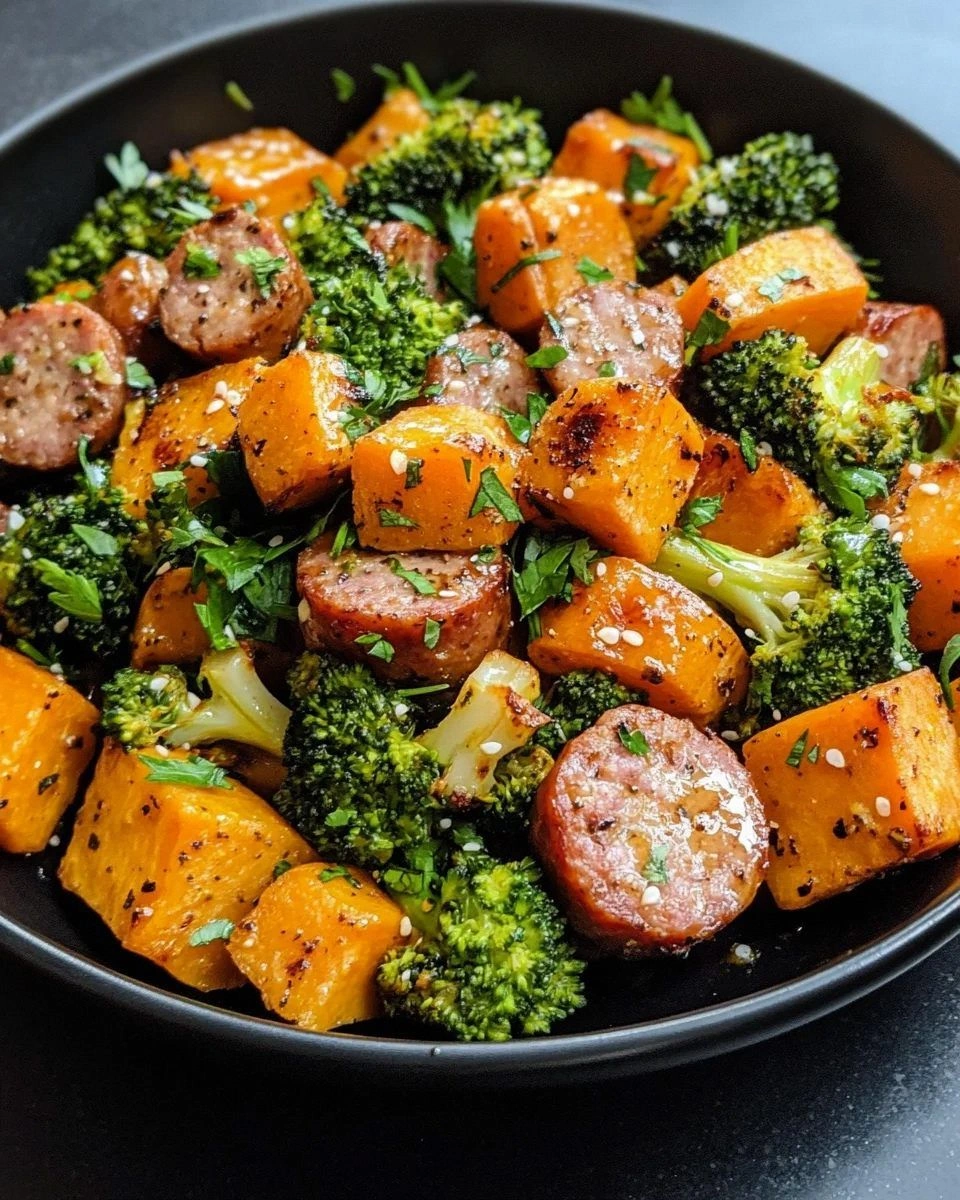
The Method — Step by Step
- Crank your oven to 425 °F (220 °C) and place the rack in the lower-middle position so the bottoms of the potatoes get aggressive heat without scorching the glaze. While it preheats, line a rimmed half-sheet with parchment, letting the paper overhang on two sides like edible gift-wrap; those tails become handles later for easy transfer to plates. In a small jar, shake together honey, soy sauce, rice vinegar, minced garlic, grated ginger, and a pinch of red-pepper flakes—this sauce will separate while it waits, so give it another angry shake right before using. The smell should smack you with sweet-salty-garlic perfume; if it doesn’t, add another clove of garlic because life’s too short for bland.
- Scatter the sweet-potato cubes on the parchment, drizzle with one tablespoon of neutral oil, and shower with salt and pepper. Use your hands—yes, your clean hands—to tumble everything until each cube is glistening like it just left a spa. Spread them out so no pieces are touching; overcrowding is the fastest route to steamed sadness. Slide the pan into the oven and set a timer for 15 minutes—this is the par-roast that builds our crispy foundation.
- While the potatoes get their tan, slice the sausage on the bias into ½-inch medallions—angling the knife increases surface area, which equals more caramelised crust. Keep the sausage cold; warm links squish under the blade and lose their fat prematurely. Toss the coins in a bowl with a teaspoon of oil just to keep them from gluing themselves together on the pan. When the timer dings, you’ll see the potatoes have puckered slightly and taken on a matte blush—perfect.
- Push the sweet potatoes to the perimeter of the pan like you’re creating a fiery potato wreath. Nestle the sausage slices in the open centre, making sure they lie flat; curved pieces won’t brown evenly. Return the pan to the oven for 12 minutes—this is when the sausage fat starts to render, basting the tubers like a self-basting turkey on Thanksgiving morning. Don’t walk away from the stove here; listen for the gentle sizzle that sounds like applause.
- After 12 minutes, grab the pan, close the oven door quickly so you don’t lose heat, and drizzle half of your honey-garlic sauce over everything. The sauce will hiss and slide into every crevice, and the aroma should make you involuntarily say “ohhh” out loud—go ahead, no one’s judging. Flip the sausage slices with tongs so the newly cut sides hit the hot metal and get their own tan. Back into the oven for another 8–10 minutes until the glaze is sticky and the edges of the potatoes look like they’ve been kissed by a campfire.
- Pull the pan out, immediately scatter sliced scallions and a few drops of sesame oil, then let it rest for 5 minutes—this brief pause allows the glaze to set so it doesn’t slide off like a runny nose. Use a thin spatula to lift the potatoes; they should release with minimal resistance thanks to the parchment insurance policy we bought earlier. Plate over steamed rice, polenta, or straight into hungry mouths standing over the counter.
- Final flourish: a tiny squeeze of fresh lime wakes up the honey and makes the whole dish sing in three-part harmony. If you have leftovers, transfer to a shallow container so everything cools quickly and the glaze doesn’t turn into sheet-pan taffy. Congratulations—you just turned a Wednesday into a Saturday night.
That's it—you did it. But hold on, I've got a few more tricks that'll take this to another level...
Insider Tricks for Flawless Results
The Temperature Rule Nobody Follows
Most home cooks yank the pan the second the timer dings, but the residual heat on a 425 °F sheet is fierce enough to overcook the glaze into bitter black lace. Instead, pull when the thickest potato cube offers just a whisper of resistance when pierced—carry-over heat will finish the job while the glaze sets. A friend tried skipping this step once; let’s just say her smoke alarm now doubles as a dinner bell.
Why Your Nose Knows Best
When the honey hits the pan, it will smell like caramel corn—divine—but the moment it shifts to burnt sugar, you’ve crossed the line. Trust the aroma; if your nose tingles with acrid sweetness, yank the pan and move to the stovetop for 30 seconds to cool it down. This olfactory checkpoint has saved more batches than I can count, and yes, I speak from the charred experience of batch number three.
The 5-Minute Rest That Changes Everything
Resting isn’t just for steak. Letting the sheet pan sit on a cooling rack allows the glaze to tighten so it clings rather than puddles. During this time, steam escapes, concentrating flavour and preventing the dreaded watery pool that dilutes your rice. Patience here is the difference between restaurant sheen and cafeteria mush.
Creative Twists and Variations
This recipe is a playground. Here are some of my favourite ways to switch things up:
Spicy Maple-Bourbon Remix
Swap honey for maple syrup, add a shot of bourbon to the sauce, and crank the red-pepper flakes to “visible from space.” The alcohol cooks off, leaving smoky vanilla notes that make grown adults swoon. Finish with chopped pecans for crackly contrast. Great for game-day when you want to feel like you’re tailgating in Vermont.
Mediterranean Sunset
Use hot Italian sausage, replace rice vinegar with red-wine vinegar, and stir a teaspoon of smoked paprika into the glaze. Toss in cherry tomatoes and olives for the last 5 minutes of roasting so the tomatoes blister and the olives warm through. The result tastes like a Greek island sunset captured on a sheet pan.
Breakfast-for-Dinner Flip
Switch to breakfast sausage, add diced apples alongside the sweet potatoes, and finish with a drizzle of whole-grain mustard thinned with maple. Serve over buttery grits and watch your kids think you’re a culinary wizard who bends time zones.
Plant-Powered Party
Sub in soy-based Italian sausage and swap honey for agave. Add a can of drained chickpeas tossed in oil and smoked paprika for extra protein that roasts into crunchy nuggets. Even devout carnivores ask for the recipe, then look sheepish when you tell them it’s vegan.
Low-Carb Luxe
Trade sweet potatoes for cubed butternut squash and half-moons of zucchini; both roast quickly and absorb the glaze like sponges. Use chicken-apple sausage for a lighter profile that still feels indulgent. Perfect for January when everyone’s pretending salads are fun.
Storing and Bringing It Back to Life
Fridge Storage
Cool completely, then pack in shallow glass containers so the glaze doesn’t glue everything into a single brick. It will keep 4 days, though in my house it mysteriously vanishes by day 2. Reheat in a 400 °F oven for 8 minutes; the parchment trick works again—no scrubbing.
Freezer Friendly
Freeze individual portions on a tray first, then transfer to zip bags so the pieces stay separate. Keeps up to 2 months; thaw overnight in the fridge. The texture won’t be quite as snappy, but a quick stint under the broiler resurrects most of the caramelised glory.
Best Reheating Method
Add a tiny splash of water to the container before microwaving; it steams back to perfection. For stove-top revival, toss in a dry non-stick skillet over medium heat, shaking occasionally until edges recrisp. Avoid the sad-sack microwave-only route unless you enjoy rubbery sausage.