I was standing in my kitchen, the clock ticking louder than my stomach, when a friend dared me to create a one‑pan wonder that could outshine any restaurant’s version of chicken and orzo. I stared at the empty skillet, imagined the sizzle of garlic hitting hot oil, and felt that familiar mix of excitement and terror that only a true kitchen experiment can bring. The air was already humming with the promise of caramelized onions and a hint of something sweet, while the pantry whispered its secrets: a bottle of balsamic vinegar that had been aging like fine wine, a handful of fresh basil that still held the scent of summer gardens. I knew I was about to embark on a culinary adventure that would test my patience, my palate, and my ability to keep a straight face when the sauce started to bubble like a mischievous cauldron.
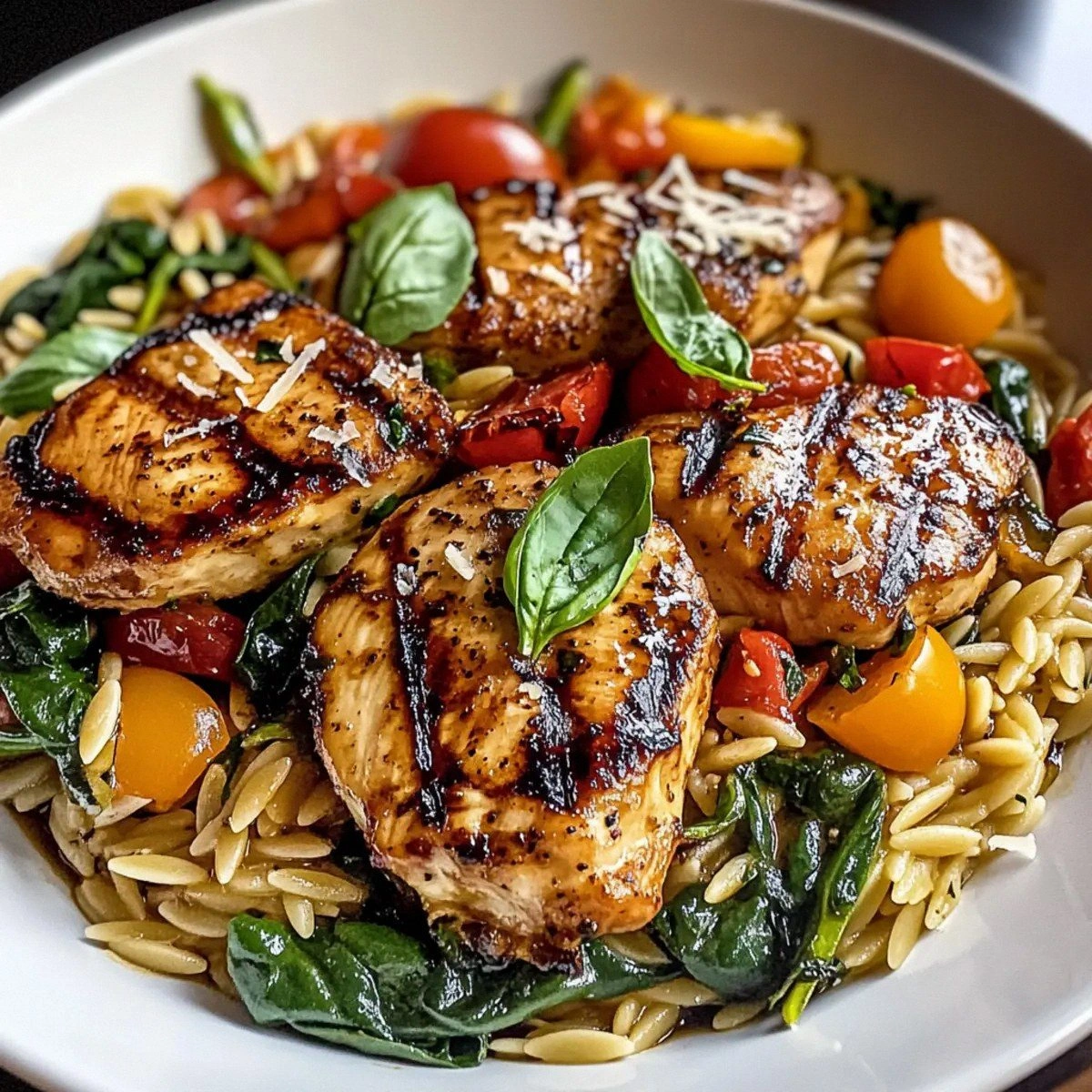
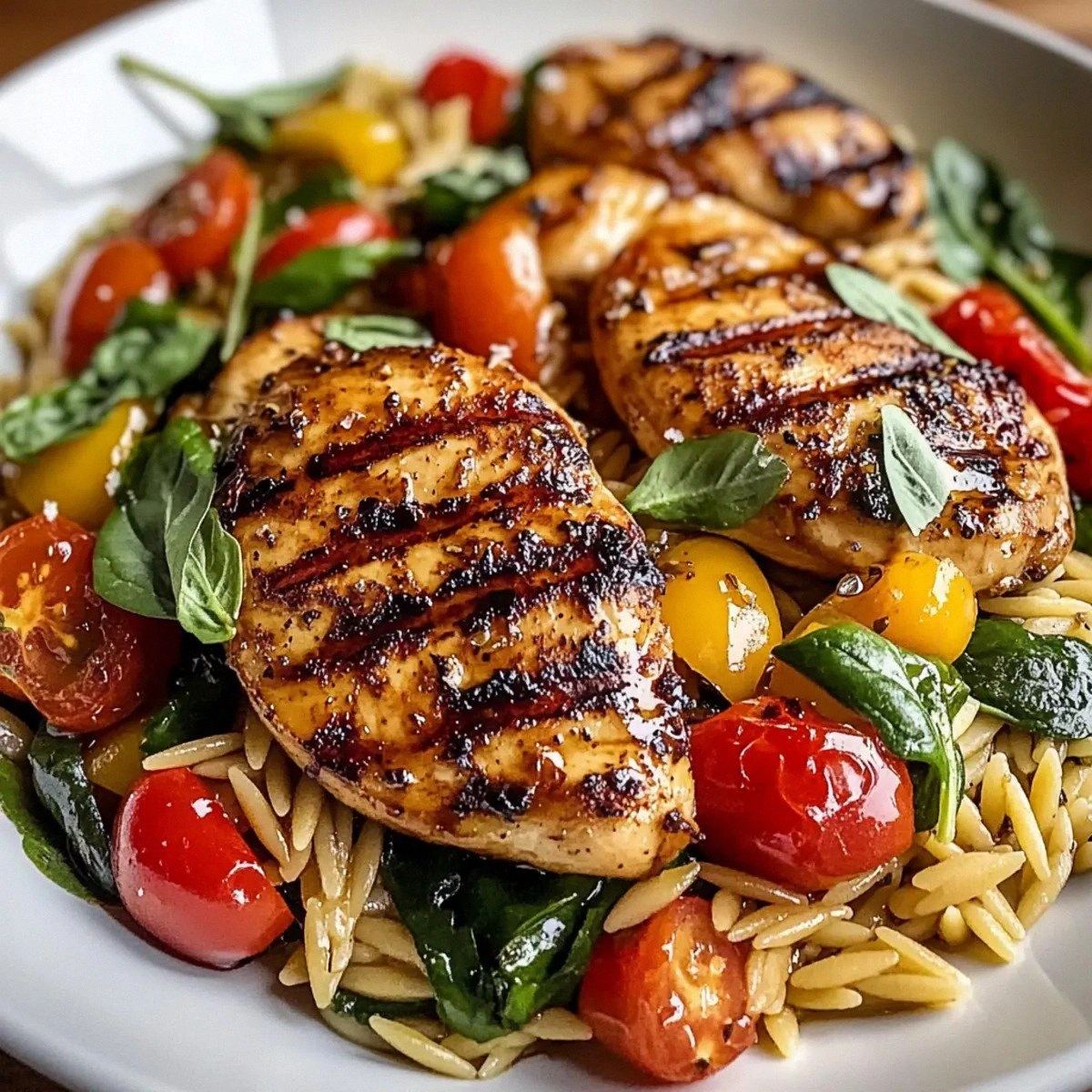
Fast forward a few minutes later, the kitchen was alive with the crackle of olive oil as it warmed the pan, the fragrant perfume of minced garlic swirling with oregano, and the bright pop of cherry tomatoes bursting like tiny fireworks. The chicken breasts, seasoned just enough to let the balsamic shine, sizzled and developed those coveted golden‑brown edges that crackle under the fork. Meanwhile, the orzo soaked up the tangy‑sweet glaze, turning a buttery amber that clung to each grain like a velvet robe. The vegetables—crisp red bell pepper, tender zucchini, and a handful of spinach that wilted into a glossy green—joined the party, each adding its own texture and color to the symphony. When the final sprinkle of Parmesan melted into silky ribbons, I knew I had stumbled upon something truly magical.
What makes this version the ultimate? Most recipes either drown the chicken in a watery sauce or leave the orzo dry and sad. I’ve taken the time to balance the acidity of balsamic with the mellow sweetness of honey, creating a glaze that coats the pasta like a silk scarf and caramelizes the chicken edges into crisp shards that shatter like thin ice. The secret? A quick deglaze that captures every browned morsel and a strategic timing that lets the spinach fold in at just the right moment, preserving its bright hue and fresh bite. This isn’t just a dinner; it’s a performance, and the audience is your taste buds.
Okay, ready for the game‑changer? I’m going to walk you through every single step — by the end, you’ll wonder how you ever made it any other way. I dare you to taste this and not go back for seconds. Let’s dive in, because this next part? Pure magic.
What Makes This Version Stand Out
- Flavor Fusion: The balsamic‑honey glaze delivers a sweet‑tart punch that dances with the earthy oregano, creating layers of taste that evolve with each bite.
- Texture Harmony: Crispy chicken edges meet buttery orzo, while crunchy bell pepper and tender zucchini add a satisfying bite contrast.
- One‑Pan Simplicity: No extra pots, no mess—everything cooks together, meaning cleanup is as easy as a quick rinse.
- Ingredient Quality: Using fresh basil and ripe cherry tomatoes elevates the dish from ordinary to unforgettable.
- Crowd‑Pleaser: This dish consistently gets rave reviews; even picky eaters admit it’s “the best chicken thing they’ve ever had.”
- Make‑Ahead Potential: You can prep the glaze and chop the veggies ahead of time, then finish the dish in under 30 minutes.
- Balanced Nutrition: A perfect mix of protein, carbs, and greens keeps you satisfied without feeling heavy.
- Seasonal Flexibility: While it shines in summer with fresh basil, you can swap in winter greens for a cozy twist.
Inside the Ingredient List
The Flavor Base
Balsamic vinegar is the star of the show, offering that deep, slightly woody acidity that cuts through the richness of the chicken. Paired with honey, it forms a glaze that’s both sweet and tangy, a balance that makes the sauce cling to the orzo like a second skin. Garlic and dried oregano contribute aromatic depth; the garlic brings a sharp, almost peppery bite while oregano adds a Mediterranean whisper that lingers on the palate. If you skip the balsamic, you’ll lose the signature glossy finish and the dish will taste flat, like a story without a climax.
The Texture Crew
Chicken breasts, when sliced correctly, provide lean protein that absorbs the glaze without becoming soggy. The orzo acts as a tiny rice‑like pasta, soaking up the sauce while maintaining a pleasant bite. Red bell pepper offers a sweet crunch, and zucchini contributes a buttery softness that contrasts nicely with the pepper’s snap. Cherry tomatoes burst with juiciness, adding a pop of acidity that brightens the overall flavor profile. Baby spinach folds in at the end, offering a silky, slightly earthy finish that doesn’t wilt into mush.
The Unexpected Star
Fresh basil isn’t just a garnish; its aromatic oils lift the entire dish, providing a fragrant finish that turns a simple dinner into a dining experience. When added at the very end, the basil retains its bright green color and peppery scent, preventing it from wilting into obscurity. If you substitute dried basil, you’ll miss that fresh pop, and the flavor will feel muted, like a song missing its chorus.
The Final Flourish
Parmesan cheese brings a salty, nutty richness that rounds out the acidity of the balsamic and the sweetness of the honey. It also helps thicken the sauce slightly, giving it a velvety texture that clings to every forkful. A pinch of salt and pepper is essential to bring all the flavors into harmony; without it, the dish can feel dull, as if the orchestra is missing its conductor.
Everything's prepped? Good. Let's get into the real action...
The Method — Step by Step
-
Heat a large, deep skillet over medium‑high heat and drizzle the olive oil, letting it shimmer like a tiny lake at sunrise. Once the oil is hot, add the chicken breasts, seasoned with salt, pepper, and half the dried oregano. Let them sear undisturbed for about 4‑5 minutes; you’ll hear a satisfying sizzle that tells you a crust is forming. Flip the breasts and brown the other side for another 4 minutes, then remove them to a plate and set aside—this step locks in juices and creates those crispy edges that shatter like thin ice.
Kitchen Hack: Pat the chicken dry before seasoning; excess moisture prevents a proper sear. -
In the same pan, lower the heat to medium and add the minced garlic, letting it perfume the oil for about 30 seconds—watch it turn a light golden, not brown. Sprinkle the remaining oregano and give it a quick stir, then pour in the balsamic vinegar and honey. As the mixture bubbles, use a wooden spoon to scrape up any browned bits (the fond) from the bottom; these are flavor gold mines that will enrich the sauce.
Watch Out: If the sauce reduces too quickly, it can become overly thick and stick; add a splash of water or chicken broth to control consistency. -
Return the chicken breasts to the pan, nestling them into the glossy glaze. Add the orzo, stirring to coat each grain thoroughly. The orzo will begin to toast lightly, taking on a nutty aroma that signals it’s ready to absorb the sauce. Let everything simmer together for 5 minutes, stirring occasionally, until the orzo is just about al dente.
-
While the orzo cooks, slice the red bell pepper into thin strips and the zucchini into half‑moon crescents. Toss them into the pan, spreading them evenly around the chicken. Their colors should pop against the dark glaze, and their textures will remain distinct if you keep the heat at a gentle simmer.
Kitchen Hack: Cut veggies uniformly so they cook at the same rate, preventing some pieces from turning mushy while others stay raw. -
Add the cherry tomatoes, allowing them to blister and release their juices, which will mingle with the balsamic glaze, creating a burst of sweet‑tart flavor throughout the pan. Let the mixture continue to simmer for another 3‑4 minutes, until the tomatoes soften but still hold their shape.
-
Stir in the baby spinach, watching it wilt in a cascade of green that instantly brightens the dish. This should take less than a minute; overcooking the spinach will make it lose its vibrant color and fresh taste.
-
Finish the dish by sprinkling the grated Parmesan cheese over everything, letting it melt into silky ribbons that bind the sauce to the orzo and chicken. Add a final drizzle of extra‑virgin olive oil for a glossy finish, then season with salt and pepper to taste. The aroma at this point is intoxicating—a blend of sweet, tangy, and savory that fills the kitchen like a warm hug.
-
Remove the pan from heat and let the dish rest for two minutes; this short pause allows the flavors to meld and the sauce to thicken just enough to cling perfectly. Garnish with freshly torn basil leaves, giving a burst of herbaceous perfume right before serving. Slice the chicken, arrange it atop the orzo, and serve hot. That’s it — you did it. But hold on, I've got a few more tricks that'll take this to another level...
Insider Tricks for Flawless Results
The Temperature Rule Nobody Follows
Keep the heat at a steady medium‑high when searing the chicken; too low and you’ll end up with steamed meat, too high and the glaze will burn before the chicken cooks through. A quick test is to flick a drop of water into the pan; if it dances and evaporates instantly, you’re at the sweet spot. I once tried a “high‑heat everything” approach and learned the hard way that the balsamic caramelized into a bitter crust. Trust the thermometer, not the hype.
Why Your Nose Knows Best
Your sense of smell is the ultimate doneness gauge. When the garlic turns golden and the balsamic starts to thicken, you’ll notice a sweet‑tangy aroma rising—this is your cue to add the orzo. If you miss this scent, you risk over‑cooking the pasta, turning it mushy. I always pause, inhale deeply, and let my nose dictate the next move.
The 5‑Minute Rest That Changes Everything
After the final stir, remove the pan from heat and let the dish sit for exactly five minutes. This short rest allows the gluten in the orzo to relax, creating a silkier texture, and lets the chicken juices redistribute, keeping the meat juicy. Skipping this step is a common mistake that results in a dry bite and a sauce that separates. Trust the rest; it’s worth it.
Seasoning Layers, Not One
Season at three points: before searing the chicken, when deglazing with balsamic, and at the very end after adding Parmesan. Each layer builds depth, ensuring no flavor is flat. A friend once salted only at the end and complained the dish tasted “bland”; the lesson? Salt is a flavor amplifier, not an afterthought.
The Secret of Fresh Herbs
Add fresh basil at the very end, off the heat. The residual warmth releases the essential oils without cooking them away, preserving that bright, peppery note. If you toss basil in too early, it wilts and loses its punch, turning the garnish into a limp green garnish.
Finish with a Splash
A final drizzle of high‑quality olive oil right before serving adds a luxurious mouthfeel and a subtle fruitiness that rounds out the balsamic’s acidity. It’s a tiny step that makes a massive difference, turning a good dish into a restaurant‑level masterpiece.
Creative Twists and Variations
This recipe is a playground. Here are some of my favorite ways to switch things up:
Mediterranean Spin
Swap the chicken for cubed lamb shoulder and add Kalamata olives and feta cheese. The earthy lamb pairs beautifully with the balsamic glaze, while olives introduce a briny pop that complements the sweet honey.
Spicy Kick
Add a teaspoon of red‑pepper flakes to the garlic‑oregano mixture and finish with a drizzle of sriracha. The heat cuts through the sweetness, creating a balanced heat‑sweet dance.
Winter Warmth
Replace the fresh spinach with kale and add a pinch of nutmeg to the sauce. Kale’s robust texture holds up well, and nutmeg adds a cozy, earthy note perfect for colder evenings.
Vegan Version
Use firm tofu cubes, marinated in the same balsamic‑honey mixture, and swap Parmesan for nutritional yeast. The tofu absorbs the glaze, delivering a satisfying bite while keeping the dish plant‑based.
Cheesy Overload
Stir in a handful of mozzarella pearls in the final minute; they melt into gooey pockets that add a stretchy, comforting texture. This variation is perfect for cheese lovers who crave that extra indulgence.
Storing and Bringing It Back to Life
Fridge Storage
Allow the dish to cool to room temperature, then transfer it to an airtight container. It will keep for up to three days. When reheating, add a splash of water or broth to re‑hydrate the orzo and prevent it from drying out.
Freezer Friendly
Portion the cooled dish into freezer‑safe bags, removing as much air as possible. It freezes well for up to two months. Thaw overnight in the refrigerator, then reheat gently on the stovetop, again adding a touch of liquid to revive the sauce.
Best Reheating Method
The stovetop is king: place the leftovers in a skillet over low heat, add a tablespoon of water, and cover for two minutes. Stir occasionally until the sauce glistens again. Microwaving works in a pinch, but you’ll lose the crispness of the chicken edges.