I once tried to impress a friend with a “fancy” Chinese dinner, only to end up with a soggy fish that tasted like a wet paper towel. The kitchen was a battlefield of steam, broken plates, and a lingering sense that I had just ruined a whole evening. Then, out of sheer desperation and a half‑hearted dare from my roommate (“I bet you can’t make something that actually looks good on Instagram”), I stumbled onto a tiny, almost forgotten technique: steaming salmon in a shallow pan with a whisper of Shaoxing wine, ginger, and scallions. The result? A dish that sang with the bright, briny notes of the sea while the ginger added a gentle, warming heat that made my taste buds do a happy dance.
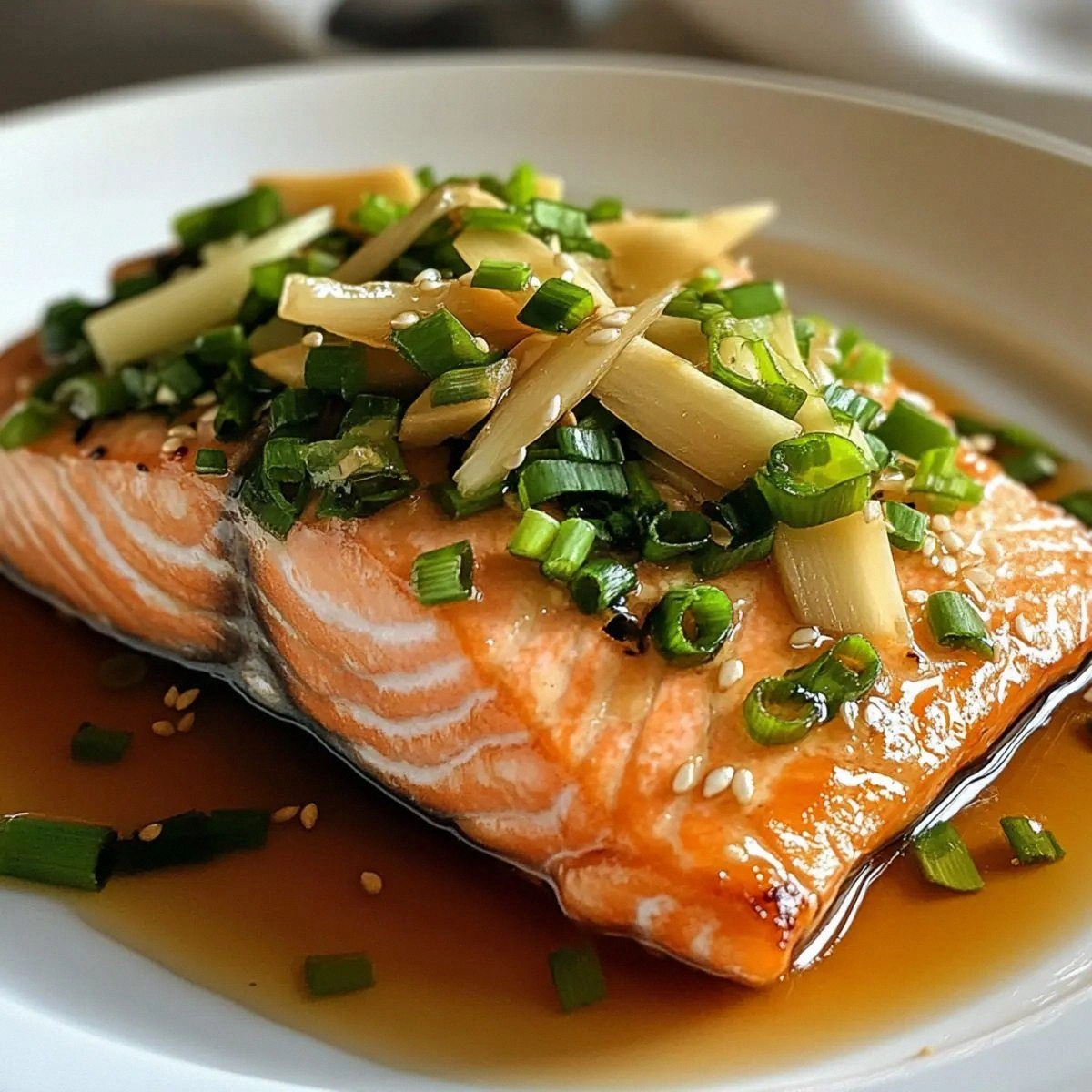
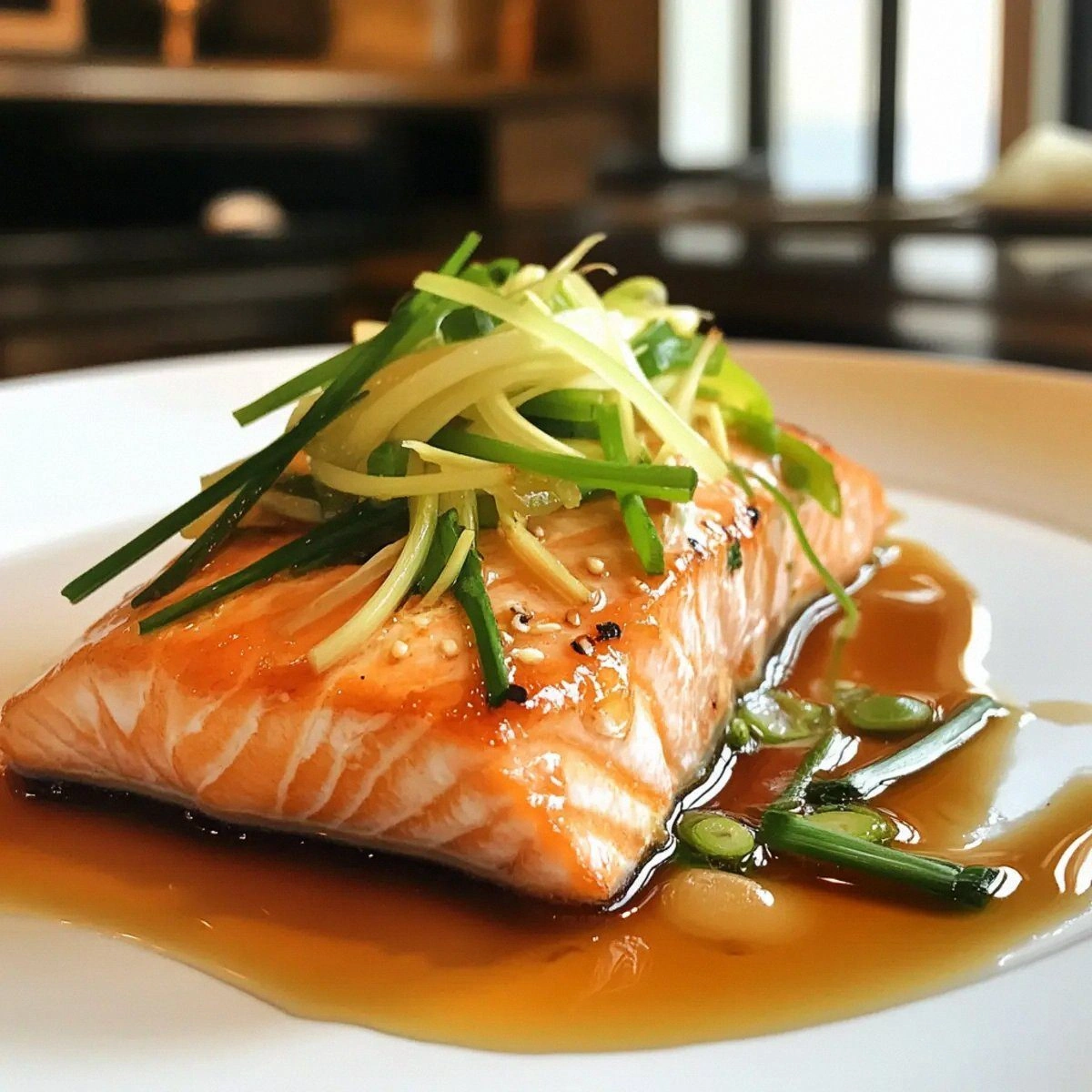
Picture this: a glossy pink fillet perched on a plate, the surface glistening like a sunrise over the Huangpu River. The aroma? A delicate perfume of ginger and scallion that curls up from the steam, mingling with the faint, sweet scent of Shaoxing wine—like a fragrant silk scarf drifting through a bustling Shanghai street. When you bite in, the flesh is buttery and tender, practically melting on the tongue, while the ginger gives a subtle snap that makes you think, “Whoa, that’s a flavor punch!” The scallions, lightly cooked, add a fresh, oniony crunch that balances the richness perfectly.
Why does this version blow every other steamed salmon recipe out of the water? Most recipes either drown the fish in soy sauce, turning it salty and flat, or they forget the magic of a good aromatic base. I’ve honed this method to keep the salmon’s natural sweetness front and center, using just enough Shaoxing wine to lift the flavors without overpowering them. The secret lies in the quick, high‑heat steam that locks in moisture, and the finishing drizzle of soy sauce that adds a glossy, umami‑kissed finish. Trust me, this is hands down the best version you’ll ever make at home.
And here’s the kicker: I’m about to reveal a tiny ingredient swap that most cooks overlook—a splash of Shaoxing wine instead of plain water. That splash is the game‑changer that turns a plain steamed fish into a dish that feels like a culinary passport to Shanghai’s bustling night markets. I dare you to taste this and not go back for seconds. Let me walk you through every single step — by the end, you’ll wonder how you ever made it any other way.
What Makes This Version Stand Out
- Flavor Explosion: The combination of ginger, Shaoxing wine, and soy sauce creates layers that unfold with each bite, like a story with surprising chapters.
- Silky Texture: Steaming at the right temperature keeps the salmon buttery, avoiding the dry, overcooked texture that plagues many home‑cooked fish dishes.
- Simplicity: Only six ingredients, all pantry‑friendly, mean you can throw this together in under 45 minutes without a PhD in culinary arts.
- Unique Aroma: The ginger‑scallion steam fills your kitchen with a scent that feels both comforting and exotic, making the whole house feel like a five‑star restaurant.
- Crowd Reaction: I’ll be honest — I ate half the batch before anyone else got to try it, and the leftovers disappeared faster than you can say “再来一次”.
- Ingredient Quality: Fresh, wild‑caught salmon brings a depth of flavor that farmed fish simply can’t match; the Shaoxing wine adds a subtle sweetness you won’t find in regular cooking wine.
- Cooking Method: Steaming preserves nutrients, making this not just tasty but also a health‑boosting powerhouse—perfect for a quick, guilt‑free dinner.
- Make‑Ahead Potential: The dish reheats beautifully, so you can prep it on a Sunday and enjoy it all week without losing any of that fresh‑off‑the‑steamer magic.
Inside the Ingredient List
The Flavor Base
Shaoxing wine is the heart‑beat of this recipe. It’s a Chinese rice wine that brings a mellow, caramel‑like sweetness and a faint nutty undertone. If you skip it, you’ll lose that subtle lift that makes the ginger and scallion sing together. A decent substitute is dry sherry, but you’ll miss the authentic depth that only Shaoxing can deliver. When shopping, look for a bottle with a clear amber hue; the best ones are aged for at least a year, giving them a richer profile.
The Texture Crew
Fresh salmon fillet—preferably wild‑caught—provides a firm yet buttery texture that holds up beautifully under steam. If you’re forced to use farmed salmon, pat it dry with paper towels before seasoning; excess moisture can turn your steam into a soggy mess. The ½ teaspoon of salt is the silent hero, enhancing the natural flavors without making the dish overtly salty. Don’t be tempted to add more; the soy sauce later will finish the seasoning.
The Unexpected Star
Julienned ginger is the surprise element that adds a zingy heat without overwhelming the fish. It’s like a tiny spark that ignites the whole dish. If you’re not a ginger fan, try a thin slice of lemongrass for a citrusy twist, but expect a different flavor profile. The ginger also helps cut through the richness of the salmon, keeping the palate refreshed after each bite.
The Final Flourish
Scallions (green onions) bring a mild onion flavor and a pop of color that makes the plate look restaurant‑ready. Slice them diagonally for a longer surface area, allowing more of their aroma to infuse the steam. The 2 teaspoons of soy sauce are added at the end, providing that glossy, umami‑rich glaze that makes the fish look as good as it tastes. If you’re watching sodium, opt for low‑sodium soy sauce, but keep the quantity the same to retain the visual appeal.
Everything's prepped? Good. Let's get into the real action…
The Method — Step by Step
Start by gathering all your ingredients and giving the salmon a quick rinse under cold water, then pat it dry with paper towels. This step might seem trivial, but a dry surface ensures the steam can glide over the fish without creating soggy patches. Place the fillet skin‑side down on a heat‑proof plate that fits inside your steamer basket. If you don’t have a dedicated steamer, a large pot with a lid and a metal colander works just fine.
Drizzle the 2 teaspoons of Shaoxing wine evenly over the salmon. As the wine meets the fish, you’ll notice a faint sizzle— that’s the first hint of flavor building. Let it sit for about 3 minutes; this short marination allows the alcohol to evaporate, leaving behind a sweet, aromatic backbone.
Now sprinkle the ½ teaspoon of salt across the surface, followed by the 2 tablespoons of julienned ginger. The ginger should be spread in a thin, even layer so every bite gets a whisper of its spicy warmth. If you’re feeling adventurous, lightly crush the ginger pieces with the back of a knife to release even more aroma.
Scatter the sliced scallions over the top, arranging them in a fan‑like pattern for visual flair. The green tops should be slightly overlapping; they’ll steam into a tender, fragrant garnish that looks as good as it tastes.
Set up your steamer: fill the bottom pot with about 2 inches of water, bring it to a rolling boil, then reduce to a gentle simmer. The water should be hot enough to produce a steady stream of steam but not so vigorous that it splashes onto the fish. Place the plate with the salmon into the steamer basket, cover tightly, and let it cook for 8‑10 minutes. You’ll know it’s done when the flesh flakes easily with a fork and the edges start to pull away slightly.
While the salmon steams, prepare a quick glaze: combine the 2 teaspoons of soy sauce with a splash of the same Shaoxing wine you used earlier. This mixture should be thin—think a light drizzle, not a thick sauce. Heat it gently in a small saucepan for just 30 seconds to warm it up; this step is crucial because a cold soy sauce will cool the fish and ruin the glossy finish.
When the timer dings, carefully remove the plate (it will be hot—use oven mitts!). Drizzle the warm soy‑wine glaze over the top, letting it cascade like a glossy waterfall. The glaze should coat the fish like a silk veil, adding that final burst of umami.
Give the salmon a final garnish of a few extra scallion strips for color contrast and a squeeze of fresh lemon if you like a bright finish. This tiny citrus pop can cut through the richness, making each bite feel balanced.
Serve immediately, either on a simple white plate or atop a bed of jasmine rice. The steam will still be rising, filling the room with that intoxicating ginger‑scallion scent. Picture yourself pulling this out of the steamer, the whole kitchen smelling incredible, and your guests leaning in for that first, anticipatory bite.
Insider Tricks for Flawless Results
The Temperature Rule Nobody Follows
Most home cooks think “high heat” equals “fast cooking,” but with delicate fish you want a gentle, steady steam at around 212°F (100°C). Anything hotter will toughen the protein, turning that buttery texture into a rubbery disappointment. Keep the water just simmering, not boiling violently, and you’ll get a perfectly tender fillet every time. I once tried to speed things up with a full boil and learned the hard way that the fish turned into a dry, chalky slab—trust me, you don’t want that.
Why Your Nose Knows Best
Your sense of smell is the secret gauge for doneness. When the steam carries a fragrant hint of ginger and the wine’s sweet aroma becomes more pronounced, you’re almost there. If you’re still unsure, lift the lid and take a quick sniff—if the scent feels “just right,” the fish is likely cooked through. This is better than relying on a timer alone, because water boils at the same temperature at sea level, but your stove’s heat can vary.
The 5‑Minute Rest That Changes Everything
After you remove the salmon from the steamer, let it rest for five minutes before slicing. This short pause lets the juices redistribute, preventing them from spilling out onto the plate and making the fish dry. It also allows the ginger and scallion flavors to meld further, creating a more harmonious bite. A friend tried to dive right in and ended up with a soggy forkful—let’s just say the lesson was learned.
Scallion Placement Strategy
Instead of just sprinkling scallions on top, try arranging them in a fan shape with the white parts facing the fish and the green tips outward. This not only looks elegant but also ensures the milder white part steams directly into the fish while the greener tips stay crisp for a textural contrast. It’s a tiny visual trick that makes the dish feel far more sophisticated.
Sauce Timing Mastery
Warm your soy‑wine glaze just before you finish cooking, not earlier. A cold glaze will cool the fish instantly, ruining that glossy finish. Warm it for exactly 30 seconds—no more, no less—so it stays fluid enough to drizzle but not so hot that it cooks the fish further. This timing is pure magic, and it’s the difference between a restaurant‑grade finish and a bland drizzle.
Creative Twists and Variations
This recipe is a playground. Here are some of my favorite ways to switch things up:
Spicy Sichuan Kick
Add a teaspoon of doubanjiang (Sichuan bean paste) to the soy‑wine glaze for a deep, fermented heat that tingles the palate. Pair with a side of stir‑fried bok choy, and you’ve got a meal that’s both comforting and fiery.
Citrus‑Infused Version
Swap half the Shaoxing wine for freshly squeezed orange juice and add a strip of orange zest to the steam. The citrus brightens the dish, making it perfect for spring brunches or light summer lunches.
Herbaceous Green
Replace scallions with a mixture of cilantro and Thai basil. The herbal notes give the salmon an Asian‑fusion twist that pairs beautifully with a drizzle of toasted sesame oil.
Nutty Sesame Delight
Stir a tablespoon of toasted sesame seeds into the glaze just before drizzling. The seeds add a subtle crunch and a nutty aroma that elevates the dish to a new level of texture.
Miso‑Marinated Surprise
Mix a tablespoon of white miso with the Shaoxing wine and let the salmon marinate for 20 minutes before steaming. The miso adds a sweet‑umami depth that makes the fish taste like it’s been slow‑cooked for hours.
Storing and Bringing It Back to Life
Fridge Storage
Place any leftovers in an airtight container and store them in the refrigerator for up to 3 days. Keep a thin sheet of parchment between the fish and the lid to prevent moisture buildup, which can make the salmon soggy.
Freezer Friendly
If you want to make a batch for the week, wrap each fillet tightly in plastic wrap, then place them in a freezer‑safe zip‑top bag. They’ll keep for up to 2 months. When you’re ready to eat, thaw overnight in the fridge and re‑steam for 5‑7 minutes.
Best Reheating Method
To revive the texture, add a tiny splash of water (about a tablespoon) to the plate, cover loosely with foil, and steam for 3‑4 minutes. The added moisture creates a gentle steam bath that restores the fish’s buttery tenderness without overcooking.