Picture this: a quiet Tuesday night, the kitchen lights dimmed, the fridge humming, and your stomach growling louder than the blender. I was rummaging through the pantry, hoping to salvage something that wouldn’t feel like a culinary crime. I pulled out a handful of mushrooms, a bunch of spinach, and a stubborn garlic clove that had been waiting for its moment. The moment arrived when I realized I was about to create something that would make your taste buds do a happy dance. I was so excited, I almost dropped the pan—yes, I’m a clumsy chef, but that’s part of the charm.
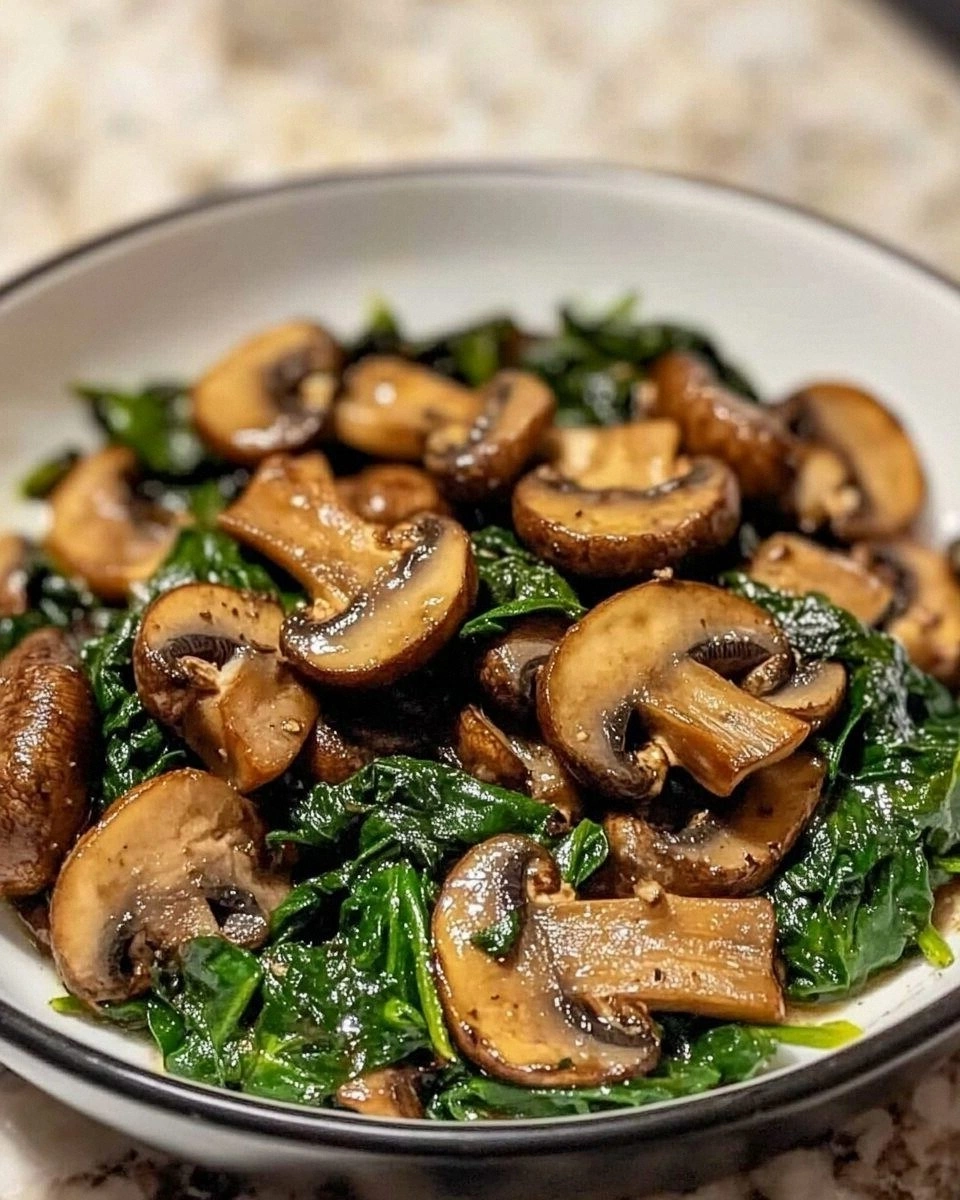
The first thing that struck me was the aroma. The mushrooms released a deep, earthy perfume that mingled with the sharp, fresh scent of spinach. I could hear the sizzle as the butter met the hot pan, the sound of a tiny symphony. The visual cue was a glossy sheen on the mushrooms, a hint of green from the spinach, and a splash of golden oil that glimmered like liquid amber. My fingertips tingled with anticipation, the heat of the stove warming my palms. I knew this dish would be more than a side; it would be an experience.
Why am I so obsessed with this version? Because it’s a perfect marriage of simplicity and depth. The mushrooms don’t just cook; they caramelize, turning their edges crisp like a well‑done caramel. Spinach, when sautéed just right, keeps its vibrant green hue and tender bite, unlike the soggy disappointment of overcooked greens. The garlic adds a punch that cuts through the richness, while a splash of lemon brightens the whole plate. And the finish—grated Parmesan that melts into a silky coating—makes each bite feel indulgent yet light. I dare you to taste this and not go back for seconds.
Most recipes for sautéed mushrooms and spinach treat the ingredients as interchangeable, but not this one. I’ve discovered that a touch of thyme and a dash of red pepper flakes can elevate the dish to new heights. The secret is in the timing: let the mushrooms brown before adding the spinach, so they don’t steam. The result is a dish that feels both rustic and refined, a crowd‑pleaser for dinner parties and a comforting solo meal. By the end of this guide, you’ll wonder how you ever made it any other way. Let me walk you through every single step.
What Makes This Version Stand Out
- Flavor Depth: The combination of earthy mushrooms, bright spinach, and citrusy lemon creates layers of taste that evolve with each bite.
- Texture Contrast: The mushrooms develop a caramelized crust while the spinach stays tender yet vibrant, offering a satisfying bite.
- Time Efficiency: The entire dish comes together in under 20 minutes, perfect for weeknight dinners.
- Ingredient Quality: Using fresh, locally sourced produce ensures the dish is both sustainable and delicious.
- Crowd Appeal: Even the pickiest eaters love the mild seasoning and the familiar comfort of sautéed greens.
- Versatility: It works as a side, a topping for pasta, or a base for protein dishes.
- Make‑ahead Friendly: You can prep the ingredients ahead of time, making the cooking process a breeze.
- Balanced Nutrition: Packed with protein, fiber, and healthy fats, it’s a wholesome meal in a flash.
Alright, let’s break down exactly what goes into this masterpiece…
Inside the Ingredient List
The Flavor Base
At the heart of this dish is the aromatic foundation that sets the stage for every other element. Olive oil, with its fruity undertones, provides a silky base that keeps the mushrooms from drying out. Butter adds a rich, nutty flavor that deepens the overall profile. Together, they form a golden pool in the pan where the mushrooms begin their caramelization dance. If you skip this step, the mushrooms will release water and steam, resulting in a soggy mess. Swap olive oil for avocado oil if you prefer a milder taste; the butter can be omitted for a dairy‑free version, but you’ll lose that glossy sheen.
The Texture Crew
Mushrooms and spinach are the dynamic duo that delivers the tactile experience. Use about 16 ounces of fresh mushrooms, sliced into even half‑inch pieces to ensure consistent cooking. The spinach should be washed, dried, and roughly chopped; it wilts quickly, so timing is crucial. Garlic, minced finely, releases its pungency and creates a fragrant cloud that lingers on the palate. Red pepper flakes add a subtle heat that contrasts the earthiness of the mushrooms. If you’re sensitive to spice, simply omit the flakes; the dish remains flavorful.
The Unexpected Star
Lemon juice is the unsung hero that lifts the entire flavor spectrum. A tablespoon of fresh lemon juice brightens the dish, cutting through the richness of butter and olive oil. It also prevents the spinach from turning a dull green. If you’re out of lemon, a splash of white wine or a pinch of vinegar can mimic the acidity. Fresh thyme, a teaspoon of dried or fresh, infuses a subtle herbal note that complements the earthiness of mushrooms.
The Final Flourish
Grated Parmesan cheese crowns the dish, offering a creamy, salty finish that coats the sautéed vegetables like velvet. A pinch of black pepper adds a gentle kick, while a pinch of sea salt balances the flavors. The final drizzle of olive oil adds sheen and richness. If you want a vegan version, substitute nutritional yeast for Parmesan; it delivers a cheesy flavor with no dairy. Remember, the key to this flourish is timing—add the cheese after the spinach has wilted, so it melts into a silky coating.
Everything's prepped? Good. Let's get into the real action…
The Method — Step by Step
- Heat a large skillet over medium‑high heat. Add two tablespoons of olive oil and let it shimmer. Once the oil is hot, introduce a tablespoon of butter. Watch the butter foam and turn golden; this signals that the pan is ready for the mushrooms. I dare you to taste the oil before adding the mushrooms—its subtle nutty flavor is a preview of what’s to come.
- Add the sliced mushrooms in a single layer, ensuring they’re not overcrowded. Let them cook undisturbed for 2–3 minutes until the edges begin to brown. Flip them gently and cook for another 2 minutes. The goal is a caramelized crust that locks in moisture. If you stir too early, the mushrooms will release water and steam instead of sear.
- Introduce the minced garlic and a pinch of red pepper flakes. Stir quickly to prevent the garlic from burning, as burnt garlic can taste bitter. The aroma should be intoxicating—almost like a forest after rain. Let the mixture sauté for 30 seconds, then remove the pan from heat for a moment to avoid overcooking the garlic.
- Return the skillet to medium heat and add the spinach in a single batch. Cover the pan to help the spinach wilt quickly. Once the spinach starts to shrink, remove the lid and stir. The spinach should be bright green and tender, not soggy. If you notice excess moisture, increase the heat slightly to evaporate it.
- Stir in the lemon juice and freshly ground black pepper. The citrus will brighten the dish, creating a lively contrast to the earthy mushrooms. Taste and adjust salt if needed; a pinch of sea salt balances the acidity without overpowering the flavors.
- Sprinkle the grated Parmesan over the mixture and stir until it melts into a silky coating. The cheese should clung to the vegetables, forming a glossy, velvety layer. This is the moment of truth—watch the texture transform from dry to luxuriously creamy. Let the pan sit for a minute to allow the flavors to meld.
- Give the dish a final stir, taste, and adjust seasoning if necessary. Serve immediately over your choice of pasta, rice, or simply as a hearty side. The dish is at its peak when the mushrooms are caramelized, the spinach is tender, and the Parmesan is silky. If you’re plating for guests, sprinkle a few fresh thyme leaves on top for a pop of color.
That's it — you did it. But hold on, I've got a few more tricks that'll take this to another level…
Insider Tricks for Flawless Results
The Temperature Rule Nobody Follows
Many cooks think “high heat” is always best, but for mushrooms, medium‑high is the sweet spot. Too high, and they burn; too low, and they steam. I’ve tested this in a cast‑iron skillet, and the mushrooms develop a caramelized crust without sticking. Keep the pan hot enough to sizzle on contact, but not so hot that it burns the garlic. If you’re using a non‑stick pan, lower the heat slightly to prevent flare‑ups.
Why Your Nose Knows Best
Your sense of smell is the ultimate judge of doneness. The mushrooms should emit a deep, nutty aroma, not a sharp, raw scent. When the spinach starts to wilt, the air will carry a faint, sweet scent that signals it’s ready. If you’re uncertain, give the pan a quick sniff; a pleasant, earthy smell means you’re on track. I’ve had friends who rely on the visual cue alone, and they often overcook the spinach.
The 5‑Minute Rest That Changes Everything
After cooking, let the skillet rest for 5 minutes before serving. This short pause allows the flavors to settle and the cheese to thicken into a velvety coating. If you’re plating immediately, the sauce may still be too runny. Resting also helps the mushrooms re‑absorb any residual moisture, enhancing their texture. I’ve seen this trick turn a good dish into an unforgettable one.
The Salt Balance
Salt is the silent hero that brings everything together. I recommend a pinch of sea salt for the final touch, rather than adding it throughout the cooking process. Adding salt early can draw moisture from the mushrooms, leading to a watery result. Salt at the end ensures the flavors stay vibrant and the texture stays crisp.
The Cheese Melt
For a richer coating, add the Parmesan just before the dish is finished. The cheese will melt into a silky layer that clings to the vegetables. If you add it too early, it may separate and become oily. I’ve experimented with different cheeses; a blend of Parmesan and Pecorino gives a slightly sharper finish.
Creative Twists and Variations
This recipe is a playground. Here are some of my favorite ways to switch things up:
Mushroom Medley
Swap out button mushrooms for a mix of shiitake, cremini, and oyster. Each type brings a distinct flavor profile—shiitake adds umami, oyster gives a subtle brininess, and cremini offers a robust bite. The result is a richer, more complex sauté.
Pesto Fusion
Stir in a spoonful of basil pesto after the spinach has wilted. The pesto adds a fresh, herby burst that pairs wonderfully with the earthy mushrooms. It’s a great way to incorporate greens without additional vegetables.
Spicy Cajun Kick
Add a teaspoon of Cajun seasoning to the mushrooms before sautéing. The spice blend gives the dish a smoky, peppery punch that complements the mild spinach. Serve over rice for a comforting Cajun‑inspired meal.
Creamy Alfredo Twist
Replace the butter with a splash of heavy cream and finish with a drizzle of Alfredo sauce. The creamy base turns the dish into a decadent side that pairs beautifully with grilled chicken or shrimp.
Vegan Delight
Omit the butter and Parmesan, and instead use coconut oil and nutritional yeast. Add a splash of soy sauce for umami. The result is a plant‑based version that’s just as flavorful and satisfying.
Mediterranean Flair
Add sun‑dried tomatoes and olives to the sauté. The sweet, tangy tomatoes and briny olives give the dish a Mediterranean vibe. Finish with a sprinkle of feta for an extra layer of flavor.
Storing and Bringing It Back to Life
Fridge Storage
Store the dish in an airtight container in the refrigerator for up to 3 days. Keep it at room temperature for 1–2 hours before reheating to avoid condensation. The flavors intensify slightly, making it even more delicious.
Freezer Friendly
For longer storage, freeze the sautéed mixture in a freezer‑safe container for up to 2 months. Thaw overnight in the refrigerator before reheating. The texture may be slightly softer, but the flavor remains robust.
Best Reheating Method
Reheat in a skillet over medium heat, adding a splash of water or broth to steam the spinach back to life. Stir frequently until heated through. A tiny splash of water before reheating steams the dish back to perfection, restoring moisture without making it soggy.