I still remember the night I accidentally created the best chicken soup of my life. It was one of those evenings when the fridge looked like a tornado had blown through — half a rotisserie chicken, some sad vegetables, and a packet of ranch seasoning that had been sitting in the pantry since the Clinton administration. My husband had the flu, I had a deadline, and the kids were staging a hunger strike against anything that wasn't shaped like a dinosaur nugget. In desperation, I threw everything into a pot, muttering curses under my breath about how this was going to be another one of those "mom's mystery stews" that everyone would pick at before making peanut butter sandwiches.
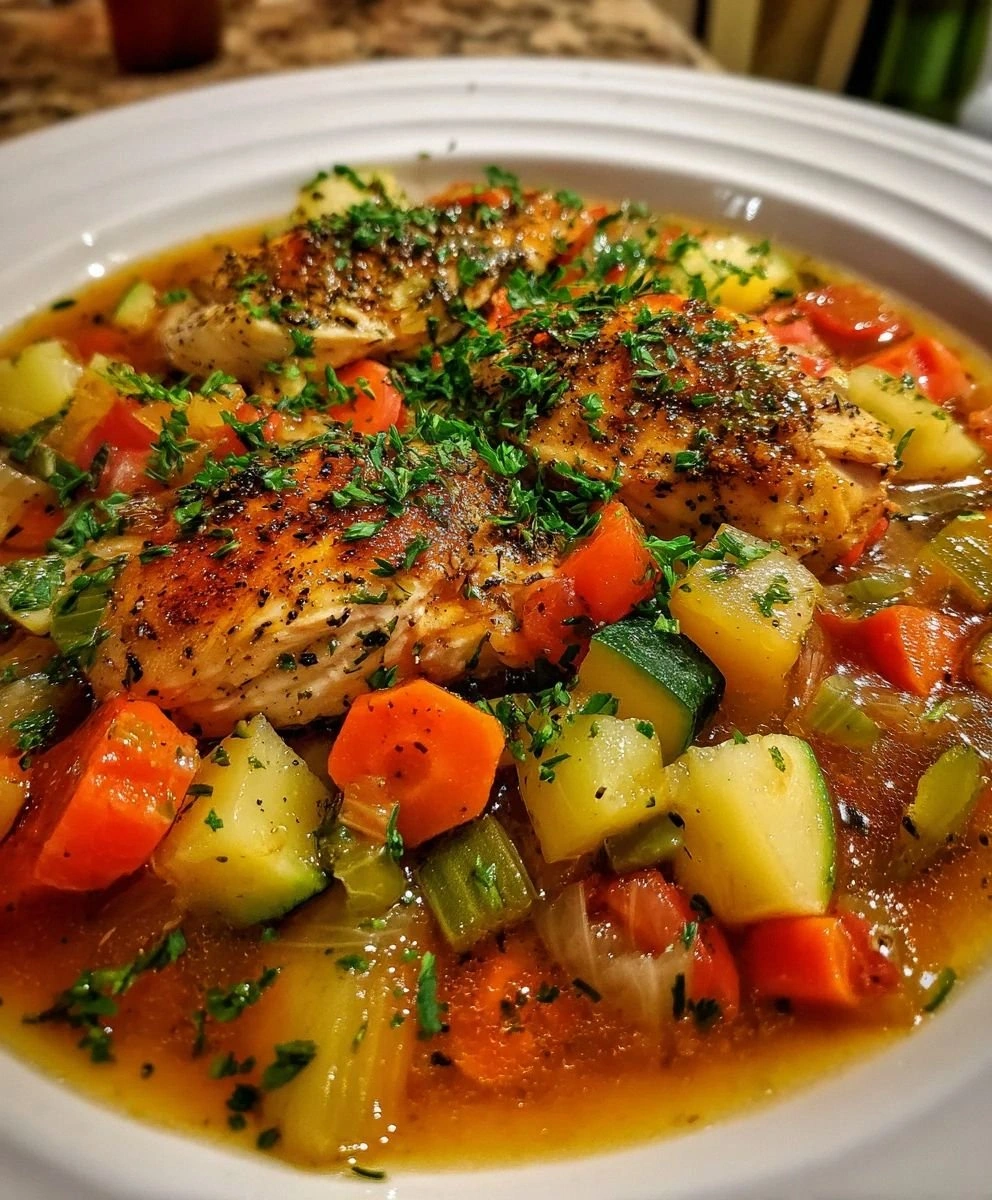
But then something magical happened. The ranch seasoning hit the hot butter and released this incredible aroma that had everyone drifting into the kitchen like cartoon characters following a pie on a windowsill. My husband emerged from his blanket cocoon, my teenagers actually looked up from their phones, and even the dog started doing that hopeful kitchen dance. By the time I ladled out the first bowls, we were all hovering around the stove like vultures, burning our tongues because we couldn't wait for it to cool. That first spoonful was a revelation — creamy, herby, loaded with tender chicken and vegetables that still had a bit of bite, all wrapped in that unmistakable ranch flavor that makes everything taste like comfort food.
Fast forward three years, and this Ranch Chicken Veggie Soup has become legendary in our family. I've served it at potlucks where people chased me down for the recipe, made it for sick friends who declared it better than their grandmother's cure-all, and even had a neighbor offer to pay me to make it weekly for her meal prep. The secret isn't fancy ingredients or complicated techniques — it's about understanding how to layer flavors so that every spoonful tastes like you're sitting in a cozy farmhouse kitchen, even if you're actually in a tiny apartment with questionable plumbing.
This isn't just another dump-and-stir soup recipe. I'm going to show you how to build flavors like a pro, why certain ingredients need to be added at specific times, and the game-changing technique that transforms ordinary chicken into melt-in-your-mouth morsels. Plus, I've got a few tricks up my sleeve that'll make people swear you spent all day cooking when it actually comes together in under an hour. Ready to make the soup that'll have everyone asking for seconds? Let me walk you through every single step — by the end, you'll wonder how you ever made it any other way.
What Makes This Version Stand Out
Restaurant-Quality Depth: Most chicken veggie soups taste flat and one-dimensional because they rely on just chicken broth. This version builds layers of flavor by searing the chicken first, using the fond to create a rich base, then introducing ranch seasoning at two different stages for maximum impact. The result is a soup that tastes like it's been simmering all day, not thrown together after work.
Perfect Vegetable Texture: Nobody wants mushy vegetables floating in their soup like sad little boats. The technique here ensures every vegetable maintains its integrity — carrots with just enough bite, zucchini that's tender but not disintegrating, and potatoes that are creamy inside but haven't turned into paste. It's all about timing, and I'll show you exactly when to add each vegetable for optimal results.
The Creaminess Factor: Instead of just dumping in cream and calling it a day, we create a velvety texture that clings to every ingredient without being heavy or gloopy. The combination of starchy potatoes and strategic dairy addition gives you that luxurious mouthfeel that makes people close their eyes in satisfaction.
Ranch Without the Overwhelm: Here's where most recipes get it wrong — they either go too light and you can't taste it, or so heavy that it tastes like you're drinking ranch dressing. This version uses ranch seasoning strategically, amplifying the herby, tangy notes while letting the chicken and vegetables shine. It's ranch's greatest hits without the one-note performance.
One-Pot Wonder: Despite tasting like a million bucks, this entire soup comes together in a single Dutch oven. No separate pans for cooking chicken, no straining, no complicated techniques. Just straightforward cooking that anyone can master, even if your culinary skills max out at boiling water.
Make-Ahead Magic: This soup actually gets better overnight as the flavors meld together. I've included specific storage and reheating instructions that prevent the cream from breaking and keep the vegetables from turning to mush. Make a double batch on Sunday, and you've got lunches that'll make your coworkers jealous all week.
Family-Tested Approval: I've made this for the pickiest eaters I know — kids who won't touch anything green, adults who claim to hate soup, and my father-in-law who thinks anything with "fancy seasoning" is trying too hard. Every single one of them asked for the recipe and then made it themselves. That never happens.
Inside the Ingredient List
The Flavor Foundation
Boneless, skinless chicken breasts are the canvas for this masterpiece, but here's the thing — most people cook them wrong and end up with rubbery chunks that ruin the whole experience. The secret is to season them generously with salt and pepper, then sear them in olive oil until they develop a gorgeous golden crust. This isn't just about looks; those browned bits (fond) stuck to the bottom of the pan are pure flavor bombs that'll season your entire soup. Once seared, the chicken finishes cooking in the broth, staying tender and absorbing all the herby goodness.
The dry ranch seasoning mix is where the magic really happens, but don't just grab any old packet. Look for one that lists buttermilk powder as the first ingredient — that's where the authentic ranch flavor comes from. I've tested this with generic brands versus the name brand, and the difference is like comparing a symphony to a kazoo. If you're feeling adventurous, you can make your own blend with dried dill, parsley, chives, garlic powder, and a touch of MSG for that restaurant-quality umami punch.
Unsalted butter might seem like an odd choice for a soup, but trust me on this one. It creates a luxurious base for sautéing your vegetables, and using unsalted lets you control the saltiness perfectly. The butter also helps bloom the ranch seasoning, releasing all those aromatic compounds that make your kitchen smell like you've been cooking all day when it's really been twenty minutes.
The Texture Crew
Yukon Gold potatoes are the unsung heroes of this soup. They're waxy enough to hold their shape during simmering, but they've got enough starch to naturally thicken the broth slightly. Cut them into ¾-inch chunks — any smaller and they'll disintegrate, any larger and they won't cook through. Pro tip: leave the skins on for extra nutrition and a rustic look that screams "I know what I'm doing in the kitchen."
The onion, carrots, and celery trio isn't just there for tradition's sake. Each vegetable contributes something essential — onions for sweetness, carrots for earthiness and color, celery for that subtle vegetal note that makes everything taste fresher. Dice them uniformly so they cook evenly, and don't rush the sautéing process. This is where patience pays off big time.
Red bell pepper adds more than just pretty color; it brings a subtle sweetness that balances the tanginess of the ranch seasoning. Cut it into ½-inch pieces so they're substantial enough to provide texture but not so big they overwhelm each spoonful. If you can find those beautiful orange or yellow peppers, they'll work too, but avoid green peppers — their bitter notes will clash with the ranch flavors.
The Unexpected Star
Zucchini is my secret weapon for adding body without bulk. It absorbs flavors like a sponge while maintaining a slight firmness that prevents the soup from feeling heavy. The trick is to add it in the last 10 minutes of cooking so it doesn't turn into mush. If zucchini isn't your thing, yellow squash works just as well, or you can swap in some diced green beans for extra color contrast.
Frozen corn kernels are a game-changer here. They're harvested at peak sweetness and flash-frozen, which means they're often fresher and sweeter than what's sitting in the produce section. The little bursts of sweetness they provide make each spoonful interesting, and they add a pop of color that makes the whole dish look more appetizing. Don't thaw them first — toss them in frozen and let them thaw in the hot soup.
The Final Flourish
Half-and-half creates that luxurious creaminess without the heaviness of heavy cream. It enriches the broth just enough to make it feel indulgent while still letting the vegetables and chicken be the stars. If you're dairy-free, full-fat coconut milk works surprisingly well — it adds creaminess with a subtle sweetness that complements the ranch flavors beautifully.
Fresh herbs at the end aren't just for garnish; they add a bright, fresh note that wakes up all the cooked flavors. Flat-leaf parsley has a stronger flavor than curly, and chives provide that gentle oniony bite without overwhelming the delicate balance we've created. Chop them just before serving so they stay vibrant and don't wilt into sad little green specks.
The Method — Step by Step
- Start by patting your chicken breasts completely dry with paper towels. I mean really dry — any moisture will prevent that beautiful sear we're after. Season both sides generously with salt and pepper, then heat your olive oil in a Dutch oven over medium-high heat until it shimmers like a mirage. Lay the chicken in carefully — it should sizzle enthusiastically when it hits the pan. Don't crowd them; if they're touching, they'll steam instead of sear. Let them cook undisturbed for 4-5 minutes until they release easily from the pan and have that gorgeous golden-brown crust that makes you want to eat them right there.
- While the chicken sears, resist the urge to poke, prod, or flip them constantly. This is where most people mess up — they get impatient and end up with pale, sad chicken. Instead, prep your vegetables and keep an eye on the temperature. If the oil starts smoking, turn it down slightly. If there's no sizzle, turn it up. When the first side is perfectly browned, flip and sear the other side for another 3-4 minutes. The chicken won't be cooked through yet, and that's exactly what we want. Remove it to a plate where it'll finish cooking later in the broth.
- Now for the fun part — building the flavor base. Reduce the heat to medium and add your butter to the same pot. Those brown bits stuck to the bottom? That's liquid gold. As the butter melts, use a wooden spoon to scrape up every last bit of fond. This process, called deglazing, releases all the concentrated flavors from the seared chicken. When the butter starts to foam, that's your cue to add the aromatics.
- Dump in your diced onion, carrots, and celery all at once. You should hear a satisfying sizzle as they hit the hot butter. Stir them around to coat with the butter and rendered chicken fat, then let them cook for about 5 minutes, stirring occasionally. They should start to soften and the onions should turn translucent, but don't let them brown. The goal is to sweat them, releasing their moisture and concentrating their flavors. Add a pinch of salt here — it helps draw out moisture and seasons the vegetables from the inside out.
- Clear a little space in the center of the pot and add your minced garlic. Let it cook for just 30 seconds until fragrant — any longer and it'll turn bitter. Add half of your ranch seasoning mix right over the vegetables. This is where the magic starts happening. The heat activates the dried herbs and spices, releasing their essential oils and creating an aroma that'll have everyone asking what you're making. Stir everything together so the vegetables are evenly coated in the ranch goodness.
- Pour in your chicken broth, but don't just dump it in — add it gradually, scraping the bottom as you go to ensure every bit of flavor gets incorporated. Add the potatoes, the rest of the ranch seasoning, thyme, smoked paprika, and chili flakes if you're using them. The broth should look cloudy and herb-flecked, promising all the good things to come. Bring it to a gentle simmer, then nestle your partially cooked chicken back into the pot. Cover and let it simmer for 15 minutes, during which time the chicken will finish cooking and the potatoes will start to soften.
- After 15 minutes, remove the chicken to a cutting board. It should be cooked through and tender enough to shred easily with two forks. Shred it into bite-sized pieces — not too small or they'll get lost in the soup, not too big or they'll feel clumsy. While you're shredding, add the corn and bell pepper to the pot. These need less cooking time, so they go in after the potatoes have had a head start.
Kitchen Hack: Use two forks to shred chicken while it's still warm. If it cools completely, it becomes harder to shred and the texture won't be as tender.
- Return the shredded chicken to the pot and add your zucchini. Here's where timing is crucial — the zucchini needs just enough time to cook through without turning to mush. Let everything simmer for another 8-10 minutes until the potatoes are tender when pierced with a fork but not falling apart. The soup should be thickening slightly from the potato starch, and all the vegetables should be tender but still hold their shape.
- Reduce the heat to low and stir in the half-and-half. This is the moment of truth — the soup transforms from brothy to luxuriously creamy. Don't let it boil after adding the dairy or it might curdle. Heat it just until steaming, then taste and adjust the seasoning. It might need more salt, especially if your broth was low-sodium. The ranch seasoning has salt too, so add a little at a time, tasting as you go.
- Just before serving, stir in most of the fresh parsley and chives, saving a little for garnish. Ladle into warm bowls (cold bowls steal heat from your soup), and top with the remaining herbs. The contrast between the hot soup and the cool, fresh herbs is part of what makes this special. Serve with crusty bread for sopping up every last drop, because trust me, you'll want to.
That's it — you did it. But hold on, I've got a few more tricks that'll take this to another level...
Insider Tricks for Flawless Results
The Temperature Rule Nobody Follows
Here's where most home cooks sabotage their soup: they crank the heat too high, thinking it'll cook faster. What actually happens is the outside of your vegetables overcooks while the inside stays crunchy, and your chicken turns into rubbery little hockey pucks. The sweet spot is maintaining a gentle simmer — you should see tiny bubbles breaking the surface occasionally, not a rolling boil that looks like jacuzzi jets. If your soup is boiling vigorously, turn it down immediately. This isn't about being patient; it's about understanding that gentler heat actually cooks food more evenly and preserves texture. Your grandmother knew this instinctively, which is why her soup always tasted better than yours.
Why Your Nose Knows Best
Forget timers — your nose is the most sophisticated kitchen tool you own. When the ranch seasoning hits the butter, you should smell herbs and a slight tanginess, not burning. If you smell anything acrid or overly toasty, you've gone too far and the garlic has turned bitter. The same goes for the vegetables — they should smell sweet and slightly earthy as they sauté, never sharp or burnt. Train yourself to recognize these aromas, and you'll never overcook aromatics again. My husband can walk into the kitchen and immediately tell if I'm making this soup just from the smell drifting through the house.
The 5-Minute Rest That Changes Everything
I know you're hungry, and the soup smells incredible, but walk away for five minutes after it's done. This brief rest allows the flavors to meld and the temperature to even out throughout the pot. Hot spots cool down, the cream fully incorporates, and the herbs have time to release their fresh oils into the soup. It's like letting a steak rest after cooking — the difference between good and restaurant-quality. Use this time to warm your bowls (hot soup in cold bowls is a rookie mistake), set the table, or just breathe and appreciate what you've created. Trust me, those five minutes feel like an eternity, but they're worth it.
The Seasoning Sweet Spot
Ranch seasoning has salt, so resist the urge to season aggressively at the beginning. Start conservively, then taste and adjust at the end. The soup should taste vibrant and well-seasoned, but not like you're drinking seawater. If you've accidentally over-salted, drop in a peeled potato and let it simmer for 10 minutes — it'll absorb some of the excess salt. Remove the potato before serving (or eat it as a cook's treat). On the flip side, if it tastes flat, a squeeze of lemon juice or a splash of vinegar can brighten everything up without adding more salt.
Creative Twists and Variations
This recipe is a playground. Here are some of my favorite ways to switch things up:
The Southwestern Take
Replace the red bell pepper with poblano for a gentle heat, swap the corn for fire-roasted corn, and add a cup of black beans during the last 10 minutes of cooking. Use cilantro instead of parsley, and serve with a squeeze of lime and some crushed tortilla chips on top. The ranch seasoning plays beautifully with the Southwestern flavors, creating a fusion that'll have people asking for your secret ingredient.
The Loaded Baked Potato Version
Double the potatoes and add crispy bacon bits (cook them first and use the rendered fat instead of butter for sautéing). Top each bowl with shredded sharp cheddar, sliced green onions, and a dollop of sour cream. It's like eating a loaded baked potato in soup form, but somehow even more comforting. I dare you to taste this and not go back for seconds.
The Light and Fresh Spring Edition
Use skinless chicken thighs instead of breasts for more flavor, then add asparagus tips and fresh peas during the last 5 minutes of cooking. Swap the thyme for fresh tarragon, and use a mix of parsley and chervil for the garnish. The result is lighter and more delicate, perfect for those first warm days when you want soup but not the heaviness of winter comfort food.
The Spicy Food Lover's Dream
Add a diced jalapeño with the aromatics, double the chili flakes, and finish with a swirl of sriracha cream (just mix sriracha with a bit of the half-and-half). The cool creaminess of the ranch base tames the heat just enough to keep it enjoyable without watering eyes. If you've ever struggled with finding the right balance of spicy and creamy, this is your answer.
The Vegetarian Adaptation
Replace the chicken with white beans and vegetable broth, then add a teaspoon of smoked paprika to maintain that depth of flavor. Use coconut milk instead of half-and-half, and add a splash of white wine vinegar at the end for brightness. Even my carnivore friends request this version — it's that satisfying. The ranch seasoning provides enough umami that you won't miss the meat at all.
The Make-Ahead Meal Prep Hero
Make the soup base without the cream, then portion it into containers. When reheating, add the cream to each portion. This prevents the dairy from breaking during repeated reheating and keeps the vegetables from overcooking. Store the fresh herbs separately and add them just before serving. This method keeps everything tasting fresh for up to five days in the fridge.
Storing and Bringing It Back to Life
Fridge Storage
This soup keeps beautifully in the refrigerator for up to 4 days, but there's a trick to maintaining that just-made quality. Let it cool completely before transferring to airtight containers — hot soup in sealed containers creates condensation that can water down the flavors. Store the fresh herbs separately in a plastic bag with a damp paper towel; they'll stay vibrant for a week this way. When you're ready to reheat, add a splash of water or broth because the soup will thicken as it sits. Warm it gently over medium-low heat, stirring occasionally, until it's heated through but not boiling.
Freezer Friendly
Here's where things get interesting — this soup freezes well, but only if you do it right. Freeze the soup base without the cream and fresh herbs. Portion it into freezer bags, squeeze out excess air, and lay them flat to freeze (they stack beautifully this way). When you're ready to eat, thaw overnight in the fridge, then reheat and add the cream and fresh herbs. Frozen soup keeps for up to 3 months, though I guarantee it won't last that long. Pro tip: write the date and "add cream and herbs" on the bag so future-you remembers.
Best Reheating Method
The microwave works in a pinch, but for best results, reheat on the stovetop. Add a splash of water or broth to loosen it up, then warm over medium heat, stirring occasionally. If it looks like the cream might be separating, lower the heat and add a tiny splash more liquid while stirring gently. For individual portions, I actually love using a small saucepan — it gives you more control and reheats more evenly. Whatever you do, don't let it boil, or you'll end up with curdled cream and sad vegetables. Picture yourself pulling this out of the fridge, reheating it perfectly, and having a restaurant-quality meal in under 10 minutes. That's the kind of future pacing that makes meal prep worth it.