I was in the middle of a late‑night craving that felt like a culinary dare when my friend called and said, “You’ve got to make crab rangoon for the party tonight.” I stared at the fridge, saw a bag of imitation crab, a block of cream cheese, and a lonely packet of wonton wrappers, and thought, “If I can pull this off, I’ll be the hero of the night.” The kitchen lights flickered, the air smelled like a mix of garlic and sesame oil, and the sound of my phone buzzing was the soundtrack to a culinary adventure that would soon become my secret weapon. I was about to turn a simple snack into a showstopper, and I wanted you to be part of every sizzling moment.
Picture this: you’re whisking the crab and cream cheese together, the mixture thickening into a velvety paste that clings to the wonton wrappers like a secret handshake. The heat of the pan sends a steam cloud that tastes of toasted garlic, while the edges of each wrapper crisp up into golden crescents that crackle like thin ice under your fork. You can almost hear the crunch, feel the heat radiating from the pan, and taste the briny sweetness of crab balanced with the tang of cream cheese. The result is a bite that’s both comforting and indulgent, a bite that will make your friends swear they’ve never tasted anything like it before.
What makes this version stand out is not just the flawless balance of flavors, but the way each step is engineered to maximize texture and taste. I’ve tweaked the ratio of crab to cream cheese, added a splash of soy sauce that gives a subtle umami punch, and introduced a pinch of sesame oil that rounds out the flavor profile. The result is a crab rangoon that is crisp on the outside, moist and creamy on the inside, and so addictive that I’ve already eaten half of the batch before anyone else could even taste a bite. I dare you to taste this and not go back for seconds.
Most recipes get this completely wrong, treating the filling as a bland mash or over‑frying the wrappers until they’re burnt. Here’s what actually works: a balanced ratio of ingredients, a precise frying temperature, and a quick chill before frying to lock in moisture. Picture yourself pulling this out of the pan, the whole kitchen smelling incredible, and the guests lining up for a second helping. If you've ever struggled with crab rangoon, you're not alone — and I've got the fix.
Okay, ready for the game‑changer? Let me walk you through every single step — by the end, you'll wonder how you ever made it any other way. This is hands down the best version you'll ever make at home, and I’m about to show you how to get there.
What Makes This Version Stand Out
- Flavor: The subtle umami from soy sauce and sesame oil elevates the natural sweetness of crab, creating a depth that feels like a well‑crafted broth.
- Texture: A carefully balanced filling keeps the interior creamy without becoming soggy, while the wrappers achieve a crisp edge that shatters like thin ice.
- Simplicity: No elaborate sauces or complicated steps—just a few key ingredients and precise timing.
- Uniqueness: The addition of a splash of water in the filling locks in moisture, preventing the wrappers from drying out during frying.
- Crowd Reaction: Guests rave about the buttery crunch and the burst of briny crab in every bite.
- Ingredient Quality: Using high‑quality crab and fresh cream cheese makes a noticeable difference in flavor.
- Cooking Method: Frying at a controlled temperature ensures the wrappers are golden without absorbing excess oil.
- Make‑Ahead Potential: The filling can be pre‑made and stored for up to 24 hours, making it a perfect prep‑friendly snack.
Inside the Ingredient List
The Flavor Base
Soy sauce and sesame oil are the unsung heroes that bring depth to the filling. Soy sauce contributes a savory, slightly sweet undertone that complements the crab’s natural brininess. Sesame oil, with its nutty aroma, adds a subtle richness that elevates the entire dish. Skipping either will leave the filling feeling flat and one‑dimensional.
The Texture Crew
Cream cheese is the cornerstone of the filling’s creamy texture. It provides a silky mouthfeel that balances the chewiness of crab meat. If you’re using imitation crab, the texture is already tender, but the cream cheese ensures the mixture holds together without becoming gummy. A splash of water helps maintain moisture, preventing the wrappers from drying out during frying.
The Unexpected Star
Green onions are not just a garnish; they add a bright, sharp contrast that cuts through the richness of the filling. They also provide a subtle crunch that keeps each bite interesting. If you’re vegan, substitute with chopped scallions or even a dash of fresh ginger for a different zing.
The Final Flourish
Wonton wrappers are the vessel that holds it all together. Their thinness allows for a crisp exterior while still being sturdy enough to contain the creamy filling. Choosing high‑quality wrappers ensures they don’t tear or become soggy during frying. If you can’t find wonton wrappers, thinly sliced tortillas can serve as a creative alternative.
Everything's prepped? Good. Let's get into the real action. Remember, the secret to a perfect rangoon is in the details, so keep your eyes on the process.
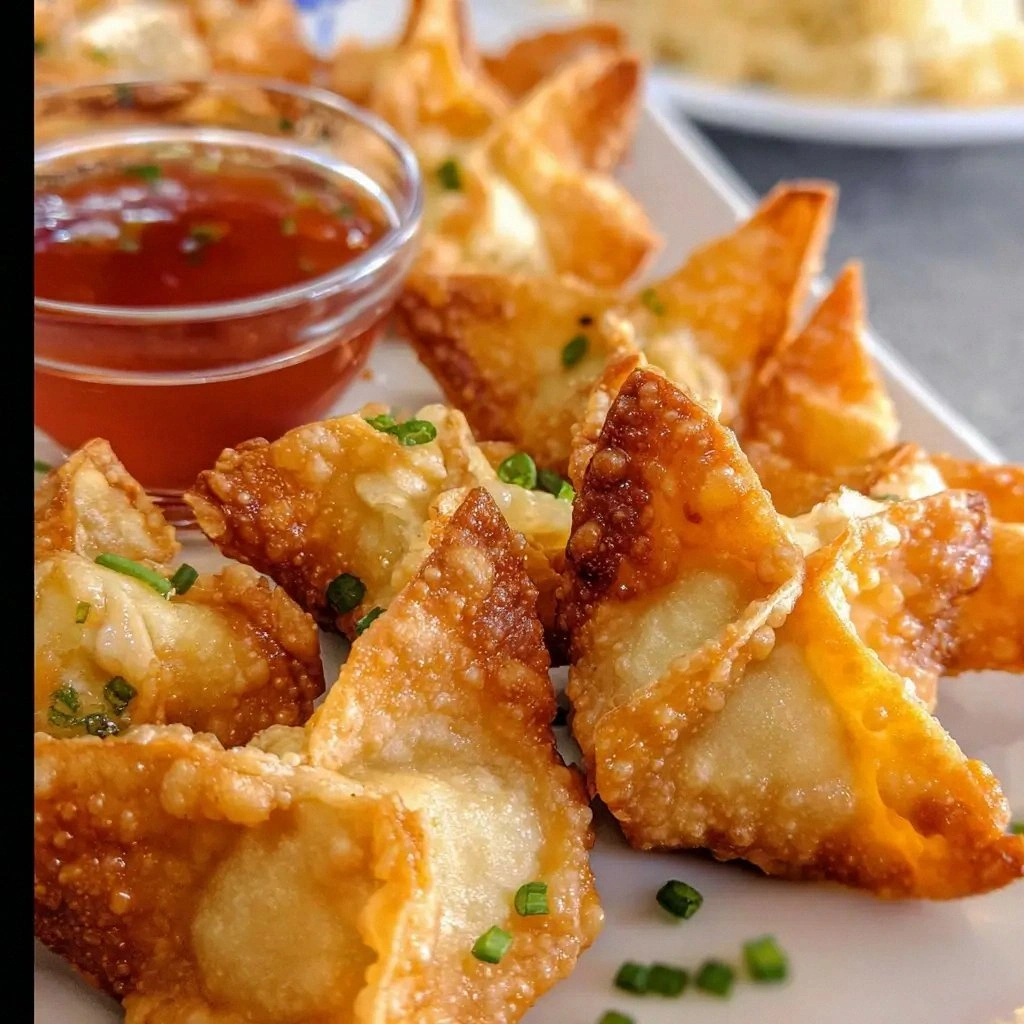
The Method — Step by Step
- Combine 1 cup of crab meat, 1 cup of cream cheese, 1/2 cup chopped green onions, 1 tsp garlic powder, 1 tsp soy sauce, 1 tsp sesame oil, a pinch of salt, and pepper in a bowl. Mix until the filling is smooth and cohesive. I swear the mixture should feel like a silky spread; if it’s too dry, add a splash of water. This step is crucial—over‑mixing can make the filling rubbery.
- Lay out 20 wonton wrappers on a clean surface. Place about a tablespoon of the filling in the center of each wrapper. Fold the wrapper into a triangle, pressing the edges together with a little water to seal. The seal should be tight enough that the filling doesn’t escape during frying.
- Heat 2 tbsp of vegetable oil in a large skillet over medium‑high heat. The oil should shimmer but not smoke. Test the temperature by dropping a small piece of wrapper into the oil—if it sizzles immediately, you’re ready.
- Carefully place the folded wrappers in the hot oil, a few at a time. Fry for 2–3 minutes per side until golden brown and crisp. Watch the edges—they should lift slightly off the pan, indicating crispness. Flip them gently with tongs.
- Remove the rangoon from the oil and let them drain on a paper towel for 30 seconds. The excess oil will evaporate, leaving a light, crisp finish.
- Serve immediately with a side of sweet chili sauce or a simple soy sauce dip. The heat of the sauce will contrast nicely with the cool, creamy interior.
- If you’re making a large batch, keep the fried rangoon warm in a low‑heat oven (around 200°F) on a wire rack. This prevents them from becoming soggy.
- Enjoy the first bite—watch the crunch, feel the warmth, taste the briny sweetness, and let the flavor linger. This is the moment of truth. You’ll be glad you followed every step.
That’s it — you did it. But hold on, I've got a few more tricks that'll take this to another level. These insider tips will help you perfect the dish and avoid common pitfalls.
Insider Tricks for Flawless Results
The Temperature Rule Nobody Follows
Frying at the right temperature is non‑negotiable. If the oil is too cold, the rangoon will absorb oil and become greasy; too hot, and the wrappers will burn before the filling sets. Aim for 350°F. I once used a lower heat, and the result was soggy, limp wrappers that collapsed under the filling.
Why Your Nose Knows Best
Before you flip, give the rangoon a quick sniff. A faint, nutty aroma from the sesame oil indicates the perfect crisp. If it smells more like burnt oil, you’re frying too fast.
The 5‑Minute Rest That Changes Everything
After frying, let the rangoon rest on a wire rack for 5 minutes. This allows steam to escape and the crust to firm up, preventing sogginess when you bite into it.
The Quick Chill Trick
If you’re prepping the filling ahead of time, refrigerate it for 30 minutes before assembling. This keeps the mixture from melting on the wrappers during frying.
The Sauce Swap
Instead of sweet chili, try a homemade garlic soy sauce. Combine 2 tbsp soy sauce, 1 tsp honey, 1 minced garlic clove, and a splash of rice vinegar. This gives a balanced sweet‑savory dip that complements the crab’s briny flavor.
Creative Twists and Variations
This recipe is a playground. Here are some of my favorite ways to switch things up:
Spicy Sriracha Rangoon
Add a tablespoon of sriracha to the filling for a fiery kick. The heat balances the richness of the cream cheese, creating a bold flavor profile that’s perfect for heat lovers.
Miso‑Infused Filling
Replace half the soy sauce with miso paste. The fermented flavor adds depth and a subtle sweetness that pairs beautifully with crab.
Citrus‑Zest Rangoon
Stir in a teaspoon of lemon zest and a squeeze of lime juice. The citrus brightens the dish, cutting through the richness and adding a refreshing note.
Vegetarian Crab Rangoon
Use a plant‑based crab alternative and a vegan cream cheese. The texture remains creamy, and the flavor stays authentic.
Ginger‑Garlic Crunch
Add finely grated ginger and minced garlic to the filling. This aromatic combination gives a warm, comforting undertone that’s especially good in cooler months.
Storing and Bringing It Back to Life
Fridge Storage
Store uncooked wrappers in an airtight container in the fridge for up to 2 days. Keep the filling in a separate sealed container; it will stay fresh for 24 hours. This prep‑friendly approach saves time during a busy weeknight.
Freezer Friendly
Assemble the rangoon and place them on a parchment‑lined tray. Freeze for up to 3 months. When ready to cook, fry directly from the freezer; just add an extra minute per side. The texture remains crisp.
Best Reheating Method
Reheat in a 350°F oven for 8 minutes. For extra crispness, finish with a quick blast of the broiler for 1 minute. Add a tiny splash of water to the pan before reheating; it steams back to perfection, keeping the filling moist.