I’m going to be blunt: the first time I tried to make lasagna the traditional way, I ended up with a pan of soggy noodles, a sauce that could double as a wall‑paper paste, and a kitchen that smelled like a tomato‑scented fire alarm. I was ready to throw in the towel and order pizza, until a friend dared me to try a “one‑pot” version that promised “no‑boil noodles, no‑mess, all‑the‑wow”. I accepted the challenge, rolled up my sleeves, and discovered a method that turned my culinary disaster into a triumph that still haunts my taste buds. That night, the aroma of simmering garlic, browned meat, and bubbling cheese filled the apartment like a warm hug, and I swear even the fire alarm gave a silent applause.
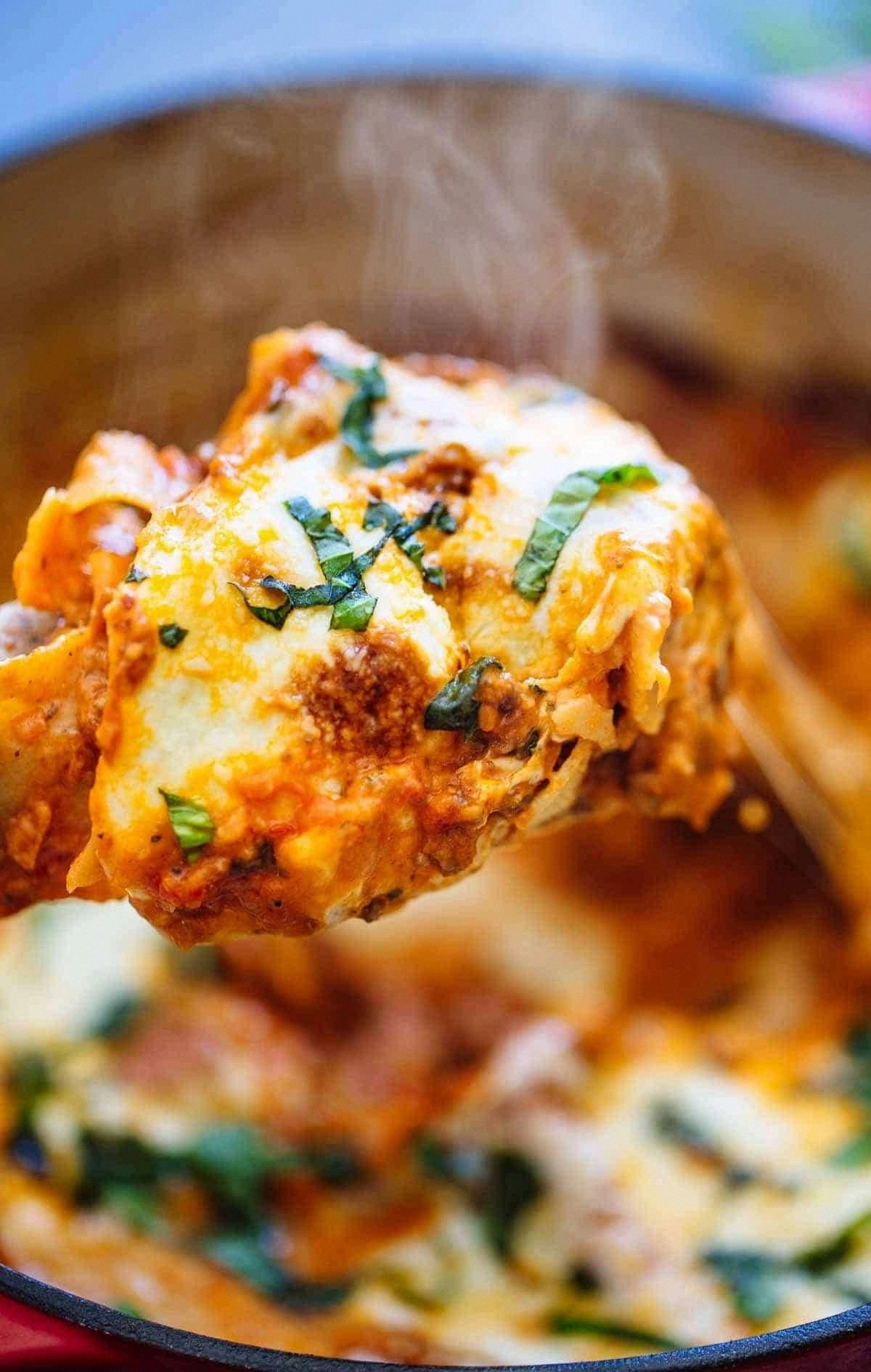
Picture this: a heavy‑bottomed Dutch oven humming on the stove, the sizzle of olive oil as it kisses diced onion, the caramelized edge of garlic that makes your nostrils do a happy dance. The sauce, a ruby‑red river, coats each broken noodle piece like velvet, while the cheese melts into golden‑brown ribbons that stretch like a buttery sunrise. The whole thing looks like a lasagna that’s been given a backstage pass to the kitchen’s center stage—no layers, no fuss, just pure, unadulterated comfort. When you finally scoop a generous portion onto a plate, the steam rises, the cheese crackles, and the first bite is a perfect marriage of tangy tomato, savory meat, and creamy ricotta that makes you question every lasagna you’ve ever known.
What makes this version truly special is the way it sidesteps the classic pitfalls of lasagna: no‑boil noodles that never overcook, a sauce that thickens in the same pot that cooks the pasta, and a cheese layer that browns without a separate broiler. Most recipes get this completely wrong—either you end up with mushy noodles that dissolve into the sauce, or you have to juggle multiple pans and a baking dish, turning dinner into a marathon. I’ve cracked the code with a single pot, a handful of ingredients, and a few tricks that feel like cheating. I dare you to taste this and not go back for seconds; the flavor is so layered, you’ll think you spent hours in the kitchen.
And here’s the kicker: I’m about to reveal a secret ingredient that most “one‑pot lasagna” recipes forget—a splash of water (or broth) that keeps the noodles al dente and the sauce from turning into a gluey mess. It’s a tiny detail, but it’s the difference between a dish that sings and one that sighs. Let me walk you through every single step — by the end, you’ll wonder how you ever made it any other way.
What Makes This Version Stand Out
- Flavor Explosion: The sauce is built from ground beef, Italian sausage, and a blend of herbs that creates depth far beyond a jarred marinara. Each spoonful hits you with a savory umami punch that lingers.
- Texture Harmony: The broken lasagna noodles soak up just enough liquid to stay tender without turning mushy, while the cheese forms a crispy top that shatters like thin ice when you dig in.
- One‑Pot Simplicity: No baking dishes, no pre‑boiling, no juggling. Everything happens in a single Dutch oven, meaning cleanup is a breeze and you can actually enjoy the meal.
- Unexpected Star: A splash of broth (or water) added mid‑cooking keeps the noodles perfectly al dente and prevents the sauce from over‑reducing.
- Crowd‑Pleaser: Even picky eaters love the cheesy pull and the hearty meat sauce—perfect for family dinners or casual game‑night gatherings.
- Ingredient Quality: Using fresh garlic, high‑quality Italian sausage, and real mozzarella elevates this dish from “comfort” to “celebration” level.
- Make‑Ahead Magic: This lasagna stores beautifully in the fridge and even freezes well, making it a perfect make‑ahead meal for busy weeks.
- Speedy Turnaround: From prep to plate in under an hour, it beats traditional lasagna by a solid 30‑45 minutes.
Inside the Ingredient List
The Flavor Base
Ground beef and Italian sausage form the backbone of this dish, delivering a rich, meaty foundation that carries the herbs and tomato forward. The beef brings a classic, familiar taste, while the sausage adds a subtle fennel note that brightens the sauce. If you skip the sausage, you’ll lose that depth and the dish may taste a little flat, so I highly recommend keeping both. For a leaner version, swap half the beef for ground turkey, but stay loyal to the sausage for that signature flavor.
The Texture Crew
Broken lasagna noodles are the hero of texture—they soak up the sauce without turning to mush, creating a perfect bite that’s both sturdy and tender. The cheese trio—ricotta, mozzarella, and Parmesan—delivers creamy pockets, melty stretch, and a sharp, salty finish. If you skip the ricotta, the dish loses its luscious middle layer; if you skip mozzarella, you’ll miss the glorious stretch. Freshly grated Parmesan on top adds that final caramelized crunch that makes the crust sing.
The Unexpected Star
A cup of water (or low‑sodium broth) might sound boring, but it’s the secret that keeps the noodles from over‑cooking and the sauce from thickening too fast. It creates a gentle steam environment, allowing the pasta to hydrate evenly while the sauce remains saucy, not gluey. If you omit this liquid, you’ll end up with a dry, clumpy mess that no amount of cheese can rescue. For an extra flavor boost, use chicken broth instead of plain water.
The Final Flourish
Fresh herbs—dried oregano and basil—infuse the sauce with aromatic notes that balance the acidity of the tomatoes. A pinch of salt and black pepper enhances every component, while olive oil adds a silky mouthfeel and helps the onions caramelize. If you’re out of dried herbs, a teaspoon of Italian seasoning works as a quick substitute, but the classic combo yields the most authentic taste. When buying mozzarella, opt for the low‑moisture shredded variety for the best melt and browning.
Everything's prepped? Good. Let's get into the real action…
The Method — Step by Step
Heat 2 tablespoons of olive oil in a large, heavy‑bottomed Dutch oven over medium heat. Once the oil shimmers, add the diced onion and let it sweat for about three minutes, stirring occasionally until it becomes translucent and just starts to turn golden at the edges. This is the foundation of flavor, so don’t rush it—listen for the soft sizzle that tells you the onions are ready. Pro tip: If the onions start to brown too quickly, lower the heat; you want a gentle caramelization, not a char.
Add the minced garlic, stirring for 30 seconds until you smell that unmistakable aromatic punch. At this point, the kitchen should feel like a tiny Italian trattoria, with the scent of garlic hugging the air. Watch Out: Garlic burns faster than onions; keep the pan moving and be ready to turn the heat down if you see any brown specks forming.
Crank the heat up slightly and toss in the ground beef and Italian sausage, breaking it up with a wooden spoon. Cook until the meat loses its pink hue and starts to brown, about five to seven minutes. You’ll hear a satisfying sizzle as the fat renders, and the meat will develop those caramelized bits that add depth.
Kitchen Hack: Sprinkle a pinch of salt on the meat as it cooks; this draws out moisture and speeds up browning.Drain any excess fat if you like a leaner sauce, then stir in the crushed tomatoes, tomato sauce, and a cup of water (or broth). Add the dried oregano, dried basil, salt, and pepper. Bring the mixture to a gentle boil, then reduce to a simmer. The sauce should bubble softly, not roar; this is the moment where flavors meld. Let it simmer for ten minutes, stirring occasionally, until it thickens just enough to coat the back of a spoon.
While the sauce simmers, break the lasagna noodles into roughly 2‑inch pieces and add them directly into the pot. Ensure every piece is submerged; if the sauce looks a little thin, add an extra splash of water. Cover the pot with a tight‑fitting lid and let the noodles cook for about 12‑15 minutes, stirring once halfway through to prevent sticking. The noodles will soften and soak up the sauce, turning the whole pot into a giant, saucy casserole.
Once the noodles are tender, turn off the heat and dollop the ricotta cheese over the surface, scattering it in generous blobs. Using a spatula, gently swirl the ricotta into the mixture—don’t over‑mix; you want pockets of creamy ricotta that melt into the sauce. Then sprinkle the shredded mozzarella evenly and finish with the grated Parmesan. The cheese will begin to melt from the residual heat, creating that glorious gooey texture.
Replace the lid and let the pot sit, undisturbed, for five minutes. This resting period allows the cheese to set slightly and the flavors to harmonize. When you finally uncover, you’ll see a bubbling, golden‑brown crust forming at the edges—pure visual satisfaction. This next part? Pure magic. Use a sturdy spoon to serve, scooping a hearty portion that includes noodles, sauce, and a glorious cheese string.
Serve hot, garnished with a handful of freshly chopped basil or a drizzle of extra‑virgin olive oil if you like. Pair with a crisp green salad and a glass of Chianti for the full Italian experience. And remember: I’ll be honest — I ate half the batch before anyone else got to try it, because it was that good.
That's it — you did it. But hold on, I've got a few more tricks that'll take this to another level. These insider tips will ensure every bite is perfect, whether you're cooking for a crowd or just treating yourself to a midnight comfort feast.
Insider Tricks for Flawless Results
The Temperature Rule Nobody Follows
Never cook the sauce on high heat for more than a few minutes; a gentle simmer allows the flavors to marry without scorching. I once tried to speed things up by cranking the burner, and the sauce turned bitter, ruining the whole dish. Keep the temperature steady, and you’ll get a sauce that’s silky, not gritty. This tip alone can shave off a dreaded “metallic” aftertaste that some store‑bought sauces have.
Why Your Nose Knows Best
Your nose is the ultimate timer. When the onions turn translucent and the garlic releases its perfume, you know the base is ready. When the meat starts to brown and you hear that faint crackle, the umami is building. Trust those cues more than the clock; they’re reliable indicators that you’re on the right track. If you ever feel lost, just follow the scent trail.
The 5‑Minute Rest That Changes Everything
After you pull the pot off the heat, let it sit covered for five minutes. This short rest lets the starches in the noodles finish absorbing the sauce, preventing a dry bite. It also lets the cheese settle, giving you cleaner scoops. Skipping this step is a common mistake that leads to a sloppy plate; I’ve seen it happen a lot, and it’s heartbreaking.
Layer‑Free, Yet Layered Flavor
Even without traditional layers, you can achieve depth by stirring the ricotta gently into the sauce, creating pockets of creaminess. A friend tried to skip the ricotta swirl and ended up with a uniform, less exciting texture. The pockets of ricotta melt into the sauce, giving each bite a surprise center that feels like a secret.
The One‑Pot Secret: Keep the Lid On
Resist the urge to peek too often. The lid traps steam, which is essential for cooking the noodles evenly. Lifting the lid prematurely releases that steam, leading to unevenly cooked pasta. I’ve learned the hard way that patience here pays off in a perfect bite‑size noodle texture.
Creative Twists and Variations
This recipe is a playground. Here are some of my favorite ways to switch things up:
Spicy Chipotle Kick
Swap the Italian sausage for chorizo and stir in a tablespoon of chipotle in adobo sauce. The smoky heat cuts through the richness, making it perfect for those who love a little fire. Serve with a cooling dollop of sour cream if you’re feeling daring.
Vegetarian Garden Delight
Leave out the meat and double the amount of chopped zucchini, bell peppers, and mushrooms. Add a splash of soy sauce for umami, and finish with a sprinkle of fresh thyme. The veggies soak up the sauce beautifully, creating a hearty, plant‑based comfort dish.
Creamy Spinach‑Ricotta Fusion
Stir in two cups of fresh spinach right after the sauce simmers. The spinach wilts into the sauce, adding a vibrant green hue and a subtle earthiness. Pair with a touch of nutmeg in the ricotta for a sophisticated flavor profile.
Four‑Cheese Overload
Add a quarter cup of grated Gruyère and a quarter cup of shredded provolone alongside the mozzarella. The blend creates a richer, more complex melt that stretches like silk. It’s a cheese lover’s dream, but watch the sodium levels!
Mediterranean Twist
Replace the Italian sausage with ground lamb, sprinkle in a teaspoon of cinnamon, and finish with crumbled feta. The aromatic spices give the dish a Mediterranean flair that’s unexpected yet delightful. Serve with a side of tzatziki for a full experience.
Storing and Bringing It Back to Life
Fridge Storage
Allow the lasagna to cool to room temperature (no more than two hours), then transfer it to an airtight container. It will keep fresh for up to three days. When reheating, add a tablespoon of water, cover, and microwave on medium for two minutes, stirring halfway.
Freezer Friendly
Portion the lasagna into freezer‑safe bags or containers, leaving a little headspace for expansion. Freeze for up to three months. To reheat, thaw overnight in the fridge, then bake uncovered at 350°F for 20‑25 minutes, adding a splash of broth halfway through.
Best Reheating Method
The secret to reviving this dish is steam. Place a thin layer of water on the surface, cover tightly with foil, and heat in a 325°F oven for 15‑20 minutes. The steam re‑hydrates the noodles and melts the cheese back into a silky sheen, making it taste as fresh as day one.