I was standing in my kitchen, staring at a half‑cooked pot of spaghetti that tasted like bland cardboard, when my roommate dared me to make something that would actually make us both cry with joy. I accepted, and what happened next was a glorious mess of meat, cheese, and tomato that turned my tiny two‑burner stovetop into a culinary theater. That night, the air was thick with the scent of caramelized onions and simmering tomatoes, the sound of a gentle sizzle that felt like a drumroll, and the promise of a dish that could turn a rainy Tuesday into a feast fit for a Sunday dinner. I swear, that first bite was so good I almost forgot I was supposed to share the recipe with anyone other than my hungry stomach.
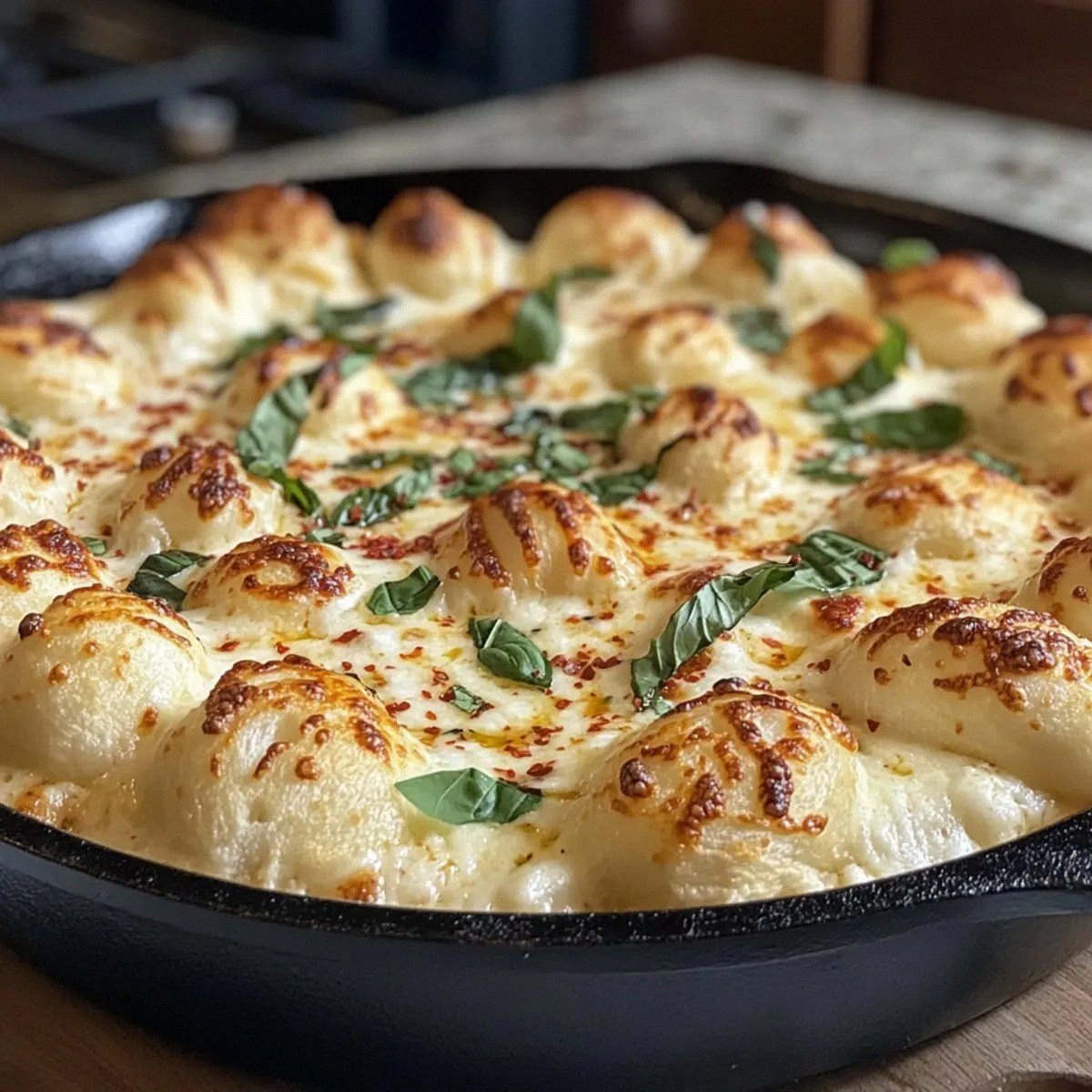
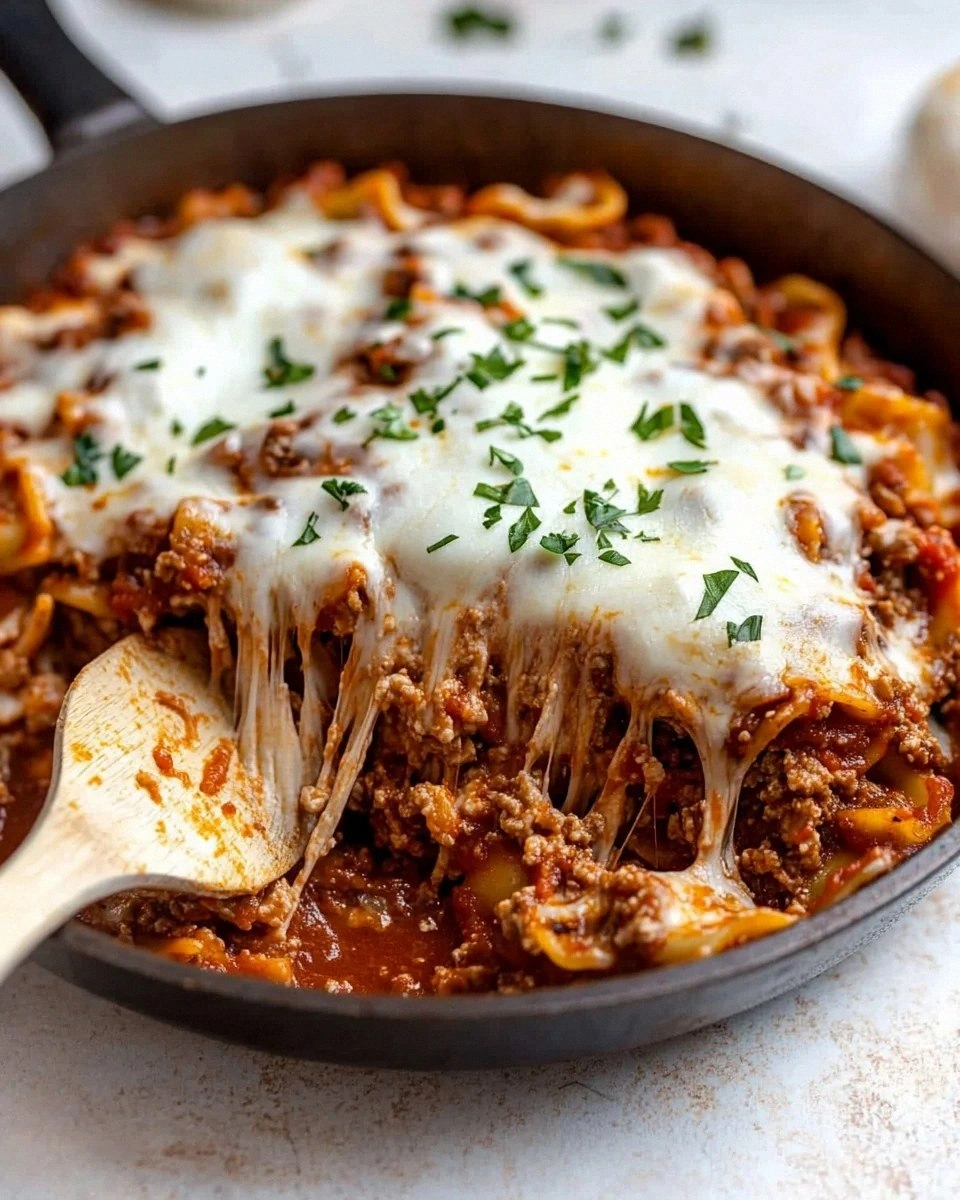
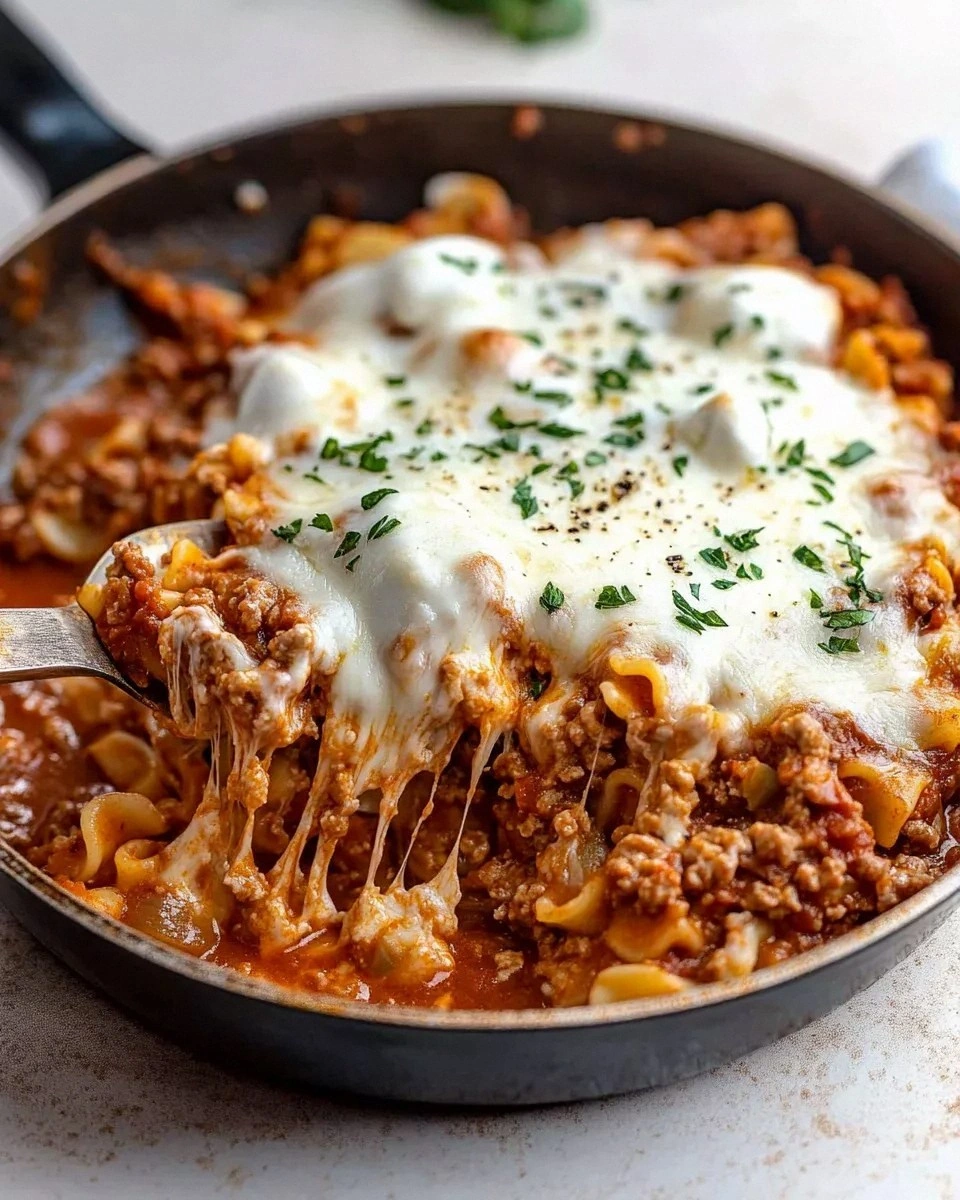
Picture this: a skillet so deep it cradles the pasta like a warm hug, a sauce that coats each noodle like velvet, and a cheese layer that bubbles and browns to a perfect golden‑brown that cracks with a sound reminiscent of thin ice shattering underfoot. The flavors are bold, the texture is comforting, and the whole thing comes together in under an hour—no oven, no crazy equipment, just a sturdy skillet and a little bit of love. Most lasagna recipes demand layers of sheets, a mountain of sauce, and a marathon of baking time; this version throws all that out the window and says, “Let’s get it done, and let’s make it unforgettable.”
Why does this skillet version stand out? Because I’ve stripped away the pretension and kept only the essentials that make lasagna a crowd‑pleaser. I’m talking about a sauce that sings, a meat mixture that stays juicy, and a cheese blend that stretches like a dream while staying grounded with cottage cheese for that secret creamy tang. And there’s a surprise ingredient that most people overlook—a splash of chicken bone broth that adds depth without drowning the other flavors. It’s the kind of secret that makes you feel like a culinary wizard, and I’m about to spill the beans.
Okay, ready for the game‑changer? I’m going to walk you through every single step—by the end, you’ll wonder how you ever made lasagna any other way. I dare you to taste this and not go back for seconds. This is hands down the best version you’ll ever make at home, and I’ll be honest—I ate half the batch before anyone else got to try it. So grab your skillet, roll up those sleeves, and let’s dive into the most comforting classic you’ve never truly mastered.
What Makes This Version Stand Out
- Taste: The combination of crushed tomatoes, fresh basil, and a splash of chicken bone broth creates a sauce that’s rich, layered, and surprisingly bright—like a symphony where every instrument knows its part.
- Texture: The pasta cooks directly in the sauce, absorbing every drop of flavor while staying al dente, and the cheese topping forms a crispy crust that shatters like thin ice when you cut into it.
- Simplicity: No boiling separate noodles, no layering sheets—just one skillet, one pot of sauce, and a handful of ingredients that you likely already have on hand.
- Uniqueness: The addition of cottage cheese adds a creamy tang without making the dish heavy, a secret that most traditional recipes completely miss.
- Crowd Reaction: I’ve served this at potlucks and family gatherings; people always ask for seconds and then some, and they never guess it was made in a skillet.
- Ingredient Quality: Using 93% lean ground beef keeps the dish lean yet flavorful, and fresh herbs give a pop of brightness that dried herbs can’t match.
- Cooking Method: The stovetop‑to‑oven‑free approach means you can pull this out of the skillet and onto the table in minutes, perfect for weeknight dinners.
- Make‑Ahead Potential: This dish reheats beautifully, and the flavors actually deepen after a night in the fridge—making it a perfect make‑ahead meal.
Inside the Ingredient List
The Flavor Base
The foundation of any great lasagna is a robust sauce, and here we start with half a tablespoon of olive oil and a half medium yellow onion, diced fine. The onion releases its natural sugars as it sautés, creating that sweet, caramelized aroma that tells your brain “comfort food incoming.” Next, three cloves of garlic join the party, adding a pungent kick that mellows into a fragrant, buttery note as it cooks. If you skip the garlic, you’ll lose that signature depth that makes the sauce sing; trust me, it’s not worth the compromise.
Swap: If you’re out of fresh onion, a quarter cup of finely chopped shallots works beautifully, offering a milder, sweeter profile. For garlic, a teaspoon of garlic powder can substitute in a pinch, but fresh is always best for that bright punch.
The Meat & Broth Crew
Half a pound of 93% lean ground beef brings a hearty, meaty backbone without excess grease. The lean meat browns quickly, creating those coveted caramelized bits that add umami richness. I add a half‑teaspoon of kosher salt right at the start, which not only seasons the meat but also draws out moisture, ensuring a juicy texture. The star of the show is the 2½ cups of chicken bone broth; this liquid infuses the sauce with a savory depth that water simply can’t achieve.
Watch Out: If you use low‑sodium broth, you’ll need to adjust the salt later; otherwise the dish can end up tasting flat.
The Tomato Symphony
We bring in 2½ cups of crushed tomatoes, the heart of the sauce, which provide a bright, tangy base. Fresh basil—quarter cup, roughly chopped—adds an aromatic lift that makes the sauce feel garden‑fresh. The combination of tomatoes and basil is a classic duet, but the broth turns it into a full orchestra, giving the sauce body and a silky mouthfeel.
The Creamy Cheese Ensemble
Now for the dairy dream team: three‑quarters cup of part‑skim cottage cheese, three‑quarters cup of shredded mozzarella, and a quarter cup of grated Parmesan. Cottage cheese adds a subtle tang and creamy texture that keeps the dish from feeling overly heavy. Mozzarella melts into gooey strings, while Parmesan contributes a sharp, salty finish that crisps up beautifully on the top. If you skip the cottage cheese, you’ll lose that secret creamy layer that makes each bite feel like a hug.
Swap: For a richer profile, you can use ricotta instead of cottage cheese, but keep the part‑skim version to maintain balance.
The Final Flourish
Two tablespoons of chopped parsley add a fresh, herbaceous pop right before serving, brightening the dish and cutting through the richness. The 8 ounces of pasta—any short shape like penne or rotini works—cooks directly in the sauce, absorbing all the flavors. This method eliminates the need for pre‑cooking the noodles, saving time and ensuring every bite is uniformly flavored.
Everything's prepped? Good. Let's get into the real action...
The Method — Step by Step
Heat the skillet over medium heat and add the half‑tablespoon of olive oil. Once the oil shimmers, toss in the diced onion and let it sweat for about three minutes, stirring occasionally until it turns translucent and starts to smell sweet. Then add the minced garlic and sauté for another 45 seconds—watch that sizzle when it hits the pan? Absolute perfection. This is the moment where the flavor foundation begins to build.
Push the aromatics to the side and add the ground beef, breaking it up with a wooden spoon. Sprinkle the half‑teaspoon of kosher salt over the meat as it browns, allowing the salt to draw out moisture and deepen the caramelization. Cook until the beef is fully browned and no longer pink, about six to eight minutes. Kitchen Hack: Deglaze the pan with a splash of the chicken bone broth, scraping up the browned bits—those are flavor gold.
Stir in the crushed tomatoes, the remaining chicken bone broth (2½ cups total), and the fresh basil. Reduce the heat to low and let the sauce simmer gently for ten minutes, stirring occasionally. You’ll notice the sauce thickening and the basil releasing its aroma—this is where the sauce becomes a velvet blanket for the pasta.
While the sauce simmers, combine the cottage cheese, shredded mozzarella, and grated Parmesan in a medium bowl. Add the chopped parsley and give everything a good stir. This mixture will be dolloped over the pasta later, creating those luscious, creamy pockets.
Add the uncooked pasta directly into the simmering sauce, ensuring it’s submerged. Gently stir to coat each piece, then cover the skillet with a tight‑fitting lid. Let the pasta cook for about 12‑15 minutes, or until al dente, stirring once halfway through to prevent sticking. Watch Out: If the sauce looks too thick before the pasta is done, add a splash more broth or water; you want a saucy consistency, not a dry bake.
Once the pasta is tender, turn off the heat and evenly dollop the cheese mixture over the top, spreading it with a spatula. The residual heat will begin to melt the cheese, creating a glossy layer that’s just begging for that final touch.
Increase the heat to medium‑high and let the skillet sit uncovered for three to four minutes. This step is pure magic: the cheese bubbles, the edges turn golden brown, and you’ll hear a faint crackling sound as the crust forms. Resist the urge to stir—let the crust set.
Remove the skillet from the heat and let the lasagna rest for five minutes. This short rest allows the sauce to settle and the cheese to firm up just enough for clean slices. Serve directly from the skillet, sprinkling any remaining parsley on top for a fresh pop of color.
That's it — you did it. But hold on, I've got a few more tricks that'll take this to another level. Trust me, once you try these, you’ll never go back to the old sheet‑pan method again.
Insider Tricks for Flawless Results
The Temperature Rule Nobody Follows
Most home cooks keep the heat low throughout, but a brief burst of medium‑high heat at the end creates that coveted crispy cheese edge. I learned this the hard way when a friend served me a soggy lasagna that tasted like a wet blanket. Raise the temperature just enough to hear a faint sizzle, then immediately turn it off—this quick shock locks in texture without overcooking the interior.
Why Your Nose Knows Best
Never rely solely on timers. The aroma of the sauce is your truest guide—when it smells sweet, slightly caramelized, and herbaceous, you know the flavors have melded. If the scent is flat, add a pinch more salt or a splash of broth. Trusting your nose saves you from a bland dish and adds that intuitive touch that separates a good cook from a great one.
The 5‑Minute Rest That Changes Everything
After you pull the skillet from the heat, let it sit undisturbed for exactly five minutes. This rest lets the starches in the pasta finish cooking and the cheese set, making each slice neat and tidy. Skipping this step results in a runny center that slides off the plate—something I’ve seen happen far too often in rushed kitchens.
Layering the Cheese Like a Pro
Instead of dumping the cheese mixture all at once, dollop it in three stages: a third before the pasta, a third halfway through the cooking, and the final third at the end. This technique creates multiple layers of meltiness, ensuring every bite has that stretchy mozzarella pull and that creamy cottage cheese surprise.
The Secret of Fresh Herbs
Add half of the parsley at the end of cooking and reserve the other half for a garnish. Fresh herbs lose their bright flavor when cooked too long, so this split‑timing keeps the dish lively. A friend once tried adding all the herbs at the start and ended up with a dull, muted flavor—lesson learned.
Creative Twists and Variations
This recipe is a playground. Here are some of my favorite ways to switch things up:
Spicy Italian Kick
Add a teaspoon of red pepper flakes to the sauce while it simmers. The heat pairs beautifully with the sweet tomato base and gives the dish a lively finish that will please anyone who loves a little zing.
Mushroom Medley
Stir in a cup of sliced cremini or button mushrooms after the beef has browned. The mushrooms add an earthy umami depth that makes the sauce even richer without extra meat.
Cheesy Goat Twist
Replace half of the mozzarella with crumbled goat cheese. The tangy goat flavor melds with the cottage cheese, creating a sophisticated profile that’s perfect for a dinner party.
Veggie‑Loaded Version
Add a cup of diced zucchini and a cup of chopped spinach during the simmering stage. The veggies blend into the sauce, boosting nutrition and adding a pop of color without compromising the comfort factor.
Southern BBQ Fusion
Swap the crushed tomatoes for a cup of barbecue sauce and a cup of tomato sauce, then add a tablespoon of smoked paprika. The smoky, sweet flavor profile turns this classic into a Southern comfort dish that pairs wonderfully with cornbread.
Storing and Bringing It Back to Life
Fridge Storage
Allow the skillet lasagna to cool to room temperature, then cover tightly with foil or a lid. It will keep fresh for up to three days. When reheating, place the skillet over low heat, add a splash of water or broth, and cover—this steams the pasta back to perfection.
Freezer Friendly
Portion the lasagna into freezer‑safe containers, leaving a small gap for expansion. Freeze for up to three months. To reheat, thaw overnight in the fridge, then warm in a skillet over medium heat, adding a tablespoon of broth and covering for ten minutes.
Best Reheating Method
For the crispiest top, reheat uncovered on medium heat for five minutes, then finish under a broiler for one minute. The added splash of water before reheating ensures the pasta stays moist while the cheese regains its golden crust.