Picture this: it is 11:30 p.m. on a random Tuesday, your fridge contains one heroic chicken and a half-empty jar of mayo, and you have just watched three separate YouTube videos that each swear they have the “real” Peruvian pollo a la brasa secret. You are starving, mildly delirious, and absolutely determined to taste that smoky, citrus-kissed bird with the creamy, electric-green sauce that haunts your food dreams. I have been there, friends. I have also been the person who lit the grill at midnight, accidentally set off the smoke alarm, and still ended up with a bird so juicy it practically sang. That chaotic night forced me to test every trick, shortcut, and old-wives’ tale until I landed on the version I am about to share. Spoiler alert: this is hands down the best version you will ever make at home, and you do not need a rotisserie spit, a wood-fired oven, or a Peruvian grandmother on speed dial—though abuela would still approve.
The first time I pulled this chicken from the oven, the kitchen smelled like a lime grove had collided with a smoky campfire. My roommate wandered in, eyes half-closed, mumbling, “What is that incredible smell?” Ten minutes later we were both standing over the cutting board, tearing off burnished shards of mahogany skin, dunking them into a silky green sauce that glows like kryptonite, and swearing we would never go back to plain roast chicken again. I dare you to taste this and not go back for thirds, let alone seconds. The meat stays so moist that even the breast, that notorious dry patch of disappointment, practically shreds itself into juicy ribbons. Meanwhile the skin crackles like thin ice under your boot, releasing a puff of cumin-scented steam that makes your neighbors question their life choices.
What sets this recipe apart from every other internet impostor is the layering of acid, salt, and smoke. Most recipes get this completely wrong—they dump in a bottle of soy sauce, call it “umami,” and ignore the traditional Andean trio of aji amarillo, lime, and huacatay that gives the dish its soul. Here we balance those big flavors with an overnight marinade that works like a spa treatment for your bird, plus a final blast of high heat that turns the exterior into a glistening bronze armor while the interior stays as tender as a lullaby. I will also confess something: I ate half the batch before anyone else got to try it, standing in my pajamas, using my fingers as utensils, promising myself “just one more bite” until the carcass looked like it had been picked clean by piranhas.
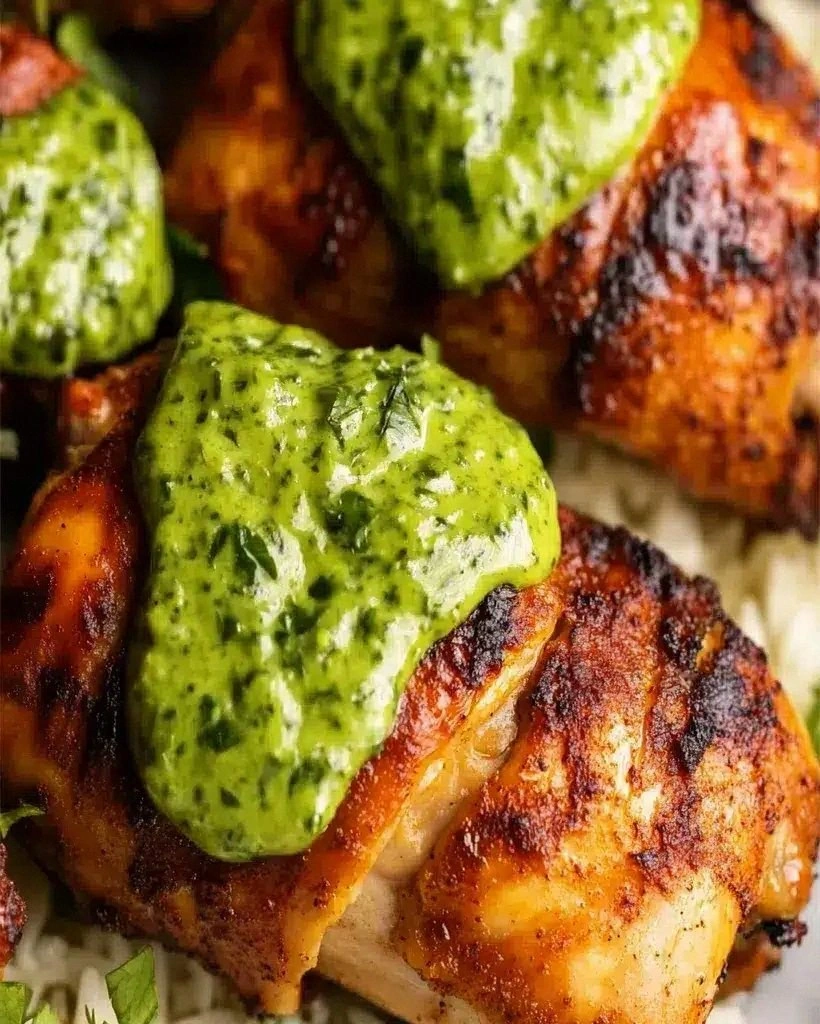
Okay, ready for the game-changer? Instead of the usual yogurt-thickened green sauce you see at fast-casual chains, we are going full throttle with queso fresco, a handful of herbs that smell like summer sunshine, and just enough heat to make your lips tingle without sending you scrambling for a fire extinguisher. Picture yourself pulling this out of the oven, the whole kitchen smelling incredible, your phone buzzing with texts from friends who somehow know you are up to something delicious. Stay with me here—this is worth every second, and by the end you will wonder how you ever made chicken any other way.
What Makes This Version Stand Out
- Flavor Bomb: The marinade hits every corner—lime for brightness, garlic for punch, cumin for earthiness, and aji amarillo for that fruity, sneaky heat that blooms minutes after you swallow. It penetrates right down to the bone, so even the last nibble of back meat tastes like a party.
- Texture Wizardry: We air-dry the skin overnight so it roasts into shatter-crisp shards, while a butter-basted finish keeps the meat absurdly succulent. Think of it as the best of both worlds: fried chicken crackle meets rotisserie juiciness.
- Zero Fancy Gear: No rotisserie? No problem. A sturdy rimmed sheet pan and a wire rack create convection heat that mimics spinning spits. If you have a cast-iron skillet, even better—the retained heat sears the thigh meat like a dream.
- Sauce That Doubles as Life Coach: The green sauce is creamy yet feather-light, tangy yet herbaceous, and so addictive you will find yourself spooning it onto eggs, toast, roasted vegetables, and, if we are being honest, straight from the bowl when no one is watching.
- Crowd Hypnosis: Bring this to a potluck and watch grown adults revert to primal cavepeople, hovering around the platter, trading polite conversation for grunts of delight. I have seen it convert vegetarians for one night only.
- Make-Ahead Superstar: Marinade for up to 48 hours means you can prep before busy weekdays, then roast in 40 minutes flat. The sauce keeps four days refrigerated and actually improves as the flavors meld, so Sunday-meal-prep you gets to look like a weekday gourmet genius.
Alright, let us break down exactly what goes into this masterpiece, starting with the humble shopping list that looks basic but hides superpowers.
Inside the Ingredient List
The Flavor Base
Garlic is the loud friend who makes every gathering better, and here we use an entire head because vampires are not invited to dinner. Smash the cloves with the flat of your knife, watch the papery skins flutter away like tiny ghosts, and mince until your board smells like a trattoria at peak hour. Lime juice is the backbone—fresh-squeezed, please; the bottled stuff tastes like a chemistry set wearing a cheap perfume. You will need three or four limes depending on their pluckiness; roll them hard on the counter before cutting to liberate every last drop of sunshine. Aji amarillo paste arrives in a tiny jar that looks inconsequential, yet it carries the soul of Peruvian cuisine—fruity, bright, with a slow burn that blooms like a sunset. If your grocery store thinks “international” means Tex-Mex shredded cheese, order the paste online; it ships like liquid gold and keeps for months in the fridge.
The Texture Crew
Our four-pound chicken should feel plump, cool, and slightly slippery, like it just stepped out of a spa. Pat the skin bone-dry with paper towels; moisture is the enemy of crispness, and we are aiming for cracker-level crunch. Kosher salt flakes are jagged little snowflakes that cling to every ridge of skin, drawing out surface moisture and setting the stage for the Maillard browning reaction that turns plain poultry into edible bronze. Olive oil carries fat-soluble flavors deep into the meat while helping spices stick like Velcro; use the everyday stuff, not the fancy finishing oil you bought on vacation. A final gloss of melted butter in the last ten minutes lacquers the skin into a glossy magazine-cover finish that shatters under your fork like the top of a creme brûlée.
The Unexpected Star
Huacatay, a.k.a. black mint, arrives in little frozen cubes at Latin markets or as a jarred paste that smells like mint, basil, and fresh-cut grass threw a party. If you cannot find it, swap in a 50/50 mix of cilantro and mint, but know you are missing the nostalgic flavor that Peruvians recognize instantly. This herb is what makes the green sauce taste like home to thousands of Limeño expats; skip it and the sauce still rocks, yet you will feel like you showed up to prom in sneakers instead of patent leather shoes. A single tablespoon is enough to perfume the entire bowl, so do not panic at the tiny quantity or the ominous dark-green color—it mellows into something magical once blended with the queso fresco.
The Final Flourish
Queso fresco is a mild, crumbly fresh cheese that melts on your tongue like snow, lending body to the sauce without the sour tang of yogurt or the heavy cream vibe of mayo-based dips. Crumble it into the blender; your machine will whip it into a cloud that coats the blades like velvet. A single jalapeño adds controlled heat—remove the seeds and ribs if you are feeding spice-shy relatives, or keep them for a sauce that tingles like pop rocks. Ice water loosens the blend without diluting flavor, keeping everything perky and bright. Finish with a squeeze of lime just before serving; the acid wakes up every other flavor like an espresso shot at 3 p.m.
Everything is prepped? Good. Let us get into the real action before the scent of roasted garlic overtakes our common sense.
The Method — Step by Step
- Whisk together lime juice, minced garlic, aji amarillo, cumin, smoked paprika, and a generous snowstorm of kosher salt in a bowl large enough to bathe your chicken in liquid confidence. The mixture will smell like a street market in Lima at noon—bright, edgy, and a little bit dangerous. Taste it; it should make your tongue dance but not slap you across the face. If the salt does not sing, add another pinch; this is your only chance to season deep inside the meat.
- Pat the chicken dry like you are towel-wrestling a wet cat—firm, thorough, and slightly comical. Slip a finger under the skin at the neck opening and gently separate the membrane from the breast, creating pockets for flavor espionage. Rub half of the marinade directly onto the meat under the skin, smearing it like sunscreen on a toddler—every crevice matters. Pour the remaining marinade into a zip-top bag, add the bird, squeeze out air, and massage the bag like you are coaxing a genie from a lamp. Refrigerate at least 8 hours, preferably 24; flip the bag whenever you open the fridge so the flavors stay democratic.
- The next day, remove the chicken from the bag and set it on a wire rack over a sheet pan. Discard the used marinade; it has done its heroic duty. Let the bird air-dry in the fridge, uncovered, for 8 to 12 hours. This step sounds trivial, but it is the difference between flabby disappointment and skin that crackles like a potato chip. That sizzle when it hits the pan? Absolute perfection.
- Preheat your oven to 450°F, or if you are a rebel with a convection setting, 425°F convection. Position the rack in the lower third so the breasts cook gently while the thighs get a fiery tan. Brush the skin with olive oil; it should glisten like a Mediterranean model in a sunscreen commercial. Season again with salt and pepper—yes, even though the marinade was salty, the surface needs a fresh coat for optimal crunch.
- Roast for 20 minutes undisturbed; this is the moment of truth where skin meets inferno and decides to become legendary. Meanwhile, melt two tablespoons of butter and keep it warm like liquid gold. After 20 minutes, brush the butter generously over the breast and drumsticks; the crackling will sigh and blister like old paint in summer heat.
- Drop the temperature to 375°F and continue roasting until the thickest part of the thigh reads 165°F on an instant-read thermometer, about 25 more minutes. Do not rely solely on time; if you have ever served pink chicken at a dinner party, you know the walk of shame back to the oven while guests politely nibble bread. Baste once more with pan juices halfway through for that magazine-worthy lacquer.
- Transfer the bird to a carving board and tent loosely with foil; let it rest 10 minutes so juices can reabsorb instead of flooding your cutting board like a tragic poultry crime scene. While it rests, pour off excess fat from the pan, leaving the caramelized fond for a quick pan sauce if you are feeling fancy. Whisk in a splash of lime juice and scrape up the browned bits; you will have a two-minute gravy that tastes like distilled roast chicken essence.
- Carve with confidence: remove legs first, then slice each breast in one majestic sweep, keeping the skin attached like a golden cape. Arrange on a platter, shower with fresh cilantro leaves, and serve alongside the green sauce in a bowl big enough for communal dunking. Stand back and watch the feeding frenzy unfold.
That is it—you did it. But hold on, I have got a few more tricks that will take this to another level and cement your status as neighborhood poultry legend.
Insider Tricks for Flawless Results
The Temperature Rule Nobody Follows
Pull the chicken at 160°F in the breast; carry-over heat will coast to the USDA-safe 165°F while it rests. If you wait until the thermometer already reads 165°F, the meat continues climbing past 170°F and turns into sawdust. A friend tried skipping this step once—let us just say it did not end well, and we still refer to that dinner as “The Great Chalk Incident.” Trust the thermometer more than the clock; time is a suggestion, temperature is gospel.
Why Your Nose Knows Best
The moment you smell roasted chicken mingling with garlic and cumin, your brain releases dopamine for a reason—it means the Maillard reaction is in full swing. If your kitchen still smells faintly raw or acidic, the bird needs more time. Conversely, if you detect a bitter, acrid note, the spices are burning and you should drop the oven temp by 25°F immediately. Your olfactory system is the original smart kitchen gadget; listen to it.
The 5-Minute Rest That Changes Everything
I know the platter looks Instagram-ready the second you pull it from the oven, but cutting too early is culinary self-sabotage. Letting meat rest allows proteins to reabsorb juices; skip it and you will watch a river of savory gold run across your board, carrying away every promise of succulence. Use the downtime to warm plates, finish the sauce, or bask in the applause—just keep the knife sheathed.
Creative Twists and Variations
This recipe is a playground. Here are some of my favorite ways to switch things up:
Smoky Paprika Paradise
Swap half the aji amarillo for smoked Spanish paprika and add a pinch of ground chipotle. You will get a deeper crimson hue and a campfire aroma that pairs brilliantly with grilled corn on the cob. Perfect for backyard cookouts where you want that Tex-Mex-Peruvian fusion vibe without buying a plane ticket.
Herb-Crusted Elegance
Mix panko with lemon zest, minced parsley, and a drizzle of oil, then press onto the breast for the final 15 minutes of roasting. The crumbs toast into a golden jacket that adds crunch worthy of a chef’s table. Serve with white wine and pretend you are in a fancy Lima bistro while still wearing slippers.
Spice-Level Daredevil
Keep the seeds in the jalapeño and add a teaspoon of aji panca paste to the marinade. The result is a slow-building heat that creeps up after the third bite, leaving your lips pleasantly numb and your taste buds wide awake. Great for game night when you need something to rival the wings.
Beer-Can Brilliance
Slide the marinated bird onto a half-full can of pale ale seasoned with extra lime and cumin. Roast vertically so steam from the beer keeps the interior moist while the exterior bronzes into a statuesque masterpiece. The presentation alone earns applause, and you get to say “beer-can chicken” in polite company without blushing.
Weeknight Sheet-Pan Shortcut
Spatchcock the chicken, press it flat, and roast atop sliced potatoes that soak up the schmaltzy juices. Dinner cooks in 35 minutes flat, and the potatoes emerge tasting like they were kissed by a thousand chickens. If you have ever struggled with weeknight boredom, you are not alone—and I have got the fix.
Storing and Bringing It Back to Life
Fridge Storage
Cool leftovers completely, then store meat and sauce separately in airtight containers. The chicken keeps up to four days refrigerated; the sauce lasts five but good luck having any left past day two. For maximum moisture, carve remaining meat off the bone and pack it in a shallow container so cold air circulates evenly.
Freezer Friendly
Wrap individual portions in plastic wrap, then foil, and freeze up to three months. Thaw overnight in the fridge, not on the counter—slow defrosting prevents the dreaded grainy texture. The sauce freezes into adorable herby ice cubes; pop one straight onto hot rice for instant flavor fireworks.
Best Reheating Method
Add a tiny splash of water to the chicken before covering loosely and warming in a 300°F oven for 12 minutes. Steam revives the fibers, while a final quick broil blisters the skin back to life. Microwaves work in a pinch, but expect slightly chewy skin—still leagues better than dry, sad poultry.