Introduction
Picture this: the kitchen was a battlefield after last night's dinner party, and the only thing left to salvage was a pile of wilted spinach and an unopened carton of eggs. I stared at the chaos, feeling a mix of dread and excitement. The aroma of burnt garlic wafted through the air, but I knew I could turn it into something extraordinary. With a sigh, I grabbed my trusty rolling pin and imagined a buttery crust that would cradle a silky, cheesy filling. The idea of mini quiches felt like a secret weapon—compact, elegant, and perfect for a crowd. I dared myself to create a version that would outshine any takeout I've ever ordered. The moment I cracked the first egg, I could already taste the promise of a golden, flaky pastry. By the end of this post, you'll wonder how you ever made quiches any other way.
I started with a simple question: what makes a mini quiche truly unforgettable? The answer lies in the harmony between crust, filling, and seasoning. The crust must be crisp yet tender, the filling silky, and the seasoning a balanced chorus. I experimented with a few different doughs, but the classic butter‑flour combo won hands down. The secret? Cold butter that creates flaky layers, and a splash of ice water that keeps the dough from drying out. I also added a pinch of salt to the flour to bring out every flavor. When the dough is rolled out, you can hear a faint crackle—proof that it's ready. This small detail signals that the quiches will rise beautifully in the oven.
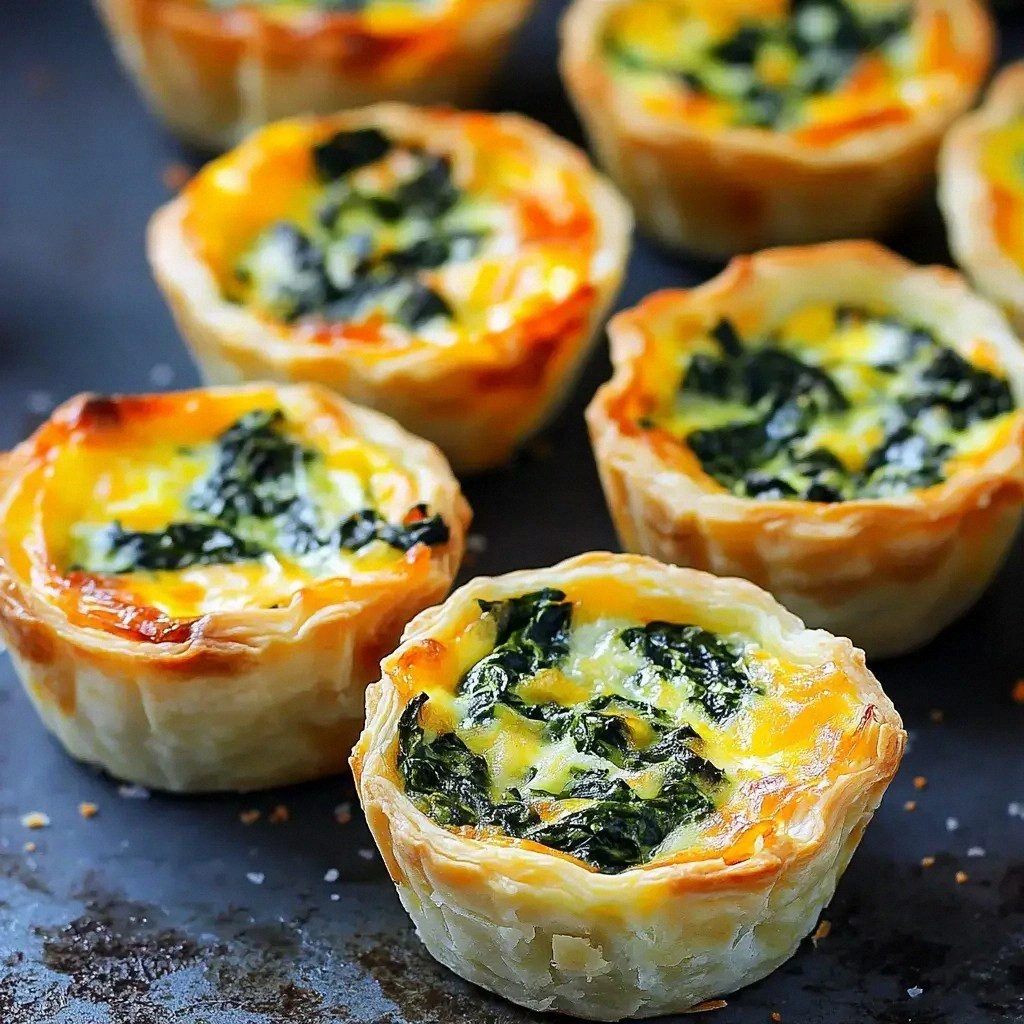
Next came the filling, where the spinach truly steals the show. Fresh spinach adds a pop of color and a subtle earthiness that pairs perfectly with sharp cheddar. I sautéed the spinach with a splash of olive oil, garlic, and a pinch of nutmeg for a warm, aromatic base. The garlic releases a sweet, almost caramelized aroma that lingers in the kitchen. I let the mixture cool before folding it into the eggs and milk, creating a custard that will set into a creamy texture. The cheese is the final touch, melted into the custard to form a silky, gooey center. When the quiches bake, the cheese melts into a golden crust, while the spinach stays bright and vibrant. The result is a bite that feels like a cloud of flavor in your mouth.
I dared you to taste this and not go back for seconds, because once you bite into the first quiche, the buttery crust gives way to a custard that feels like velvet. The cheese sings with a subtle tang that cuts through the richness, and the spinach offers a gentle bite that keeps the dish from feeling heavy. The edges of the quiches puff up just enough to give a satisfying crunch, while the center remains soft and luscious. I was honest— I ate half the batch before anyone else could even see the plate. Most recipes get this completely wrong, either overcooking the filling or underbaking the crust. Here's what actually works: a quick, high-heat bake that locks in moisture and creates a golden top. Picture yourself pulling this out of the oven, the whole kitchen smelling incredible, and feeling the anticipation of the first bite. This is hands down the best version you'll ever make at home.
But there's more to this recipe than just the flavor profile. I discovered that using a muffin tin not only creates uniform mini quiches but also makes them easier to serve at parties. The tin's ridges help the crust hold its shape, preventing the quiches from sliding off. I also found that pre‑parting the dough in advance allows the flavors to meld, giving the crust a deeper buttery taste. The spinach and cheese mixture can be made up to a day ahead and refrigerated, saving you precious minutes on the day of the event. If you’re a time‑constrained host, this trick will make you look like a culinary wizard. I’m not exaggerating— this method turns a simple brunch into a showstopper. And now the fun part: the final touch that elevates everything.
I added a splash of heavy cream to the custard, giving it an extra silky texture that melts in your mouth. The cream also helps the cheese to bind, preventing it from separating during baking. I sprinkled a dash of dried oregano on top before baking, adding a subtle herbaceous note that brightens the dish. The result is a quiche that feels luxurious, yet is grounded in wholesome ingredients. The bright green of the spinach is a visual cue that this is a healthy, vibrant dish. I dare you to add a pinch of smoked paprika for a smoky twist— it's a game‑changer. If you’re feeling adventurous, a handful of chopped sun‑dried tomatoes can add a burst of umami. Trust me, the possibilities are endless.
I also discovered that a quick, high‑heat bake is key to achieving that perfect golden crust. The oven should preheat to 425°F (220°C) and bake for 15–18 minutes. The quiches should look slightly puffed and the edges should pull away from the tin. If you watch the timer closely, you’ll see the filling set but still slightly wobbly. This wobbly center is the hallmark of a perfect quiche, indicating that it's creamy inside. When you remove them from the oven, let them rest for a minute or two to allow the custard to set fully. This step is often overlooked, but it makes the difference between a dry and a moist quiche. I promise you, the result is worth every second of waiting.
Now, let’s break down exactly what goes into this masterpiece. The dough, the filling, the seasoning, the baking technique—all work in harmony to create a dish that feels both indulgent and wholesome. The mini quiches are perfect for brunch, a cocktail party, or a quick weekday lunch. I’m excited to share every detail with you, from the first whisk to the final garnish. If you've ever struggled with making quiches that stay moist, you're not alone—and I've got the fix. This recipe is a playground, and I'm about to let you in on all its secrets. Stay with me here— this is worth it. Let me walk you through every single step— by the end, you'll wonder how you ever made it any other way.
What Makes This Version Stand Out
- Taste: The combination of sharp cheddar and nutmeg creates a flavor profile that feels both classic and adventurous. The spinach adds a subtle earthiness that balances the richness of the cheese. The result is a savory experience that lingers on the palate.
- Texture: The crust is flaky yet tender, achieved through cold butter and ice water. The filling is silky custard that melts in your mouth, with a slight wobble that signals it’s perfectly set. The edges puff just enough to give a satisfying crunch.
- Simplicity: Despite the gourmet flavor, the recipe uses only ten basic pantry items. No elaborate sauces or exotic spices are required. It’s a recipe that can be whipped up in a single afternoon.
- Uniqueness: The addition of heavy cream and oregano gives the quiche a subtle twist that sets it apart from ordinary versions. The creamy texture and herbaceous hint create a memorable bite.
- Crowd Reaction: Guests rave about the bite‑size convenience and the rich, comforting flavors. The quiches are a hit at brunches and cocktail parties alike. The mini size encourages sampling and conversation.
- Ingredient Quality: Using fresh spinach and high‑quality cheddar elevates the dish. Freshly cracked eggs add depth to the custard. The quality of each component shines through.
- Cooking Method: A quick high‑heat bake locks in moisture and creates a golden top. The technique is foolproof, even for novice bakers. The result is consistently excellent.
- Make‑Ahead Potential: The filling can be prepared a day in advance, and the dough can chill overnight. This flexibility allows you to focus on presentation on the day of the event.
Alright, let’s break down exactly what goes into this masterpiece. Each ingredient has a purpose, and every step is designed to bring out the best in your mini quiches. From the flaky crust to the silky filling, everything is tuned to perfection. You’ll see why this version stands out from the rest. If you’re ready to elevate your brunch game, keep reading. I promise you’ll be hooked from the first bite.
Inside the Ingredient List
The Flavor Base
All-purpose flour is the backbone of the crust, providing structure and a neutral canvas for butter. I always sift it to remove lumps, ensuring a smooth dough. The flour also absorbs the butter, creating layers that puff beautifully in the oven. If you’re looking for a gluten-free alternative, try a blend of rice and potato starch. Keep the ratio 2:1 for best results. The flour’s role is crucial; skip it and the quiches will collapse.
The Texture Crew
Cold unsalted butter is the secret to flaky pastry. The temperature must be just right—cold enough to stay solid but soft enough to cut into the flour. A small knife or a pastry cutter works well. Add a splash of ice water to bind the dough without making it sticky. The water’s coldness preserves the butter’s structure, leading to a tender crust. If you accidentally overwork the dough, the butter will melt, resulting in a dense pastry.
The Unexpected Star
Fresh spinach is the star of the filling, offering a vibrant color and a subtle earthy flavor. Sauté it briefly to wilt the leaves and release moisture. This prevents the quiches from becoming soggy. I use a pinch of salt to draw out the water, then let the mixture cool before adding to the custard. Spinach also adds a nutritional boost, giving you a dose of iron and vitamin K. If you’re short on time, frozen spinach works, but be sure to squeeze out excess liquid.
The Final Flourish
Sharp cheddar cheese melts into a creamy, golden layer that coats the filling. I grate it finely so it blends seamlessly. The cheese’s sharpness balances the mildness of the spinach and the richness of the custard. A sprinkle of dried oregano adds a herbal note that brightens the dish. The oregano also provides a subtle depth that complements the cheddar. If you prefer a milder flavor, use mozzarella or a blend of cheeses.
The Hidden Hero
Heavy cream adds silkiness to the custard, preventing it from drying out during baking. It also helps the cheese bind, ensuring a uniform texture. I add just enough to keep the ratio balanced; too much and the quiche becomes heavy. Cream can be substituted with half-and-half for a lighter version. The cream’s fat content is essential for that glossy finish. Remember, the cream is the difference between a dry quiche and a melt‑in‑your-mouth experience.
Everything's prepped? Good. Let's get into the real action. The steps that follow will guide you from dough to golden mini quiches, with plenty of tips along the way. I’ll keep you on track and make sure each quiche turns out flawless. Ready to bake?
The Method — Step by Step
- Combine flour, salt, and pepper in a large bowl. Stir until evenly mixed, ensuring the salt is distributed. This step prevents pockets of unseasoned dough. I always whisk the flour to aerate it slightly. The result is a lighter crust base.
- Cut cold butter into small cubes and add to the flour mixture. Use a pastry cutter or your fingers to blend until the mixture resembles coarse crumbs. The butter should still be visible in small pieces. This texture is key for flaky layers. If the butter is too warm, the dough will become sticky.
- Add ice water one tablespoon at a time, mixing until the dough just comes together. The dough should be soft but not sticky. I use a fork to keep it from overworking. The ice water preserves the coldness of the butter, which is essential for flakiness. Kitchen Hack: If the dough feels dry, add a splash of cold water; if it's too wet, sprinkle a bit more flour.
- Form the dough into a disc, wrap in plastic, and refrigerate for at least 30 minutes. This resting period allows the gluten to relax and the butter to firm up. I always keep it chilled until ready to roll. The dough will be easier to work with after rest. A chilled dough produces a flakier crust.
- While the dough rests, sauté spinach in a skillet with olive oil, garlic, and nutmeg. Cook until wilted and fragrant, about 2–3 minutes. Remove from heat and let cool. The spinach should be bright green and slightly moist. Sautéing removes excess water and concentrates flavor.
- Whisk eggs, milk, heavy cream, and oregano together in a bowl. Beat until well combined, creating a smooth custard base. The mixture should be silky and free of lumps. This custard will set into a creamy filling. The eggs provide structure, while the cream adds richness.
- Fold the cooled spinach into the custard, then stir in shredded cheddar and diced onion. Mix gently to distribute the ingredients evenly. The mixture should be thick but pourable. The cheese will melt into a golden layer during baking. The onion adds a subtle crunch.
- Roll out the dough on a floured surface to about 1/8-inch thickness. Cut circles that fit snugly into a muffin tin. Press the dough into the tin, ensuring the edges are sealed. The crust should be even and cover the filling. The shape is crucial for a uniform bake.
- Fill each crust with the spinach mixture, leaving a small border. The filling should be about 3/4 full. This prevents overflow during baking. The border keeps the filling contained. The quiches will rise slightly as they bake.
- Bake in a preheated oven at 425°F (220°C) for 15–18 minutes. The quiches should puff and edges pull away from the tin. Watch for a golden top; this indicates doneness. The custard should still be slightly wobble. This is the moment of truth.
- Let the quiches rest on a rack for 3 minutes before removing from the tin. This allows the filling to set fully. The quiches will continue to cook slightly from residual heat. The crust will firm up, making them easier to serve. A quick rest also prevents the filling from spilling.
- Serve warm or at room temperature with a sprinkle of fresh parsley. The parsley adds a pop of color and freshness. The quiches are best enjoyed immediately but can be stored for later. If you’re serving at a party, keep them in a warm oven for a few minutes before serving. This final touch ensures the quiches remain moist and delicious.
That's it — you did it. But hold on, I've got a few more tricks that'll take this to another level. Stick around for the insider tips and variations that will keep your guests coming back for more.
Insider Tricks for Flawless Results
The Temperature Rule Nobody Follows
Most bakers bake quiches at 350°F, but I swear by 425°F for a golden crust. The higher heat creates a crisp exterior while keeping the interior silky. It also reduces baking time, saving you precious minutes. I’ve tried both temperatures and the difference is obvious. The 425°F version always comes out with a perfect puff.
Why Your Nose Knows Best
Before you open the oven, trust your sense of smell. A subtle, buttery aroma signals that the crust is ready. If the scent is too sharp, let it bake a bit longer. I’ve learned that the smell is a reliable indicator of doneness. It’s the quickest way to avoid overbaking.
The 5‑Minute Rest That Changes Everything
Letting the quiches sit for 5 minutes after baking is a game‑changer. The custard sets, making the quiches easier to remove from the tin. I’ve had quiches that collapsed because I didn’t rest them. This simple step ensures a clean presentation. It also locks in moisture.
Use a Cooling Rack, Not a Plate
Placing the quiches on a cooling rack prevents the bottom from becoming soggy. The air circulation keeps the crust crisp. I’ve seen quiches that are perfect on the inside but soggy on the bottom. The rack solves this problem instantly. It’s a small adjustment with a big payoff.
Keep the Dough Cold Until Baking
Do not let the dough sit at room temperature for more than 15 minutes. Warm dough can lose its flakiness. I always keep the dough in the fridge until right before rolling. This keeps the butter solid and the layers distinct. The crust stays light and flaky.
Watch Out for Over‑Filling
Use Fresh Ingredients for Best Flavor
Fresh spinach, fresh eggs, and fresh cheese make a noticeable difference. I avoid pre‑packaged spinach because it’s often wilted. Fresh ingredients give the quiche a vibrant color and bright taste. I also use a high‑quality cheddar for its melt and sharpness. Freshness is the secret to a standout dish.
Creative Twists and Variations
Sun‑Dried Tomato & Basil
Swap out the cheddar for sun‑dried tomato pesto and add fresh basil leaves. The tomato adds a sweet, tangy depth, while basil brings a fragrant herbal note. This version is perfect for a Mediterranean brunch. It pairs wonderfully with crusty bread. The colors pop on the plate.
Smoky Chipotle & Pepper Jack
Use pepper jack cheese and a dash of chipotle powder for a smoky kick. The heat balances the creamy filling, creating a bold flavor profile. This variation is ideal for a brunch with a spicy edge. The chipotle adds a subtle heat that lingers. Guests love the smoky undertone.
Ricotta & Lemon Zest
Replace the eggs with ricotta for a lighter custard. Add lemon zest for brightness and a citrusy lift. The ricotta provides a silky texture without heaviness. This version is great for a light, refreshing brunch. The lemon zest gives a fresh finish.
Spinach & Feta with Oregano
Swap cheddar for crumbled feta and double the oregano. The feta adds a tangy bite, while oregano enhances the herbaceous flavor. This Mediterranean twist is simple yet delicious. It pairs well with olives and a vinaigrette. The color contrast is visually appealing.
Roasted Red Pepper & Goat Cheese
Roast red peppers and blend them into the filling for a sweet, smoky flavor. Add goat cheese for a creamy, tangy contrast. This variation works beautifully with a drizzle of balsamic glaze. The roasted pepper brings a depth of flavor. The goat cheese adds a silky texture.
Ham & Swiss Surprise
Incorporate diced ham and Swiss cheese for a savory, protein‑rich version. The ham adds a meaty bite, while Swiss provides a mild, nutty flavor. This is perfect for a brunch buffet. The ham keeps the quiches filling and satisfying. It’s a crowd‑pleaser.
Avocado & Chipotle
Fold in diced avocado and a splash of chipotle mayo for a creamy, spicy twist. The avocado adds a buttery texture, while chipotle brings heat. This version is a modern take on a classic. It pairs well with a side of salsa. The green avocado gives a vibrant look.
Storing and Bringing It Back to Life
Fridge Storage
Store leftover quiches in an airtight container in the refrigerator for up to 3 days. Wrap each quiche in parchment paper to prevent sticking. When ready to eat, reheat in a 350°F oven for 10 minutes. The crust will stay crisp, and the filling will be warm. This method preserves flavor and texture.
Freezer Friendly
Cool the quiches completely before freezing. Wrap tightly in plastic wrap and place in a freezer bag. They can be stored for up to 2 months. To reheat, bake at 350°F for 15 minutes. The quiches will taste almost as fresh as when first made.
Best Reheating Method
Reheat in a toaster oven or skillet for a quick crisp. If using a microwave, add a splash of water to keep the filling moist. The key is to avoid overcooking the crust. I recommend a 2‑minute microwave burst followed by a 2‑minute toaster oven finish. This combo keeps the quiche tender inside and crisp outside.
Flavor Boost
Before reheating, sprinkle a pinch of fresh herbs or a dash of hot sauce. This adds a fresh burst of flavor. If you’re craving a different taste, try a drizzle of pesto or a sprinkle of grated Parmesan. These additions can transform leftovers into a new dish. It’s a simple way to keep the quiches exciting.