I burned dinner three nights in a row last winter, each culinary catastrophe worse than the last. The first night, I scorched chicken so badly the smoke alarm became my dinner bell. The second, I turned rice into something resembling industrial adhesive. By the third night, my partner suggested—gently, with the kind of care reserved for the recently bereaved—that perhaps I should order takeout. But I was determined to crack the code of a satisfying, healthy dinner that didn't require culinary school or a pantry the size of a small country. That's when I stumbled into creating this Mediterranean Beef Bowl with Herbed Yogurt Sauce, and friends, everything changed.
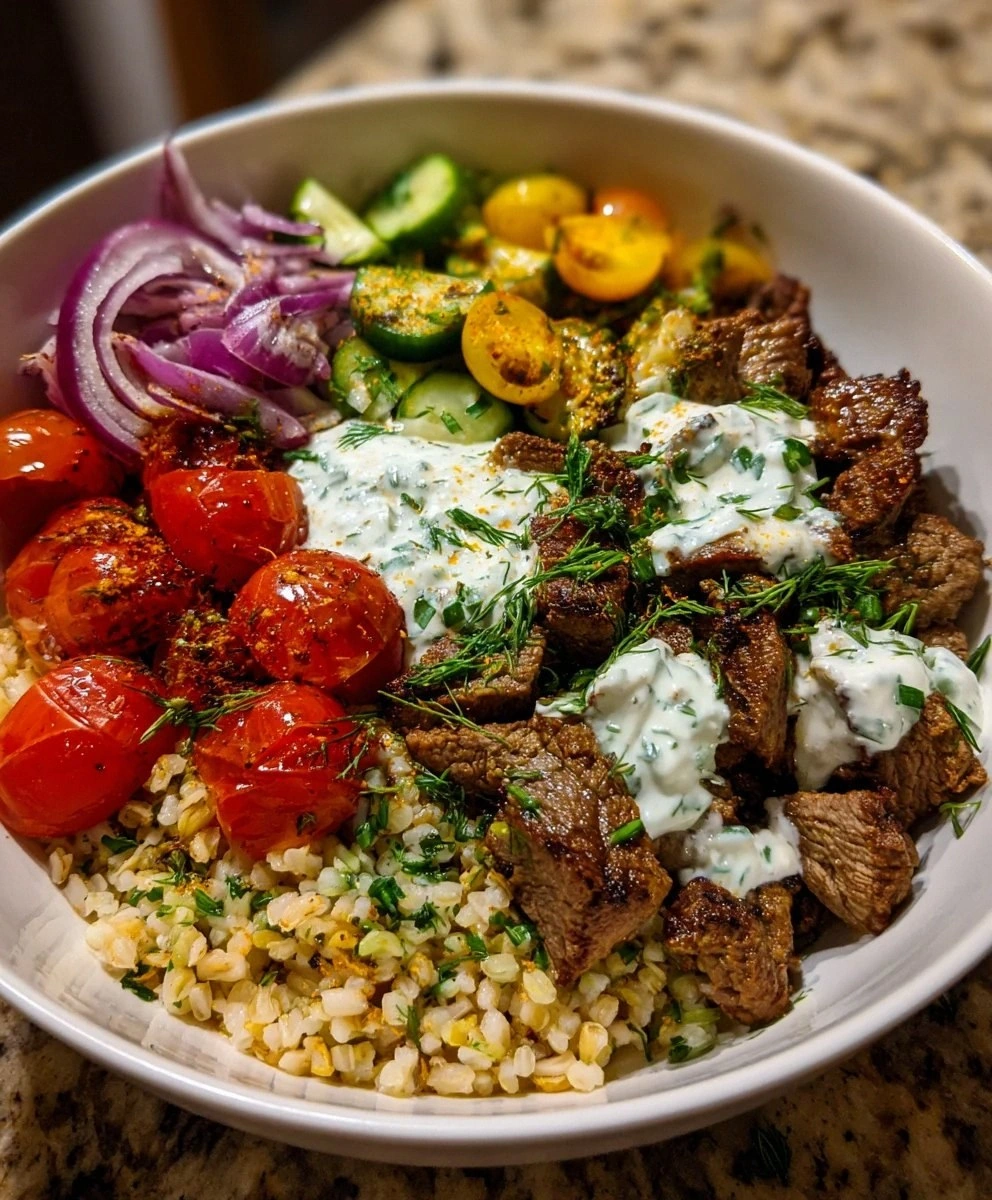
Picture this: tender, spice-crusted beef that tastes like it came from a sun-drenched taverna, nestled against fluffy grains that somehow manage to be both comforting and energizing. Then there's the herbed yogurt sauce—oh, this sauce—which coats everything in cool, tangy perfection. The whole thing comes together in under 45 minutes, uses one pan plus a cutting board, and tastes like you've been cooking all day. I dare you to taste this and not go back for seconds. Actually, I double-dog dare you, because I ate half the batch before anyone else got to try it, standing at the counter, claiming I was "taste-testing for quality control."
What makes this version different from the sad desk lunches and bland meal-prep containers masquerading as Mediterranean food? We're not just throwing ingredients together and hoping for the best. We're building layers of flavor like we're constructing a tiny, edible empire. The beef gets a spice blend that'll make your kitchen smell like a spice market in the best possible way. The vegetables stay crisp and bright, refusing to surrender to the soggy fate that befalls most bowl recipes. And that yogurt sauce? It's not an afterthought—it's the crown jewel that ties everything together in a way that'll make you wonder why you ever bothered with store-bought tzatziki.
Let me walk you through every single step—by the end, you'll wonder how you ever made it any other way. This isn't just another recipe; it's your new weeknight superhero, your meal-prep salvation, your answer to "what's for dinner?" that doesn't involve a sad frozen pizza. Ready for the game-changer?
What Makes This Version Stand Out
Flavor Bomb: The spice blend isn't shy—cumin, paprika, and garlic powder create a warm, earthy base that transforms ordinary ground beef into something extraordinary. Most recipes skimp here, afraid of overwhelming delicate palates. Not this one. We're embracing bold Mediterranean flavors that make your taste buds sit up and pay attention.
Texture Paradise: Every bite delivers a symphony of contrasts—tender beef, crunchy cucumbers, juicy tomatoes, creamy yogurt sauce. While other bowls turn into a mushy mess after the first few bites, this one maintains its textural integrity, giving you that satisfying crunch even on day three.
One-Pan Wonder: Despite tasting like you spent hours in the kitchen, the entire beef component cooks in a single skillet. No piles of dishes, no complicated techniques, no special equipment. If you can brown ground beef (and I know you can), you can make this recipe.
Make-Ahead Champion: This bowl gets better as it sits, making it perfect for Sunday meal prep. The flavors meld and deepen, creating an even more delicious lunch for tomorrow. Most recipes promise this but deliver soggy disappointment—this one actually improves with time.
Crowd-Pleasing Magic: I've served this to picky toddlers, skeptical teenagers, and food-snob friends. They all ask for seconds, and they all request the recipe. It's the rare healthy dish that doesn't taste like punishment, the uncommon bowl that satisfies both the nutrition-conscious and the flavor-obsessed.
Pantry-Friendly: No obscure ingredients requiring a special trip to three different stores. Everything lives in a well-stocked kitchen or your regular grocery store. We're talking basic spices, ground beef, fresh vegetables—ingredients that won't break the bank or require a treasure hunt.
Customizable Canvas: While delicious as written, this recipe welcomes your personal touch. Swap the grains, change up the vegetables, adjust the spice level—it's forgiving and flexible, unlike those finicky recipes that collapse if you breathe on them wrong.
Alright, let's break down exactly what goes into this masterpiece...
Inside the Ingredient List
The Flavor Foundation
The beef is our star, and like any diva, it demands proper treatment. Ground beef works beautifully here—80/20 lean-to-fat ratio gives you enough richness without swimming in grease. If you've ever struggled with dry, crumbly ground beef, you're not alone, and I've got the fix. The secret lies in not overcooking it (shocking, I know) and letting those spices really bloom in the fat. Skip the lean 93/7 stuff unless you enjoy chewing what tastes like seasoned cardboard. The fat carries flavor, keeps things juicy, and prevents that sad, grey beef situation we've all experienced.
Olive oil isn't just a cooking fat here—it's liquid gold that carries all our flavors. Use the good stuff, the bottle you've been saving for special occasions. This is that occasion. The oil helps bloom our spices, creating a flavor base that'll make your neighbors knock on your door asking what smells so incredible. Don't substitute with vegetable oil unless you want your Mediterranean bowl to taste like a sad cafeteria lunch. The peppery, fruity notes of good olive oil are irreplaceable.
The Spice Cabinet Superstars
Cumin is the warm hug of the spice world, earthy and slightly nutty with a whisper of citrus. It's been seducing palates since ancient times, and once you smell it toasting in olive oil, you'll understand why civilizations fought over trade routes. Don't even think about skipping it—this isn't optional unless you want your beef to taste like it forgot its passport. If you only have whole cumin, toast it in a dry pan until fragrant, then grind it. The difference between pre-ground and freshly toasted is like the difference between a flashlight and the actual sun.
Paprika adds that gorgeous color and subtle sweetness, but here's where most recipes get it wrong. They're timid, adding a polite pinch when they should be embracing the full glory. We're using enough to matter, enough to turn the beef a rich, russet color that screams flavor. Smoked paprika works too if you want that backyard barbecue vibe, but regular sweet paprika gives you the classic Mediterranean profile. Either way, make sure it's fresh—old paprika tastes like red dust and disappointment.
Garlic powder might seem basic, but it's our flavor insurance policy. Fresh garlic burns easily, turning bitter and ruining everything. Garlic powder distributes evenly, giving you consistent flavor in every bite. It's the difference between a harmonious chorus and that one guy at karaoke who insists on singing louder than everyone else. Don't substitute with garlic salt unless you want to pucker up for a salt lick experience.
The Fresh Factor
Cherry tomatoes are nature's candy, bursting with sweet-tart juice that plays beautifully against the warm spices. They're not just pretty faces—their acidity cuts through the richness of the beef, keeping everything balanced. Skip the sad, mealy winter tomatoes and wait for good ones, or use grape tomatoes if that's what looks fresh. If they don't smell like sunshine when you cut them, they're not worth your time. The difference between a good tomato and a great one is the difference between a polite handshake and a bear hug from your favorite person.
Cucumbers bring the crunch factor that makes this bowl feel alive. English cucumbers work best—fewer seeds, thinner skin, less bitterness. But honestly, use whatever looks good at your store. The key is cutting them just before serving so they stay crisp and don't weep all over your beautiful bowl. A little salt draw out excess moisture if you're prepping ahead, but don't go crazy or you'll end up with cucumber jerky.
Red onion provides that sharp bite that makes everything else taste better by comparison. Slice it paper-thin so it doesn't overpower—this isn't a raw onion eating contest. If raw onion isn't your thing, soak the slices in ice water for ten minutes to tame the fire. Or substitute with green onions if you want a milder onion experience that won't leave you questioning your life choices.
The Creamy Dream Team
Greek yogurt is where we separate the adults from the children. Full-fat, please—we're not running a diet camp here. The richness balances the spices, the tang brightens everything, and the protein keeps you satisfied. Don't substitute with regular yogurt unless you enjoy watery disappointment. Greek yogurt's thickness is crucial—it needs to coat the beef without sliding off like a failed science experiment.
Fresh herbs are non-negotiable. Dried parsley tastes like green dust and has no place in our yogurt sauce. Fresh parsley brightens with its clean, slightly peppery flavor. Dill brings that distinctive Mediterranean note that makes you feel like you're dining seaside. Mint offers a cooling contrast that makes the whole bowl feel intentional and sophisticated. Choose based on your preference, but choose fresh—this is where the magic happens.
That single garlic clove in the sauce? It's raw, it's bold, and it's perfect. Raw garlic delivers a punch that cooked garlic can't match, cutting through the yogurt's richness. If you're tempted to skip it because you're meeting someone special later, remember—if they can't handle garlic breath, they can't handle the real you. Plus, parsley naturally freshens breath, so we've got you covered.
Everything's prepped? Good. Let's get into the real action...
The Method — Step by Step
- Start with your grains because they take the longest and nobody likes waiting around like a chump. Whether you choose quinoa, brown rice, or bulgur, rinse them first—this removes surface starch that makes things gummy. For quinoa specifically, you want to see those little tails pop out, signaling it's perfectly cooked. Use a 2:1 water-to-grain ratio, bring to a boil, then simmer covered for about 15 minutes. While that's doing its thing, you're free to focus on the star of our show. The grains should be tender but not mushy, with each grain distinct and proud of its individuality.
- Now for the beef, and this is where most people mess up by rushing. Heat your largest skillet over medium-high heat—cast iron if you've got it, but any heavy pan works. Add the olive oil and let it shimmer, but not smoke. If it starts smoking like a chimney, your pan's too hot and you'll burn the spices. When the oil moves like water and smells fragrant, you're in the sweet spot. This foundation of properly heated oil ensures even cooking and prevents the beef from steaming in its own sadness.
- Add your ground beef, but don't crowd the pan—work in batches if you're doubling the recipe. Let it sit undisturbed for a full minute to develop those gorgeous brown bits that carry all the flavor. Break it up with a wooden spoon, but don't go crazy—some larger pieces create better texture. Season with salt and pepper now so the beef itself tastes good, not just the spices we're adding later. The beef should be about 80% cooked through before we add our spice blend, giving the seasonings something to adhere to.
- Here's where the magic happens, so pay attention. Clear a space in the center of the pan and add your spice blend directly to the hot fat. Let them sizzle for 30 seconds—this is called blooming, and it releases their essential oils. Stir everything together so the beef gets evenly coated in this flavor-packed mixture. The paprika will turn everything a gorgeous russet color, while the cumin adds that unmistakable warmth. This is the moment your kitchen starts smelling like a Mediterranean grandmother's cooking, and trust me, that's a very good thing.
- Continue cooking for another 3-4 minutes, stirring occasionally. You want the beef fully cooked but not dried out—think juicy, not jerky. The spices should smell toasted and fragrant, but not burned. If things start looking dry, add a splash of water to keep everything moving. The beef is done when it's no longer pink and the spices have created a beautiful coating. Remove from heat and let it rest while you prep the fresh components—this resting time allows the juices to redistribute, preventing dry, sad beef.
- While the beef rests, chop your vegetables. Slice cucumber into half-moons about 1/4 inch thick—thick enough to stay crisp, thin enough to eat politely. Halve the cherry tomatoes so they don't explode when you bite them. Slice red onion as thin as possible using a sharp knife or mandoline if you're fancy. Keep everything separate for now—we'll assemble in a moment, and nobody likes a soggy cucumber situation. The contrast between warm beef and cool, crisp vegetables is what makes this bowl sing.
- Now for the herbed yogurt sauce, and this is where we separate the champions from the amateurs. In a small bowl, combine Greek yogurt, minced garlic, chopped herbs, and a squeeze of lemon juice. Season with salt and pepper, then taste and adjust. The sauce should be thick enough to dollop but loose enough to drizzle. If it's too thick, thin with water a teaspoon at a time. This sauce is your secret weapon—tangy, creamy, herby, and utterly addictive. Don't be surprised if you find yourself making extra just to have on hand for everything else.
- Assembly time, and this is where your inner artist gets to shine. Start with a base of warm grains, creating a fluffy bed for all the goodness to come. Add a generous scoop of the spiced beef, letting some of those gorgeous juices seep into the grains. Arrange cucumber and tomatoes around the edges like you're creating a tiny edible garden. Scatter red onion over everything—thin wisps that add color and bite. Finally, crown it all with a healthy dollop of herbed yogurt sauce. The contrast of warm and cool, creamy and crisp, is what makes this bowl absolutely irresistible.
- The final flourish is a drizzle of good olive oil and a crack of fresh black pepper. This isn't just for show—it adds another layer of flavor and makes everything glisten like a food magazine cover. Serve immediately while the beef is still warm and the vegetables are crisp. If you're meal-prepping, store components separately and assemble just before eating. The anticipation as you build your bowl is half the fun, but the first bite? That's pure Mediterranean magic that'll transport you straight to a seaside taverna, no passport required.
That's it—you did it. But hold on, I've got a few more tricks that'll take this to another level...
Insider Tricks for Flawless Results
The Temperature Rule Nobody Follows
Room temperature beef cooks more evenly and develops better browning than cold beef straight from the fridge. I know, I know—you're hungry and impatient. But letting your ground beef sit out for 15-20 minutes while you prep everything else makes a world of difference. Cold beef hits the pan and immediately starts steaming, releasing moisture that prevents proper browning. Lukewarm beef sears beautifully, developing those gorgeous caramelized bits that make everything taste better. A friend tried skipping this step once—let's just say it didn't end well, and she ended up with grey, sad beef that tasted like cafeteria disappointment.
Why Your Nose Knows Best
Forget timers—your nose is the most reliable kitchen tool you own. When the spices hit the hot oil, they should smell toasted and fragrant, not burned or bitter. If you catch a whiff of acrid smoke, you've gone too far and need to start over. But when the cumin releases its nutty aroma and the paprika smells almost sweet, you know you've nailed it. This olfactory checkpoint happens about 30 seconds after adding the spices, and it's your cue to start stirring. Trust your senses—they've been honed over thousands of years of human cooking, which is considerably longer than your kitchen timer has been ticking.
The 5-Minute Rest That Changes Everything
After cooking the beef, resist the urge to immediately pile everything into bowls and devour it. Let that beautiful meat rest for five minutes off heat. This isn't chef pretension—it's science. The juices redistribute throughout the meat instead of flooding your bowl, keeping everything moist and flavorful. Plus, it gives you time to properly chop your vegetables and whip up that yogurt sauce without rushing. Those five minutes feel like an eternity when you're hungry, but they're the difference between good and restaurant-quality. Your future self will thank you, especially when you're not chewing dry beef while wondering where it all went wrong.
The Seasoning Sweet Spot
Here's where most home cooks go wrong—they season once and call it a day. Professional chefs season in layers, building flavor throughout the cooking process. Salt and pepper the beef when you first add it to the pan, then taste and adjust after adding the spices. Taste the yogurt sauce and adjust the seasoning. Even give a tiny taste to your vegetables—maybe they need a pinch of salt to wake them up. This layered approach creates depth and complexity that makes people ask, "What did you put in this?" It's not one magic ingredient—it's the cumulative effect of proper seasoning at every step.
The Fresh vs. Dried Herb Hierarchy
Understanding which herbs work fresh versus dried is crucial knowledge that'll serve you beyond this recipe. Hardy herbs like rosemary, thyme, and oregano can handle drying because their oils are concentrated in their leaves. Delicate herbs like parsley, cilantro, and dill lose their magic when dried, turning into green confetti that tastes of disappointment. For our yogurt sauce, fresh herbs aren't just preferred—they're essential. Dried parsley tastes like lawnmower clippings and has no place here. If you can't find fresh herbs, make the sauce with just garlic and lemon—it's better than ruining it with dried greenery that belongs in potpourri, not your dinner.
Creative Twists and Variations
This recipe is a playground. Here are some of my favorite ways to switch things up:
The Lamb Lovers' Dream
Swap ground beef for ground lamb and add a pinch of cinnamon and allspice to the spice blend. The lamb's natural richness pairs beautifully with the warm spices, creating a version that tastes like it came from a Greek grandmother's kitchen. Keep everything else the same, but consider adding some crumbled feta on top. The gamey notes of lamb stand up to bold flavors better than beef, making this variation perfect for adventurous eaters who think beef is too pedestrian for their sophisticated palates.
The Vegetarian Victory
Replace the beef with roasted cauliflower that's been tossed in the same spice blend. Cut cauliflower into small florets, toss with olive oil and all the spices, then roast at 425°F for 20-25 minutes until caramelized and tender. The cauliflower develops those same gorgeous brown bits and carries the spices beautifully. Add a can of chickpeas during the last five minutes of roasting for extra protein and texture. Even devoted carnivores won't miss the meat when you nail the seasoning and get those perfect crispy edges.
The Heat Seeker's Special
Add a teaspoon of harissa paste to the yogurt sauce and a pinch of cayenne to the beef spices. The harissa adds complex heat with its blend of chilies and spices, while the cayenne brings straightforward fire. Keep the fresh vegetables plentiful—they help cool the palate between bites of spicy beef. This version pairs beautifully with a cold beer and someone who appreciates the difference between heat and flavor. Because we're not just making things hot for the sake of pain—we're building layers of spicy complexity.
The Coastal Catch
Substitute shrimp for the beef, cooking them quickly in the same spiced oil. Shrimp cook in about 2 minutes per side—any longer and they turn into rubber bands of disappointment. The sweet, briny shrimp create a completely different flavor profile while maintaining the Mediterranean spirit. Add some chopped olives to the vegetables for extra coastal vibes. This variation feels lighter but no less satisfying, perfect for those nights when you want something that won't weigh you down.
The Low-Carb Convert
Replace the grain base with cauliflower rice sautéed in olive oil with a pinch of turmeric for color. The cauliflower rice soaks up the beef juices beautifully while keeping things light and vegetable-forward. Double up on the vegetables—add bell peppers, zucchini, or even some roasted eggplant. The herbed yogurt sauce becomes even more crucial here, adding richness and satisfaction that might otherwise come from grains. This isn't a sad diet version—it's a celebration of vegetables that happens to be low in carbs.
The Breakfast Bowl Transformation
Make the beef mixture ahead, then in the morning, fry an egg sunny-side up and serve everything over warm pita bread. The runny yolk mingles with the yogurt sauce, creating a breakfast that'll make you excited to wake up. Add some chopped tomatoes and cucumbers on the side for freshness. This is weekend brunch material, the kind of breakfast that makes you cancel plans because nothing outside your kitchen could possibly be this good. The spices wake up your palate better than coffee, though nobody's stopping you from having both.
Storing and Bringing It Back to Life
Fridge Storage
Store components separately in airtight containers for maximum freshness. The beef keeps for up to four days refrigerated, developing even deeper flavors as the spices meld. Grains last five days when properly stored, though they might need a splash of water when reheating to restore their fluffy texture. Cut vegetables stay crisp for three days if stored in containers with paper towels to absorb excess moisture. The yogurt sauce actually improves after a day as the herbs infuse their flavors, lasting up to five days when kept cold. Assembled bowls will keep for two days, but the vegetables start to lose their crunch, so proceed with realistic expectations.
Freezer Friendly
Both the spiced beef and cooked grains freeze beautifully for up to three months. Freeze in portion-sized containers so you can thaw exactly what you need without defrosting everything. The beef might seem dry after freezing, but a splash of broth or water while reheating brings it back to life. Don't freeze the yogurt sauce—it separates into a curdled mess that no amount of stirring will fix. Fresh vegetables also hate the freezer, emerging as soggy shadows of their former selves. Instead, prep fresh vegetables when you're ready to eat, or use frozen vegetables that you've accepted will have a different texture.
Best Reheating Method
For the beef, add a splash of broth or water to a skillet and reheat gently, stirring occasionally. The microwave works in a pinch, but cover it with a damp paper towel to prevent it from turning into shoe leather. Grains reheat beautifully in the microwave with a tablespoon of water per cup, covered to steam. The yogurt sauce should be served cold—never heat it or you'll end up with separated sadness. If everything's going in one container for meal prep, keep the sauce in a separate container and add it just before eating. A minute or two in the microwave for the beef and grains, then top with cold sauce and fresh vegetables—temperature contrast is part of the experience.