Marry Me Italian Sausage Pasta
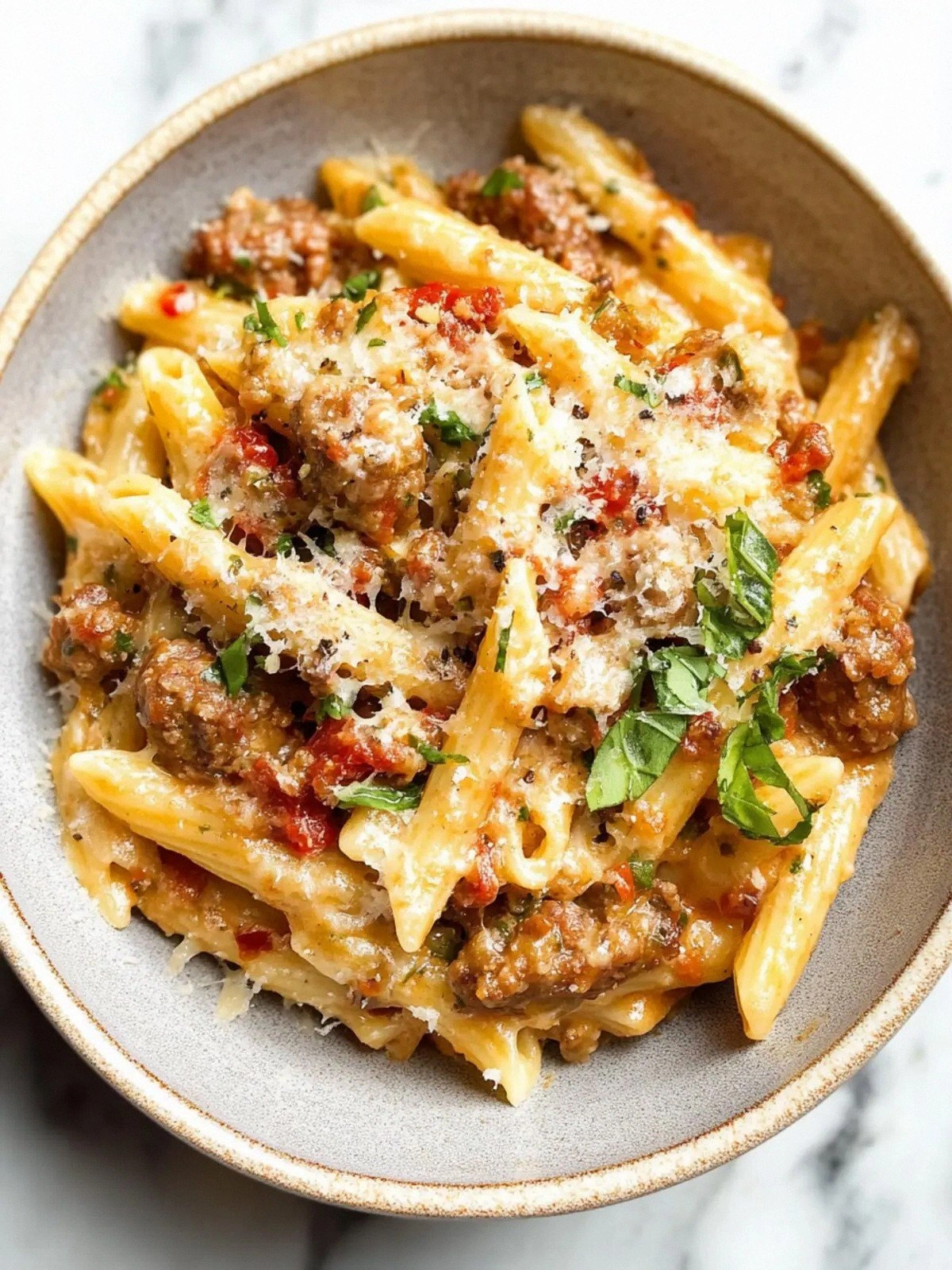
Picture this: a midnight kitchen, the stove glowing like a campfire, and a friend daring you to make something that will win hearts. I was in that exact mood, craving a dish that could double as comfort food and a showstopper for a date night. The result? Marry Me Italian Sausage Pasta, a creamy, garlicky, sun‑dried tomato wonder that will have everyone asking for seconds. I promise, this is hands down the best version you'll ever make at home.
The first time I tasted it, the sauce clung to the pasta like velvet, each strand coated in a glossy, savory blanket that made the whole dish feel like a hug. The aroma was a symphony of browned sausage, caramelized garlic, and the bright, slightly sweet scent of sun‑dried tomatoes. I could hear the sizzle as the wine evaporated, leaving behind a subtle, almost citrusy note that lifted the flavor profile. It was a moment of pure, unfiltered joy that left me with a lingering, almost addictive aftertaste.
I’ve tried countless sausage pastas over the years, from simple skillet versions to elaborate oven‑baked casseroles, yet none have matched the balance of richness and brightness in this dish. The creamy sauce is thick enough to cling to the noodles but light enough to feel indulgent, while the sausage delivers a smoky, savory punch that never overwhelms. The sun‑dried tomatoes add a burst of umami and a touch of sweetness that cuts through the richness, and the fresh basil gives a bright, herbal finish that keeps the dish from feeling heavy. Every bite feels like a small celebration.
And the best part? The technique that makes all the difference is something you’ll never forget: the cornstarch slurry that gives the sauce its silky texture without the heaviness of heavy cream alone. That secret trick, combined with the precise timing of the wine reduction, creates a sauce that is both luxurious and approachable. I dare you to taste this and not go back for seconds. Let me walk you through every single step — by the end, you'll wonder how you ever made it any other way.
What Makes This Version Stand Out
- Flavor Complexity: The marriage of smoky Italian sausage, sun‑dried tomatoes, and a whisper of crushed red pepper creates a layered taste experience that evolves with every bite. The wine reduction adds a subtle acidity that balances the richness, preventing the dish from feeling heavy.
- Texture Harmony: The sauce’s velvety coating clings to each noodle, yet it remains light enough to allow the pasta’s natural bite to shine through. The sausage’s firm, crumbly texture contrasts beautifully with the silky cream, providing a satisfying mouthfeel.
- Time Efficiency: With a prep time of just 15 minutes and a cooking time of 30 minutes, you can whip this up for a spontaneous dinner or a planned date night without sacrificing flavor. The quick sauté and simmer steps keep the kitchen from feeling cluttered.
- Ingredient Integrity: By using fresh basil and sun‑dried tomatoes in oil, the dish preserves their authentic flavors, avoiding the dullness that comes from canned or processed alternatives. The high‑quality sausage ensures a robust, savory base.
- Make‑Ahead Friendly: Once the sauce is finished, it can be stored in the fridge for up to three days, and it tastes just as good reheated. The sauce’s thickness improves overnight, making it a great option for meal prep.
- Audience Appeal: Whether you’re a seasoned chef or a beginner, this recipe’s straightforward steps and clear instructions make it accessible to all. The bold flavors will impress friends, while the comforting nature keeps it family‑friendly.
Inside the Ingredient List
The Flavor Base
Italian Sausage: The star of this dish, the sausage brings a smoky, slightly spicy undertone that grounds the sauce. Choosing a high‑quality, fresh sausage with a balanced pepper content ensures a robust flavor without overwhelming the other ingredients. If you prefer a milder taste, opt for a sweet or mild Italian sausage, but be prepared to add a pinch of red pepper flakes to compensate. The sausage also provides protein, making the dish hearty enough for a main course.
Garlic: Garlic is the aromatic backbone of the sauce, delivering a warm, pungent flavor that lingers on the palate. Mince the cloves finely to release maximum flavor without creating large, uneven pieces that can burn. If you’re sensitive to raw garlic, you can sauté it until it turns translucent, which mellows its bite while still infusing the oil.
The Texture Crew
Heavy Cream: The cream is responsible for the sauce’s luxurious mouthfeel, giving it a silky, velvety texture that coats the pasta. Using heavy or whipping cream (at least 30% fat) ensures the sauce stays stable and doesn’t separate when heated. If you’re watching calories, you can substitute half‑fat cream, but the sauce will be slightly less thick.
Cornstarch: Cornstarch is the secret weapon that thickens the sauce without making it gloopy. Dissolve a teaspoon of cornstarch in a small amount of cold water before adding it to the sauce to avoid lumps. This step is crucial; a poorly mixed slurry can ruin the silky finish.
The Unexpected Star
Sun‑Dried Tomatoes: Sun‑dried tomatoes add a concentrated burst of umami and a subtle sweetness that balances the richness of the cream. They also contribute a chewy texture that contrasts with the tender pasta. If you can’t find them, substitute with chopped roasted red peppers for a milder flavor.
The Final Flourish
Fresh Basil: Fresh basil brings a bright, slightly peppery note that cuts through the cream’s richness. Tear the leaves instead of chopping to release their essential oils, which will infuse the sauce with a more pronounced aroma. If you’re cooking in the winter, you can use dried basil, but it won’t provide the same fresh burst.
Parmesan Cheese: The grated parmesan adds a salty, nutty depth that ties all the flavors together. Grating the cheese just before serving ensures it melts beautifully into the sauce, creating a glossy finish. If you’re vegan, try a high‑quality nutritional yeast or a vegan parmesan alternative.
Everything's prepped? Good. Let's get into the real action...
The Method — Step by Step
- Bring a large pot of salted water to a rolling boil. Add the uncooked pasta and cook it until it reaches al dente—about 9 to 11 minutes depending on the shape. While the pasta cooks, keep an eye on the water to avoid over‑simmering, which can cause the noodles to break. This step is crucial for ensuring the pasta has the perfect bite to complement the sauce.
- While the pasta is cooking, heat a large, heavy‑bottomed skillet over medium‑high heat. Add the Italian sausage, breaking it up with a wooden spoon as it browns. The sausage should sizzle loudly, releasing its oils and creating a golden crust on the edges. This browning process builds the flavor foundation for the sauce.
- Once the sausage is nicely browned, add the minced garlic to the pan. Sauté until the garlic turns translucent and releases a fragrant aroma—about 30 seconds. Be careful not to let it burn, or it will bring a bitter taste to the dish. This step is the moment of truth where the base of the sauce begins to take shape.
- Deglaze the pan with the dry white wine, scraping up any browned bits with a wooden spoon. Let the wine reduce by half, which concentrates its flavor and removes the raw alcohol taste. The reduction should leave a slight sheen on the surface, indicating the sugar has caramelized. This process adds a bright, acidic counterpoint to the richness.
- Stir in the tomato paste and sun‑dried tomatoes, breaking the paste into the sausage mixture. The tomato paste should caramelize slightly, giving the sauce a deeper red hue. The sun‑dried tomatoes will release their oils, infusing the sauce with a sweet, smoky undertone. The combination of these ingredients builds the sauce’s depth.
- Whisk the cornstarch into a small bowl with a tablespoon of cold water to create a smooth slurry. Add this slurry to the sauce, stirring constantly to prevent lumps. The sauce should thicken noticeably, becoming glossy and silky. This step is essential for achieving that coveted velvety texture.
- Lower the heat to medium‑low and pour in the heavy cream. Stir gently until the cream is fully incorporated and the sauce is heated through. Add the dried oregano and crushed red pepper flakes, letting the spices bloom for a minute. The sauce should be thick, glossy, and fragrant.
- Drain the cooked pasta, reserving a cup of the pasta water. Toss the pasta in the sauce, adding a splash of the reserved water to loosen the sauce if needed. Stir in the fresh basil and freshly grated parmesan, allowing the cheese to melt into the sauce. The final dish should be a harmonious blend of creamy, smoky, and herbaceous notes.
- Serve immediately, garnishing with extra parmesan and a few basil leaves for color. The dish is best enjoyed hot, where the sauce clings to the noodles like a warm blanket. A drizzle of olive oil on top adds a silky finish, and a pinch of salt can elevate the flavors even further. Enjoy your culinary masterpiece!
That's it — you did it. But hold on, I've got a few more tricks that'll take this to another level...
Insider Tricks for Flawless Results
The Temperature Rule Nobody Follows
Many cooks think a high heat is always better, but for this sauce, low and steady is the key. Cooking the sauce at a gentle simmer allows the flavors to meld without scorching the cream. I’ve seen sauces turn sour or split when heated too quickly, so keep the heat at medium‑low and let the sauce develop its silky texture. This small adjustment can make the difference between a decent dish and a memorable one.
Why Your Nose Knows Best
Before you even taste the sauce, give it a sniff. A strong, pleasant aroma indicates the sausage is properly browned and the wine has reduced. If you notice a sharp, metallic scent, the sauce might have over‑cooked. Trust your nose as a quick diagnostic tool—your palate will thank you for it.
The 5‑Minute Rest That Changes Everything
After you finish cooking, let the dish rest for five minutes off the heat. This pause allows the flavors to settle, the sauce to thicken slightly, and the pasta to absorb the sauce more fully. A friend once skipped this step, and the result was a runny, under‑seasoned plate that left everyone disappointed. Trust me, the rest is worth the wait.
Cream vs. Milk: The Creamy Difference
Substituting milk for cream will dramatically alter the sauce’s mouthfeel. Milk lacks the fat content needed to create a thick, velvety coating, resulting in a watery texture. If you’re craving a lighter version, consider a half‑fat cream or a plant‑based alternative, but be prepared to adjust the thickness with a bit more cornstarch.
The Secret of the Sun‑Dried Tomatoes
Sun‑dried tomatoes can be quite salty, so taste the sauce before adding extra salt. If the tomatoes are particularly briny, you might want to rinse them briefly under cold water to reduce excess salt. This small step can prevent the dish from becoming overly salty, maintaining the delicate balance of flavors.
Creative Twists and Variations
Spicy Cajun Sausage Pasta
Swap the Italian sausage for spicy Cajun sausage and add a handful of diced bell peppers for an extra pop of color. The Cajun seasoning will give the dish a smoky, peppery kick that pairs beautifully with the creamy sauce. This variation is perfect for those who love a little heat and a lot of flavor.
Vegetarian Sun‑Dried Tomato Alfredo
Replace the sausage with sautéed mushrooms and add a splash of vegetable broth to the sauce. The mushrooms will provide a meaty texture and earthy flavor that complements the sun‑dried tomatoes. This version is a hearty, plant‑based alternative that still delivers a rich, satisfying bite.
Gluten‑Free Pasta Delight
Use a high‑quality gluten‑free pasta, such as a chickpea or lentil blend, to keep the dish safe for gluten‑intolerant diners. The pasta’s slightly nutty flavor adds an extra layer of depth to the sauce. Just be sure to cook it according to the package instructions to avoid a gummy texture.
Roasted Red Pepper Fusion
In place of sun‑dried tomatoes, incorporate roasted red peppers for a sweeter, smokier flavor. Roast the peppers until charred, then puree them into the sauce for a smooth, vibrant color. This twist is ideal for those who prefer a milder, sweeter profile.
Herb‑Infused Pesto Twist
Stir in a spoonful of basil pesto at the end of cooking to give the dish an extra burst of herbaceous flavor. The pesto will add a creamy texture and a bright, fresh taste that elevates the sauce. This variation is perfect for a quick, flavorful upgrade.
Cheese‑Lover’s Extra Parmesan
For an ultra‑cheesy experience, fold in a cup of shredded mozzarella or provolone along with the parmesan. The melted cheese will create a gooey, golden crust on top of the pasta. This option is ideal for family dinners or for those who simply can’t resist extra cheese.
Storing and Bringing It Back to Life
Fridge Storage
Store the finished dish in an airtight container for up to three days in the refrigerator. The sauce will thicken as it cools, so when reheating, add a splash of pasta water or a tablespoon of milk to loosen it back to its original consistency. Keep it covered to preserve moisture and prevent the pasta from drying out.
Freezer Friendly
For longer storage, freeze the sauce in a freezer‑safe container for up to two months. Reheat slowly over low heat, stirring frequently, and add a small amount of water or cream to restore its silky texture. The sausage will retain its flavor, and the sauce will re‑emerge with minimal loss of quality.
Best Reheating Method
Reheat the pasta and sauce together in a skillet over medium heat, stirring until heated through. A small splash of water or milk will help prevent the sauce from drying out. Avoid microwaving the sauce alone, as it can separate and become grainy. Serve hot for the best experience.