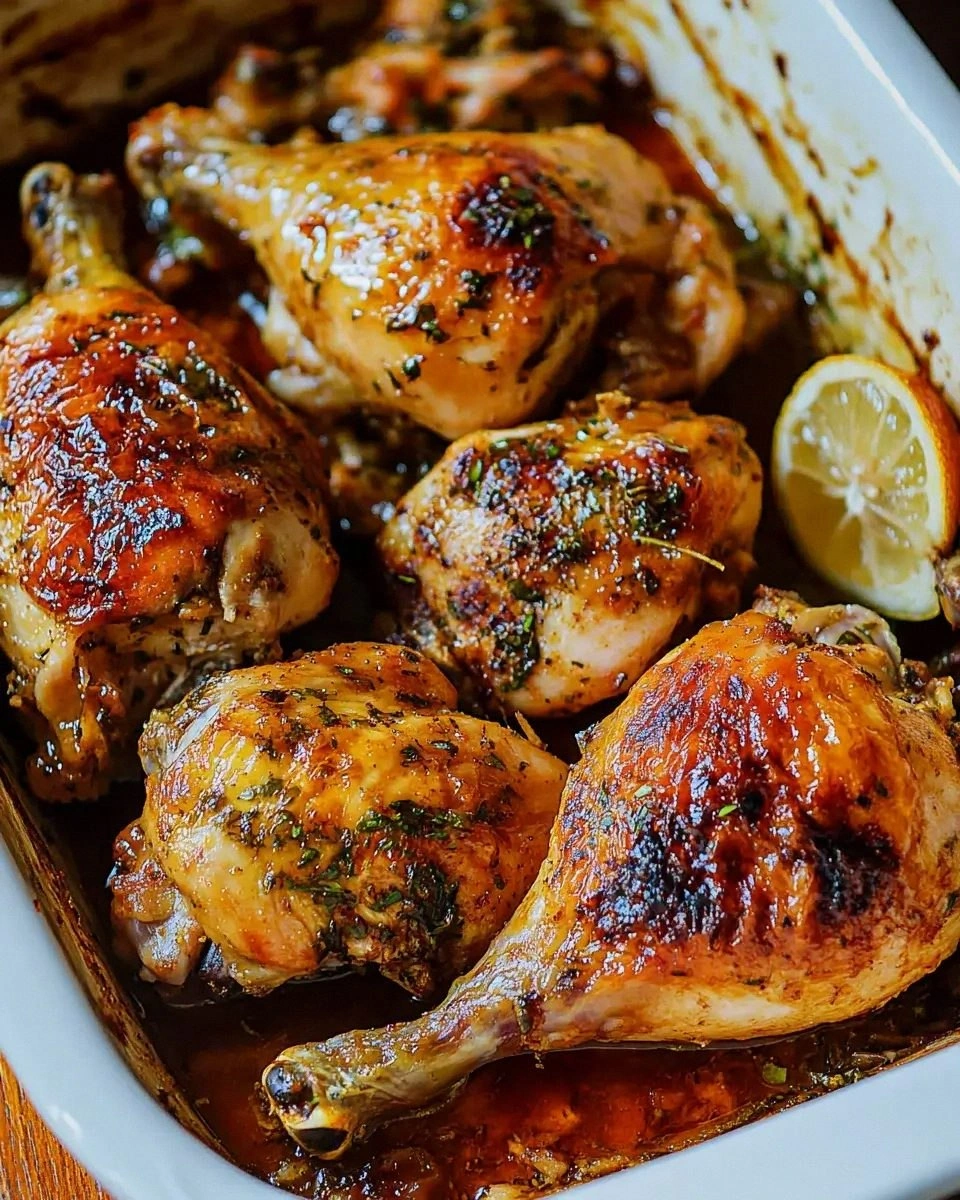
I’ll never forget the night my oven decided to turn my Sunday dinner into a smoky disaster. I was juggling a half‑finished spreadsheet, a toddler demanding a snack, and a craving for something bright, buttery, and downright comforting. The kitchen smelled like burnt toast, the timer beeped like a frantic alarm, and I swore I’d never attempt a chicken bake again. Then, out of sheer desperation, I tossed three pounds of bone‑in chicken thighs into a pan, drowned them in melted butter, splashed in fresh lemon juice, and prayed to whatever culinary gods were listening. That moment of reckless faith birthed a sauce so glossy it could have been a mirror, and a flavor so bold it practically shouted, “Welcome to the good life.”
Fast forward a few weeks, and the same sauce has become my go‑to rescue for everything from quick weeknight meals to impress‑the‑in‑laws brunches. The secret? A perfect marriage of citrus zing, buttery richness, and a whisper of heat that makes the palate dance. While most recipes either drown the chicken in a soupy broth or leave it dry as a desert, this version locks in moisture, caramelizes the skin, and coats every morsel with a buttery glaze that clings like a second skin. I dare you to taste this and not go back for seconds; the first bite is a revelation, the second is pure addiction.
What really sets this dish apart is the balance of ingredients that most home cooks either over‑ or under‑estimate. A half‑cup of unsalted butter is enough to create a luscious base without turning the dish greasy, while a quarter‑cup of fresh lemon juice adds acidity that cuts through the richness like a razor‑sharp knife. The zest provides aromatic oils that perfume the entire kitchen, and the red‑pepper flakes sneak in a subtle heat that makes you think, “Is that a hint of spice?” Most recipes get this completely wrong, either omitting the zest or drowning the chicken in a watery sauce that never thickens. Not here. This is hands down the best version you’ll ever make at home.
Okay, ready for the game‑changer? I’m about to reveal a technique that most chefs keep under wraps: a quick butter‑infused “basting” step that locks in flavor and creates those coveted crispy edges that shatter like thin ice when you bite into them. Picture yourself pulling this out of the oven, the whole kitchen smelling incredible, the skin glistening with a golden sheen, and a steam‑filled cloud of lemony perfume rising to meet you. This next part? Pure magic. Let me walk you through every single step — by the end, you’ll wonder how you ever made it any other way.
What Makes This Version Stand Out
- Taste: The lemon‑butter sauce delivers a bright, tangy zing that balances the richness of the butter, creating a harmonious flavor profile that sings on the palate.
- Texture: The skin turns irresistibly crisp while the meat stays juicy, thanks to the high‑heat bake and periodic basting.
- Simplicity: Only ten ingredients, all pantry‑friendly, and the method requires no fancy equipment—just a sturdy baking dish.
- Uniqueness: The combination of lemon zest, red‑pepper flakes, and fresh parsley adds layers of aroma that most “basic” baked chicken recipes lack.
- Crowd Reaction: Guests invariably ask for the recipe, and you’ll watch them pile their plates high, eyes wide with anticipation.
- Ingredient Quality: Using bone‑in chicken ensures maximum flavor, while unsalted butter lets you control the salt level precisely.
- Cooking Method: High‑heat roasting followed by a butter‑baste creates a caramelized crust without the need for deep frying.
- Make‑Ahead Potential: You can prep the butter‑lemon mixture up to a day ahead, store it chilled, and simply pour it over the chicken when ready to bake.
Inside the Ingredient List
The Flavor Base
The heart of this dish lies in the butter‑lemon emulsion. Unsalted butter, melted gently, acts as a carrier for the lemon juice and zest, ensuring every bite gets a buttery kiss followed by a bright citrus snap. If you skip the butter, you’ll lose that luxurious mouthfeel; if you omit the lemon juice, the dish becomes a plain, heavy roast. For a dairy‑free twist, try clarified ghee mixed with a splash of olive oil, but be prepared for a slightly different flavor profile. When shopping, look for European‑style butter with at least 82% fat for the richest taste.
The Aroma Crew
Garlic, thyme, rosemary, and red‑pepper flakes form the aromatic backbone. Garlic cloves, minced fine, release allicin that deepens the sauce’s savory notes. Dried thyme and rosemary bring an earthy, piney scent that pairs perfectly with lemon. The red‑pepper flakes are the secret whisper of heat; they’re not meant to dominate but to keep the palate on its toes. If you’re sensitive to spice, halve the flakes—your taste buds will still thank you.
The Unexpected Star
Fresh parsley isn’t just a garnish; it adds a grassy freshness that cuts through the richness of the butter. Toss a handful of roughly chopped parsley over the finished dish, and you’ll notice a bright green pop that makes the plate look restaurant‑worthy. If you can’t find fresh parsley, flat‑leaf Italian parsley works just as well, but avoid curly parsley—it’s more decorative than flavorful.
The Final Flourish
A pinch of salt is the silent hero that amplifies every other flavor. While the recipe calls for a precise teaspoon, feel free to taste the butter‑lemon mixture before adding it—your palate knows best. Black pepper adds a subtle heat that complements the red‑pepper flakes, and a final drizzle of melted butter just before serving gives the skin a glossy finish that looks as good as it tastes. Everything’s prepped? Good. Let’s get into the real action...
The Method — Step by Step
Preheat your oven to 425°F (220°C). While the oven warms, line a large rimmed baking sheet with parchment or lightly oil a roasting pan. This high temperature is crucial for that coveted crispy skin; you’ll hear a faint sizzle as soon as the chicken hits the heat, a sound that signals flavor is about to happen.
Pat the chicken pieces dry with paper towels. Moisture is the enemy of crispness, so take your time—press each piece until the skin feels like sandpaper. Season both sides generously with salt, pepper, and the red‑pepper flakes. If you’re feeling adventurous, add a pinch of smoked paprika for a smoky undertone.
Melt the unsalted butter in a saucepan over low heat. Once it’s foamy, whisk in the fresh lemon juice, lemon zest, minced garlic, thyme, and rosemary. Let the mixture simmer for about two minutes, allowing the garlic to soften and the herbs to release their oils. That sizzle when it hits the pan? Absolute perfection.
Kitchen Hack: Use a hand‑blender to emulsify the butter‑lemon mixture for a silkier sauce that clings better to the chicken.Arrange the seasoned chicken pieces skin‑side up on the prepared pan, spacing them evenly so steam can escape. Pour half of the butter‑lemon sauce over the chicken, using a spoon to ensure every piece gets a good coating. The sauce should pool slightly around the pieces, creating a shallow “braise” that will later caramelize.
Slide the pan into the oven and roast for 20 minutes. At the 20‑minute mark, pull the pan out and baste the chicken with the pan juices using a silicone brush. This is the trickiest part: if you over‑baste, the skin can become soggy; if you under‑baste, you miss out on the glossy finish.
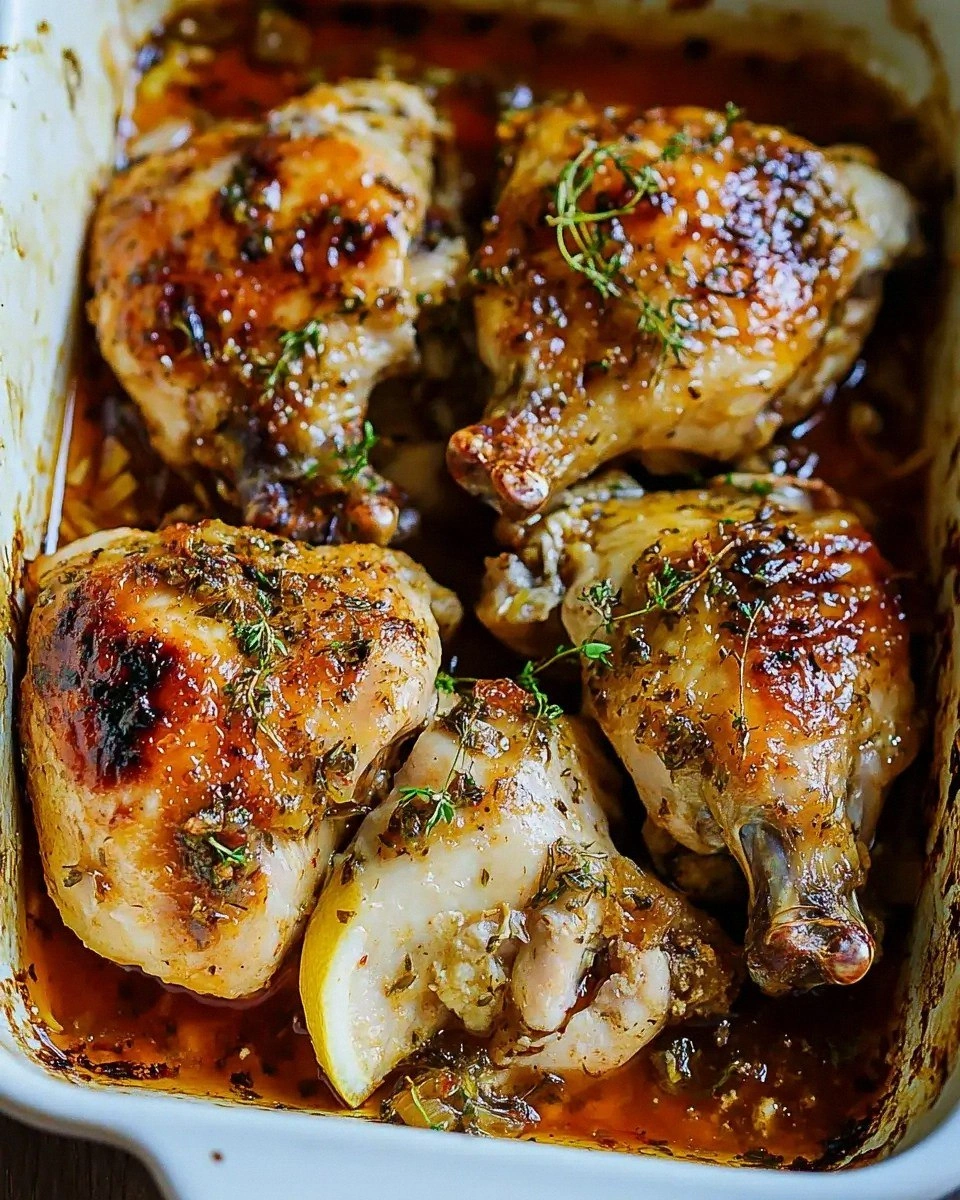
Watch Out: Do not open the oven door too often; each opening drops the temperature and can prevent the skin from crisping.Return the pan to the oven and continue roasting for another 10‑12 minutes, or until the internal temperature of the thickest part reaches 165°F (74°C). The edges should start pulling away from the bone, and the skin will have turned a deep golden brown, almost caramel‑like. Trust your nose—the aroma will be sweet, buttery, with a citrusy tang that makes your mouth water.
While the chicken rests, place the remaining butter‑lemon sauce back on the stovetop over low heat. Add a splash of chicken broth or water if the sauce looks too thick, whisking until it reaches a glossy, pourable consistency. This is the moment of truth: the sauce should be velvety, not greasy, and it should coat the back of a spoon.
Kitchen Hack: Toss the rested chicken back into the pan and give it a quick toss to ensure every bite is drenched in the sauce.Plate the chicken on a warm serving platter, drizzle the reduced sauce generously, and sprinkle freshly chopped parsley over the top for a burst of color. Let the dish sit for five minutes before serving; this short rest lets the juices redistribute, ensuring each bite is juicy and tender.
Serve with your favorite sides—roasted potatoes, a crisp green salad, or buttery rice—and watch as your guests devour the plate with gusto. I’ll be honest — I ate half the batch before anyone else got to try it, and that’s a testament to how addictive this flavor combo truly is. And now the fun part: experiment with the sauce, tweak the herbs, and make this recipe your own culinary signature.
Insider Tricks for Flawless Results
The Temperature Rule Nobody Follows
Most home cooks bake chicken at a modest 350°F, thinking slower is safer. In reality, that low heat keeps the skin limp and the meat soggy. Crank the oven up to 425°F as instructed, and you’ll achieve that coveted crackle that makes the skin sound like a crisp autumn leaf underfoot. A friend tried the low‑heat method once — let’s just say the chicken turned out as dry as a desert and the skin never browned. Pro tip: Use an oven thermometer to verify the true temperature; many ovens run a few degrees hot or cold.
Why Your Nose Knows Best
Cooking is as much about smell as it is about sight. When the butter‑lemon sauce begins to bubble and turn a light amber, that’s your cue that the aromatics have melded. If you catch a faint caramel note, you’re on the right track. If the sauce starts to smoke, you’ve gone too far and risk a bitter taste. Trust that nose; it’s the most reliable kitchen gauge.
The 5‑Minute Rest That Changes Everything
After pulling the chicken from the oven, resist the urge to dive straight in. Letting it rest for five minutes allows the muscle fibers to relax and the juices to redistribute. Skipping this step results in a dry plate, as the juices will pour out the moment you cut into the meat. I’ve seen seasoned chefs skip rest and then complain about dryness—don’t be that person.
Basting Without the Mess
Instead of using a traditional brush that can fling hot butter everywhere, use a silicone spoon to spoon the pan juices over the chicken. The spoon’s flexible edge lets you glide under the skin without tearing it, preserving that perfect crisp. This method also keeps your countertop clean—no greasy splatters, no frantic wiping.
Seasoning Layers for Depth
Season the chicken twice: first, a dry rub of salt, pepper, and red‑pepper flakes before baking; second, a light sprinkle of fresh parsley after the final drizzle. The first layer penetrates the meat, while the second adds a fresh, herbaceous finish that lifts the entire dish. If you only season once, you’ll miss out on that depth that makes the flavor linger long after the plate is cleared.
Creative Twists and Variations
This recipe is a playground. Here are some of my favorite ways to switch things up:
Spicy Sriracha Kick
Add a tablespoon of sriracha to the butter‑lemon mixture for a sweet‑heat twist. The tang of the lemon balances the chili, creating a sauce that’s perfect for those who love a little fire without overwhelming the palate.
Herb‑Infused Butter
Swap the dried thyme and rosemary for fresh basil and oregano, finely chopped. This gives the dish a Mediterranean vibe, especially when served alongside a quinoa tabbouleh.
Garlic‑Lemon Parmesan Crust
Mix grated Parmesan into the butter‑lemon sauce before basting. The cheese melts and forms a crispy, golden crust that adds umami richness, turning the dish into a cheesy masterpiece.
Coconut‑Lime Variation
Replace half of the butter with coconut oil and swap lemon juice for lime juice. The tropical notes pair beautifully with cilantro and make a great accompaniment to jasmine rice.
Honey‑Mustard Glaze
Stir in a tablespoon of honey and a teaspoon of Dijon mustard into the sauce. The sweet‑tangy glaze caramelizes during the final minutes of roasting, creating a sticky, finger‑licking finish.
Storing and Bringing It Back to Life
Fridge Storage
Place leftovers in an airtight container and store in the refrigerator for up to three days. To keep the skin from getting soggy, store the sauce separately and reheat it alongside the chicken.
Freezer Friendly
Cool the chicken completely, then wrap each piece in foil and place in a zip‑top freezer bag. It will keep for up to two months. When ready to serve, thaw overnight in the fridge, then reheat in a 350°F oven for 15‑20 minutes, adding a tiny splash of water to the pan to steam the meat back to juiciness.
Best Reheating Method
The oven is your best friend for reheating—avoid the microwave, which makes the skin rubbery. Preheat the oven to 375°F, place the chicken on a wire rack over a baking sheet, and drizzle a little extra butter‑lemon sauce over the top. Heat for 10‑12 minutes, and the skin will regain its crispness while the interior stays moist.