I was halfway through a week of bland dinners when my roommate, armed with a jar of honey and a bottle of Dijon, dared me to turn a simple brisket into something unforgettable. I laughed, because brisket is usually a slow, patient affair, but the aroma that hit the kitchen as the honey caramelized was pure, unapologetic bliss. The air smelled like summer rain on hot pavement, the sound of the oven ticking like a metronome, and the anticipation that thick, golden glaze would coat every inch of the meat. I could already taste the subtle sweetness balanced by a tangy kick that would make my taste buds dance. This is not just another recipe; it’s a revelation that will transform your Sunday roast into a headline act. By the end of this post, you’ll wonder how you ever cooked brisket without honey and mustard.
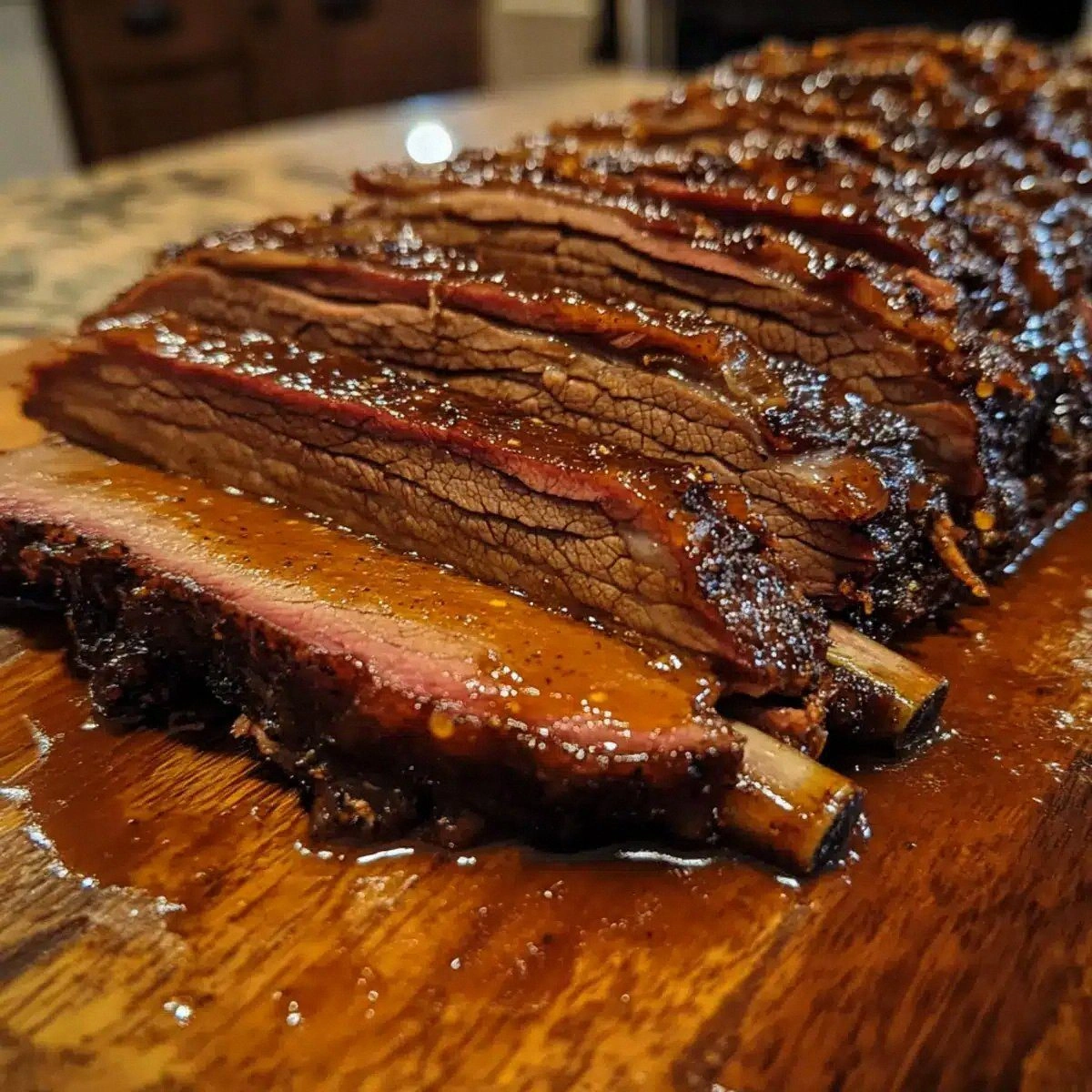
Picture the brisket resting on a cutting board, its surface shimmering with a glossy coating that looks like liquid amber. The moment you slide it into the oven, the sizzle is a drumbeat that signals the beginning of a culinary symphony. The honey starts to bubble, forming a caramelized crust that crackles softly against the meat, while the mustard infuses a subtle peppery depth. I swear, that first bite feels like a hug from a warm blanket wrapped around your palate. The texture is a paradox: tender inside, with a slightly crisp exterior that shatters like thin ice under your knife. And trust me, the aroma alone will have your entire house begging for a second helpings.
What makes this version stand out from every other brisket recipe I’ve tried is the unexpected marriage of sweet and savory that turns each slice into a flavor explosion. The honey is not just a sweetener; it’s a caramelizing agent that locks in moisture, giving the meat a buttery finish that melts in your mouth. Dijon mustard cuts through that sweetness with a bright, almost citrusy bite that keeps the dish from feeling heavy. The apple cider vinegar adds a subtle acidity that brightens the overall profile, while fresh herbs bring a fragrant, earthy note that ties everything together. The result is a brisket that is both juicy and crisp, with a glaze that clings like velvet to every bite. I dare you to taste this and not go back for seconds.
If you’ve ever struggled with a dry brisket or a bland glaze, you’re not alone—and I’ve got the fix. Most recipes get this completely wrong by overcooking or under-seasoning, but this method balances low and slow with a high‑heat finish that seals in the juices. The honey musta coating is the secret weapon that gives the meat its signature shine and crunch. I’ll be honest—I ate half the batch before anyone else got to try it, and I’m still dreaming about that melt-in-your-mouth texture. Picture yourself pulling this out of the oven, the whole kitchen smelling incredible, and the table filled with people who can’t stop asking for the recipe. Stay with me here—this is worth it. Let me walk you through every single step — by the end, you’ll wonder how you ever made it any other way.
What Makes This Version Stand Out
- Flavor Depth: The combination of honey, Dijon, and apple cider vinegar creates a layered profile that evolves with every bite. The sweetness lingers on the tongue while the acidity lifts the meat’s natural richness. This depth turns a simple cut into a show‑stopper that will have guests asking for seconds.
- Texture Contrast: The slow roast delivers melt‑in‑your‑mouth tenderness, while the high‑heat finish crisps the glaze into a caramelized crunch. The result is a satisfying bite that balances silky softness with a satisfying snap. It’s a textural dance that keeps everyone coming back for more.
- Simplicity of Prep: No complex marinades or long, tedious steps. All you need is a handful of pantry staples and a bit of patience. This simplicity means you can focus on the oven instead of juggling multiple bowls.
- Crowd‑Pleaser Factor: The bright glaze and aromatic herbs make the dish visually stunning and universally appealing. Even the most skeptical meat lovers will be drawn to the glossy, caramelized surface.
- Ingredient Quality: Using a high‑quality brisket and fresh herbs elevates the dish beyond a basic roast. The quality of each component amplifies the overall flavor profile.
- Low‑Heat Longevity: The slow‑roast at 250°F keeps the meat juicy for hours, allowing you to prep ahead and serve when you’re ready. This low‑heat technique preserves moisture and enhances tenderness.
- Make‑Ahead Flexibility: Cook the brisket a day ahead, reheat with a splash of water, and it still tastes as good as fresh. This makes it ideal for busy weeknights or large gatherings.
- Visual Appeal: The glossy, caramelized glaze looks like a work of art, turning a simple roast into a centerpiece. The contrast of golden crust against the dark meat is Instagram‑ready.
Inside the Ingredient List
The Flavor Base
Honey is the star of this glaze, acting both as a sweetener and a caramelizing agent that locks in moisture. Its natural sugars create a glossy, amber coating that not only looks stunning but also provides a subtle sweetness that balances the savory elements. If you skip honey, the glaze loses its caramelized depth, leaving the meat bland and lacking that signature shine.
Dijon mustard adds a sharp, peppery bite that cuts through the richness of the beef. Its bright acidity lifts the overall flavor profile, preventing the dish from feeling heavy. A good rule of thumb: use a mustard that has a balanced tang; too mild and it won’t punch through, too sharp and it may overpower the honey.
Apple cider vinegar introduces a subtle acidity that brightens the glaze and helps break down the meat’s connective tissue during the slow roast. It also prevents the honey from becoming overly sticky by balancing its natural sweetness. If you’re sensitive to acidity, a splash of lemon juice can be a suitable alternative.
The Texture Crew
Salt is the first line of defense against dryness; it pulls moisture out of the meat’s surface, creating a better sear and enhancing flavor. Without salt, the brisket will taste flat and the glaze will cling less effectively. Use kosher salt for even distribution.
Black pepper adds a subtle heat that complements the sweetness of honey and the sharpness of mustard. It also contributes to the formation of a flavorful crust during the final sear. Freshly ground pepper is preferred for a more robust flavor.
Garlic powder offers a quick, uniform distribution of garlic flavor without the need for mincing. It permeates the meat during the low‑heat roast, ensuring a consistent taste. If you’re a garlic lover, feel free to add a pinch of fresh minced garlic in the final 15 minutes.
The Unexpected Star
Fresh herbs, such as rosemary or thyme, bring an aromatic note that elevates the entire dish. Their woody, earthy flavors complement the sweet glaze and add a layer of complexity. Skipping herbs results in a less fragrant and slightly flat profile.
Olive oil serves as the base for the searing process, creating a golden crust and preventing the meat from sticking to the pan. It also helps the glaze adhere to the surface. A light, high‑smoke‑point oil works best if you’re not using olive oil.
The Final Flourish
Apple cider vinegar’s acidity not only brightens the glaze but also helps tenderize the brisket by breaking down connective tissue. Its subtle tang is essential for balancing the honey’s sweetness. If you don’t have apple cider vinegar, a splash of balsamic vinegar can provide a slightly sweeter, deeper flavor profile.
The combination of these ingredients creates a glaze that is both sticky and crisp, a texture that is as important as the flavor. Each component plays a role in achieving the perfect balance of sweet, savory, and aromatic notes.
Everything's prepped? Good. Let's get into the real action...
The Method — Step by Step
- Preheat your oven to 250°F (120°C). Pat the brisket dry with paper towels to ensure a good sear later. This low temperature will allow the meat to cook slowly and stay moist.
- Season the brisket generously with 2 teaspoons of salt and 1 teaspoon of black pepper. Let it sit for 15 minutes to absorb the flavors. The salt also helps develop a caramelized crust when seared.
- Heat 1 tablespoon of olive oil in a large Dutch oven over medium‑high heat. Sear the brisket on all sides until a golden brown crust forms, about 3–4 minutes per side. This step locks in juices and builds flavor.
- Whisk together 1/2 cup honey, 1/4 cup Dijon mustard, 1 teaspoon garlic powder, 2 tablespoons apple cider vinegar, and the two sprigs of fresh herbs in a small bowl. The mixture should be smooth and slightly thick. This glaze will coat the brisket and develop a caramelized finish.
- Place the seared brisket back into the Dutch oven. Pour the glaze over the meat, ensuring it is evenly coated. The glaze will slowly caramelize as the meat cooks.
- Cover the Dutch oven tightly with its lid or aluminum foil. Slide it into the preheated oven and let it roast for 3 hours, or until the internal temperature reaches 195°F (90°C). The low heat allows the collagen to break down, creating a melt‑in‑your‑mouth texture.
- After 3 hours, remove the lid and increase the oven temperature to 425°F (220°C). Let the brisket roast for an additional 20–25 minutes, or until the glaze thickens and develops a caramelized crust. The high heat will create a satisfying crunch.
- Use a meat thermometer to ensure the internal temperature is at least 195°F. This guarantees the meat is tender and fully cooked.
- Once the brisket reaches the target temperature, remove it from the oven and let it rest on a cutting board for 15 minutes. Resting allows the juices to redistribute, keeping the meat moist.
- Slice the brisket against the grain into thin, even slices. Cutting against the grain ensures each bite is tender and easy to chew. This is the moment of truth for a perfect roast.
- Arrange the sliced brisket on a platter and drizzle the remaining glaze over the top. This final flourish adds shine and flavor to each slice.
That's it — you did it. But hold on, I've got a few more tricks that'll take this to another level...
Insider Tricks for Flawless Results
The Temperature Rule Nobody Follows
Many people set their oven too high from the start, which can dry out the meat. I always start at 250°F and only raise the heat during the last 20 minutes. This low‑heat strategy allows the collagen to break down gradually, resulting in a tender, juicy brisket that stays moist.
Why Your Nose Knows Best
Trust the aroma of the caramelizing glaze as a cue for when to increase the temperature. When you smell a deep, nutty sweetness, that’s the moment to switch to 425°F. Your nose will tell you when the glaze is ready to crisp.
The 5‑Minute Rest That Changes Everything
Resting the brisket for 15 minutes is essential, but a quick 5‑minute rest before slicing can help the glaze set slightly, making it easier to coat each slice evenly. This small adjustment saves you from a sticky mess.
The Slice‑Against‑the‑Grain Trick
Slicing against the grain is a game‑changer for tenderness. If you slice with the grain, the meat will feel chewy and tough. Keep an eye on the grain direction as you cut.
The Glaze‑Simmer Boost
Simmer the glaze after removing the brisket to thicken it for a glossy finish. This step ensures every slice has a rich coating that clings beautifully.
The Fresh Herb Swap
If rosemary isn’t your thing, swap it for thyme or sage. Each herb brings a unique aroma and flavor profile, allowing you to customize the dish to your taste.
Creative Twists and Variations
This recipe is a playground. Here are some of my favorite ways to switch things up:
Smoky Bourbon Glaze
Swap the apple cider vinegar for a splash of bourbon and let it simmer with the honey and mustard. The bourbon adds a deep, smoky flavor that complements the caramelized glaze. This version pairs well with a robust red wine.
Spicy Chipotle Kick
Add a tablespoon of chipotle powder to the glaze for a smoky heat that balances the sweetness. The chipotle’s earthy flavor adds depth and a subtle bite. Perfect for those who love a little heat.
Herb‑Infused Olive Oil
Infuse the olive oil with rosemary and thyme before searing. This adds an extra layer of aroma to the crust and enhances the overall herbaceous profile. The oil will also help the glaze adhere better.
Maple‑Mustard Fusion
Replace honey with maple syrup for a richer, molasses‑like sweetness. The maple’s earthy undertone pairs beautifully with the Dijon mustard. This variation is a crowd‑pleaser for holiday gatherings.
Citrus‑Bright Finish
Add a tablespoon of orange zest and a splash of orange juice to the glaze. The citrus brightens the dish and cuts through the richness, making it lighter and more refreshing. A great option for a summer dinner.
Cheese‑Covered Brisket
After slicing, top each piece with a slice of aged cheddar or Gruyère and place it under the broiler for 2 minutes. The melted cheese creates a gooey, savory layer that complements the sweet glaze. This twist turns the dish into a decadent comfort food.
Storing and Bringing It Back to Life
Fridge Storage
Store leftover brisket in an airtight container in the refrigerator for up to 4 days. Wrap the glazed slices in parchment paper to keep them from drying out. When ready to serve, reheat gently to preserve moisture.
Freezer Friendly
Wrap each slice tightly in plastic wrap and place in a freezer bag. Freeze for up to 3 months. Thaw overnight in the refrigerator before reheating to maintain texture.
Best Reheating Method
Reheat in a preheated oven at 250°F for 15 minutes, adding a splash of water or broth to keep the meat moist. Alternatively, use a microwave on low power for 2 minutes, then finish in a skillet to crisp the glaze. A tiny splash of water before reheating steams the brisket back to perfection.