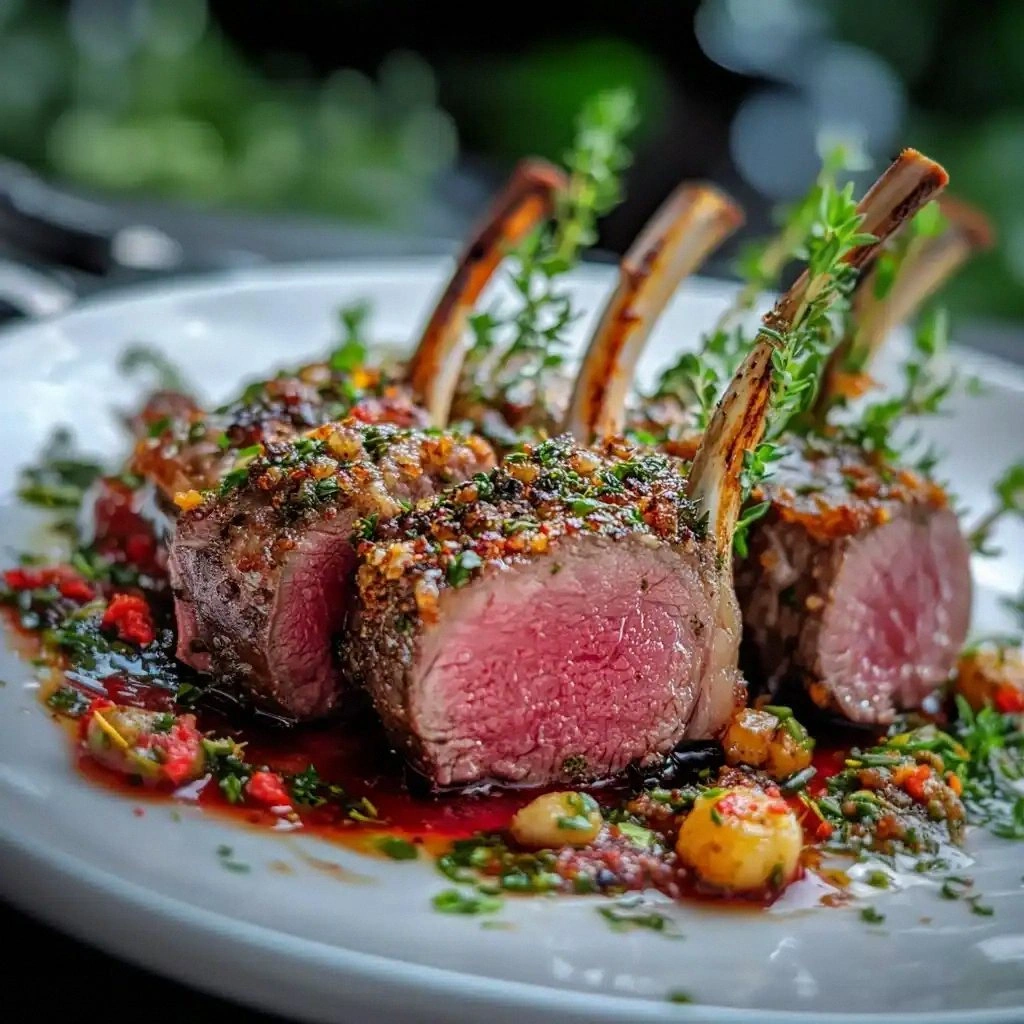
I remember the night my friend dared me to turn a humble rack of lamb into something that would make everyone at the table swoon. I had the meat, the herbs, and a stubborn confidence that the world had never tasted a version that could simultaneously feel indulgent and effortless. The kitchen smelled of rosemary and garlic, the air crackling with anticipation as I sliced the lamb into a single, elegant rack. My friend’s skeptical grin faded as the first sizzle hit the pan, and the moment the crust browned, a chorus of “wow” erupted. That instant made me realize I had stumbled onto a culinary revelation, and I couldn’t wait to share every detail.
Picture this: a rack of lamb, its fat cap crisped to a golden, almost buttery sheen, the herbs forming a fragrant crown that smells like a summer garden on fire. The sizzle as it hits the pan is not just sound—it’s a promise of texture, a prelude to the juicy, tender meat inside. The aroma of Dijon mustard mingles with thyme, rosemary, and parsley, creating a symphony that lures the nose before the taste buds even register. The first bite delivers a burst of savory, peppery flavor that melts into a velvety finish, while the crust provides a satisfying crunch that shatters like thin ice. If you’ve ever struggled with lamb, you’re not alone — and I’ve got the fix.
What sets this recipe apart is the intentional layering of flavors and textures. Instead of a generic seasoning, we use a mustard base that not only binds the herbs but also sharpens the overall profile, cutting through the richness of the lamb. The panko breadcrumbs give a unique crunch that elevates the crust, while the fresh herbs add depth that feels both rustic and refined. I dare you to taste this and not go back for seconds. This is hands down the best version you'll ever make at home, because every element works in concert to create a dish that feels both luxurious and approachable.
And there’s a twist you won’t expect: a subtle splash of olive oil that keeps the crust from drying out, plus a quick sear that locks in juices before the oven takes over. The result is a rack of lamb that feels like a centerpiece at a gala yet can be whipped up in under an hour. By the end of this guide, you’ll wonder how you ever made it any other way. Let me walk you through every single step — by the end, you'll wonder how you ever made it any other way.
What Makes This Version Stand Out
- Flavor: The Dijon mustard base provides a bright, tangy counterpoint to the lamb’s richness, creating a balanced palate that feels both bold and harmonious.
- Texture: Panko breadcrumbs give a crisp, airy crunch that contrasts beautifully with the tender, juicy meat.
- Ease: The method is straightforward, with no need for exotic equipment or time-consuming preparations.
- Herb Harmony: Fresh rosemary, thyme, and parsley work together to produce a fragrant, herbaceous bouquet that elevates the dish.
- Visual Appeal: The golden crust and bright green herb garnish make the rack look like a masterpiece before it even hits the plate.
- Make‑Ahead Friendly: The crust can be assembled a day ahead; just keep the lamb refrigerated until ready to bake.
Alright, let's break down exactly what goes into this masterpiece...
Inside the Ingredient List
The Flavor Base
The Dijon mustard is the linchpin of this crust. It adds acidity that cuts through the lamb’s fat and provides a subtle heat that awakens the palate. Skipping it would leave the crust bland and the lamb overly rich. If you’re allergic to mustard, a splash of horseradish or a pinch of white wine vinegar can offer a comparable brightness.
The Texture Crew
Panko breadcrumbs are the crunch engine of the dish. They absorb the olive oil and herbs, forming a golden, airy shell that’s light on the tongue but satisfies the need for a crispy bite. If you prefer a denser crust, switch to traditional breadcrumbs, but be prepared for a heavier texture that can overwhelm the lamb’s subtle flavors.
The Unexpected Star
Fresh herbs—rosemary, thyme, and parsley—are not just garnish; they’re the aromatic heart of the crust. Each herb contributes a distinct note: rosemary gives a piney, resinous depth; thyme offers earthy, slightly minty undertones; parsley brings a bright, herbaceous lift. If you’re out of fresh herbs, dried versions can work, but they’ll be less vibrant. For a twist, add a teaspoon of dried oregano to give a Mediterranean flare.
The Final Flourish
Olive oil is the binding agent that glues the crumbs and herbs together, ensuring the crust forms a cohesive shell. It also prevents the crust from drying out during baking, keeping the surface moist enough to caramelize beautifully. A dash of sea salt and freshly ground black pepper finish the seasoning, balancing the flavors and adding a subtle bite that enhances the overall profile.
Everything's prepped? Good. Let's get into the real action...
The Method — Step by Step
- Preheat your oven to 425°F (220°C). While the oven warms, pat the rack of lamb dry with paper towels to ensure a crisp crust. If you’ve ever struggled with a greasy surface, this step is critical—dry meat means better sear and less oil splatter.
- In a small bowl, mix the Dijon mustard, olive oil, minced garlic, and a pinch of sea salt. This mustard glaze will act as the glue that holds the herbs and breadcrumbs together. The garlic adds a subtle punch, while the oil keeps the crust from becoming brittle.
- Combine the panko breadcrumbs with freshly chopped rosemary, thyme, and parsley. Toss until evenly coated. The herbs will release their oils, infusing the crumbs with aromatic oils that will pop when baked.
- Brush the mustard glaze generously over the entire rack of lamb, ensuring every nook and cranny receives a coating. Then, press the breadcrumb mixture onto the lamb, forming a tight, even crust. The crust should look like a golden, fragrant shell that’s ready to caramelize.
- Place the rack on a rimmed baking sheet, fat side up. This orientation allows the fat to baste the meat as it melts, keeping the interior juicy. If you’re using a cast-iron skillet, the heat distribution will be even, ensuring a consistent crust.
- Bake for 20–25 minutes, or until the internal temperature reaches 135°F (57°C) for medium-rare. A meat thermometer is your best friend here; don’t rely on time alone. The crust should be golden brown and slightly blistered, indicating caramelization.
- Remove the rack from the oven and let it rest for 10 minutes. This resting period allows the juices to redistribute, ensuring every bite stays moist. While the lamb rests, you can quickly whip up a simple pan sauce if you wish to elevate the dish further.
- Slice the rack into individual chops, placing each piece on a warmed platter. Drizzle any pan juices over the lamb for an extra layer of flavor. Serve immediately with your choice of sides—roasted root vegetables or a fresh salad work beautifully.
That's it — you did it. But hold on, I've got a few more tricks that'll take this to another level...
Insider Tricks for Flawless Results
The Temperature Rule Nobody Follows
Many people rely solely on time, but the only reliable indicator is temperature. A digital thermometer will let you pull the lamb off the heat at the exact moment you want, preventing the dreaded “overdone” outcome. I’ve seen lamb turn from succulent to rubbery in seconds when left too long.
Why Your Nose Knows Best
Before you even touch the meat, trust your sense of smell. A fresh, aromatic crust should smell like a summer herb garden. If the scent is faint, the herbs may be wilted or the mustard under-seasoned. Adjust on the fly; a pinch more salt or a splash of vinegar can revive the flavor profile.
The 5‑Minute Rest That Changes Everything
Resting isn’t just a courtesy; it’s a necessity. During those five minutes, the juices redistribute, preventing them from spilling onto the plate when you cut. This simple step keeps the lamb moist and flavorful, making each bite a revelation.
The Secret of Even Searing
Heat the pan until it shimmers before adding the lamb. A hot surface ensures a quick sear, locking in juices and creating a caramelized crust. If you’re using a skillet, preheat it for at least 5 minutes on medium-high to achieve the right temperature.
The Finish With Pan Sauce
After removing the lamb, deglaze the pan with a splash of red wine or beef broth. Scrape up the browned bits, whisk in a pat of butter, and reduce until silky. Pour over the chops for an elegant, restaurant‑style finish.
Creative Twists and Variations
This recipe is a playground. Here are some of my favorite ways to switch things up:
Mediterranean Medley
Swap the rosemary and thyme for oregano and basil, and replace panko with fine crushed almonds. The result is a nutty, herbaceous crust that echoes a Mediterranean market.
Spiced Citrus Burst
Add zest from one lemon and a teaspoon of ground cumin to the breadcrumb mixture. The citrus brightens the dish while cumin adds earthy warmth.
Herb‑Infused Balsamic Glaze
After baking, drizzle a reduction of balsamic vinegar and fresh herbs over the chops. The glaze gives a sweet tang that complements the savory crust.
Truffle‑Infused Crust
Stir in a tablespoon of truffle salt into the breadcrumb mixture for an indulgent, earthy aroma that elevates the dish to gourmet status.
Asian Fusion
Replace Dijon mustard with a mix of soy sauce and rice vinegar, and add finely chopped scallions and a dash of sesame oil to the breadcrumb mix. The result is a savory, umami‑rich crust.
Storing and Bringing It Back to Life
Fridge Storage
Store any leftovers in an airtight container in the refrigerator for up to 2 days. Reheat gently in a 300°F (150°C) oven, covering loosely with foil to keep the crust from drying out.
Freezer Friendly
Wrap the cooked rack tightly in plastic wrap, then place in a freezer bag. Freeze for up to 3 months. When ready, thaw overnight in the refrigerator before reheating as described.
Best Reheating Method
Add a tiny splash of water or broth before reheating to create steam, which helps restore moisture and keep the lamb juicy. Finish with a quick sear in a hot skillet if you want to revive the crust’s crunch.