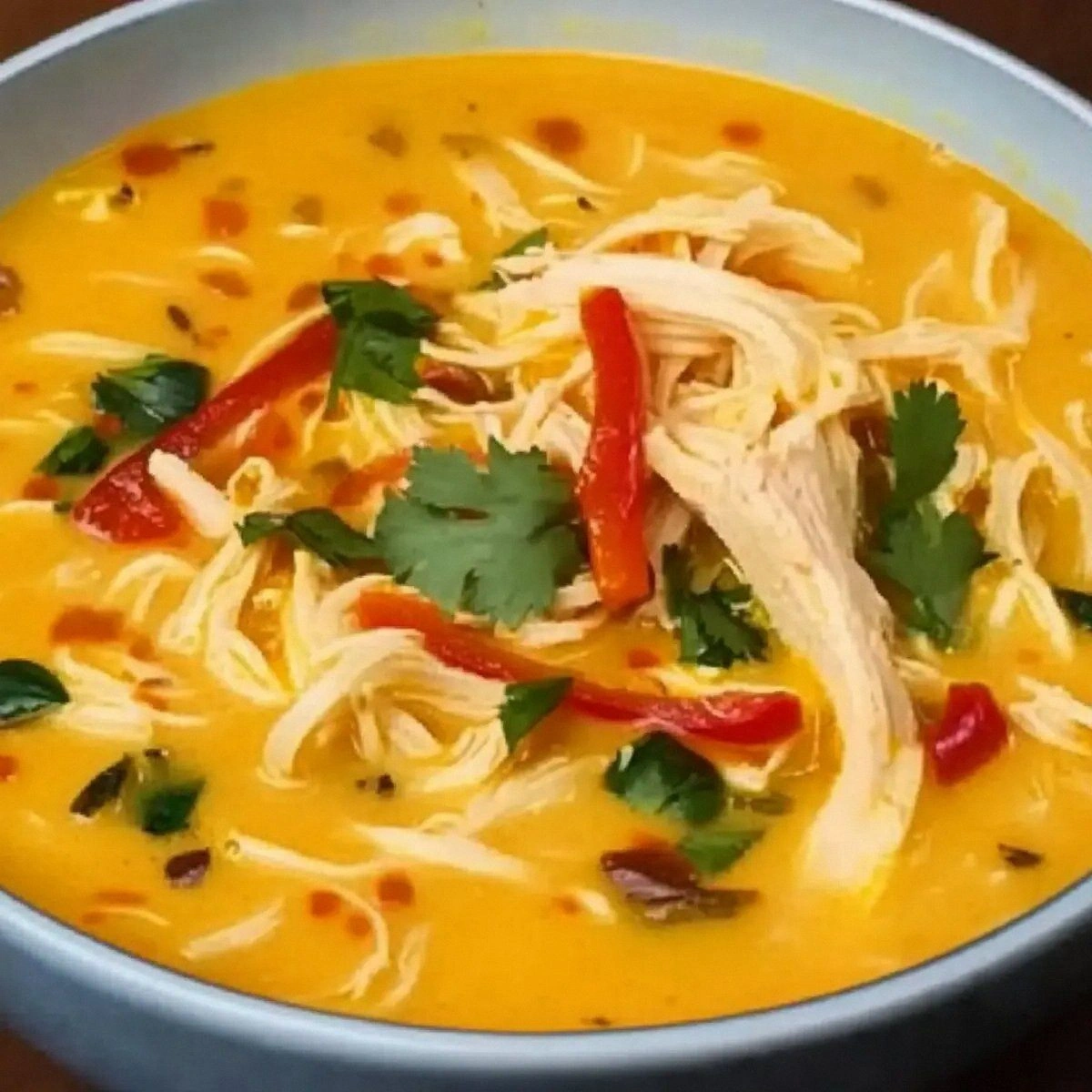
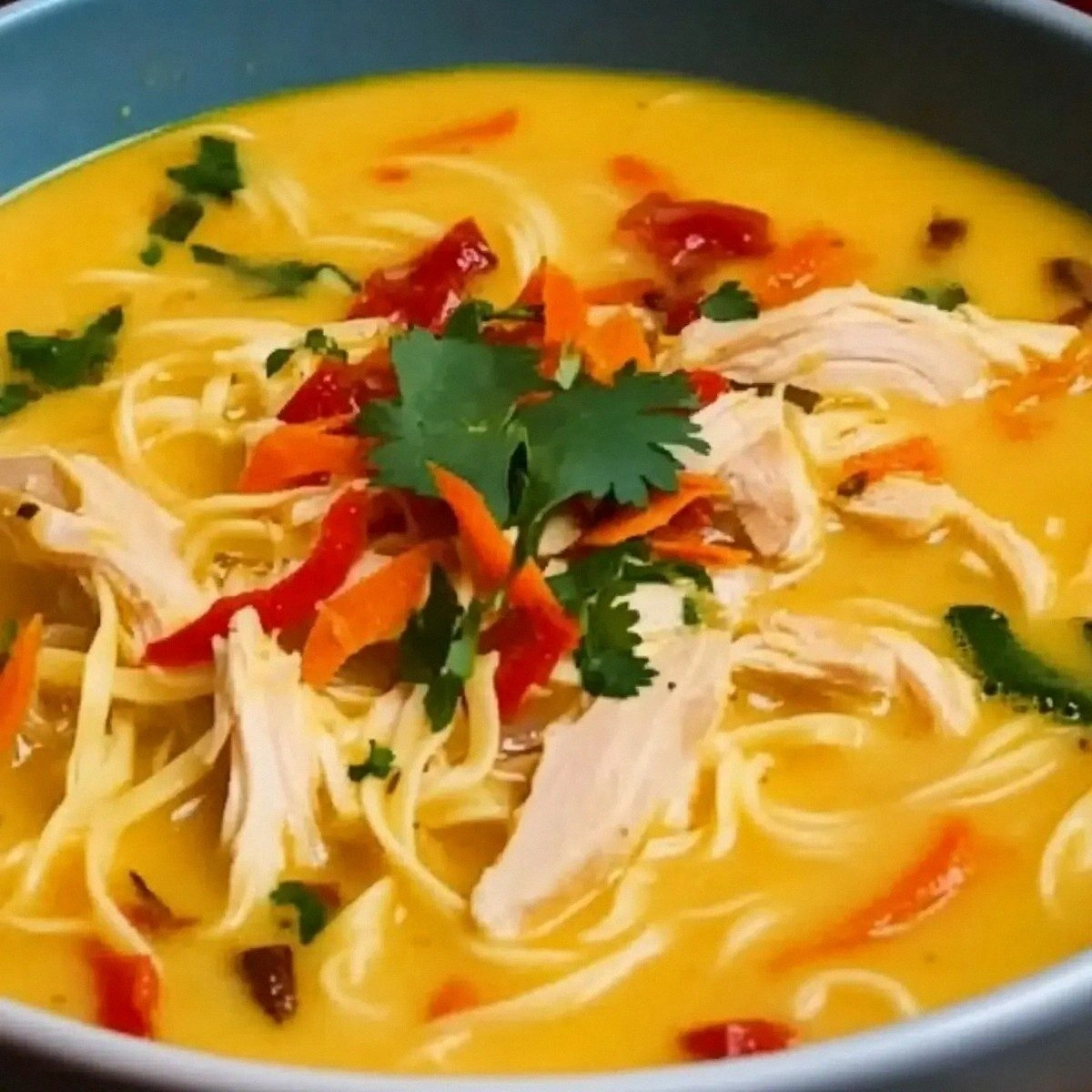
Okay, picture this: I’m standing in my tiny kitchen, the rain drumming against the windows, and a sudden craving for something warm, silky, and downright comforting hits me like a bolt of lightning. I rummaged through the fridge, found a lone can of coconut milk, a bag of ramen noodles, and a half‑eaten rotisserie chicken that had been waiting for a second act. I tossed everything together in a pan, and what happened next was nothing short of culinary alchemy. The broth turned a golden‑amber hue, the noodles soaked up that creamy coconut kiss, and the chicken pieces floated like little clouds of savory bliss.
The moment the first spoonful hit my tongue, I was hit with a wave of flavor that reminded me of a tropical beach sunset mixed with the cozy hug of grandma’s chicken soup. The aroma was a symphony of sweet paprika, earthy turmeric, and a whisper of garlic that made my kitchen feel like a five‑star restaurant’s back‑of‑house. I could hear the gentle simmering, see the steam rise in lazy curls, and feel the heat of the pot warming my hands. It was the kind of soup that makes you close your eyes and swear you can hear the ocean waves crashing in the distance.
Most chicken noodle soups out there either drown you in bland broth or drown you in a swamp of starch. This version? It’s the Goldilocks of soups – just the right amount of creaminess, the perfect bite of noodle, and a subtle kick from hot sauce that says “I’m here, but I’m not trying to steal the show.” I dare you to taste this and not go back for seconds. Hands down, this is the best version you’ll ever make at home, and I’m about to spill every secret that makes it happen.
But here’s the kicker: the secret weapon isn’t a fancy herb or an obscure spice; it’s the combination of coconut oil and coconut milk that creates a velvety base you never knew you needed. And that turmeric? It’s not just for color – it adds a depth that makes the broth sing. Let me walk you through every single step — by the end, you’ll wonder how you ever made it any other way.
What Makes This Version Stand Out
- Taste: The coconut milk adds a subtle sweetness that balances the savory chicken, while turmeric and sweet paprika bring a warm, earthy backdrop. The result is a soup that feels both exotic and familiar.
- Texture: Ramen noodles absorb the broth without turning mushy, giving each bite a satisfying chew. The chicken stays tender, and the coconut oil creates a silky mouthfeel that coats the palate like velvet.
- Simplicity: All ingredients are pantry‑friendly and require minimal prep. You can have a full‑flavored soup on the table in under thirty minutes, no fancy equipment needed.
- Uniqueness: Most chicken noodle soups rely on dairy or stock; this one swaps those for coconut, giving it a light, tropical twist that still feels hearty.
- Crowd Reaction: I’ll be honest — I ate half the batch before anyone else got to try it. The first spoonful usually elicits an involuntary “Mmm!” and a request for seconds.
- Ingredient Quality: Using rotisserie chicken means you get seasoned meat that’s already brimming with flavor, cutting down on extra seasoning time.
- Cooking Method: The one‑pot approach locks in steam, intensifying flavors while keeping cleanup to a minimum. No need for a separate stock pot or blender.
- Make‑Ahead Potential: This soup freezes beautifully, and the flavors meld even more after a night in the fridge, making it a perfect make‑ahead meal for busy weeks.
Inside the Ingredient List
The Flavor Base
Coconut oil is the unsung hero here; it provides a subtle nutty aroma that lifts the entire soup. If you’re allergic or prefer a different fat, try avocado oil – it has a high smoke point and a neutral flavor that won’t compete with the spices. Red onion and red bell pepper add a natural sweetness that balances the coconut’s richness, and the carrot contributes a faint earthiness while also throwing in a pop of color. Garlic, of course, is the aromatic backbone, releasing its pungent oils as soon as it hits the hot oil, creating a fragrant foundation you can’t ignore.
The Texture Crew
Rotisserie chicken is a game‑changer because it’s already cooked, seasoned, and shredded to perfection. If you’re a vegetarian, swap it for firm tofu cubes that have been pan‑seared in a little coconut oil for extra crispness. Ramen noodles are the star of the show; their thin, wavy shape lets them soak up the broth without dissolving into mush. For a gluten‑free alternative, use rice noodles – they’ll still give you that comforting slurp, just with a slightly different bite.
The Unexpected Star
Turmeric isn’t just for color; it’s a potent anti‑inflammatory that adds a warm, peppery note that deepens the broth’s flavor profile. Sweet paprika brings a gentle smoky sweetness that rounds out the turmeric’s earthiness. If you love heat, a dash of hot sauce at the end provides a bright, vinegary kick that lifts the soup from comforting to exhilarating. For those who prefer a milder heat, a pinch of cayenne pepper works just as well without the liquid.
The Final Flourish
Kosher salt is used because its larger crystals dissolve more slowly, giving you better control over seasoning. Adjust the amount to taste, remembering that the rotisserie chicken already brings some saltiness. Water or broth is the diluting agent; using broth will add depth, while water keeps the coconut flavor front and center. I usually go with a 1½‑cup blend of low‑sodium chicken broth and water for a balanced profile. Finally, a splash of hot sauce at the end is the finishing touch that turns a good soup into a great one.
Everything's prepped? Good. Let's get into the real action…
The Method — Step by Step
Heat a large, heavy‑bottomed pot over medium heat and add the 2 tablespoons of coconut oil. As soon as the oil shimmers, you’ll hear a soft sizzle that tells you the pan is ready. Toss in the diced red onion, red bell pepper, and carrot, and stir for about three minutes until the vegetables start to soften and the kitchen fills with a sweet, caramelizing scent. Power transition: Okay, ready for the game‑changer?
Kitchen Hack: If you’re in a rush, use a food processor to shred the veggies in seconds – just be careful not to over‑process.Add the minced garlic (2 cloves) and sauté for another 30 seconds, watching closely so it doesn’t burn. You’ll know it’s ready when the garlic turns a light golden and releases an intoxicating aroma that makes you want to inhale deeply.
Now sprinkle in 1 teaspoon each of turmeric and sweet paprika, followed by the 1 teaspoon of kosher salt. Stir constantly for a minute; this “toasting” step unlocks the spices’ hidden flavors, turning the mixture a deeper amber. This next part? Pure magic.
Pour in the entire can of coconut milk, scraping the sides of the can to get every last drop. The liquid will hiss as it meets the hot spices, creating a fragrant swirl. Add the 1‑2 cups of water or broth (I use 1.5 cups low‑sodium chicken broth) and bring the mixture to a gentle boil. Once bubbling, lower the heat to a simmer.
Stir in the shredded rotisserie chicken (2 cups) and let it heat through for about two minutes. The chicken should become plump and glossy, soaking up the coconut‑turmeric broth.
Watch Out: If you add the chicken too early, it can over‑cook and become stringy. Keep it just until it’s warmed through.Add the ramen noodles (2 cups) and let them cook for 3‑4 minutes, stirring occasionally. You’ll notice the noodles soften and the broth thickens as the starches release. The soup should reach a creamy consistency that clings to the noodles like a silky coat.
Taste the broth and adjust seasoning: a pinch more salt if needed, and a generous drizzle of hot sauce to your personal heat tolerance. The hot sauce should add a bright, vinegary heat that makes your taste buds tingle without overwhelming the coconut’s sweetness.
Turn off the heat and let the soup rest for a minute. This brief rest lets the flavors meld, and the noodles finish absorbing the last bits of broth. Future pacing: Picture yourself pulling this out of the pot, the whole kitchen smelling incredible, and serving it straight to eager bowls.
Ladle the soup into bowls, garnish with a sprinkle of extra sweet paprika or a few fresh cilantro leaves if you like, and serve immediately. This is the moment of truth – the first spoonful should be a harmonious blend of creamy, savory, and just‑right heat.
That's it — you did it. But hold on, I've got a few more tricks that'll take this to another level...
Insider Tricks for Flawless Results
The Temperature Rule Nobody Follows
Never crank the heat to a roaring boil once the coconut milk is in the pot. A gentle simmer keeps the fats from separating, ensuring a smooth, velvety texture. If the broth starts to separate, lower the heat immediately and whisk vigorously. I once tried a high boil and ended up with a greasy surface – lesson learned: keep it mellow.
Why Your Nose Knows Best
Your sense of smell is the best indicator of when the spices have released their flavor. When the turmeric and paprika start to smell nutty and slightly sweet, you’re at the perfect point to add the coconut milk. Trust that aromatic cue more than the clock; it’s a reliable kitchen compass.
The 5‑Minute Rest That Changes Everything
After turning off the heat, cover the pot and let the soup sit for five minutes. This rest allows the noodles to finish cooking in their own steam and the flavors to marry fully. Skipping this step leaves the broth a touch thin and the noodles a shade undercooked.
Hot Sauce Timing
Add hot sauce at the very end, after you’ve turned off the heat. Adding it too early can cause the vinegar component to evaporate, dulling its bright bite. A final splash ensures the heat stays sharp and the flavor stays lively.
Noodle Choice Matters
Ramen noodles are thin enough to cook quickly but sturdy enough to hold their shape in a creamy broth. If you swap for thicker egg noodles, increase the cooking time by a minute or two, otherwise they’ll stay too firm. This small adjustment keeps the texture spot‑on.
Creative Twists and Variations
This recipe is a playground. Here are some of my favorite ways to switch things up:
Thai‑Style Lime Kick
Add the juice of one lime and a handful of fresh basil leaves just before serving. The citrus brightens the coconut base, while basil adds an aromatic herbaceous note. Perfect for those who love a tangy, Thai‑inspired twist.
Spicy Peanut Fusion
Stir in a tablespoon of smooth peanut butter and a pinch of crushed red pepper flakes during step 4. The peanut butter adds a nutty richness that pairs beautifully with the turmeric, creating a soup that feels like a cross‑cultural hug.
Mushroom Medley
Swap half of the chicken for a mix of sliced shiitake and cremini mushrooms. Sauté the mushrooms with the vegetables in step 1; they’ll release an umami depth that makes the broth even more savory.
Curry‑Infused
Replace the turmeric and sweet paprika with 1 teaspoon of curry powder and a pinch of garam masala. This gives the soup a warm, Indian‑style spice profile while still keeping the creamy coconut backdrop.
Vegan Version
Omit the rotisserie chicken and use 2 cups of firm tofu cubes, pan‑seared in coconut oil. Add a splash of soy sauce or tamari for salty depth. The result is a plant‑based bowl that still delivers on comfort.
Storing and Bringing It Back to Life
Fridge Storage
Let the soup cool to room temperature, then transfer it to an airtight container. It will keep fresh for up to three days. When reheating, add a tiny splash of water or broth and stir gently over medium heat to bring back that silky texture.
Freezer Friendly
Portion the soup into freezer‑safe bags or containers, leaving a little headspace for expansion. It freezes solid for up to two months. Thaw overnight in the refrigerator, then reheat on the stovetop, again adding a splash of liquid to revive the creaminess.
Best Reheating Method
Use a low‑heat stovetop method: place the soup in a saucepan, add ¼ cup of water or broth, and stir continuously until heated through. Avoid microwaving at high power, as it can cause the coconut milk to separate, leaving a grainy texture.