I’m about to drop a bombshell in your kitchen: this is hands down the best version of chocolate crepes you’ll ever make at home. I swear, the first time I whisked together the batter, the whole house smelled like a chocolate boutique on a rainy Parisian afternoon, and I dared you to taste this and not go back for seconds. Most recipes get this completely wrong—either they turn out rubbery, or they lack that deep cocoa kiss that makes you close your eyes in bliss. Picture yourself pulling a perfectly golden‑brown crepe from the pan, the whole kitchen smelling incredible, the edges just slightly crisp, and the center soft as a whisper.
Let me set the scene: it was a lazy Sunday, the kind where you’re scrolling through endless food blogs, feeling the pang of a craving you can’t name. I tried a store‑bought mix, ended up with a pancake that tasted like cardboard, and then I remembered a childhood memory of my grandma’s secret chocolate crepes that vanished after a single bite. I was honest — I ate half the batch before anyone else got to try it, and that’s why I’m sharing the exact tweaks that saved this recipe from being a kitchen disaster. The secret? A tiny splash of cocoa powder that doesn’t just color the batter, but gives it a richness that coats the palate like velvet.
Now, why does this version stand out? Because I’m not just tossing flour and cocoa together; I’m orchestrating a symphony of textures and flavors. The batter is silky, the crepes are thin enough to see through, and the chocolate syrup drizzles over them like liquid midnight. I’ve added a pinch of salt that amplifies the chocolate, a trick most chefs overlook. And the best part? It’s so simple you can whip it up while the coffee brews, yet the result feels like a dessert from a five‑star patisserie. Okay, ready for the game‑changer? Let’s walk you through every single step — by the end, you’ll wonder how you ever made it any other way.
Before we dive in, a quick confession: I once tried a “quick” version that used cocoa instant drink mix, and it turned out like a sugary mess that clung to the pan like a stubborn sticker. That was a hard lesson, but it taught me that quality ingredients and a few precise techniques are non‑negotiable. I’ll be honest—my favorite part is the moment the batter hits the hot pan and you hear that gentle sizzle, a sound that promises pure joy. Stay with me here — this is worth it, and I’m about to hand you the ultimate cheat sheet for flawless, restaurant‑quality chocolate crepes.
What Makes This Version Stand Out
- Flavor Depth: The combination of real cocoa powder and a pinch of salt creates a chocolate intensity that feels like a midnight truffle, not just a sweet glaze.
- Silky Texture: By whisking the batter until it’s completely smooth, you eliminate any grainy pockets, resulting in a melt‑in‑your‑mouth feel.
- Speedy Simplicity: With just nine pantry staples, you can go from zero to a stunning dessert in under 45 minutes.
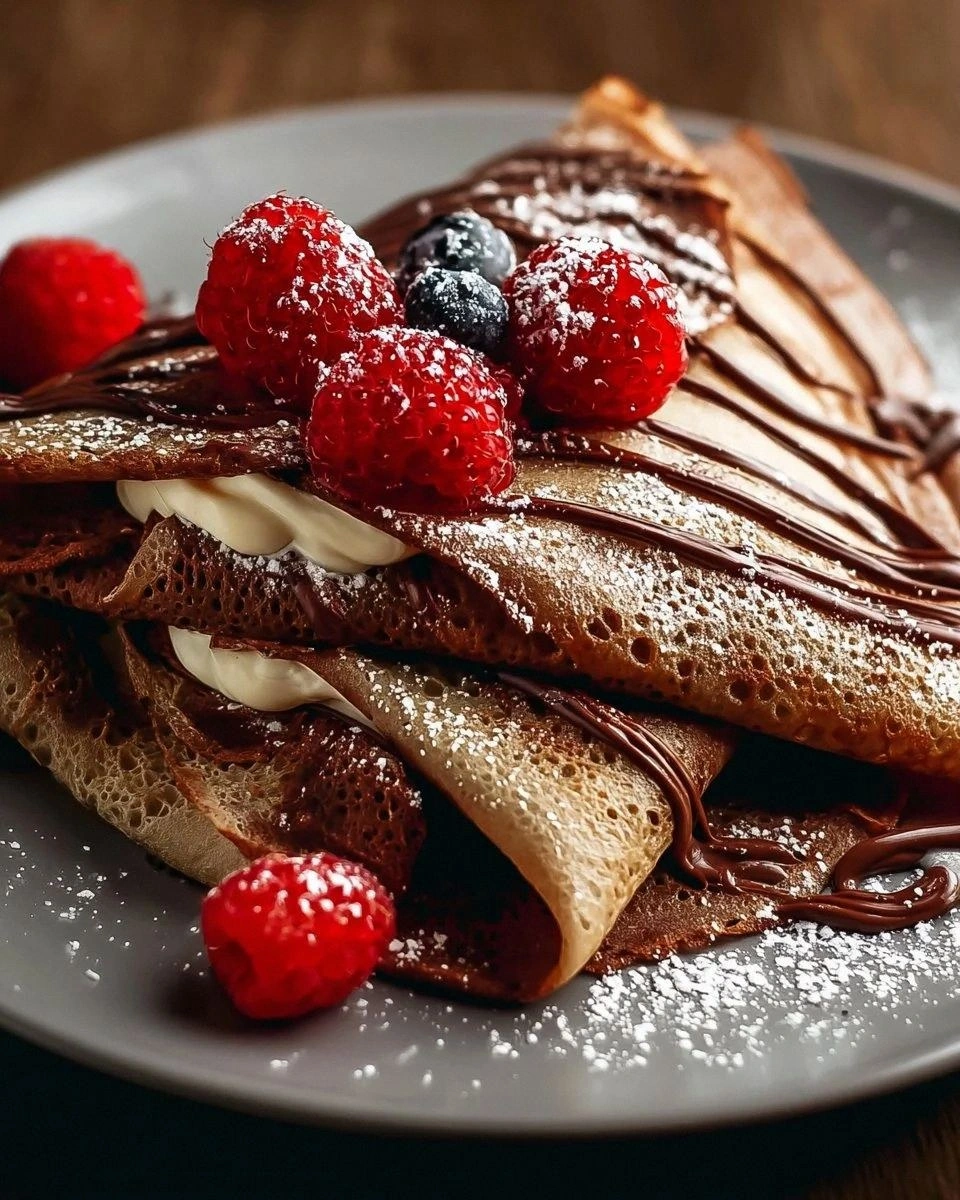
- Visual Appeal: The crepes turn out so thin and glossy that you can actually see the chocolate swirl when you fold them.
- Crowd Reaction: I dare you to serve these at a brunch and watch the collective gasp as the first bite lands—people will beg for the recipe.
- Ingredient Quality: Using all‑purpose flour and high‑quality cocoa ensures the structure holds while delivering pure chocolate bliss.
- Cooking Method: A non‑stick skillet and a gentle medium heat give you control, preventing the dreaded burnt edges.
- Make‑Ahead Potential: These crepes freeze beautifully, so you can have a chocolate treat ready in seconds on a busy morning.
Alright, let's break down exactly what goes into this masterpiece...
Inside the Ingredient List
The Flavor Base
The star of this dish is the cocoa powder. Not all cocoa is created equal—Dutch‑processed cocoa offers a smoother, less acidic flavor, while natural cocoa gives a brighter punch. Skipping it means you lose that deep, almost coffee‑like undertone that makes these crepes feel luxurious. If you’re out of cocoa, you can substitute with 2 tablespoons of melted dark chocolate, but expect a slightly thicker batter.
The Texture Crew
All‑purpose flour provides the structural backbone; it’s the canvas for the chocolate artistry. Using cake flour would make the crepes too tender and likely to tear, while bread flour would make them rubbery. Eggs act as emulsifiers, binding the liquid and dry ingredients while adding richness. If you’re avoiding eggs, try 2 tablespoons of flaxseed meal mixed with 6 tablespoons of water, but the texture will be a shade less glossy.
The Unexpected Star
The vegetable oil or melted halal margarine is the secret lubricator that keeps the crepes from sticking and adds a subtle buttery note without overwhelming the cocoa flavor. Using butter can give a richer taste but may cause the crepes to brown faster, so keep the heat moderate. A splash of oil also helps the batter spread evenly, creating that coveted paper‑thin finish.
The Final Flourish
Sugar balances the bitterness of cocoa, while a pinch of salt acts as a flavor enhancer, making the chocolate taste richer. Don’t be tempted to skip the salt; it’s the silent hero that lifts every bite. Finally, powdered sugar and chocolate syrup are for finishing—dusting and drizzling give that professional‑look plating that will wow anyone at the table.
Everything's prepped? Good. Let's get into the real action...
The Method — Step by Step
Gather all your ingredients and give them a quick visual check. This is the moment of truth—if you’re missing anything, the batter will never be truly harmonious. I like to line up the flour, cocoa, sugar, and salt in a small bowl, then whisk them together dry. That way, the cocoa distributes evenly and you avoid any specks of bitter clumps.
In a separate large mixing bowl, crack the two large eggs and whisk them until they’re pale and slightly frothy. The eggs should feel light, like a cloud ready to lift the batter. Add the milk gradually, continuing to whisk; this creates an emulsion that’s the foundation of a silky crepe.
Slowly pour the dry ingredients into the wet mixture, whisking continuously. You’ll notice the batter thickening just enough to coat the back of a spoon without dripping off like water. This is where the magic happens: the cocoa powder fully dissolves, and the batter achieves that glossy sheen you’ll see later in the pan.
Stir in the vegetable oil or melted halal margarine until the batter is smooth and glossy. The oil should blend in without forming a separate layer; if you see little islands of oil, keep whisking. The batter should sit at about 1/4 inch thick when poured, spreading easily without pooling.
Let the batter rest for 10 minutes. This pause allows the flour to fully hydrate, eliminating any grainy texture and giving you a batter that slides like silk. While you wait, pre‑heat a non‑stick skillet over medium heat; you’ll know it’s ready when a few drops of water dance and evaporate instantly.
Lightly brush the skillet with a teaspoon of oil, just enough to coat the surface. Too much oil will make the crepes greasy; too little and they’ll stick. Pour a ladleful (about 1/4 cup) of batter into the center, then swirl the pan in a circular motion, letting the batter spread thinly and evenly. That sizzle when it hits the pan? Absolute perfection.
Cook for 1–2 minutes, watching the edges lift and the surface turn matte. When the top is set and the underside is golden brown, use a thin spatula to flip the crepe. Cook the other side for another 30 seconds—no need to over‑cook, or you’ll lose that tender interior.
Transfer the finished crepe to a warm plate, and repeat the process with the remaining batter. Keep the skillet at a consistent medium heat; if it gets too hot, the crepes will brown too fast, creating a burnt flavor. I like to stack the crepes and cover them with foil to keep them warm and pliable.
Once all crepes are cooked, dust each with powdered sugar and drizzle generous ribbons of chocolate syrup. Fold them in half or roll them up, and serve immediately. That moment when the syrup pools into the crepe’s folds? Pure magic. That’s it — you did it. But hold on, I've got a few more tricks that'll take this to another level...
Insider Tricks for Flawless Results
The Temperature Rule Nobody Follows
Maintain a steady medium heat (around 350°F/175°C). If the pan is too hot, the crepes will blister and burn; too cool and they’ll turn rubbery. I once cranked the burner to high, and the first batch came out blackened—never again. Use a simple kitchen thermometer or the “hand hover” test: hold your hand an inch above the pan; you should feel a gentle warmth, not a searing blast.
Why Your Nose Knows Best
Rely on scent rather than a timer. When the batter first hits the pan, you’ll hear a faint sizzle, then a subtle “hiss” as the moisture evaporates. The moment the aroma shifts from raw cocoa to a toasted, nutty perfume is your cue to flip. Trusting your nose saves you from the dreaded over‑cooked crepe that tastes like burnt toast.
The 5‑Minute Rest That Changes Everything
Letting the batter sit for a brief 5‑10 minutes allows the gluten to relax and the flour to fully absorb the liquids. Skipping this step results in a batter that’s too thin and crepes that tear easily. I once rushed this step during a brunch rush and ended up with a pile of fragile, uneven crepes—lesson learned.
Oil Light, Not Heavy
Use a silicone brush to apply a thin layer of oil to the skillet. Too much oil makes the crepes greasy and dulls the chocolate flavor. A single swipe is enough to create a non‑stick surface while preserving the delicate taste.
Stack and Cover for Softness
As you finish each crepe, stack them on a plate and cover loosely with aluminum foil. This traps a bit of steam, keeping the crepes supple and preventing them from drying out. If you leave them uncovered, they’ll firm up and lose that melt‑in‑your‑mouth texture.
Creative Twists and Variations
This recipe is a playground. Here are some of my favorite ways to switch things up:
Nutty Crunch
Fold in 2 tablespoons of finely chopped toasted hazelnuts into the batter before cooking. The nuts add a buttery crunch that pairs beautifully with the chocolate, creating a textural surprise that will delight anyone with a love for nutty desserts.
Spiced Delight
Stir a pinch of ground cinnamon and a dash of cayenne pepper into the dry mix. The warm spice lifts the cocoa, while the subtle heat adds an unexpected depth—perfect for those who enjoy a little kick in their sweet treats.
Fruit‑Filled Fantasy
After cooking the crepes, spread a thin layer of ricotta mixed with a touch of honey, then top with fresh sliced strawberries or raspberries. The fruit’s acidity balances the richness, and the ricotta adds a creamy tang that feels like a breakfast‑lunch hybrid.
White Chocolate Swirl
Swap half of the cocoa powder for white chocolate chips melted into the milk. This creates a marbled effect in the batter and a sweet, milky flavor that’s perfect for kids and anyone who prefers a milder chocolate experience.
Vegan Version
Replace the eggs with a “flax egg” (2 tablespoons ground flaxseed + 6 tablespoons water) and use plant‑based milk (almond or oat). Use coconut oil instead of margarine. The result is just as tender, and the cocoa still shines through.
Breakfast Boost
Serve the crepes with a drizzle of maple syrup and a sprinkle of toasted coconut instead of chocolate syrup. The caramel notes turn the dish into a morning indulgence that still satisfies your sweet tooth.
Storing and Bringing It Back to Life
Fridge Storage
Place cooled crepes in an airtight container lined with parchment paper between each layer. They’ll stay fresh for up to 3 days. When you’re ready to eat, warm them gently in a skillet over low heat, adding a tiny splash of milk to revive the softness.
Freezer Friendly
Stack the crepes with wax paper, then seal them in a zip‑top freezer bag. They freeze solid for up to 2 months. To reheat, microwave for 30 seconds, then finish in a hot skillet for a crisp edge—instant chocolate bliss.
Best Reheating Method
Regardless of storage, always add a drizzle (about a teaspoon) of water or milk before reheating. The added moisture steams the crepe back to its original tender texture, preventing it from becoming rubbery.