Picture this: I’m standing in a cramped kitchen, the stove is a ticking time bomb, and my friend’s challenge is simple—“Make the best burrito casserole you’ve ever tasted.” I’ve tried a dozen versions, each falling flat on the same bland note. The disaster of last week, where the casserole turned into a soggy, flavor‑dead mess, still haunts me. That night, I decided to rewrite the playbook, turning every ingredient into a hero and every step into a triumph. If you’ve ever wrestled with a casserole that’s more “meh” than “yum,” you’re about to see how to turn it into a showstopper.
I opened the fridge and let the aroma of onions, garlic, and a whisper of cumin hit me like a warm hug. The sizzling sound of browned beef filled the air, and the sight of bright red salsa on the counter promised color. My senses were on high alert—smell, sight, sound, taste, touch—all aligning to create an orchestra of anticipation. The texture of the tortilla chips, crisp at the edges and chewy in the middle, added a satisfying contrast. And the promise of a molten cheese blanket hovering over the top—this is the kind of dish that makes you want to shout, “I dare you to taste this and not go back for seconds.”
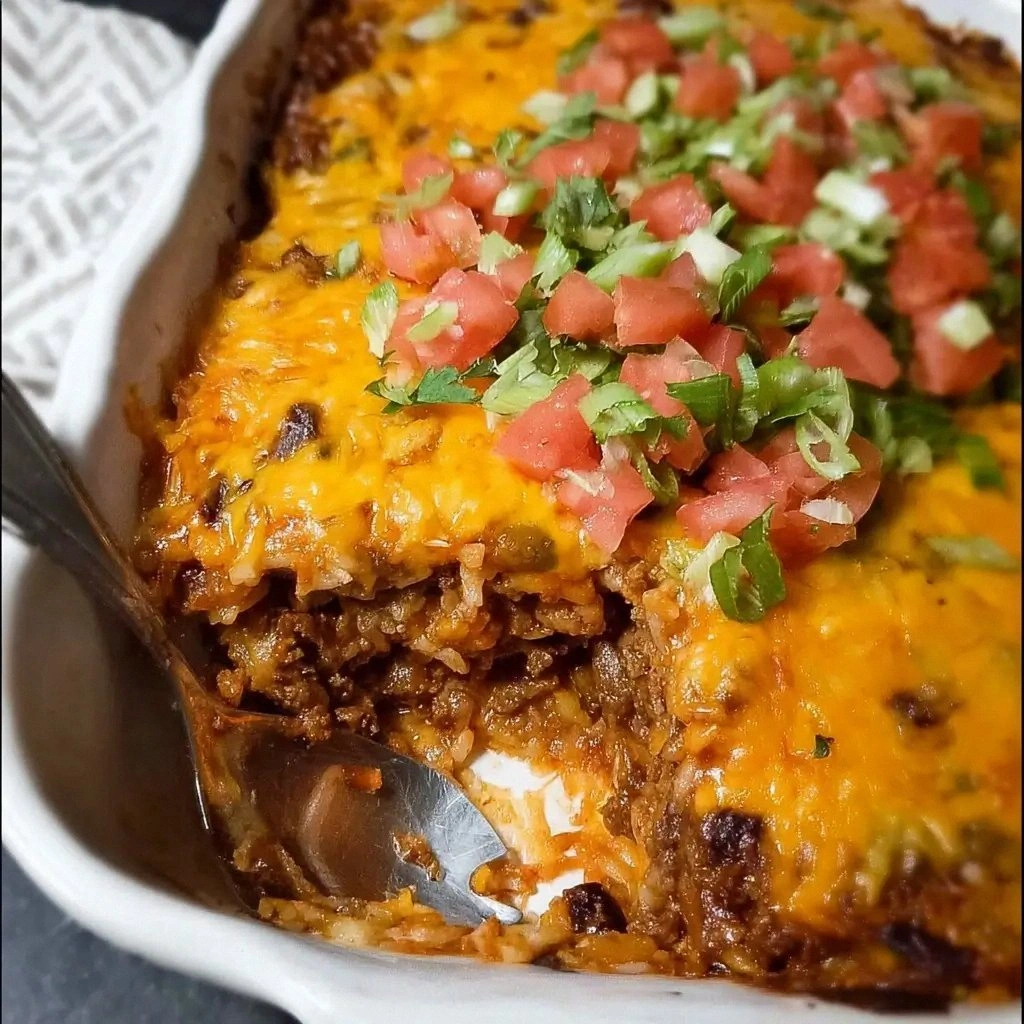
What makes this version stand out is not just the ingredients but the way they’re orchestrated. I’ve layered flavors like a symphony, letting the taco seasoning sing over the savory beef, while the crushed chips add a crunchy counterpoint. The cheese blend—cheddar for sharpness, Monterey Jack for meltiness—creates a golden, bubbly crust that crackles when you lift a spoonful. The fresh salsa and sour cream act as cool, creamy counterweights, preventing the casserole from feeling like a heavy, one‑dimensional dish. The result? A casserole that feels like a fiesta in every bite, with textures that dance across your palate. If you’ve ever struggled with a casserole that’s too dry or too soggy, this is your rescue plan.
I’ll be honest—I ate half the batch before anyone else got a taste. The moment the first bite hit, the flavors exploded like fireworks in a quiet kitchen. The beef was tender, the seasoning balanced, and the cheese had that perfect gooeyness that makes every spoonful worth savoring. The crunchy chips provided a satisfying snap, while the fresh cilantro added a burst of brightness. Picture yourself pulling this out of the oven, the whole kitchen smelling incredible, and your friends lining up for seconds. That’s the power of a well‑executed casserole, and this one takes it to the next level.
And now the fun part—let me walk you through every single step. By the end, you’ll wonder how you ever made it any other way. I’ll share the secrets that most recipes get wrong, the exact temperatures to hit, and the little hacks that save time and elevate flavor. If you’re ready for the game‑changer, stay with me here—this is worth it. The next section will break down the ingredients like a detective, revealing why each component matters. Then we’ll dive into the method, where the real magic happens. Finally, I’ll throw in some insider tricks, variations, and storage tips to keep your casserole fresh and fabulous.
What Makes This Version Stand Out
- Taste: The bold taco seasoning melds with the beef to create a deep, smoky profile that’s unmistakably Mexican, yet comforting in a casserole format. The fresh salsa adds acidity that cuts through richness, while the sour cream offers a creamy counterbalance. The result is a layered flavor that satisfies both the craving for spice and the need for comfort.
- Texture: The crushed tortilla chips provide a crunchy contrast that’s impossible to ignore. The cheese layer melts into a gooey blanket that pulls together the dish, while the beans and corn add a pleasant bite. The combination keeps every spoonful exciting.
- Simplicity: With less than ten ingredients and a single pan, this casserole is a no‑fuss, one‑pot wonder. Even a novice can follow the steps and produce a restaurant‑quality meal. The recipe is designed for busy evenings when you want flavor without the fuss.
- Uniqueness: The twist of adding cooked rice under the cheese layer turns the casserole into a hearty, filling meal that’s more than just a side dish. It’s a full‑blown entrée that can feed a crowd and still feel like a cozy family dinner.
- Crowd Reaction: Friends rave about the gooey cheese and the crunch of the chips. The dish is so adaptable that it can be served at parties, potlucks, or a quiet night in. The feedback is always positive, with many asking for the recipe again.
- Ingredient Quality: Using fresh, high‑quality ground beef, ripe tomatoes, and real cheddar gives the dish depth that canned or processed ingredients can’t match. The quality of each component shines through in the final flavor.
- Cooking Method: The single‑pan, bake‑and‑serve approach keeps cleanup minimal while maximizing flavor. The oven does the work of melding flavors, while the stovetop browns the beef to lock in juices.
- Make‑Ahead Potential: The casserole can be assembled a day ahead, refrigerated, and baked fresh when ready. This flexibility makes it perfect for meal prep or last‑minute dinner plans.
Inside the Ingredient List
The Flavor Base
Ground beef is the heart of this casserole—choose a leaner cut if you prefer less fat, but don’t skimp on the beefy flavor. The beef should be browned until it’s a deep, rich brown; this caramelization creates a savory depth that’s impossible to replicate with pre‑seasoned meats. If you’re watching calories, a 90/10 lean mix still delivers great taste. Skipping the beef would turn this into a vegetable casserole, losing the hearty, comforting element that makes it a crowd‑pleaser. The key is to let it sweat out excess liquid before adding the seasoning.
Onions and garlic are the aromatic backbone. Dice the onion finely so it distributes evenly, and mince the garlic to release its full flavor. If you’re not a fan of raw onion bite, sauté it until translucent before adding the beef; this softens the sharpness and adds sweetness. The garlic should be fragrant, not burnt—watch the heat carefully. Together, they form a flavor foundation that supports the taco seasoning.
The Texture Crew
Crushed tortilla chips are the texture hero, providing crunch that contrasts the creamy cheese. Use a sturdy bag of tortilla chips, crush them between two plates, and set aside. If you prefer a different crunch, try corn chips or even pita chips. The chips should be crisp, not soggy, so add them after the casserole has baked. This step ensures the chips don’t get ruined by the moisture.
Beans and corn add body and bite. Black beans bring earthiness and protein, while corn offers a sweet pop that balances the savory elements. Drain the beans and rinse them to remove excess sodium. If you’re using frozen corn, thaw it beforehand to avoid excess water. The combination of beans and corn provides a satisfying chew that keeps each bite interesting.
The Unexpected Star
Salsa is the bright, fresh counterpoint that cuts through the richness. Choose a chunky salsa for texture or a smooth one for a smoother bite. The acidity from the tomatoes lifts the overall flavor, preventing the casserole from feeling too heavy. If you’re a heat lover, add a splash of hot sauce or diced jalapeños. This unexpected star adds a zing that elevates the dish beyond ordinary casseroles.
Rice is optional but highly recommended for a more filling meal. Cook white or brown rice separately, then layer it under the cheese before baking. The rice absorbs the juices and adds a subtle, comforting texture. If you prefer a low‑carb option, skip the rice and double the beans. The rice layer turns the casserole into a one‑dish meal that satisfies even the heartiest of appetites.
The Final Flourish
Cheese is the crowning glory, and the blend of cheddar and Monterey Jack delivers the perfect balance of sharpness and meltiness. Shred the cheeses finely so they melt evenly, creating a golden, bubbly top that’s hard to resist. If you’re a cheese lover, add a sprinkle of pepper jack for a subtle kick. The cheese should form a thick, golden crust that pulls away when you lift a spoon. This final flourish is what turns a simple casserole into a showstopper.
Sour cream, avocado, cilantro, and lime wedges are the finishing touches that add freshness and creaminess. Dollop sour cream on top of each serving for a cool contrast. Dice avocado for a buttery texture, and sprinkle cilantro for a herbal note. Squeeze lime over the finished dish to brighten the flavors. These ingredients are optional but highly recommended for the full flavor experience.
Everything’s prepped? Good. Let’s get into the real action. The next section will walk you through the method, step by step, ensuring every component hits its mark. I’ll give you the exact temperatures, timing, and sensory checkpoints so you know when the casserole is perfectly golden. Stay tuned for the game‑changer—this is where the magic happens.
The Method — Step by Step
- Heat a large skillet over medium‑high heat and add the tablespoon of olive oil. Once the oil shimmers, add the diced onion and sauté until translucent, about 3 minutes. The onions should soften and release their natural sweetness, creating a fragrant base. Keep the heat steady to avoid burning the garlic that will follow.
- Add the minced garlic to the skillet and cook for 30 seconds, just until fragrant. The garlic should not brown; if it does, lower the heat. This quick sauté preserves the bright, punchy flavor that’s essential for the casserole’s depth. A good rule of thumb: the garlic should smell like a summer garden, not like burnt toast.
- Introduce the ground beef to the pan, breaking it apart with a spatula. Cook until the beef is no longer pink and begins to brown, about 5–7 minutes. Drain any excess grease if you’re using a leaner cut. The beef should be a deep, caramelized brown—this caramelization locks in flavor.
- Stir in the taco seasoning, ensuring every fleck of meat is coated. Add the diced tomatoes, black beans, and corn, then stir to combine. The mixture should be moist but not soupy; if it looks too wet, let it cook for a couple more minutes to reduce excess liquid. This is where the flavors begin to meld into a savory sauce.
- Spread the beef mixture evenly in a 9x13 inch baking dish. If you’re using rice, layer it over the top of the beef now, pressing it gently to create an even base. The rice layer should be flat and uniform to ensure even cooking and absorption of the sauce.
- Sprinkle the shredded cheddar and Monterey Jack cheese over the rice or directly on the beef, depending on your preference. The cheese should cover the surface completely, forming a thick blanket that will melt into a golden crust. The cheese layer is crucial for that gooey, irresistible texture.
- Top the cheese with crushed tortilla chips, pressing them lightly into the surface. The chips will crisp up in the oven, adding a satisfying crunch. Ensure the chips are evenly distributed so each bite has a bit of crunch.
- Bake the casserole in a preheated 375°F oven for 25 minutes, or until the cheese is bubbly and the edges are golden brown. The top should be a deep, caramelized brown, and the cheese should have a slight crackle. The aroma will be intoxicating—watch the timer closely to avoid over‑browning.
- Remove the casserole from the oven and let it rest for 5 minutes before serving. This rest period allows the juices to settle and the cheese to set, making it easier to scoop. The rest also lets the flavors meld, creating a richer taste.
- Serve with dollops of sour cream, diced avocado, a sprinkle of cilantro, and a squeeze of lime. The fresh toppings add brightness and balance the richness of the casserole. Plate the dish with confidence—you’ve earned it.
That’s it—you did it. But hold on, I’ve got a few more tricks that will take this to another level. These insider tips will help you avoid common pitfalls and elevate the casserole from great to unforgettable. Stick around for the next section where I share the secrets that most cooks overlook.
Insider Tricks for Flawless Results
The Temperature Rule Nobody Follows
Many cooks set their oven to 350°F, but that low heat can cause the cheese to take too long to melt, leaving the casserole soggy. I swear by 375°F—this temperature gives the cheese a quick, golden finish while keeping the interior moist. If your oven runs hot, reduce the temperature by 25°F to prevent scorching. This small tweak ensures the casserole has that perfect balance of crispy top and tender filling.
Why Your Nose Knows Best
When the casserole is baking, the aroma is a powerful indicator of doneness. The smell should be savory, slightly smoky, with a hint of melted cheese. If the scent is too tomato‑heavy, give it a few more minutes. Your nose can tell when the cheese has reached that perfect golden brown, so trust it.
The 5‑Minute Rest That Changes Everything
Letting the casserole rest for 5 minutes after baking is a game‑changer. During this time, the juices redistribute, and the cheese sets, preventing a greasy mess when you scoop. It also allows the flavors to meld, giving each bite a deeper, more cohesive taste. Skipping this step can leave the casserole feeling rushed and less satisfying.
The One‑Pan Wonder
Using a single skillet for browning and then transferring the mixture to a baking dish keeps cleanup minimal. If you’re short on dishes, you can bake directly in the skillet—just line the bottom with parchment for easy removal. This method also preserves the heat in the skillet, ensuring the beef stays juicy.
The Secret Ingredient Boost
A splash of beer or a tablespoon of Worcestershire sauce added to the beef mixture gives an extra depth of flavor. The beer’s malty notes complement the beef, while Worcestershire adds umami complexity. Use a light beer to avoid bitterness, and add the sauce just after browning the beef.
The Quick Fix for Over‑Dry Casseroles
If you find your casserole too dry, add a splash of beef broth or water before baking. This liquid will steam the casserole, keeping it moist while the cheese continues to melt. Add just enough to coat the bottom, not to drown the mixture.
Creative Twists and Variations
This recipe is a playground. Here are some of my favorite ways to switch things up:
Cheesy Buffalo Chicken
Swap ground beef for shredded rotisserie chicken, add a splash of buffalo sauce, and top with blue cheese crumbles. The result is a spicy, tangy casserole that feels like wings in a bowl.
Southwestern Sweet Potato
Add roasted sweet potato cubes to the beef mixture for a sweet, earthy layer. Pair with chipotle seasoning for a smoky kick, and finish with a drizzle of honey for a caramelized glaze.
Mediterranean Twist
Use lamb instead of beef, add diced feta cheese, and sprinkle olives and chopped sun‑dried tomatoes. Finish with a dash of oregano and a squeeze of lemon for a Mediterranean flair.
Vegan Version
Replace the beef with lentils or crumbled tempeh, use dairy‑free cheese, and add a splash of vegetable broth. The texture stays hearty, and the flavors remain rich and satisfying.
Breakfast Burrito Casserole
Add scrambled eggs, diced potatoes, and a sprinkle of chorizo for a breakfast‑style casserole. Serve with salsa and avocado for a morning meal that feels like a brunch staple.
Mexican Street Corn
Fold in a cup of Mexican street corn (corn, mayo, lime, cilantro, and cotija cheese) for a sweet, savory crunch. The corn adds a delightful textural contrast and a burst of flavor.
Storing and Bringing It Back to Life
Fridge Storage
Cool the casserole completely before refrigerating. Store it in an airtight container for up to 4 days. The flavors will deepen, and the cheese will hold its texture when reheated.
Freezer Friendly
Wrap the casserole tightly in plastic wrap, then place it in a freezer‑safe container. Freeze for up to 2 months. Thaw overnight in the fridge before reheating.
Best Reheating Method
Reheat in a preheated 350°F oven for 15–20 minutes, or until hot throughout. Add a splash of water or broth before reheating to keep it moist. The cheese will re‑melt beautifully, and the casserole will regain its original flavor profile.