It was a rainy Sunday afternoon, the kind of day that makes you want to stay in bed and binge-watch your favorite series. I had a sudden craving for something sweet, creamy, and espresso‑laden, and my kitchen looked like a battlefield after a late‑night pizza run. The espresso machine sputtered like an old engine, the sugar bowl was a crater, and the mascarpone had been left on the counter, slowly turning into a stubborn, thick chunk of cheese. I stared at the mess, then decided to turn that disaster into a masterpiece. I’m talking about the ultimate Tiramisu Lattes with Mascarpone—an indulgent, café‑style drink that feels like a dessert, but is served hot and comforting enough for a breakfast treat. This is the recipe that will make your taste buds do a little somersault, and you’ll find yourself reaching for the espresso machine again and again. I dare you to taste this and not go back for seconds.
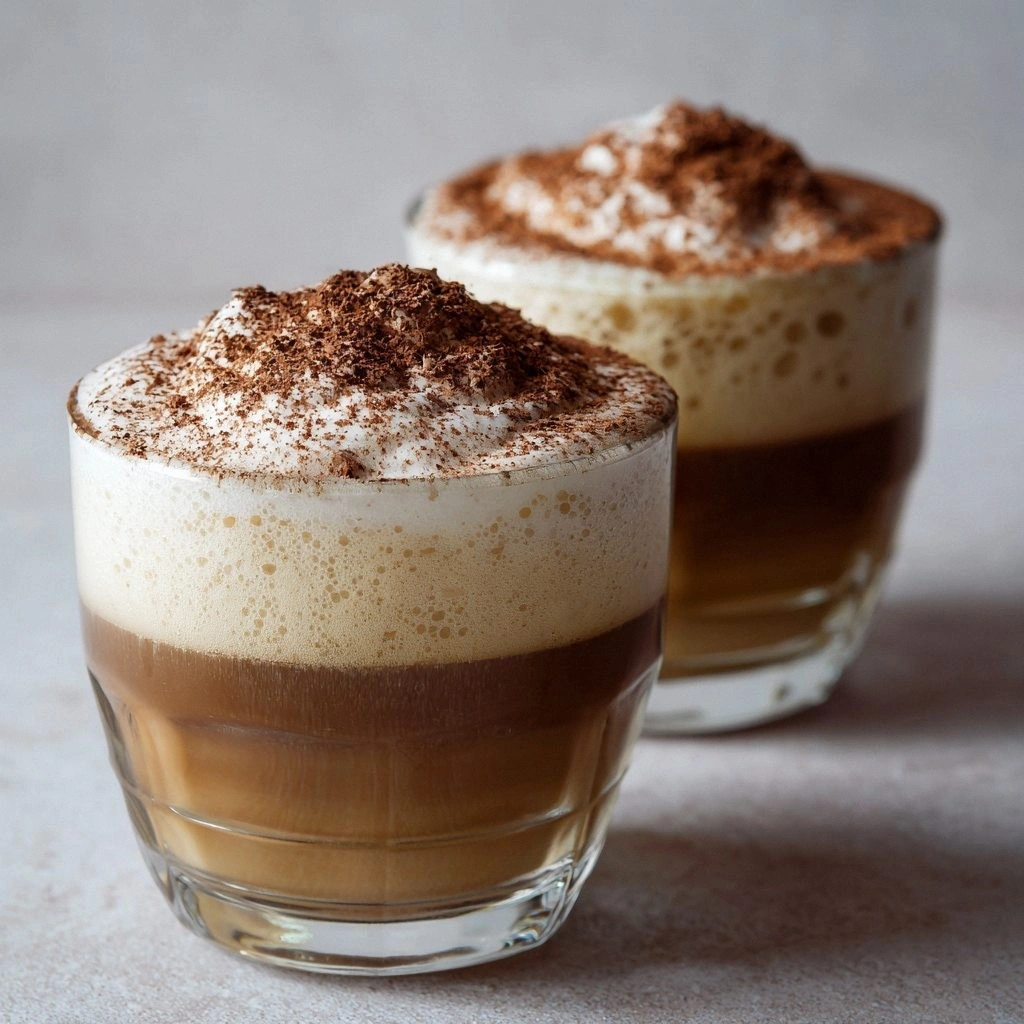
Picture the first sip: a rich espresso base, a velvety mascarpone cloud, and a subtle hint of vanilla that lingers like a sweet perfume. The aroma alone is enough to make a room feel like a cozy Italian café. As the steam rises, the sweet, buttery notes mingle with the bold espresso, creating a sensory experience that feels like a warm hug on a cold morning. The texture is a perfect balance—smooth, silky, and slightly airy, almost like a cloud you can drink. The only thing that could make this better is if you could taste the faint dusting of cocoa on the rim of the cup, like a secret garnish that whispers “you’re welcome.” That’s what makes this recipe stand out from the countless latte variations you’ll find online.
Most people think of tiramisu as a layered dessert, but this version is a liquid symphony that captures the essence of the classic while delivering it in a single, elegant cup. The secret? A carefully calibrated ratio of espresso to milk, a splash of coffee liqueur for depth, and a generous swirl of mascarpone that creates a cloud of flavor that dissolves into the latte. The ladyfingers are not just a garnish; they’re steeped in espresso to release their flavor and then folded into the mix for a subtle, chewy texture that complements the creaminess. The dusting of cocoa powder is more than a visual treat—it adds a subtle bitterness that balances the sweetness and rounds out the profile. The result is a drink that feels like a dessert, but with the convenience and warmth of a latte. It’s hands down the best version you’ll ever make at home.
If you’ve ever struggled with making a latte that feels indulgent without being cloying, you’re not alone. Many people try to add too much milk or too much mascarpone, ending up with a soupy mess. I’ve tried my share of failed experiments, from over‑sweetened drinks that taste like a sugar bowl to lattes that are too bitter to finish. The moment I discovered this recipe, I realized that the key is precision—exact measurements, the right temperature, and a little bit of patience. That’s why I’m going to walk you through every single step, from grinding the beans to the final dusting of cocoa, so you can create a latte that’s as close to a professional café experience as you can get at home. By the end, you’ll wonder how you ever made it any other way.
What Makes This Version Stand Out
- Taste: The combination of strong espresso and silky mascarpone creates a layered flavor that is both bold and creamy. The subtle vanilla note elevates the espresso, while the coffee liqueur adds depth.
- Texture: The mascarpone is folded into the milk, forming a light, cloud‑like consistency that melts on the tongue. The ladyfingers add a gentle chew that contrasts beautifully.
- Simplicity: With only ten ingredients, this recipe is straightforward yet delivers a complex flavor profile. No fancy equipment is needed beyond a basic espresso machine.
- Uniqueness: By infusing the ladyfingers with espresso and using mascarpone instead of heavy cream, the drink captures the essence of tiramisu in a latte form.
- Crowd Reaction: Friends and family are often surprised by the richness of this latte. It’s a conversation starter at any gathering.
- Ingredient Quality: Using fresh, high‑quality espresso beans and real mascarpone ensures that every sip is lush and flavorful.
- Cooking Method: The technique of tempering the mascarpone with milk and espresso prevents curdling, giving you a silky finish.
- Make‑Ahead Potential: The latte can be prepared in advance and reheated without losing its texture, making it ideal for brunches or parties.
Alright, let’s break down exactly what goes into this masterpiece…
Inside the Ingredient List
The Espresso Base
The espresso is the backbone of this latte. It provides a robust, bitter foundation that balances the sweetness of the mascarpone and sugar. If you skip the espresso, the drink loses its signature depth and becomes a sweetened milkshake. For the best flavor, use freshly ground beans and a high‑quality espresso machine. The coffee grounds should be finely ground to extract maximum flavor without over‑extraction, which can make the espresso taste harsh.
The Creamy Core
Mascarpone is a high‑fat cheese that gives the latte its luxurious texture. It’s thicker than cream, so it needs to be tempered with milk to avoid curdling. If you substitute mascarpone with heavy cream, the drink will be thinner and less rich. The mascarpone also contributes a subtle tang that complements the espresso’s bitterness. When mixing, whisk the mascarpone gently to keep it smooth.
The Sweetener
Powdered sugar dissolves more quickly than granulated sugar, ensuring that the sweetness is evenly distributed. Skipping the sugar will result in a too‑bitter drink that might not satisfy those who love a classic tiramisu flavor. If you prefer a lower‑sugar option, you can replace the sugar with a natural sweetener like stevia or monk fruit, but the taste profile will shift slightly.
The Ladyfingers
Ladyfingers are not just a garnish; they’re an integral part of the flavor profile. When soaked in espresso, they absorb the coffee’s richness, then release it slowly as you sip. If you skip the ladyfingers, you lose that chewy texture that provides contrast to the creamy latte. For a vegan version, use almond‑based ladyfingers, but keep in mind that the flavor will differ slightly.
The Final Flourish
Cocoa powder adds a subtle bitterness that balances the sweetness and enhances the espresso’s depth. Dusting the rim of the cup with cocoa not only looks elegant but also provides a finishing touch that completes the tiramisu experience. If you’re allergic to cocoa, a pinch of cinnamon can serve as an alternative garnish, adding warmth and a hint of spice.
Everything’s prepped? Good. Let’s get into the real action…
The Method — Step by Step
- Start by grinding your espresso beans to a fine consistency. The grind should be slightly finer than table salt, ensuring maximum extraction without over‑brewing. Place the grounds into your espresso machine’s portafilter, tamping firmly to create an even surface. This step is critical because a poorly tamped espresso can lead to weak flavor and uneven extraction.
- Pull a double shot of espresso using 30 ml of water. The espresso should be rich, with a dark crema that clings to the surface. Let the shot cool to room temperature while you prepare the rest of the ingredients. This cooling period prevents the mascarpone from curdling when it’s added to the hot milk.
- While the espresso cools, heat 1 cup of whole milk in a small saucepan over medium heat until it reaches 65°C (149°F). Use a thermometer to avoid overheating, which can scorch the milk and give it a burnt taste. The goal is a gentle, even heat that preserves the milk’s natural sweetness.
- In a separate bowl, combine 0.5 cup of mascarpone, 0.25 cup powdered sugar, and 1 tsp vanilla extract. Whisk until the mixture is smooth and slightly thick. If the mascarpone is too stiff, add a splash of the cooled espresso to soften it. This step creates the creamy core that will coat the latte like velvet.
- Add the tempered mascarpone mixture to the heated milk, whisking continuously. The mixture should start to thicken, forming a silky, cloud‑like consistency. Keep the heat low to prevent the mixture from boiling, which could cause curdling. This step is the moment of truth—if you’re not careful, the texture will ruin the entire drink.
- Fold in 0.25 cup of coffee liqueur, if using, to deepen the espresso flavor. The liqueur should be added slowly, as it can intensify the bitterness if over‑added. Stir until fully incorporated, ensuring an even distribution of flavor. This step is optional but recommended for those who love an extra kick.
- Meanwhile, soak 12 ladyfingers in the remaining 30 ml of espresso for 10 seconds. Don’t soak them for too long, or they will become mushy. After soaking, gently press them into the latte mixture, allowing them to release their flavor into the drink. The ladyfingers should add a subtle chewiness that contrasts with the creaminess.
- Pour the latte into a pre‑heated mug, leaving a little space at the top for the final touch. Dust the rim with cocoa powder and stir lightly to coat. The cocoa should add a subtle bitterness that balances the sweetness, finishing the latte with an elegant touch. Serve immediately and enjoy the warm, comforting hug it delivers.
That’s it— you did it. But hold on, I’ve got a few more tricks that’ll take this to another level. These insider tips will help you perfect the latte, avoid common pitfalls, and make every sip a masterpiece.
Insider Tricks for Flawless Results
The Temperature Rule Nobody Follows
Many people think any warm milk will do, but the precise temperature of 65°C (149°F) is essential. At this temperature, milk proteins are denatured just enough to create a silky texture without scorching. If you’re using a milk frother, heat the milk separately to avoid overheating. This trick ensures that the latte has that smooth, cloud‑like mouthfeel that makes it feel like a dessert.
Why Your Nose Knows Best
Before you add the mascarpone, smell the mixture. A faint, sweet aroma indicates that the sugar has dissolved properly. If the mixture smells overly sweet or burnt, it’s a sign that the milk was over‑heated. Trusting your nose can save you from a ruined latte, and it’s a skill that even seasoned baristas rely on.
The 5‑Minute Rest That Changes Everything
After folding in the ladyfingers, let the latte sit for five minutes before pouring. This rest period allows the flavors to meld and the ladyfingers to release their espresso fully. If you rush this step, the ladyfingers may still be too dry, and the drink will taste uneven. A five‑minute pause is the secret to a harmonious, balanced latte.
The Coffee Liqueur Boost
Adding coffee liqueur is optional, but it adds a subtle depth that elevates the espresso. Use a small amount—just 0.25 cup—to avoid overpowering the latte. If you’re avoiding alcohol, replace it with an extra splash of espresso or a dash of espresso concentrate for a similar intensity.
The Cocoa Dusting Trick
Dust the rim of the cup with cocoa powder just before serving. This not only adds a finishing touch but also prevents the cocoa from settling into the drink, keeping the latte’s surface clean and inviting. A light dusting is enough; you don’t want to overpower the espresso’s flavor.
Creative Twists and Variations
This recipe is a playground. Here are some of my favorite ways to switch things up:
Almond Latte Tiramisu
Swap whole milk for almond milk and use almond‑based ladyfingers. The nutty undertone pairs beautifully with the espresso, giving the latte a distinct, airy flavor that’s perfect for dairy‑free diners.
Chocolate‑Infused Tiramisu Latte
Add 2 tbsp of dark chocolate chips to the milk before heating. Let them melt into the milk, creating a chocolate‑espresso fusion that’s irresistible. The chocolate will deepen the cocoa dusting, creating a richer, more decadent drink.
Vanilla Bean Tiramisu Latte
Instead of vanilla extract, use a split vanilla bean. The fresh seeds add a burst of natural vanilla flavor and a subtle aroma that elevates the latte. The bean’s texture also provides a unique visual appeal.
Spiced Tiramisu Latte
Add a pinch of ground cardamom or cinnamon to the milk. The warm spices complement the espresso’s bitterness and give the latte a cozy, autumnal vibe. This variation is perfect for late‑afternoon sipping.
Iced Tiramisu Latte
Prepare the latte as usual, then let it cool. Serve over ice with a splash of cold milk. The result is a refreshing, chilled tiramisu that’s great for hot summer days.
Tiramisu Latte with Coconut Cream
Replace mascarpone with coconut cream for a tropical twist. The coconut adds a subtle sweetness that pairs well with the espresso, creating a beach‑inspired latte that’s both exotic and comforting.
Storing and Bringing It Back to Life
Fridge Storage
Store the latte in an airtight container in the fridge for up to 24 hours. Keep it covered to prevent the milk from absorbing fridge odors. When ready to serve, reheat gently on the stove or in the microwave, stirring frequently to maintain the creamy texture.
Freezer Friendly
The latte can be frozen for up to 3 months. Use a freezer‑safe container and leave a little headspace for expansion. Thaw overnight in the fridge, then reheat on low heat while whisking to restore the silky consistency.
Best Reheating Method
Add a tiny splash of water before reheating. The water helps the milk rehydrate, preventing the latte from becoming too thick or curdled. Gently heat on low, stirring constantly until the latte is warm and smooth.