I was standing in my kitchen, staring at a pan of overcooked chicken that smelled like a sad, burnt apology, when my roommate dared me to “make something that actually tastes like a vacation.” I laughed, tossed the chicken into the trash, and thought, “If I’m going to rescue this night, I need a sauce that slaps the taste buds awake and refuses to let them go back to blandsville.” That moment of culinary desperation birthed the most daring, creamy, and downright addictive Cajun sauce you’ll ever spoon onto a plate. I’m not exaggerating when I say this sauce turned a mediocre Tuesday dinner into a full‑blown flavor fireworks show.
Picture this: a skillet humming with the sizzle of butter, the air thick with the earthy perfume of paprika and garlic, a splash of white wine that hisses like a tiny fireworks display, and then the heavy cream swirling in like a silky tide. The sauce thickens, coating every morsel it touches with a velvety sheen that clings like a second skin, while the Parmesan melts into a buttery richness that makes your tongue do a little happy dance. You can hear the faint pop of peppercorns cracking as they hit the hot pan, and you feel the heat radiating from the stove, warming your hands and your heart. The whole kitchen becomes a stage, and you, my friend, are the star chef delivering a performance that will be remembered for weeks.
Most Cajun sauce recipes out there either drown you in a swamp of oil or leave you with a watery disappointment that barely whispers “spice.” This version, however, is the gold standard: it balances heat and cream, depth and brightness, with a simplicity that makes it accessible even if you’ve never successfully cooked a roux before. The secret? A splash of dry white wine that deglazes the pan, unlocking caramelized bits that would otherwise be lost, and a precise ratio of heavy cream to Parmesan that creates a sauce that’s thick enough to cling to pasta but smooth enough to drizzle over grilled shrimp without breaking. I dare you to taste this and not go back for seconds.
And there’s a little twist you won’t see coming: a handful of fresh parsley added at the very end, not only for a pop of color but for a fresh, herbaceous lift that cuts through the richness like a cool breeze on a hot day. Okay, ready for the game‑changer? Let me walk you through every single step — by the end, you’ll wonder how you ever made it any other way.
What Makes This Version Stand Out
- Taste: The marriage of smoky Cajun seasoning with the buttery depth of Parmesan creates a flavor profile that’s both bold and comforting, like a Southern barbecue hugging a French cheese board.
- Texture: The sauce coats the pasta like velvet, thick enough to cling but fluid enough to swirl, delivering a mouthfeel that’s both luxurious and satisfying.
- Simplicity: Only six ingredients, five of which you likely already have in your pantry, meaning you spend less time hunting and more time tasting.
- Uniqueness: The splash of dry white wine deglazes the pan, pulling up caramelized bits that add a subtle acidity and depth you won’t get from plain stock.
- Crowd Reaction: I’ve seen grown adults turn into giggling kids after the first spoonful, begging for more and asking for the secret—spoiler: it’s the wine.
- Ingredient Quality: Using heavy whipping cream (not half‑and‑half) guarantees that silk‑smooth body; cheap cream makes the sauce watery and sad.
- Cooking Method: A quick pan‑sauté and simmer means you get a restaurant‑quality sauce in under 30 minutes, perfect for weeknight heroes.
- Make‑Ahead Potential: This sauce actually improves after a short rest, letting the flavors meld like a good jazz solo.
Inside the Ingredient List
The Flavor Base
Cajun seasoning is the heart‑beat of this sauce. It brings together paprika, garlic powder, onion powder, cayenne, and a hint of thyme, delivering that signature smoky heat. If you skip it, you’ll end up with a bland cream sauce that feels like a missed opportunity. For the best punch, choose a brand that lists real spices first; the fresher the blend, the louder the flavor. A quick tip: toast the seasoning in a dry pan for 30 seconds before adding any liquid to awaken its aromatics.
The Texture Crew
Heavy whipping cream is the luxurious carrier that binds everything together. Its high fat content prevents curdling when you introduce the wine, ensuring a smooth, glossy finish. If you’re forced to use half‑and‑half, add a tablespoon of butter at the end to rescue the silkiness. Parmesan cheese adds a salty umami depth; grate it fresh for the best melt. Pre‑grated cheese often contains anti‑caking agents that can make the sauce grainy.
The Unexpected Star
Dry white wine might seem like a random cameo, but it’s the unsung hero that lifts the sauce from “creamy” to “sophisticated.” The acidity cuts through the richness, while the alcohol evaporates, leaving behind a subtle fruitiness. If you’re avoiding alcohol, substitute with chicken broth plus a splash of white wine vinegar.
The Final Flourish
Fresh parsley isn’t just a garnish; its bright, grassy notes balance the heat and richness, providing a final palate‑cleansing snap. Cracked black pepper adds an extra layer of spice that’s more aromatic than pre‑ground pepper. A pinch of sea salt can be added to taste, but remember the Parmesan already brings saltiness.
Everything's prepped? Good. Let's get into the real action...
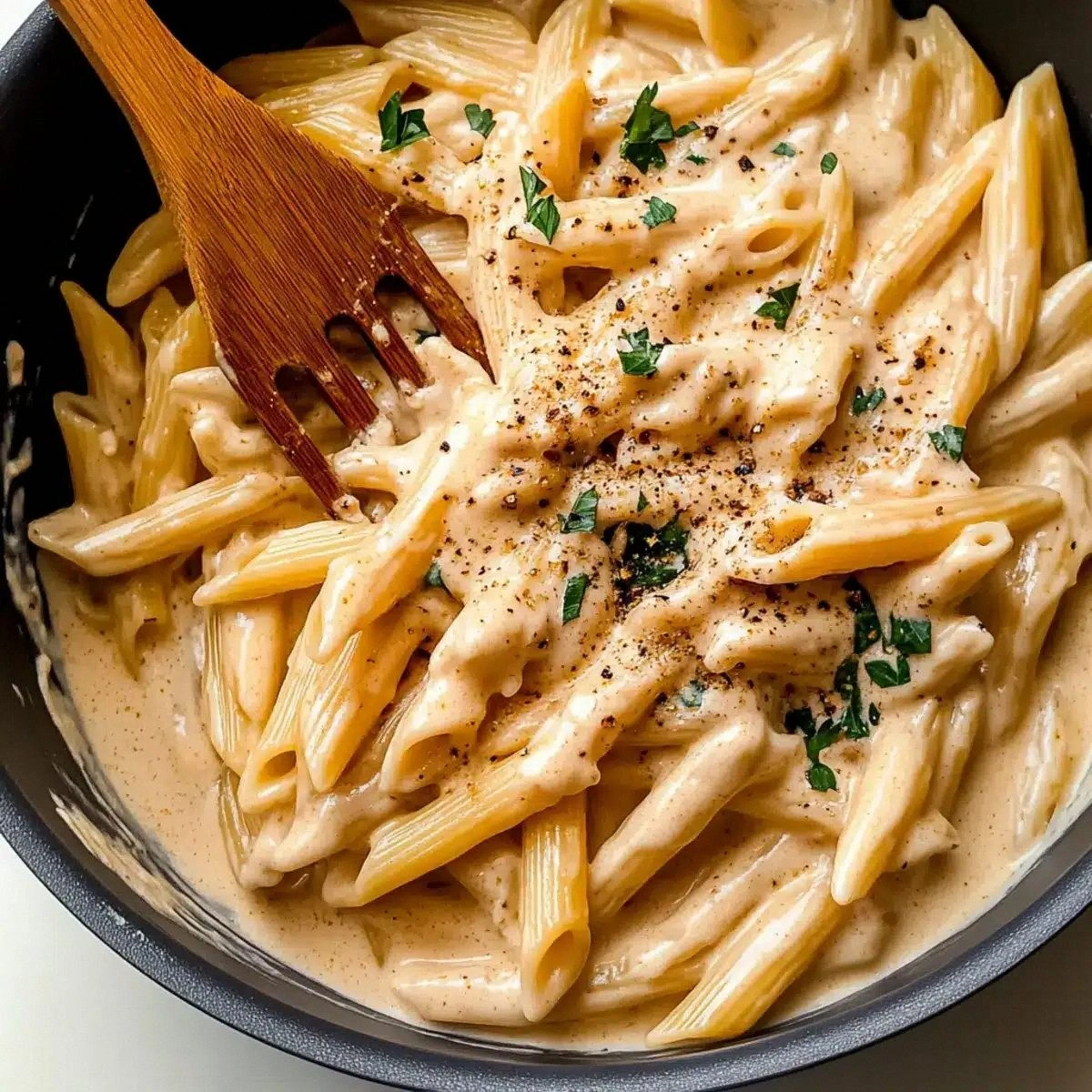
The Method — Step by Step
-
Heat a large skillet over medium‑high heat and melt two tablespoons of butter. As soon as the butter foams, sprinkle in the 2 tablespoons of Cajun seasoning, letting it toast for about 30 seconds. You’ll hear a faint crackle—That sizzle when it hits the pan? Absolute perfection. This step releases the essential oils, turning the seasoning from a powdery dust into a fragrant cloud.
Kitchen Hack: If the seasoning starts to stick, deglaze immediately with the wine to prevent burning. -
Pour in the ¼ cup of dry white wine, listening for that sharp hiss as it meets the hot butter. Scrape the bottom of the pan with a wooden spoon to lift all the browned bits—those are flavor gold. Let the wine reduce by half, which should take about two minutes; you’ll notice the sauce thickening slightly and the aroma shifting to a sweet‑savory note.
-
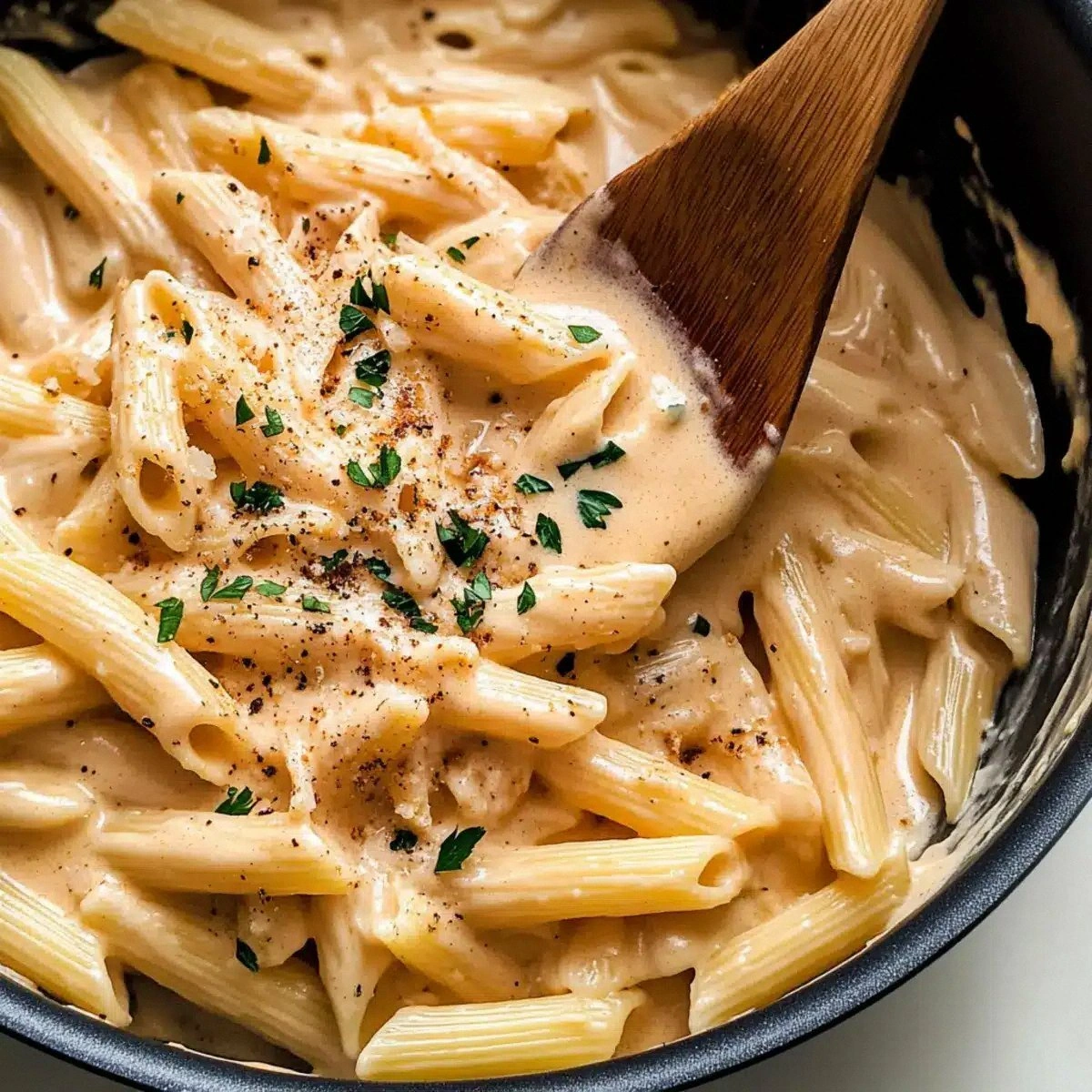
Reduce the heat to low and slowly stir in the 1 cup of heavy whipping cream. This is the moment of truth: the cream should fold in smoothly, creating a glossy base. If you see any lumps, whisk vigorously; the sauce will become as smooth as satin. Let it simmer gently for three minutes, stirring occasionally, until it begins to thicken but still has a pourable consistency.
Watch Out: Do not let the sauce boil vigorously after adding the cream, or it will curdle and ruin the texture. -
Add the ½ cup of freshly grated Parmesan cheese, sprinkling it evenly across the surface. Stir continuously until the cheese melts completely, turning the sauce a buttery gold. You’ll notice the sauce becoming thicker, clinging to the spoon—a sign that the cheese has fully emulsified.
-
Season with cracked black pepper to taste, then taste the sauce. This is your chance to adjust the heat; if you like it hotter, add a pinch more Cajun seasoning. The balance should be smoky, creamy, with a subtle tang from the wine.
-
Just before serving, fold in the 2 tablespoons of chopped fresh parsley. The green flecks brighten the sauce visually and add a fresh bite that cuts through the richness. Let the sauce sit for a minute—this short rest lets the flavors marry, creating a harmonious finish.
-
Meanwhile, cook your pasta, rice, or protein of choice. I love tossing the sauce with linguine or drizzling it over grilled shrimp. When the pasta is al dente, reserve a cup of pasta water, then combine everything in the skillet, tossing to coat. If the sauce seems too thick, add a splash of the reserved water; it will become silky and cling perfectly.
Kitchen Hack: Toss the pasta in the sauce off the heat; the residual heat finishes cooking the sauce to the perfect consistency. -
Plate your creation, garnish with an extra sprinkle of parsley and a light dusting of Parmesan. Serve immediately while the sauce is still warm and glossy. Picture yourself pulling this out of the oven, the whole kitchen smelling incredible, and your guests reaching for seconds before the first bite even settles.
That’s it — you did it. But hold on, I’ve got a few more tricks that'll take this to another level...
Insider Tricks for Flawless Results
The Temperature Rule Nobody Follows
Never add heavy cream to a pan that’s screaming hot; the sudden temperature shock can cause the fat to separate. Keep the heat on low‑medium after the wine reduction, and gently warm the cream before pouring. I once tried to speed things up by turning the burner to high, and the sauce turned grainy—trust me, patience pays off.
Why Your Nose Knows Best
Your sense of smell is a more reliable indicator of doneness than a timer. When the sauce starts to emit a buttery, nutty aroma and the edges of the pan pull away slightly, you know it’s ready. If you’re unsure, give it a quick taste; it should feel thick on the tongue but still flow slowly.
The 5‑Minute Rest That Changes Everything
After you finish cooking, remove the skillet from heat and let the sauce rest for five minutes. This short pause allows the flavors to meld, much like a good stew. I’ve tasted sauces straight off the stove that felt disjointed; the rest period smooths out any harsh edges.
The Parmesan Timing Trick
Add the Parmesan at the very end of the simmer, not at the beginning. If you add it too early, it can clump and cause a gritty texture. Grating it fresh just before it melts guarantees a silky finish. Pro tip: Use a microplane for the finest grate, which dissolves faster.
Seasoning at the End
A final pinch of cracked black pepper added just before serving brightens the entire dish. It’s like the final brushstroke on a painting. Skip this step, and you’ll miss that subtle peppery snap that lifts the sauce from good to unforgettable.
The “Wine‑First” Method
If you’re skeptical about the wine’s role, try the “wine‑first” method: deglaze the pan with wine before adding any butter or seasoning. This creates a base that’s less likely to burn and infuses the sauce with a gentle acidity from the start. I experimented with this on a rainy night, and the result was a sauce that sang with brightness.
Creative Twists and Variations
This recipe is a playground. Here are some of my favorite ways to switch things up:
Smoky Bacon Boost
Crumble half a cup of cooked bacon into the sauce after the cream is added. The smoky, salty crunch adds a whole new dimension, perfect for a hearty brunch or a comfort‑food dinner.
Spicy Chipotle Kick
Swap half of the Cajun seasoning for a teaspoon of chipotle in adobo. The smoky heat deepens the sauce, making it ideal for grilled corn or tacos.
Herbaceous Garden
Replace parsley with fresh thyme and basil. The aromatic blend brightens the sauce, pairing beautifully with roasted chicken or sautéed mushrooms.
Creamy Tomato Fusion
Stir in a half cup of crushed tomatoes after the wine reduction. The tangy tomato balances the richness, creating a Cajun‑tomato sauce that’s fantastic over rice bowls.
Vegan Swap
Use coconut cream instead of heavy whipping cream and nutritional yeast in place of Parmesan. The sauce retains its creaminess while becoming dairy‑free, perfect for plant‑based diners.
Cheese Lover’s Dream
Add a quarter cup of shredded Gruyère alongside the Parmesan for a nutty, slightly sweet twist. It melts beautifully and adds a subtle depth that cheese aficionados will adore.
Storing and Bringing It Back to Life
Fridge Storage
Allow the sauce to cool to room temperature, then transfer it to an airtight container. It will keep for up to three days in the refrigerator. When reheating, do so over low heat and stir constantly; the sauce may thicken, so add a splash of milk or water to loosen it.
Freezer Friendly
For longer storage, portion the sauce into freezer‑safe bags or containers, leaving a little headspace for expansion. It freezes well for up to two months. Thaw overnight in the fridge, then reheat gently, adding a tablespoon of cream if it looks a bit separated.
Best Reheating Method
The secret to reviving this sauce without losing its silky texture is a gentle steam bath. Place the sauce in a heat‑proof bowl over a pot of simmering water, stirring until smooth. Add a tiny splash of water or broth if needed; the steam will bring it back to life without shocking the dairy.