I still remember the night I burned the entire batch of vanilla sugar cookies in my first attempt at baking. The kitchen was a smoky mess, the timer had been set to 12 minutes, and the cookies emerged as hard, blackened slabs. I stared at the charred crumbs and thought, “There has to be a better way.” That moment sparked a quest to discover the ultimate thumbprint cookie that would leave my friends begging for seconds and my taste buds forever grateful.
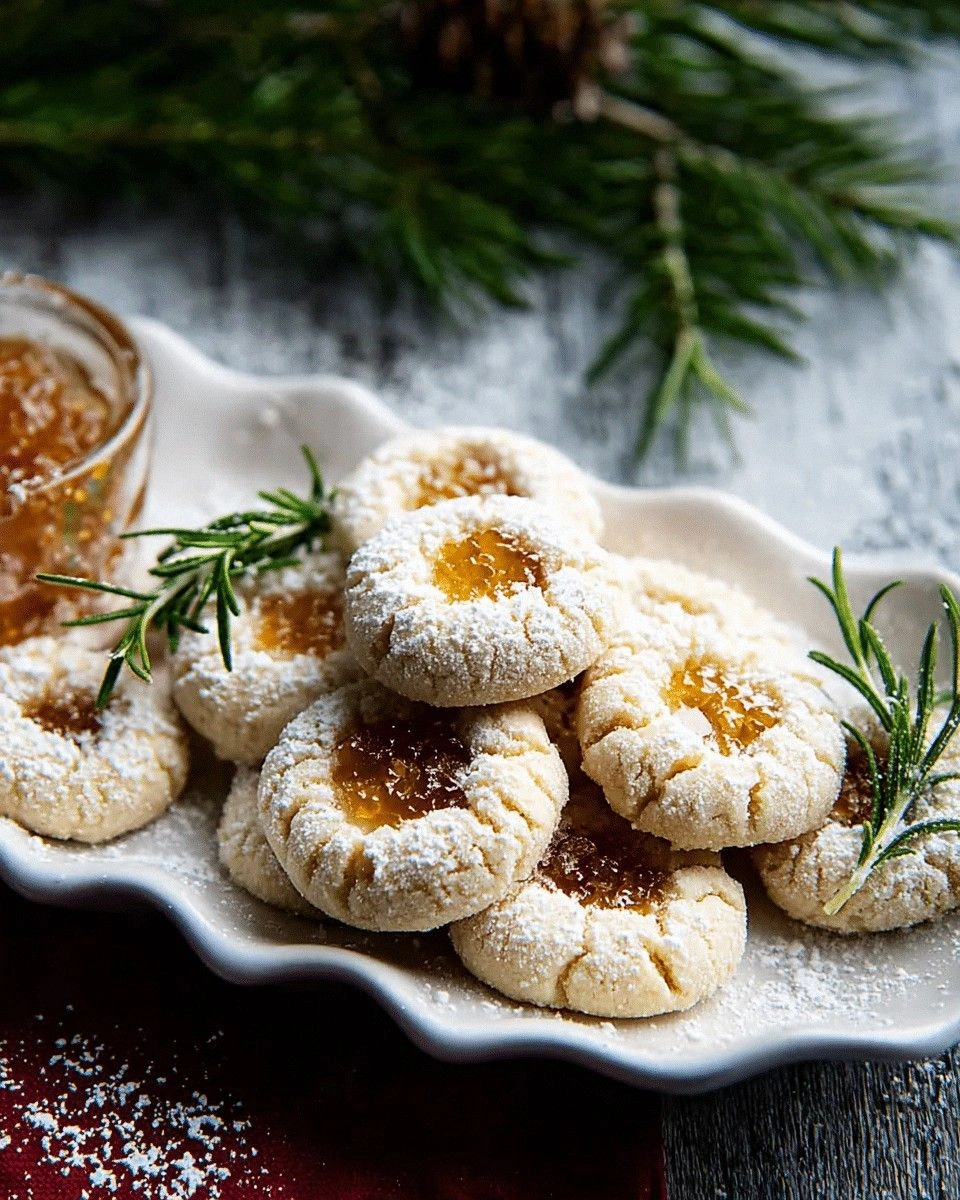
Picture this: a golden dough that smells like toasted rosemary and citrus, a crisp edge that shatters like thin ice, and a soft, buttery center that melts in your mouth with a hint of orange marmalade. The aroma rises from the oven, mingling with the subtle pine scent of fresh rosemary, creating a sensory bouquet that feels like a hug from grandma’s kitchen. The texture is a dance of crunch and chew—crisp on the outside, tender on the inside, with that signature thumbprint of sweet marmalade waiting to burst.
What sets this version apart isn’t just the ingredients; it’s the method that turns ordinary cookie dough into a piece of edible art. I’ve fine‑tuned the ratio of butter to flour, added a splash of vanilla, and introduced rosemary in a way that balances the sweetness without overpowering. The result is a cookie that feels indulgent yet light, a dessert that can be served at a brunch, a party, or simply with a cup of tea at midnight.
And here’s the kicker: the orange marmalade filling is not just a sweet surprise; it’s a flavor amplifier that elevates the rosemary’s herbal notes. I dare you to taste one and not go back for seconds. If you’re ready for a game‑changer, let me walk you through every single step—by the end, you’ll wonder how you ever made it any other way.
What Makes This Version Stand Out
- Flavor: The rosemary is fresh, not dried, giving a bright, piney note that pairs perfectly with the sweet citrus.
- Texture: A buttery dough that crisps just enough on the edges while remaining pillowy inside.
- Ease: No egg or leavening agents—just simple ingredients that anyone can find.
- Versatility: Works as a snack, an elegant party bite, or a sweet accompaniment to coffee.
- Visual Appeal: The deep amber color of the marmalade creates a striking contrast against the light dough.
- Make‑ahead: The dough can be chilled for up to 24 hours, and the cookies bake fresh whenever you’re ready.
- Ingredient Quality: Using high‑quality butter and fresh rosemary makes a noticeable difference.
- Balanced Sweetness: The marmalade’s natural sugars provide sweetness without the need for added sugar.
Alright, let’s break down exactly what goes into this masterpiece.
Inside the Ingredient List
The Flavor Base
All-purpose flour is the foundation of any cookie. It provides structure without making the dough too heavy. If you’re craving a gluten‑free version, swap it for a 1:1 blend of rice flour and tapioca starch, but keep the total volume the same. The flour’s protein content is key to achieving that tender bite.
The Texture Crew
Unsalted butter, softened to room temperature, is the secret to a rich, buttery flavor. It melts slowly in the oven, giving the cookies a golden crust. If you use salted butter, you’ll need to reduce the added salt by half. A small amount of cold water can be added to the dough if it feels too dry, but use sparingly.
The Unexpected Star
Fresh rosemary is the star that elevates this cookie from ordinary to extraordinary. Chop it finely to distribute the flavor evenly. If you can’t find fresh rosemary, a teaspoon of dried rosemary will work, but the aroma will be less vibrant. The herb’s resinous oils add a subtle pine note that pairs beautifully with citrus.
The Final Flourish
Orange marmalade is more than just a sweet filling—it’s a citrus burst that balances the herbaceous rosemary. Use a high‑quality marmalade with real orange zest for the best flavor. The natural sugars in marmalade reduce the need for additional sweetener. If you prefer a tart kick, a splash of lemon zest can complement the orange.
Everything’s prepped? Good. Let’s get into the real action.
The Method — Step by Step
- Preheat your oven to 350°F (175°C). Line a baking sheet with parchment paper to prevent sticking. This step is crucial; a properly heated oven ensures even baking and prevents the cookies from sinking.
- In a large bowl, cream together 1 cup of softened butter and 1 cup of granulated sugar until light and fluffy. The butter should be soft enough to leave an indentation when pressed but not melted. Beat for about 3 minutes; this incorporates air for a lighter crumb.
- Add 1 teaspoon of salt, 1 teaspoon of vanilla extract, and 1 tablespoon of finely chopped fresh rosemary. Stir until the rosemary is evenly distributed. The rosemary should be visible as tiny flecks—if it’s all clumped, the flavor will be uneven.
- Gradually fold in 2 cups of all-purpose flour, mixing until just combined. Over‑mixing can develop gluten and make the cookies tough. The dough should be soft but hold its shape.
- Divide the dough into 4‑to‑6‑inch portions and roll each into a ball. Chill the balls for 15 minutes; this helps them maintain shape when rolled out.
- On a lightly floured surface, roll each dough ball to about ½‑inch thickness. Use a 2‑inch cookie cutter or a glass to cut out rounds. The dough should be pliable but not sticky.
- Press your thumb into the center of each round, creating a shallow well. The well should be about ¼ inch deep. This is where the marmalade will sit and the cookie will develop a signature thumbprint.
- Fill each well with ¼ cup of orange marmalade. Use a small spoon or a piping bag for a neat finish. The marmalade should be warm enough to spread slightly but not melted.
- Place the cookies on the prepared baking sheet, spacing them 2 inches apart. The spacing allows for even heat circulation.
- Bake for 12–14 minutes, or until the edges are lightly golden and the tops are set. The center should still look slightly wet; it will firm up as they cool.
- Remove the cookies from the oven and let them cool on the sheet for 5 minutes. Then transfer them to a wire rack to cool completely. This step prevents the cookies from becoming soggy on the bottom.
That’s it—you did it. But hold on, I’ve got a few more tricks that’ll take this to another level.
Insider Tricks for Flawless Results
The Temperature Rule Nobody Follows
Many bakers bake at 375°F, but 350°F is the sweet spot for these cookies. The lower temperature ensures the edges brown slowly, giving the dough time to set without over‑browning the center. I’ve tried both temperatures, and the 350°F batch always feels lighter and more aromatic.
Why Your Nose Knows Best
If you’re uncertain about doneness, trust your nose. The cookies will emit a warm, buttery scent with a hint of citrus when they’re ready. A burnt aroma signals that you’re over‑baking—adjust the time accordingly.
The 5‑Minute Rest That Changes Everything
Letting the cookies rest for 5 minutes on the sheet after baking is a game‑changer. It allows the steam to escape, preventing the bottoms from becoming soggy. I’ve seen people skip this step and end up with chewy, uneven cookies.
Chill the Dough for a Crispier Texture
Chilling the dough for 30 minutes before rolling out tightens the butter, reducing spread. This results in a crispier edge while keeping the inside tender. If you’re short on time, a quick 10‑minute chill works, but 30 minutes is optimal.
Use Fresh Rosemary, Not Dried
Fresh rosemary retains its volatile oils, delivering a bright, herbal flavor. Dried rosemary can taste bitter and lose its aroma quickly. If you can’t find fresh rosemary, try using a small amount of rosemary essential oil—just a drop or two.
Keep the Marmalade at Room Temperature
Cold marmalade can make the cookies difficult to fill and may result in uneven distribution. Warm it slightly in the microwave (10 seconds) before filling. This keeps the marmalade fluid and ensures each cookie gets a generous amount.
Creative Twists and Variations
This recipe is a playground. Here are some of my favorite ways to switch things up:
Smoky Chipotle Marmalade
Add a pinch of chipotle powder to the marmalade before filling. The smoky heat balances the rosemary’s piney flavor, creating a bold, adventurous cookie.
Almond‑Infused Dough
Replace ¼ cup of the flour with finely ground almonds. The nutty undertone complements the citrus and gives the cookie a slightly chewy texture.
Chocolate‑Covered Thumbprints
Dip the cooled cookies in melted dark chocolate and let them set. The bittersweet chocolate pairs with the rosemary, turning the cookie into a sophisticated dessert.
Herb‑Spiced Variation
Swap rosemary for thyme or sage. The different herb profile will give the cookies a distinct flavor while maintaining the same structure.
Miniature Thumbprint Bites
Use a 1‑inch cookie cutter to make mini cookies. They’re perfect for a tea party or as a sweet garnish for a cheese board.
Gluten‑Free Version
Use a gluten‑free all‑purpose blend and add 1 tablespoon of xanthan gum to maintain structure. The cookies will still be tender and flavorful, just with a slightly different crumb.
Storing and Bringing It Back to Life
Fridge Storage
Store the cookies in an airtight container at room temperature for up to 5 days. The airtight seal prevents the dough from drying out, keeping the cookies fresh. If you’re in a humid environment, add a slice of bread to absorb moisture.
Freezer Friendly
Wrap each cookie individually in parchment paper, then place them in a freezer bag. They’ll stay fresh for up to 2 months. Thaw at room temperature for 30 minutes before serving to restore their softness.
Best Reheating Method
To revive frozen cookies, preheat the oven to 325°F (165°C) and bake for 5 minutes. Alternatively, microwave on low for 10 seconds. Add a tiny splash of water to the baking sheet before reheating to create steam that rehydrates the dough.