I was standing in my kitchen, staring at a half‑cooked steak that looked like it had been through a war zone, when my roommate shouted, “You ever try a Philly cheesesteak in a bowl?” I laughed, rolled my eyes, and thought, “Sure, why not?” The next hour turned into a culinary showdown that left the smoke alarm cheering, the pan singing, and my taste buds doing the cha‑cha. I dared you to taste this and not go back for seconds, and honestly, I ate half the batch before anyone else got a chance to try it. That’s how the ultimate Philly Cheesesteak Bowl was born – a love‑child of the classic hoagie and the modern bowl‑trend, with a twist that most recipes completely miss.
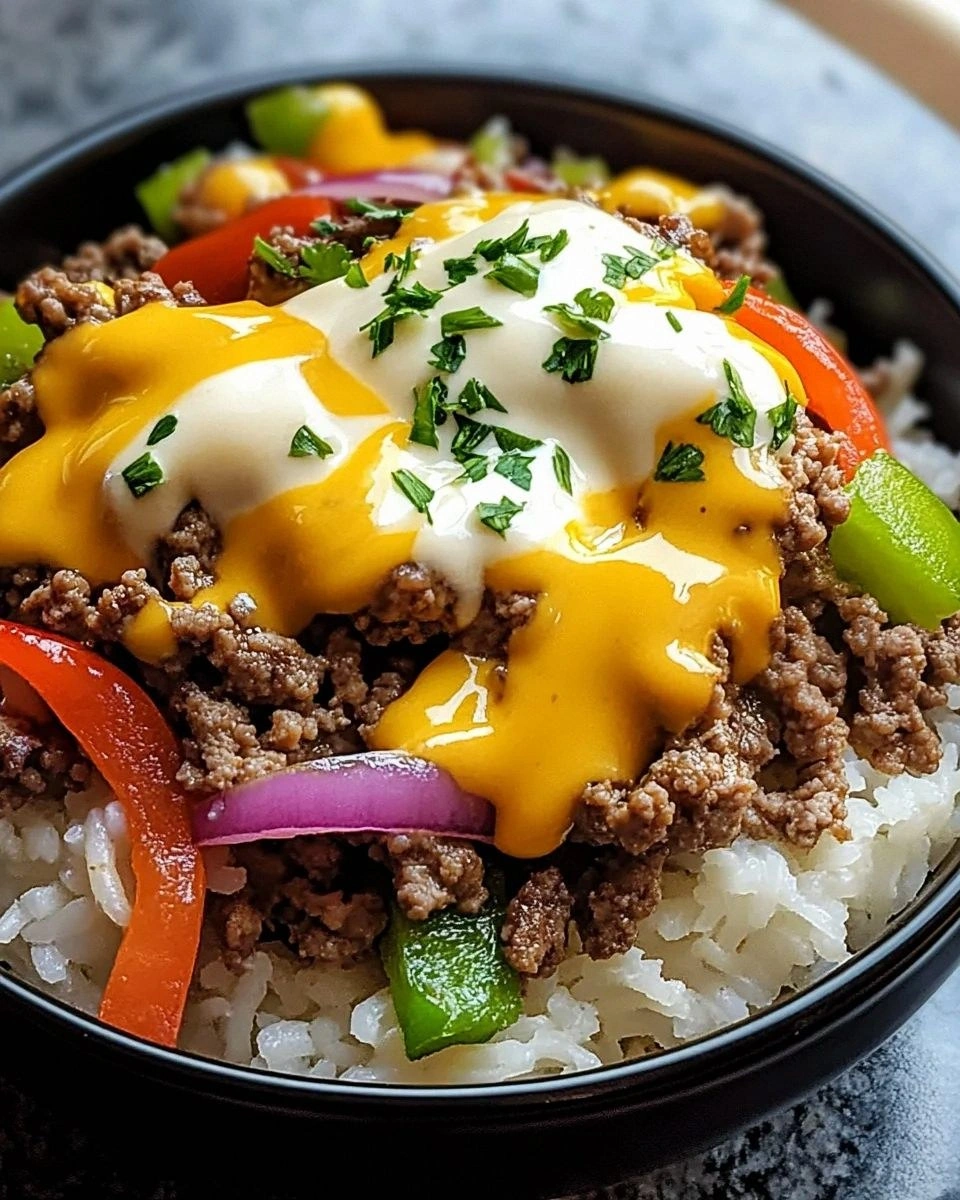
Picture this: the sizzle of thinly sliced ribeye hitting a scorching hot skillet, the caramelized onions turning a deep amber that could rival a sunrise, and the bell peppers cracking like fireworks. The aroma? A heady mix of smoky beef, sweet onions, and a whisper of Worcestershire that makes the whole kitchen feel like a Philadelphia deli on a Saturday night. You can practically hear the streetcars clanging outside as you inhale that buttery, garlicky perfume. Your hands are warm from the pan, the heat radiates through the counter, and the anticipation builds like a drum roll before the big reveal.
What makes this version stand out? It’s not just the ingredients – it’s the technique, the timing, and the fact that we’re swapping the soggy roll for a fluffy, low‑carb cauliflower rice base that keeps the dish light without sacrificing heartiness. Most recipes get the meat right but forget the crucial “cheese melt” moment, leaving you with a dry, sad bowl. Here, we finish with a generous blanket of provolone that melts into every crevice, creating a silky, stretchy texture that clings to each bite like a perfect hug. And let’s be real: the secret weapon is a splash of Worcestershire sauce added at the very end – a game‑changer that adds depth you didn’t even know you were missing.
I’ll be honest — I’m still dreaming about that first spoonful, the way the steak’s buttery richness married the pepper’s crisp snap, and the parsley’s fresh pop that brightened the whole thing. If you’ve ever struggled with a soggy, flavor‑less cheesesteak bowl, you’re not alone — and I’ve got the fix. In the next sections, I’ll walk you through every single step, from choosing the perfect cut of meat to the final garnish that makes this dish look Instagram‑ready. By the end, you’ll wonder how you ever made it any other way. Okay, ready for the game‑changer?
What Makes This Version Stand Out
- Flavor Explosion: The combination of Worcestershire, garlic, and caramelized onions creates layers that build on each bite, delivering a taste that feels both familiar and wildly new.
- Texture Harmony: Tender steak, crisp peppers, and a creamy cheese melt dance together, while the cauliflower rice offers a light, fluffy base that soaks up every sauce.
- Simplicity Meets Sophistication: You only need a single skillet and a few basic tools, yet the result feels like a restaurant‑level entrée.
- Ingredient Quality: Using ribeye (or a lean sirloin) ensures you get that buttery mouthfeel without the chewiness you get from cheaper cuts.
- Crowd Reaction: This bowl has become my go‑to party starter; people line up for seconds and claim it’s “the best cheesesteak they’ve ever had in a bowl.”
- Make‑Ahead Potential: The components can be pre‑cooked and stored, making weeknight dinners a breeze – just reheat and melt the cheese.
- Versatile Base: Whether you’re low‑carb, comfort‑food‑craving, or a traditionalist, you can swap cauliflower rice for mashed potatoes or white rice in a heartbeat.
- Season‑Proof: This dish works year‑round, delivering comfort in winter and freshness in summer.
Alright, let's break down exactly what goes into this masterpiece...
Inside the Ingredient List
The Flavor Base
The star of any great Philly cheesesteak is the meat, and here we give you the choice between ribeye and sirloin. Ribeye brings a buttery richness thanks to its marbling, while sirloin offers a leaner, beefy punch. If you skip the steak, you lose the essential umami backbone, and the bowl becomes just a veggie medley. For the best results, look for a cut with a deep red color and a fine grain – the fresher, the better. A quick tip: ask your butcher to slice it thinly for you, or do the “freezer‑firm” hack above.
The Texture Crew
Onions and bell peppers are the unsung heroes that bring crunch and sweetness. Yellow or sweet onions caramelize into a syrupy gold that balances the steak’s richness, while green and red bell peppers add a crisp snap and a pop of color. If you leave them out, you’ll miss the sweet‑savory contrast that makes each bite interesting. Feel free to swap in poblano or even sliced mushrooms for a different texture profile, but keep the balance in mind.
The Unexpected Star
Garlic and Worcestershire sauce are the secret weapons. A modest amount of minced garlic infuses the dish with aromatic depth, while Worcestershire adds a tangy, umami punch that feels like a whisper of the classic Philly sandwich. Skipping Worcestershire? You’ll notice a flat, one‑dimensional flavor. If you’re avoiding gluten, swap it for a splash of soy sauce or tamari – the salty, savory note remains intact.
The Final Flourish
Cheese, parsley, and the base (cauliflower rice, mashed potatoes, or white rice) bring the finish. Shredded provolone melts like velvet, coating every strand of steak and veggie. Mozzarella works too, giving a stretchier texture. Parsley adds a fresh, herbaceous lift that brightens the bowl after the richness settles. The base you choose determines the overall vibe: cauliflower rice keeps it light and low‑carb, mashed potatoes add comfort‑food decadence, and white rice offers a classic, filling foundation. Skipping the base altogether would leave you with a dry, unbalanced dish.
Everything's prepped? Good. Let's get into the real action...
The Method — Step by Step
Heat a large cast‑iron skillet over medium‑high heat until it’s screaming hot – you should hear a faint hiss when you flick a drop of water onto the surface. Add 1 tablespoon of olive oil, swirling it to coat the pan. This is the moment of truth: the oil should shimmer but not smoke. If it starts to smoke, lower the heat just a notch; you want a gentle sear, not a burnt mess.
While the pan heats, season your sliced steak generously with salt and black pepper. Toss the meat quickly so every piece gets an even coating. Once the oil is ready, spread the steak in a single layer – avoid crowding, or you’ll steam the meat instead of searing it. Let it sit untouched for about 45 seconds; you’ll see the edges start to brown, a sign that the Maillard reaction is doing its magic.
Kitchen Hack: Use a metal spatula to press the steak gently against the pan – this maximizes contact and creates that coveted crust.When the steak is browned on one side (about 2–3 minutes), flip it and add the sliced onions, green bell pepper, and red bell pepper. Sprinkle a pinch of salt over the veggies; this draws out moisture and accelerates caramelization. Stir everything together, letting the veggies soften while still retaining a slight crunch. You’ll hear a soft sizzle as the sugars in the onions begin to caramelize – that’s the sweet, savory perfume filling your kitchen.
Add the minced garlic and a splash (about 1 tablespoon) of Worcestershire sauce. The garlic should turn fragrant in about 30 seconds; if it starts to brown too quickly, reduce the heat to medium. The Worcestershire will deglaze the pan, lifting all those browned bits (fond) and turning them into a glossy, tangy sauce that clings to the meat and veggies. This step is pure magic – you’ll see the pan darken slightly, indicating the flavor is concentrating.
Now, it’s time to bring in the base. If you’re using cauliflower rice, add it now, stirring to combine. Let it cook for 3–4 minutes, allowing it to absorb the juices. If you opted for mashed potatoes or white rice, gently fold them in at this stage, being careful not to over‑mix and turn the potatoes mushy.
Reduce the heat to low and sprinkle the shredded provolone (or mozzarella) evenly over the top. Cover the skillet with a lid for about 2 minutes, letting the cheese melt into a silky blanket. You’ll see it turn a beautiful golden‑brown and start to bubble – that’s the cue to move to the next step.
Once the cheese is melted, turn off the heat and sprinkle freshly chopped parsley over the bowl. The parsley’s bright green color provides a visual contrast that makes the dish pop on the plate. Give everything a gentle toss so the cheese coats each bite, but be careful not to break up the steak too much – you want those nice, thin ribbons intact.
Serve the bowls hot, either directly from the skillet or portioned into individual bowls. This is the final reveal: the steam rising, the cheese stretching, the veggies glistening. I dare you to taste this and not go back for seconds. And now the fun part – drizzle an extra splash of Worcestershire or a drizzle of hot sauce if you like a kick, and dig in!
Watch Out: If you add the cheese too early, it can burn and become rubbery. Always melt it at the end over low heat.
That's it — you did it. But hold on, I've got a few more tricks that'll take this to another level...
Insider Tricks for Flawless Results
The Temperature Rule Nobody Follows
Most home cooks keep the heat on “medium” the entire time, which leads to uneven searing. The secret is a two‑stage heat: start super hot for a quick crust, then drop to medium‑low for the veggies and cheese. This prevents the steak from overcooking while still giving you that caramelized edge. I once tried to rush it on medium, and the steak turned rubbery – lesson learned.
Why Your Nose Knows Best
Don’t rely solely on a timer; trust the aromas. When the onions turn sweet and start to smell like caramel, you’re ready to add the peppers. When the garlic hits that “just‑fried” scent, it’s time to add Worcestershire. Your nose is a built‑in flavor detector that no kitchen gadget can replace.
The 5‑Minute Rest That Changes Everything
After you melt the cheese and before you serve, let the bowl sit uncovered for five minutes. This brief rest allows the juices to redistribute, preventing a soggy base and ensuring each bite is juicy. A friend once skipped this rest and complained the bowl was “wet” – a simple oversight that makes a world of difference.
Slice Like a Pro
If you’re using ribeye, slice against the grain. This shortens the muscle fibers, making each bite tender. Cutting with the grain results in chewy, stringy pieces that ruin the texture.
Cheese Distribution Hack
Instead of dumping all the cheese at once, sprinkle half before covering the skillet, then add the remaining half right after you lift the lid. This creates a layered melt that’s both creamy and slightly crispy on top.
Creative Twists and Variations
This recipe is a playground. Here are some of my favorite ways to switch things up:
Spicy Sriracha Swirl
Add a tablespoon of sriracha to the Worcestershire sauce before you pour it in. The heat pairs beautifully with the sweet onions and gives the bowl a bold, Asian‑inspired kick. Perfect for those who love a little fire.
Mediterranean Magic
Swap the bell peppers for roasted red peppers and add a handful of Kalamata olives. Finish with feta cheese instead of provolone and a drizzle of lemon‑olive oil. This version feels lighter, with briny notes that complement the beef.
Tex‑Mex Taco Bowl
Replace the provolone with shredded cheddar, add black beans, corn, and a dollop of guacamole. Top with a squeeze of lime and a sprinkle of cilantro. The result is a cross‑cultural mash‑up that’s both hearty and fresh.
Breakfast Remix
Use a base of scrambled eggs instead of rice, and add a dash of hot sauce. The cheese melts into the eggs, creating a breakfast‑styled cheesesteak that’s perfect for brunch.
Vegan Victory
Swap the steak for sliced tempeh or seitan, use olive oil and soy sauce in place of Worcestershire, and replace the cheese with a vegan mozzarella. The cauliflower rice base stays the same, delivering a plant‑based version that still satisfies.
Loaded Potato Bowl
Use mashed potatoes as the base, add crispy bacon bits, and finish with a drizzle of sour cream. This turns the dish into a comfort‑food extravaganza that feels like a warm hug on a cold night.
Storing and Bringing It Back to Life
Fridge Storage
Allow the bowls to cool to room temperature (no longer than 2 hours), then transfer them to airtight containers. They’ll keep fresh for up to 3 days. When reheating, add a splash of water or broth to prevent drying out, then microwave for 2 minutes, stirring halfway.
Freezer Friendly
Separate the steak‑veggie mixture from the base and cheese. Store the meat and veggies in a freezer‑safe bag for up to 2 months, and the base (cauliflower rice, mashed potatoes, or rice) in a separate container. To reheat, thaw overnight in the fridge, then reheat the meat‑veggie mix in a skillet, add the base, and melt the cheese on top.
Best Reheating Method
For the crispiest results, reheat the steak‑veggie mixture in a hot skillet with a drizzle of olive oil, stirring until the edges start to caramelize again. Then add the base, cover, and let the cheese melt over low heat. A tiny splash of water before covering creates steam that revives the fluffy texture without making it soggy.