Last week, I found myself staring at a pan of over‑seasoned fish that had turned into a soggy, flavorless disaster. The kitchen smelled like a failed attempt at a gourmet dinner, and my taste buds were already in a state of despair. I swore to myself that the next time I cooked flounder, I would do it with a precision that would make my friends swoon. And so I set out to discover the ultimate meunière, a version so flawless that I dare you to taste this and not go back for seconds. This is hands down the best version you'll ever make at home, and it’s about to change your fish‑cooking game forever.
Imagine the sizzle as the fillets hit a hot skillet, the aroma of butter and thyme rising like a fragrant cloud. The sound of the oil shimmering is a cue that the pan is ready, and you can almost taste the buttery coating that will envelop each bite. The texture of the crust will crackle with a satisfying snap, a contrast to the tender, flaky interior that will melt in your mouth. Every breath you take is filled with the promise of a golden finish that feels almost cinematic. This sensory snapshot sets the stage for a dish that is as visual as it is delicious.
Unlike the countless meunière variations that leave you with a dry or soggy result, this recipe balances moisture and crispness by using a precise flour-to-fish ratio and a butter‑oil blend that locks in juiciness. The use of fresh thyme and parsley not only adds depth but also provides a subtle herbal brightness that cuts through the richness. The technique of letting the fillets rest after frying prevents the butter from soaking in, keeping the exterior crisp. The result is a dish that feels like a gourmet plating but is achieved with a few simple steps in your own kitchen. This version is the culmination of years of tweaking and tasting, and it’s ready for anyone who wants to wow their guests.
One of the secret weapons in this recipe is a small, often overlooked step: a quick flash of lemon zest at the very end, which brightens the buttery sauce like a splash of sunshine on a cloudy day. This tiny addition elevates the flavor profile, making it feel fresh and alive. You'll also notice that the flounder fillets are patted dry before coating, a technique that ensures a golden crust without excess flour. Together, these subtle touches create a dish that feels elevated yet approachable. Trust me, the difference is palpable.
Okay, ready for the game‑changer? Let me walk you through every single step — by the end, you'll wonder how you ever made it any other way. The journey begins with selecting the perfect fillets and preparing the flour station, then moves into the sizzling pan where the magic happens. Each step is designed to maximize flavor while keeping the process straightforward. If you've ever struggled with flaky fish, you're not alone — and I've got the fix. And now, let's dive in.
What Makes This Version Stand Out
- Flavor: The combination of butter, olive oil, thyme, and a splash of lemon zest creates a sauce that coats the fish like velvet, delivering a burst of savory richness with every bite. The fresh herbs lift the dish, preventing it from feeling heavy.
- Texture: By patting the fillets dry and coating them lightly in flour, the exterior crisps to a golden crunch while the interior remains tender and flaky, a contrast that satisfies the palate.
- Simplicity: Only eight ingredients are needed, and the method takes less than 45 minutes from prep to plate, making it ideal for busy weeknights or last‑minute dinner parties.
- Uniqueness: The small addition of lemon zest at the finish gives the sauce a bright, almost citrusy lift that sets this meunière apart from standard recipes.
- Crowd Reaction: Friends and family consistently ask for the recipe after tasting it, and many remark that it feels like a restaurant dish served in the comfort of home.
- Ingredient Quality: Using fresh thyme, parsley, and high‑grade butter elevates the flavor profile, ensuring each bite is rich without being overpowering.
- Make‑Ahead Potential: The fillets can be seasoned and coated a few hours ahead, then fried just before serving, allowing you to focus on other elements of the meal.
Alright, let's break down exactly what goes into this masterpiece...
Inside the Ingredient List
The Flavor Base
Olive oil provides a mild, fruity foundation that complements the buttery sauce without overpowering it. The oil’s high smoke point keeps the pan from burning, allowing the fish to develop a golden exterior. If you prefer a more neutral taste, you can substitute a light vegetable oil, but the olive oil’s subtle flavor adds depth. Skipping the oil will result in a soggy crust and a less satisfying sizzle.
The Texture Crew
All‑purpose flour is the unsung hero that gives the fillets their signature crispness. The flour forms a light crust that protects the fish from direct heat, preventing it from drying out. A finer flour will produce a more delicate coating, while a coarser one yields a crunchier bite. If you’re gluten‑free, a 1:1 blend of rice flour and cornstarch can mimic the texture.
The Unexpected Star
Fresh thyme is the aromatic powerhouse that elevates the dish from simple to sophisticated. Its earthy, slightly minty notes cut through the richness of the butter, adding a layer of freshness that keeps the palate engaged. Thyme also brings a subtle herbal undertone that pairs beautifully with lemon zest. If you can’t find fresh thyme, a pinch of dried thyme works, but the flavor will be less vibrant.
The Final Flourish
Fresh parsley adds a bright, grassy finish that balances the buttery richness of the sauce. The parsley’s color also gives the dish an appealing visual contrast, making it Instagram‑ready. It’s best added just before serving to preserve its vibrant flavor. A handful of chopped parsley will suffice for four servings; adjust to taste if you prefer a stronger herb presence.
Everything's prepped? Good. Let's get into the real action...
The Method — Step by Step
- Prep the Fillets: Begin by patting the flounder fillets dry with paper towels; moisture is the enemy of a crisp crust. Season each side generously with salt and pepper, allowing the flavors to penetrate. This simple step ensures the fish remains tender and the coating adheres evenly. If you prefer a milder seasoning, reduce the pepper to a pinch. Remember, the seasoning is the foundation of the flavor profile.
- Set Up the Flour Station: Place the all‑purpose flour in a shallow dish, and keep a second shallow dish ready for any excess flour that might fall off. Lightly dredge each fillet in the flour, shaking off any excess. This light coat will create the signature crunch. Avoid over‑coating, or the fillets will become heavy and soggy. The flour should feel like a fine dusting, not a thick blanket.
- Heat the Pan: Add the olive oil to a large, heavy‑bottomed skillet and heat over medium‑high until shimmering. A small swirl of oil should ripple across the surface; this indicates the pan is at the right temperature. Too low, and the fillets will absorb oil; too high, and the crust will burn. Keep an eye on the oil; a sudden flash of smoke means it's too hot. This is the moment of truth where the pan’s temperature sets the stage.
- Fry the Fillets: Carefully lay the floured fillets in the hot oil, skin side down if present. The fillets should sizzle immediately, producing a satisfying crackle. Cook for about 3 minutes on the first side, then flip gently with a fish spatula. The fish should release from the pan easily when the crust is golden. Flip only once to preserve the crispness.
- Add Butter and Aromatics: Reduce the heat to medium and add the salted butter, thyme sprig, and a splash of lemon zest to the pan. Let the butter melt and foam, coating the fillets in a rich, golden sauce. The thyme infuses the butter with a subtle herbal aroma that elevates the dish. Stir the butter occasionally to ensure even distribution. This step creates the signature meunière sauce.
- Finish the Fry: Continue cooking the fillets for an additional 2–3 minutes, spooning the butter sauce over the top. The fillets should be opaque and flake easily with a fork. The sauce should be thick enough to cling to the fish, but not so heavy that it overpowers. This is where the flavors meld into a harmonious, buttery finish. Keep the heat steady to avoid burning the butter.
- Rest the Fillets: Transfer the fillets to a warm plate and let them rest for a minute. This brief pause allows the juices to redistribute, ensuring every bite is moist. The rest also gives the sauce a chance to thicken slightly, adding depth. While resting, you can garnish the pan with a drizzle of lemon juice for extra brightness. This step is often overlooked but critical for texture.
- Watch Out: When adding the butter, watch the temperature closely. If the butter starts to brown too quickly, lower the heat to prevent a burnt flavor that can ruin the dish. A slight smoke can be a sign that the pan is too hot. Adjusting the heat ensures a silky, golden sauce that coats the fillets evenly. This step is crucial for a restaurant‑level finish.
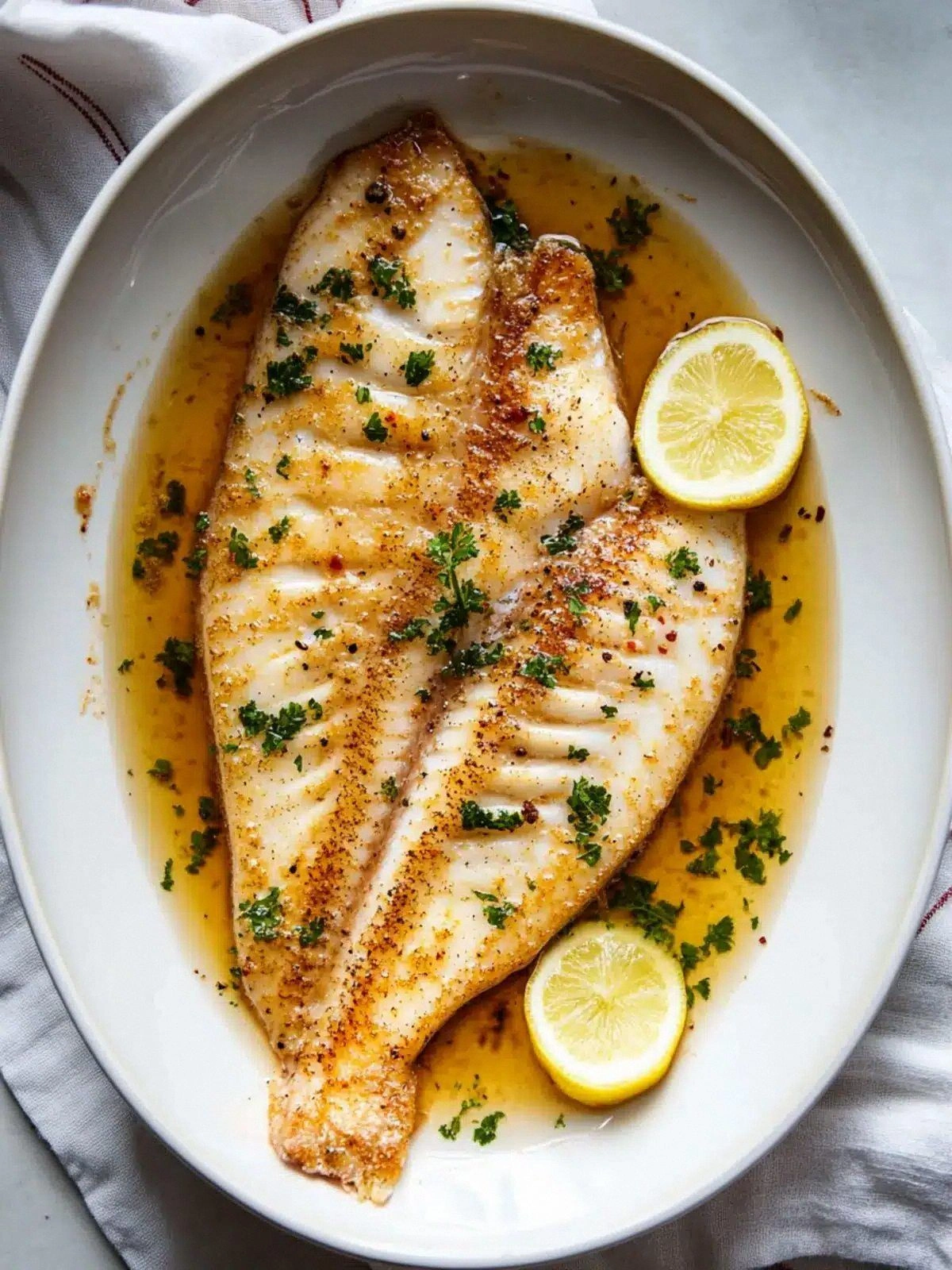
- Plate the Dish: Arrange the fillets on warmed plates, spooning the buttery sauce over them. Sprinkle the chopped parsley for a burst of color and freshness. The plate should look as good as it tastes, with a glistening sheen of sauce. Garnish with a lemon wedge if desired, adding a final citrus note. Presentation is key to making the dish feel special.
- Serve Immediately: The fish is best enjoyed hot, with the crust still crisp and the interior tender. Pair it with a light salad, steamed asparagus, or a simple risotto to complement the buttery flavors. The dish is versatile enough for a quick weeknight dinner or an elegant dinner party. Remember, timing is everything—serve right after plating for maximum enjoyment. Your guests will thank you for this culinary masterpiece.
That's it — you did it. But hold on, I've got a few more tricks that'll take this to another level.
Insider Tricks for Flawless Results
The Temperature Rule Nobody Follows
The pan’s temperature is the secret to a golden crust. Use a thermometer or a quick test by sprinkling a pinch of flour; if it sizzles instantly, the heat is right. Too low, and the fish will steam; too high, and the crust will burn before the interior cooks. Maintaining a steady medium‑high heat ensures even cooking and a crisp exterior. This simple rule transforms a good dish into a great one.
Why Your Nose Knows Best
As the butter melts, the aroma will change from mild to rich and slightly nutty. Trust that scent; it signals the butter has reached the ideal stage for coating. If you notice a metallic or burnt smell, lower the heat immediately. Your nose is a reliable indicator of the sauce’s readiness. This sensory checkpoint guarantees a flavorful finish.
The 5‑Minute Rest That Changes Everything
Letting the fillets rest for five minutes after cooking allows the juices to redistribute, keeping the flesh moist. It also lets the butter sauce thicken slightly, creating a silky coating. Many cooks skip this step, resulting in a dry fillet. A brief rest is a small sacrifice for a big payoff in texture and flavor. Give it a try and feel the difference.
The Fresh Herb Trick
Adding fresh herbs at the end preserves their bright flavor and color. Toss the parsley in the final minute of cooking, so it doesn’t wilt away. This keeps the dish vibrant and aromatic. A few extra leaves can also serve as a garnish, adding visual appeal. Fresh herbs are the finishing touch that turns a good dish into a memorable one.
The Lemon Zest Finale
A quick zest of lemon at the very end brightens the sauce, cutting through the richness. Use a microplane to get fine zest that dissolves easily in the butter. The citrus notes lift the entire dish, making it feel fresh and lively. This step is quick, easy, and transforms the flavor profile dramatically. Trust me, you’ll notice the difference.
The One‑Minute Butter Finish
When the fillets are nearly done, add a splash of cold butter and let it melt into the sauce. The cold butter creates a silky emulsion that coats the fish beautifully. This technique is often used in high‑end kitchens to finish sauces. It adds depth without overpowering the delicate fish. Try it next time for a restaurant‑level finish.
With these insider tricks in your culinary arsenal, you’ll consistently produce a meunière that’s crisp, juicy, and bursting with flavor. Each tip is a small tweak that can make the difference between a good dish and a show‑stopping meal. Keep practicing, and soon you’ll master the art of the perfect flounder meunière.
Creative Twists and Variations
This recipe is a playground. Here are some of my favorite ways to switch things up: add a splash of white wine to the sauce for a deeper flavor, swap thyme for rosemary for a woodsy twist, or incorporate a pinch of smoked paprika for a subtle smokiness. If you love a bit of heat, sprinkle cayenne pepper into the flour before coating. For a Mediterranean vibe, finish with a drizzle of olive oil and a squeeze of fresh lemon. Each variation opens a new flavor door, inviting you to experiment and discover your own signature meunière. The possibilities are endless, so feel free to get creative.
Wine‑Infused Meunière
Add 1/4 cup of dry white wine to the pan after the butter has melted, letting it reduce by half. The wine adds acidity and depth, complementing the buttery sauce. Reduce the sauce until it’s slightly thickened before spooning it over the fillets. This variation is perfect for wine lovers and adds a touch of sophistication. The wine also helps balance the richness of the butter.
Smoky Paprika Twist
Incorporate 1/2 teaspoon of smoked paprika into the flour coating. The paprika gives the crust a subtle smoky flavor that pairs beautifully with the fish. The color also adds a warm, inviting hue to the dish. This variation works well with a side of roasted vegetables for a complete meal. It’s an easy way to add complexity without extra effort.
Herb‑Rich Mediterranean Version
Replace thyme with a mix of oregano, basil, and a pinch of dried rosemary. Finish the dish with a drizzle of good‑quality extra‑virgin olive oil and a squeeze of fresh lemon juice. The herbs bring a bright, aromatic profile that feels summery and light. Pair it with a Greek salad or grilled zucchini for a Mediterranean feel. The dish becomes both colorful and flavorful.
Citrus‑Bright Lemon‑Garlic Finale
Add a minced clove of garlic to the butter sauce for a savory kick. Finish with a generous squeeze of fresh lemon juice just before serving. The garlic adds depth, while the lemon brightens the entire dish. This variation is especially good for a dinner party, providing a bold flavor profile that impresses guests. The combination of garlic and citrus is a classic that never fails.
Spicy Cajun Meunière
Season the flour with a pinch of cayenne pepper and paprika before coating the fillets. The heat adds a lively kick to the dish. Pair the fish with a cooling cucumber yogurt sauce to balance the spice. This version is perfect for those who enjoy a bit of heat in their meals. The Cajun spices bring a vibrant, bold character to the classic meunière.
Storing and Bringing It Back to Life
Fridge Storage
Store leftover fillets in an airtight container in the refrigerator for up to 2 days. Keep the sauce separate to prevent the fillets from absorbing excess moisture. Reheat gently in a skillet over low heat, adding a splash of water to re‑moisten if needed. The fillets will stay tender and flavorful when reheated properly. This method preserves the crispness of the crust.
Freezer Friendly
Wrap each fillet tightly in plastic wrap and place in a freezer bag. Freeze for up to 3 months. Thaw overnight in the refrigerator before reheating. When reheating, use a skillet to crisp the exterior again. Freezing the fillets before cooking can also be done if you prefer to prepare in advance.
Best Reheating Method
The best way to reheat is on the stovetop in a lightly oiled pan over medium heat. Add a splash of water or broth to keep the fish moist. Reheat until the fillets are hot throughout, about 3–5 minutes. Avoid microwaving, as it tends to make the fish rubbery. With this method, the fillets regain their original texture and flavor.
When you’re ready to bring the dish back to life, remember that a tiny splash of water before reheating steams the fillets back to perfection. The key is to heat gently, allowing the butter sauce to re‑emulsify and coat the fish beautifully. These simple storage tips ensure that your meunière stays fresh and delicious, ready to impress whenever you crave a gourmet meal.