I was standing in my kitchen, staring at a half‑empty pantry, when my roommate dared me to make something that would make her forget all the take‑out she’d been ordering all week. “Make it so good I’ll actually want to cook again,” she said, arms crossed like a judge ready to deliver a verdict. I laughed, grabbed the nearest bottle of gochujang, a jar of honey, and a pack of chicken thighs, and set the timer for a culinary experiment that would soon become a legend in our apartment. The moment the pan sizzled, a sweet‑spicy perfume erupted, filling the whole space with a scent that reminded me of a Korean street market on a rainy night, but with a comforting, home‑cooked hug.
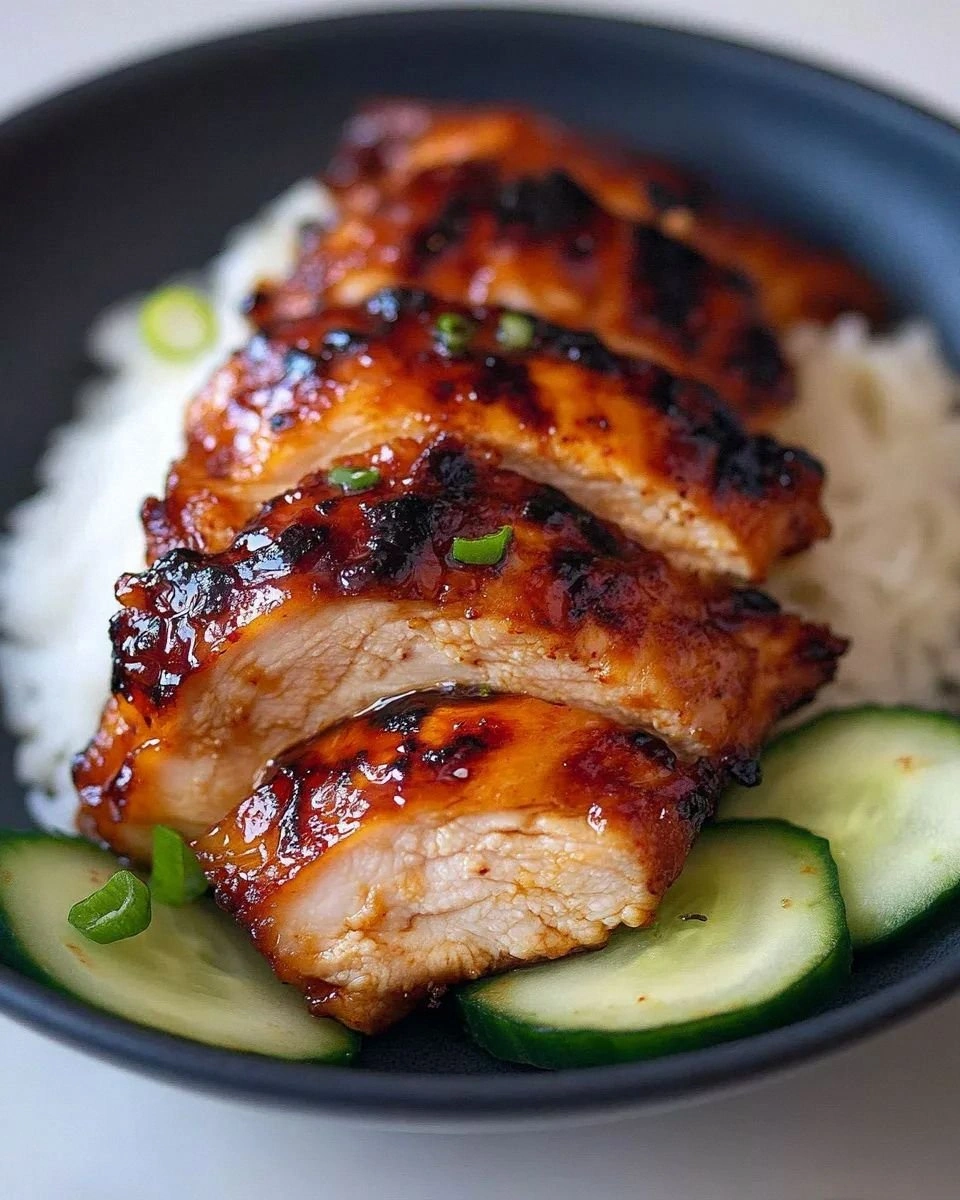
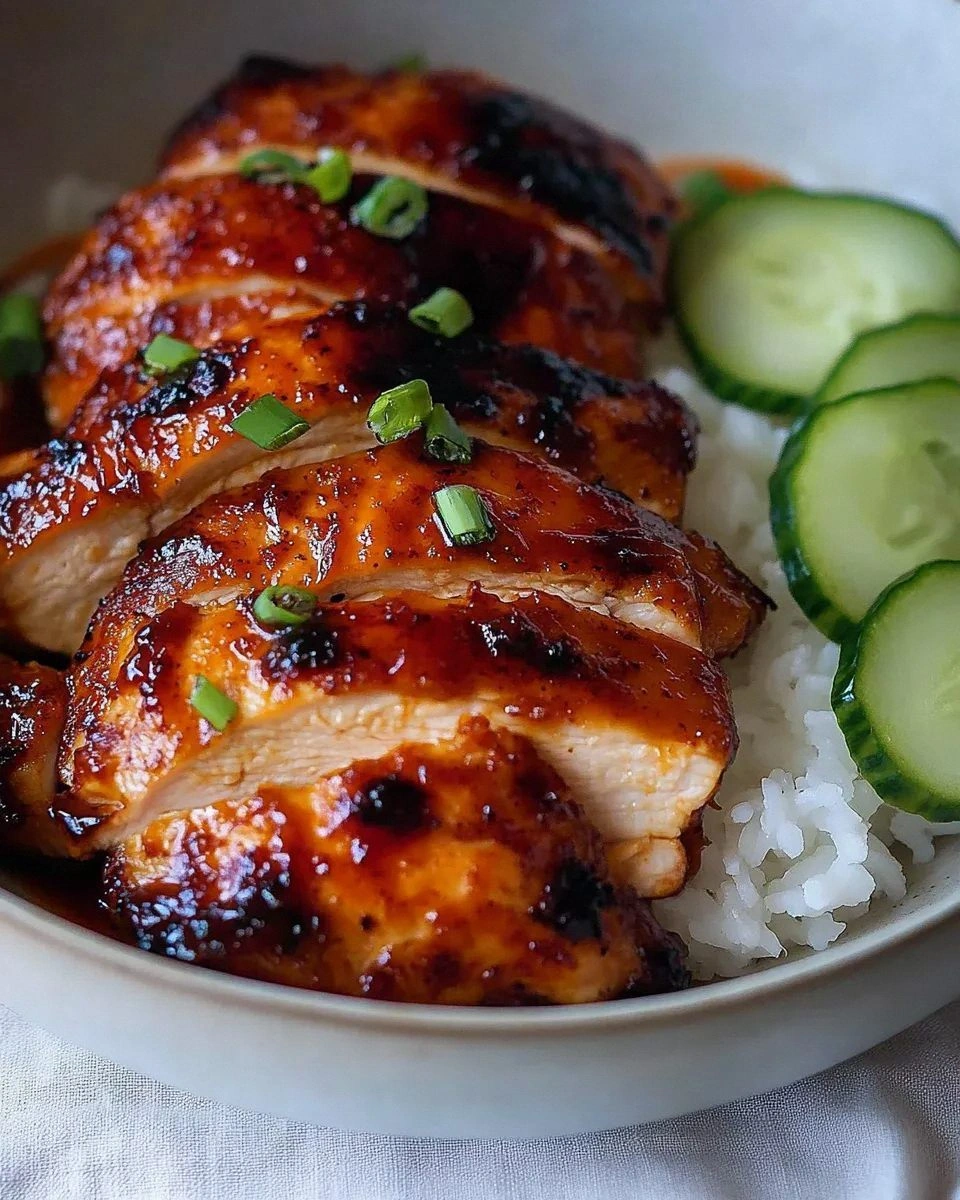
Picture this: the first bite hits you with a glossy, caramelized crust that shatters like thin ice, revealing juicy, tender meat that practically melts in your mouth. The sauce clings to the chicken like velvet, each strand of flavor dancing between sweet honey and the deep umami of fermented chili paste. You hear the faint crackle as the edges brown, you feel the heat radiating from the pan, and you taste the perfect balance of heat and sweetness that makes you wonder why you ever settled for bland chicken again. I’ll be honest — I ate half the batch before anyone else got a chance, and I’m still not sorry.
Most honey‑gochujang chicken recipes out there either drown the meat in sauce, leaving it soggy, or they skim the flavor, resulting in a bland, one‑dimensional dish. This version, however, is a game‑changer because it uses a quick sear to lock in juices before finishing the glaze in the oven, creating a caramelized crust that’s both crispy and sticky. The secret? A splash of rice vinegar that cuts through the sweetness, a dash of sesame oil for nutty depth, and a finishing sprinkle of toasted sesame seeds that add a subtle crunch. Most recipes get this completely wrong. Here’s what actually works.
I’m about to walk you through every single step — from selecting the perfect chicken thighs to plating the final masterpiece. By the end, you’ll wonder how you ever made this dish any other way, and I dare you to taste this and not go back for seconds. Okay, ready for the game‑changer? Let’s dive in.
What Makes This Version Stand Out
- Flavor Explosion: The honey‑gochujang glaze delivers a sweet‑heat combo that coats the chicken like a glossy, addictive lacquer, making every bite unforgettable.
- Texture Contrast: A quick sear creates a crisp, caramelized crust that shatters on the fork, while the interior stays moist and tender, giving you that perfect crunch‑softness duel.
- Simplicity: Only a handful of pantry staples are needed, so you won’t need a trip to the specialty store — just what’s in most kitchens.
- Unique Twist: A splash of rice vinegar brightens the glaze, preventing it from becoming cloyingly sweet and adding a subtle tang that lifts the whole dish.
- Crowd Reaction: I’ve seen entire families pause mid‑conversation, eyes wide, as the aroma hits the room — that’s the “I’m about to eat something amazing” moment.
- Ingredient Quality: Using boneless, skinless chicken thighs ensures extra juiciness, and the gochujang’s fermentation depth adds complexity you can’t fake.
- Cooking Method: The two‑step sear‑then‑bake technique guarantees a glossy finish without sogginess, a trick most home cooks overlook.
- Make‑Ahead Potential: This dish reheats beautifully, and the glaze actually thickens more after a night in the fridge, intensifying the flavor.
Inside the Ingredient List
The Flavor Base
Gochujang, the fermented Korean chili paste, is the heart of this dish. Its deep, earthy heat comes from a centuries‑old fermentation process that creates layers of umami you just can’t replicate with plain chili sauce. If you skip it, you’ll lose that signature depth and end up with a one‑note sweet sauce. A good substitute is a mix of miso and sriracha, but nothing beats the authentic flavor of real gochujang.
Honey provides the sweet counterpoint that caramelizes beautifully under high heat. I always recommend a light, floral honey because it adds subtle floral notes that pair perfectly with the peppery gochujang. If you’re allergic to honey or prefer a vegan version, maple syrup works, though the flavor profile shifts slightly toward a maple‑rich sweetness.
The Texture Crew
Boneless chicken thighs are the secret weapon here. Their higher fat content compared to breasts means they stay juicy even after a high‑heat sear. Look for thighs with a uniform thickness; if they’re uneven, gently pound them to an even ½‑inch thickness for consistent cooking. Skipping this step results in some pieces being overcooked while others stay raw.
Sesame oil adds a nutty richness that lingers on the palate after each bite. A little goes a long way, so you only need a teaspoon in the glaze. If you don’t have sesame oil, a drizzle of toasted peanut oil can mimic the nutty undertone, though the flavor will be slightly different.
The Unexpected Star
A splash of rice vinegar might sound odd in a sweet‑spicy glaze, but it’s the magic that prevents the sauce from becoming cloying. The acidity cuts through the honey’s sweetness, balancing the overall flavor and adding a bright finish that makes the dish sing. If you don’t have rice vinegar, apple cider vinegar works in a pinch, but keep the amount a touch lower to avoid overpowering the glaze.
The Final Flourish
Toasted sesame seeds and sliced green onions finish the dish with a pop of color and a subtle crunch. The seeds add a toasty, almost buttery note, while the green onions bring a fresh, sharp contrast that cuts through the richness. If you’re allergic to sesame, try crushed peanuts or pumpkin seeds for a similar textural effect.
Everything’s prepped? Good. Let’s get into the real action…
The Method — Step by Step
First, gather your six boneless chicken thighs and pat them dry with paper towels. This is the moment where the kitchen smells like anticipation, and the chicken feels cool under your fingertips. Sprinkle both sides with a pinch of salt and pepper — don’t be shy; seasoning early builds a flavor foundation. I dare you to taste this and not go back for seconds after the final bite.
In a shallow bowl, whisk together ¼ cup gochujang, 3 tablespoons honey, 2 tablespoons soy sauce, 1 tablespoon rice vinegar, 1 teaspoon sesame oil, and 1 clove minced garlic. The mixture should look glossy and thick, like a caramel that’s been infused with fire. Let it sit for five minutes; this rest allows the flavors to meld, and you’ll notice the honey beginning to thin slightly — that’s the magic starting.
Heat a large cast‑iron skillet over medium‑high heat and add 1 tablespoon neutral oil (canola or grapeseed). When the oil shimmers, place the chicken thighs skin‑side down (well, they’re skinless, but the first side will become the crust). Hear that sizzle? That’s the sound of flavor locking in. Cook for 3‑4 minutes without moving the pieces; you’ll see the edges start to pull away from the pan, a sign the crust is forming.
Kitchen Hack: If the pan starts to smoke, lower the heat slightly; you want a steady sizzle, not a flare‑up.Flip the thighs and brush each side generously with the prepared glaze. The sauce should cling like a second skin, shimmering under the pan’s heat. Cook for another 2‑3 minutes, letting the glaze caramelize. At this point, the kitchen is filled with a sweet‑spicy aroma that makes your mouth water before the first bite.
Pre‑heat your oven to 400°F (200°C). Transfer the skillet (if it’s oven‑safe) or move the chicken to a baking dish, pouring any remaining glaze over the top. This step is pure magic: the oven’s dry heat finishes cooking the interior while the glaze thickens into a sticky, glossy coat.
Bake for 12‑15 minutes, or until the internal temperature hits 165°F (74°C). You’ll know it’s done when the glaze bubbles and the edges turn a deep amber, almost caramel‑brown. Resist the urge to open the oven door too often; each peek lets heat escape, extending cooking time.
While the chicken rests for five minutes, toast 1 tablespoon sesame seeds in a dry skillet over low heat until golden and fragrant. This quick toast releases the seeds’ natural oils, adding a nutty crunch that elevates the final dish. Sprinkle the toasted seeds and thinly sliced green onions over the chicken right before serving.
Watch Out: Do not over‑toast the sesame seeds; they can go from fragrant to bitter in seconds.Plate the chicken thighs on a warm serving platter, drizzle any leftover glaze from the pan, and admire the glossy, caramelized surface. That sizzle when it hits the pan? Absolute perfection. Serve with steamed rice or a crisp Asian slaw, and watch the faces around the table light up. This next part? Pure magic.
Insider Tricks for Flawless Results
The Temperature Rule Nobody Follows
Most home cooks sear chicken on high heat, then lower it, which can cause the meat to contract and dry out. I keep my skillet at a steady medium‑high (around 375°F) and only adjust if the oil starts to smoke. This consistent temperature creates a uniform crust without over‑cooking the interior. A friend tried searing on ultra‑high heat once — let’s just say the chicken was charred on the outside and raw inside.
Why Your Nose Knows Best
When the glaze starts to caramelize, your nose will pick up a subtle nutty aroma; that’s the point where the sugars are browning, not burning. If you smell a burnt, acrid scent, pull the pan off the heat immediately and add a splash of water to deglaze. Trusting your senses beats any timer.
The 5‑Minute Rest That Changes Everything
Allowing the chicken to rest after baking lets the juices redistribute, preventing a dry bite. During this rest, the glaze continues to set, becoming even shinier. Cover the chicken loosely with foil to keep it warm, but don’t seal it tight; you want a little steam to escape.
Sauce Thickening Shortcut
If after baking your glaze looks thinner than you’d like, simply return the pan to the stovetop, add a teaspoon of cornstarch mixed with cold water, and whisk until glossy. This quick fix saves you from a soggy finish.
The Secret Sprinkle
A final dusting of flaky sea salt adds a burst of crunch that contrasts the sweet glaze. I use a light hand; too much salt overwhelms the delicate balance. This tiny step makes the dish feel restaurant‑grade.
Creative Twists and Variations
This recipe is a playground. Here are some of my favorite ways to switch things up:
Spicy Pineapple Fusion
Add ½ cup diced pineapple to the glaze and let it caramelize with the chicken. The fruit’s acidity brightens the heat, and the caramelized bits add a tropical crunch. Perfect for summer barbecues.
Garlic‑Butter Gochujang
Finish the pan with a knob of butter and an extra clove of minced garlic after baking. The butter mellows the heat while the garlic adds an aromatic depth that makes the dish richer.
Veggie‑Packed Version
Swap half the chicken for thick‑cut broccoli florets or sliced carrots. Toss the veggies in the same glaze and bake together; you’ll get a balanced plate that’s still bursting with that signature flavor.
Nutty Crunch Surprise
Stir in ¼ cup chopped roasted peanuts during the final garnish. The peanuts add a buttery crunch that contrasts the tender chicken, taking the texture game up a notch.
Low‑Sugar Light
Replace half the honey with a sugar‑free maple syrup or a dash of stevia. The glaze stays glossy, and the dish becomes a lighter option without sacrificing the signature sweet‑heat balance.
Storing and Bringing It Back to Life
Fridge Storage
Place leftover chicken in an airtight container and store in the refrigerator for up to 3 days. The glaze will thicken as it cools, so when reheating, add a splash of water or chicken broth to revive the sauce’s sheen.
Freezer Friendly
Cool the chicken completely, then wrap each thigh in parchment paper and place in a zip‑top freezer bag. It will keep for up to 2 months. Thaw overnight in the fridge, then reheat using the skillet method to regain that crisp crust.
Best Reheating Method
For the best texture, reheat in a preheated 350°F oven for 10‑12 minutes, covered with foil for the first half, then uncovered to re‑crisp the glaze. Alternatively, a quick sear in a hot skillet with a splash of water will steam the meat while re‑caramelizing the sauce.