What Makes This Version Stand Out
- Taste: The buttery garlic base is elevated with lemon zest and a splash of broth, creating a complex flavor profile that feels both fresh and indulgent.
- Texture: Shrimp stay juicy and tender, while the rice retains a light, slightly fluffy bite that balances the richness of the sauce.
- Simplicity: Only ten ingredients, all you need to do is season, sauté, and simmer—no need for fancy equipment or obscure spices.
- Uniqueness: A subtle Parmesan finish adds a creamy depth that sets this dish apart from the typical garlic shrimp.
- Crowd Reaction: Guests often ask for the recipe after tasting; it’s a conversation starter and a crowd‑pleaser.
- Ingredient Quality: Fresh shrimp, real butter, and fresh herbs make the difference; the quality of each component shines through.
- Cooking Method: The sear-and-simmer technique locks in moisture and flavor without overcooking.
- Make‑Ahead Potential: The dish can be prepared a day ahead and reheated without losing texture or flavor.
Alright, let's break down exactly what goes into this masterpiece...
Inside the Ingredient List
The Flavor Base
Garlic and butter form the core of this dish. Fresh garlic cloves, minced finely, release their aromatic oils when sautéed, creating a fragrant bed for the shrimp. Butter, on the other hand, adds richness and helps the garlic’s flavor mellow into a silky sauce. Together, they create a buttery, garlicky emulsion that coats the shrimp like velvet. If you skip this step, the dish becomes a flat, uninspired plate of shrimp and rice. Swap butter for a splash of olive oil for a lighter version, but keep the butter for that classic richness.
The Texture Crew
Rice is the unsung hero of this recipe. Using white long‑grain rice gives a light, fluffy texture that soaks up the savory sauce without becoming mushy. Cooking the rice in chicken broth instead of water infuses it with umami and depth. A pinch of salt and a dash of pepper during the cooking process keeps the grains seasoned throughout. If you’re in a hurry, quick‑cooking rice works, but the flavor profile will be slightly less complex. Always rinse the rice under cold water before cooking to remove excess starch, ensuring a cleaner texture.
The Unexpected Star
Parmesan cheese might seem out of place in a shrimp dish, but it brings a subtle nutty flavor and a creamy texture that balances the dish’s richness. Grated finely, it melts into the sauce, thickening it just enough to cling to the shrimp and rice. If you’re vegan, try nutritional yeast or a vegan Parmesan substitute for a similar umami boost. The cheese also adds a slight golden hue to the final presentation, making the dish look as good as it tastes.
The Final Flourish
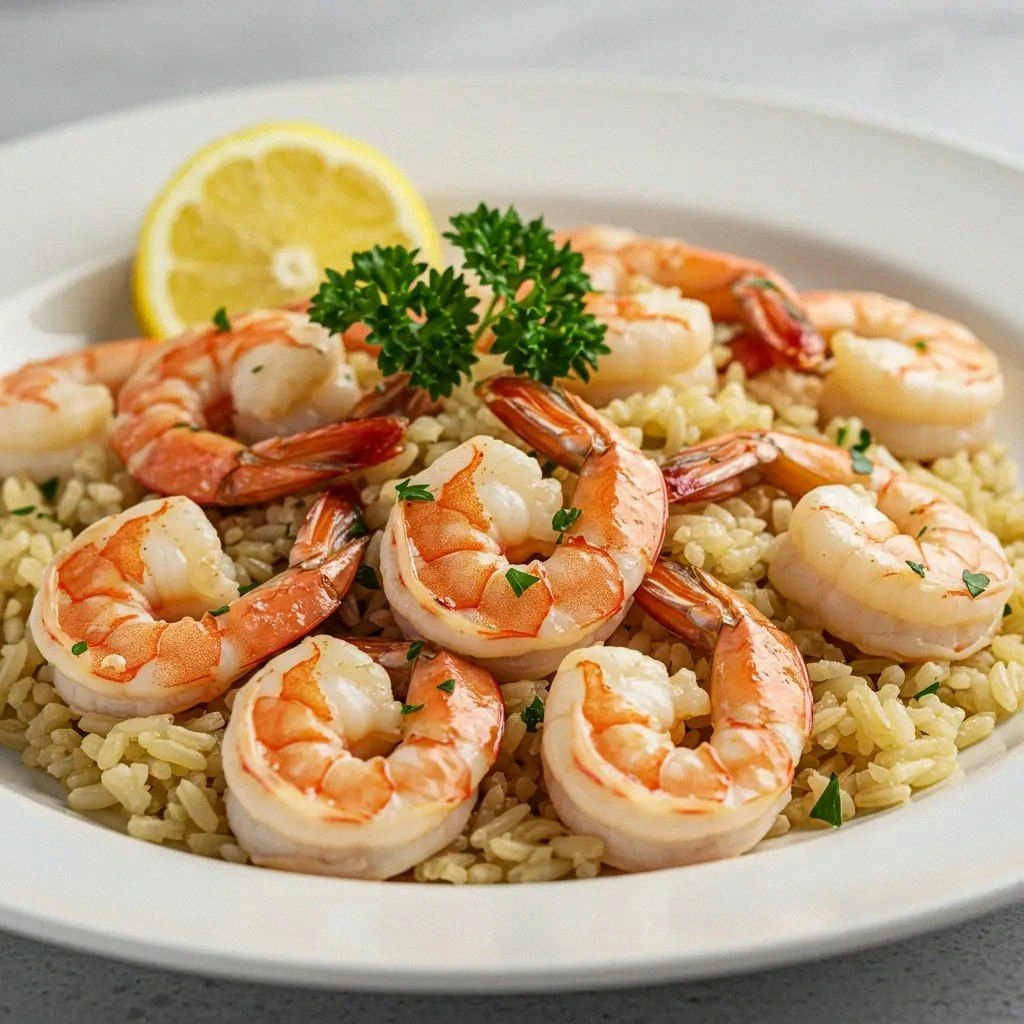
Fresh parsley and a squeeze of lemon juice are the finishing touches that lift the dish. Parsley adds a burst of color and a clean, herbaceous note that cuts through the buttery richness. Lemon juice introduces acidity that balances the dish, preventing it from feeling heavy. Lemon zest, too, contributes a bright, citrusy aroma that enhances the overall flavor profile. If you prefer a more robust citrus flavor, add a bit of orange zest for a subtle twist.
Everything’s prepped? Good. Let’s get into the real action...
The Method — Step by Step
- Step 1: Prep the Rice – Rinse 1 cup of long‑grain rice under cold water until the water runs clear. In a medium saucepan, combine the rice with 2 cups of chicken broth, a pinch of salt, and bring to a boil. Reduce heat to low, cover, and simmer for 15 minutes, or until the liquid is absorbed. Once done, fluff with a fork and set aside. The rice should be tender but still hold its shape; this will be the foundation for the sauce to cling to.
- Step 2: Sauté Aromatics – While the rice cooks, melt 2 tablespoons of butter and 2 tablespoons of olive oil in a large skillet over medium heat. Add 4 minced garlic cloves and a pinch of red pepper flakes. Cook until the garlic is golden and fragrant, about 1–2 minutes, stirring constantly to prevent burning. The garlic should release its aroma but not turn bitter. This is the moment of truth for the sauce’s base.
- Step 3: Cook the Shrimp – Increase the heat to medium‑high and add 1 lb of peeled and deveined shrimp to the skillet. Season with salt and pepper to taste. Sear the shrimp for 2 minutes on each side, until they turn pink and opaque. Don’t overcrowd the pan; if necessary, cook in batches to preserve the sear. The shrimp should sizzle, not steam, and the edges will start pulling away when done.
- Step 4: Build the Sauce – Reduce heat to medium and add 1 tsp of lemon zest, 2 tablespoons of lemon juice, and 0.5 cup of grated Parmesan. Stir continuously, allowing the cheese to melt into a silky sauce. The mixture should thicken slightly and coat the back of a spoon. The lemon brightens the sauce, cutting through the butter’s richness.
- Step 5: Combine Shrimp and Rice – Return the cooked rice to the skillet, tossing to coat with the buttery sauce. Then fold in the seared shrimp, ensuring every piece is coated. Let the mixture simmer for 2 minutes so the flavors meld. The rice should absorb the sauce but remain fluffy, and the shrimp should stay moist.
- Step 6: Finish with Freshness – Stir in 1 tablespoon of chopped parsley for a burst of color and herbaceous freshness. Taste and adjust seasoning with salt and pepper if needed. The final dish should look glossy, with a vibrant green speck of parsley on top.
- Step 7: Plate and Serve – Transfer the shrimp and rice mixture to a serving platter or individual bowls. Drizzle a small amount of extra butter on top for a glossy finish, if desired. Serve immediately while hot, as the sauce will thicken as it cools.
- Step 8: Garnish (Optional) – For an extra touch of elegance, sprinkle a few lemon zest curls or a dusting of paprika over the top. This adds visual appeal and a subtle flavor twist.
That's it — you did it. But hold on, I've got a few more tricks that'll take this to another level...
Insider Tricks for Flawless Results
The Temperature Rule Nobody Follows
Many cooks keep their stove at a constant medium heat, but the secret is to start high for the sear and then lower the heat for the sauce. This two‑step approach ensures the shrimp develop a golden crust while the sauce doesn’t burn. I once cooked shrimp at a steady medium and ended up with a mushy texture; after adjusting the heat, the result was juicy and flavorful. Keep the skillet hot when adding shrimp, and reduce to medium when adding the sauce ingredients.
Why Your Nose Knows Best
Your sense of smell is your best ally in seasoning. When the garlic hits the pan, the aroma should be unmistakably buttery and slightly sweet. If it’s flat, add a pinch more salt or a dash of pepper. I learned this in college, where a dish was ruined because the chef forgot to taste the broth before adding it to the rice.
The 5‑Minute Rest That Changes Everything
After the shrimp are cooked, let them rest for 5 minutes before adding them to the sauce. This rest period allows the juices to redistribute, keeping the shrimp tender. I used to toss them into the sauce immediately, and the result was unevenly cooked shrimp. The rest period is a simple trick that makes a noticeable difference.
Use Fresh Herbs for a Burst of Color
Fresh parsley not only adds flavor but also a pop of green that makes the dish visually appealing. If parsley is out of season, try fresh cilantro or basil for a different aromatic profile. The key is to chop the herbs finely so they release their oils quickly.
Don’t Skimp on Butter
Butter is the soul of this dish. It carries the garlic’s flavor and gives the sauce a silky texture. Skipping butter or using a low‑fat alternative will dilute the richness and leave the shrimp dry. If you’re watching calories, use half the butter and compensate with extra olive oil, but the taste will change.
Serve Immediately for Best Texture
The sauce thickens as it cools, so serve the dish right away. If you need to keep it warm, place the skillet over a low heat or use a warm plate. I’ve found that letting it sit on a regular plate for too long causes the rice to become soggy.
Creative Twists and Variations
This recipe is a playground. Here are some of my favorite ways to switch things up:
Coconut Curry Shrimp
Replace the butter with coconut milk and add a tablespoon of red curry paste. The dish becomes a tropical, aromatic curry that pairs wonderfully with jasmine rice.
Salsa Verde Shrimp
Swap the lemon zest with a handful of fresh cilantro, jalapeño, and lime juice. The result is a bright, zesty dish that feels like a summer fiesta.
Mediterranean Medley
Add diced sun‑dried tomatoes, olives, and a splash of white wine to the sauce. This variation brings a briny, savory depth reminiscent of coastal Mediterranean cooking.
Pesto Shrimp & Rice
Stir in a few spoonfuls of basil pesto instead of Parmesan. The pesto adds a herbal, nutty flavor that pairs beautifully with the shrimp.
Garlic Shrimp with Wild Rice
Use wild rice instead of white rice for a nuttier texture and earthy flavor. The wild rice’s chewiness complements the tender shrimp.
Spicy Cajun Shrimp
Season the shrimp with a Cajun spice blend before searing. The result is a smoky, spicy kick that pairs well with a simple side of steamed broccoli.
Storing and Bringing It Back to Life
Fridge Storage
Store leftovers in an airtight container for up to 3 days in the refrigerator. The rice may dry out slightly, so consider adding a splash of broth before reheating to rehydrate.
Freezer Friendly
This dish freezes well for up to 2 months. Separate the shrimp and rice before freezing to maintain texture. Reheat in the microwave, adding a teaspoon of water to keep the rice moist.
Best Reheating Method
Reheat on the stovetop over low heat, stirring frequently, until the sauce is heated through. Add a splash of water or broth to loosen the sauce and prevent the rice from sticking. The shrimp will stay tender, and the sauce will regain its silky consistency.