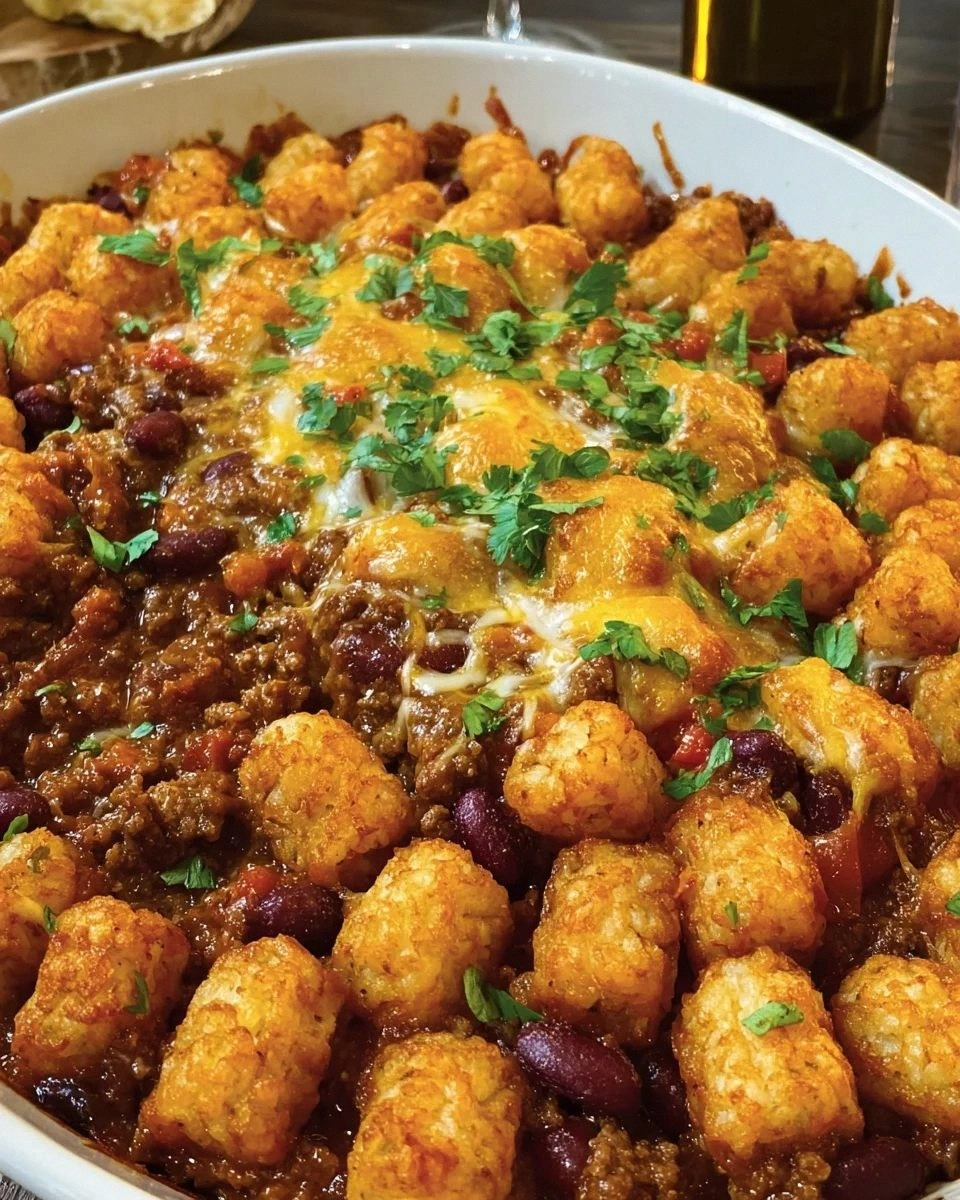
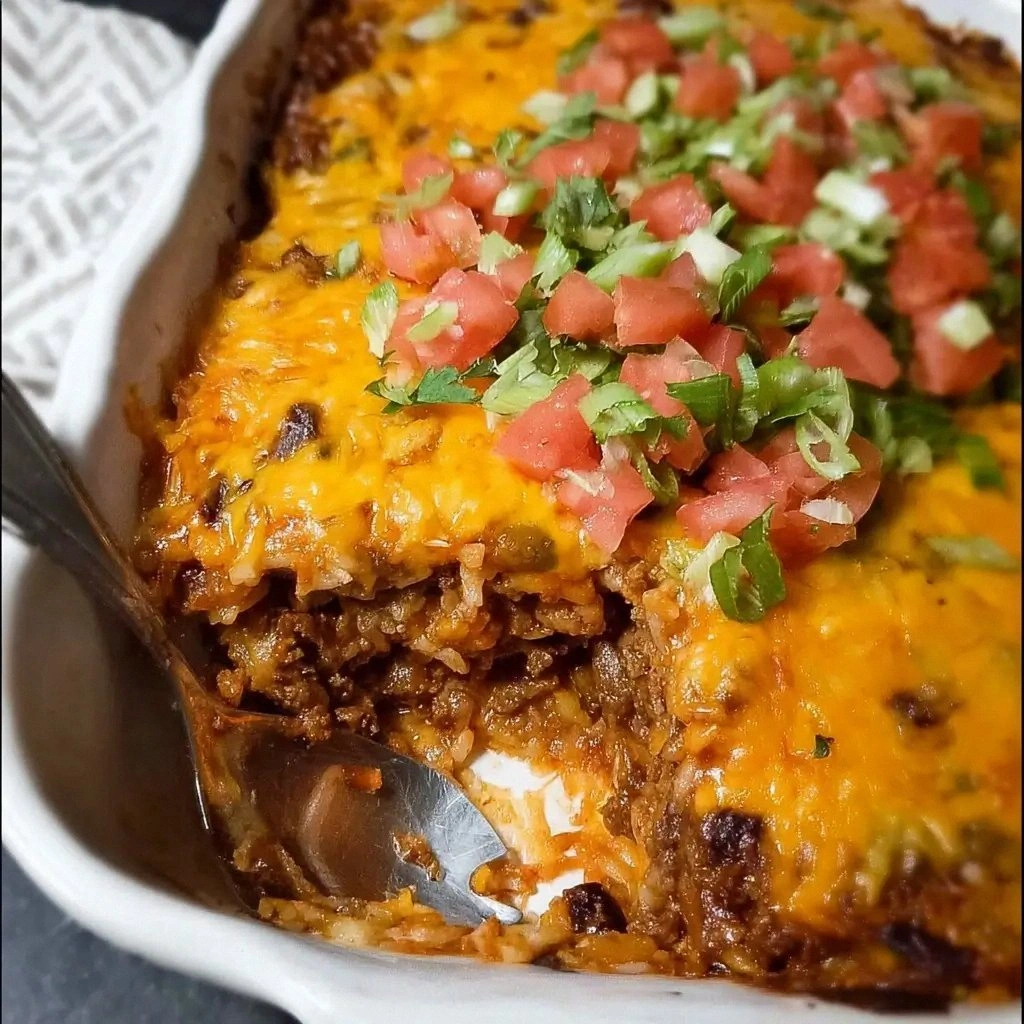
I was halfway through a chaotic Sunday dinner when I realized I had run out of the classic French onion soup recipe that my grandma used to make. The kitchen smelled of burnt caramelized onions, the stovetop was a battlefield of sizzling beef, and my stomach was growling louder than the neighbor's lawnmower. I stared at the empty pot, feeling the urge to create something that would make my taste buds sing louder than a brass band at a jazz festival. That moment of culinary desperation turned into a revelation: what if we could turn that beloved soup into a comforting, hearty casserole that still delivers all that deep, sweet onion flavor but with a richer, beef‑laden twist?
Imagine a dish that starts with the scent of onions slowly caramelizing until they’re golden‑brown, the air thick with a sweet, almost buttery aroma that makes your mouth water before you even take a bite. Picture the sizzling sound of beef searing, the sizzle that announces a new layer of flavor is about to be added. The texture is a contrast of tender beef chunks, soft onions, and a glossy gravy that coats the bottom of the dish like velvet, all crowned with a golden crust of breadcrumbs and melted cheese that crackles when you bite into it. It’s a dish that feels like a hug, a warm blanket on a cold day, and it’s so good that I dare you to taste it and not go back for seconds.
What sets this version apart is not just the combination of ingredients but the technique that locks in flavor at every step. I’ve perfected a sear that locks in juices, a caramelization method that deepens sweetness, and a sauce that thickens without becoming gummy. The result is a casserole that feels like a slow‑cooked masterpiece, yet it’s ready in under an hour. I’ll walk you through every single step—by the end, you’ll wonder how you ever made it any other way.
I’ve spent hours experimenting with ratios, timing, and even the type of onions to use. I’ve discovered that using a mix of sweet and brown onions gives the dish a layered sweetness that is simply irresistible. The beef is cut into bite‑size cubes that absorb the rich gravy, and the addition of a splash of red wine elevates the flavor profile to something that feels both rustic and refined. The result? A casserole that’s hands down the best version you’ll ever make at home, and it’s surprisingly simple.
What Makes This Version Stand Out
- Depth: The caramelization of onions releases natural sugars that create a sweet, almost caramel‑like base. This depth transforms the casserole from a simple stew into a flavor powerhouse.
- Texture: The beef is seared to lock in juices, then simmered until it’s melt‑in‑your‑mouth tender, while the breadcrumb topping provides a satisfying crunch that contrasts the soft interior.
- Simplicity: Despite its rich taste, the recipe uses only a handful of pantry staples—no obscure ingredients or special tools.
- Versatility: It’s a crowd‑pleaser that works for both weeknight dinners and weekend gatherings. The make‑ahead potential means you can prep it in advance and reheat with minimal fuss.
- Ingredient Quality: The recipe calls for high‑quality beef chuck and fresh onions, which dramatically elevate the final dish.
- Time Efficiency: From prep to plate, the entire process takes less than an hour, making it an excellent option for busy families.
Alright, let’s break down exactly what goes into this masterpiece...
Inside the Ingredient List
The Flavor Base
The heart of this casserole is its flavor base—beef chuck, onions, garlic, butter, and olive oil. The beef is cut into 1‑inch cubes that are browned in a hot pan, creating a Maillard reaction that adds a savory depth impossible to replicate with any other cut. The onions are sliced thin to ensure they caramelize evenly, releasing a natural sweetness that forms the backbone of the gravy. Garlic, minced, adds a punch of aromatics that cuts through the richness. Butter and olive oil are used together; the butter adds richness while the olive oil raises the smoke point, allowing the onions and beef to sear without burning.
The Texture Crew
Flour, breadcrumbs, and Gruyère cheese are the texture crew that turns a simple stew into a casserole with layers of mouthfeel. Flour, lightly dusted over the browned beef, creates a roux that thickens the sauce into a silky gravy. Breadcrumbs, toasted in butter until golden, are sprinkled on top before the final bake, producing a crisp, golden crust that snaps when you bite into it. Gruyère, shredded, melts into a gooey, nutty topping that balances the savory beef and sweet onions, giving the dish a comforting, melt‑in‑your‑mouth finish.
The Unexpected Star
Red wine, a splash of Worcestershire sauce, and a dash of tomato paste might seem like ordinary pantry staples, but in this recipe they are the unexpected stars that elevate the dish. Red wine adds a subtle acidity and fruity depth that cuts through the richness, while Worcestershire sauce contributes umami and a slight tang. Tomato paste brings a concentrated tomato flavor that thickens the sauce and adds a subtle sweetness. Together, they create a complex flavor profile that feels both rustic and refined.
The Final Flourish
Bay leaf, thyme, salt, and pepper are the final flourish that ties everything together. The bay leaf infuses a subtle floral note that complements the sweet onions, while thyme adds an earthy aroma that grounds the dish. Salt and pepper are added to taste, ensuring that each bite is perfectly seasoned. A pinch of sugar can be added if the onions are particularly tart, but this is optional. The final flourish is what turns a good casserole into an unforgettable meal.
Everything’s prepped? Good. Let’s get into the real action...

The Method — Step by Step
- First, heat a large Dutch oven or heavy‑bottomed pot over medium‑high heat. Add 1 tablespoon of olive oil and 2 tablespoons of butter, letting the butter melt into the oil. Once the butter foams, add the cubed beef in a single layer, searing each side until a deep brown crust forms. This step locks in juices and creates a savory base that will carry the entire dish. Keep the heat high enough that the beef sizzles but not so high that it burns.
- Remove the beef and set it aside on a plate. In the same pot, add 3 large sliced onions, a pinch of salt, and a splash of water to prevent sticking. Let the onions cook, stirring frequently, until they become translucent and start to brown—about 10–12 minutes. The key is patience; rushing this step will leave you with raw onions and a flat flavor.
- Add 3 minced garlic cloves to the caramelized onions and sauté for 30 seconds until fragrant. Sprinkle 2 tablespoons of flour over the mixture, stirring constantly to form a roux. Cook the roux for 1–2 minutes until it turns a light golden color, which will eliminate the raw flour taste and help thicken the gravy. This is the moment of truth—if you skip the roux, the sauce will be thin and watery.
- Pour in 1 cup of dry red wine, scraping the bottom of the pot to loosen any browned bits. Let the wine reduce by half, which concentrates the flavors and evaporates excess alcohol. Then stir in 2 tablespoons of tomato paste and 2 teaspoons of Worcestershire sauce, letting the mixture simmer for 3 minutes. This step builds the sauce’s depth and complexity.
- Add the browned beef back into the pot along with 2 cups of beef broth, 1 bay leaf, and 1 teaspoon of dried thyme. Bring the mixture to a simmer, then reduce the heat to low. Cover the pot and let it cook for 25–30 minutes, or until the beef is fork‑tender and the sauce has thickened. The slow simmer allows the flavors to meld and the beef to become tender.
- Remove the bay leaf and season the casserole with salt and pepper to taste. Transfer the entire mixture into a 9x13‑inch baking dish. Sprinkle 1 cup of shredded Gruyère cheese evenly over the top, then toss 1/2 cup of breadcrumbs with 2 tablespoons of melted butter and sprinkle them over the cheese. This double layer of cheese and breadcrumbs will create a golden, slightly crisp crust that’s impossible to resist.
- Bake at 375°F (190°C) for 15–20 minutes, or until the cheese is melted, bubbly, and the breadcrumb topping is golden brown. The final 5 minutes are crucial—keep an eye on the crust to ensure it doesn’t burn. When the casserole is done, let it rest for 5 minutes before serving. This short rest allows the gravy to set slightly, making each bite easier to scoop.
- Serve hot, straight from the oven, with a side of crusty bread or a fresh green salad. The contrast between the warm, savory casserole and the crisp salad is a flavor explosion that will leave everyone asking for seconds. And that’s it— you did it. But hold on, I’ve got a few more tricks that will take this to another level...
Insider Tricks for Flawless Results
The Temperature Rule Nobody Follows
Many people think a high oven temperature is the secret to a crispy top, but it actually scorches the breadcrumbs before the cheese melts. Keep the oven at 375°F (190°C) and use a light, even heat to ensure the topping browns without burning. I once baked at 400°F, and the breadcrumb crust turned to charcoal while the cheese stayed gooey—an embarrassing moment for a proud cook.
Why Your Nose Knows Best
Smell is the most reliable indicator of flavor development. As the onions caramelize, the aroma will shift from raw to sweet and nutty. If you’re unsure whether the onions are ready, take a deep sniff; a sweet, buttery scent means they’re perfectly caramelized. Trust your nose, and you’ll avoid under‑cooked or over‑browned onions.
The 5‑Minute Rest That Changes Everything
After removing the casserole from the oven, let it rest for at least 5 minutes. This short period allows the gravy to thicken slightly and the flavors to settle. The result is a casserole that’s easier to scoop and less likely to slide off the spoon. I’ve seen people try to serve immediately, only to find the sauce spilling everywhere. The rest is the secret to a clean, elegant presentation.
Don’t Skip the Browned Beef
Seared beef adds depth that boiling or simmering alone cannot achieve. The Maillard reaction creates a savory crust that infuses the dish with complexity. A friend once skipped this step, and the casserole tasted flat and watery. Don’t make the same mistake—sear the beef, and you’ll taste the difference.
Use Fresh Herbs for a Bright Finish
If you have fresh thyme or bay leaves, use them instead of dried. Fresh herbs release more flavor and give the dish a brighter, fresher taste. I swapped dried thyme for fresh in a recent batch, and the aroma was noticeably more vibrant. It’s a simple switch that elevates the dish.
Keep the Liquid Ratio Balanced
Too much liquid will result in a soupy casserole, while too little will dry out the beef. The recipe calls for 2 cups of broth and 1 cup of wine, which balances well for 4 servings. If you’re making a larger batch, adjust the liquid proportionally to keep the gravy at the right consistency.
Creative Twists and Variations
This recipe is a playground. Here are some of my favorite ways to switch things up:
Cheesy Mac & Cheese Casserole
Swap the breadcrumbs for cooked elbow macaroni, and replace Gruyère with a blend of cheddar and mozzarella. The result is a creamy, cheesy casserole that feels like a comfort food mash‑up. My kids love it, and it’s a great way to sneak in some extra carbs.
Mushroom & Thyme Variation
Add 8 ounces of sliced cremini mushrooms to the caramelized onions. The earthy flavor of mushrooms complements the beef and adds a meaty depth that makes the dish feel like a hearty stew. Sprinkle fresh thyme on top before baking for an aromatic finish.
Spicy Kick
Introduce a pinch of red pepper flakes or a dash of hot sauce to the sauce mixture. The subtle heat contrasts the sweet onions and rich beef, adding a layer of complexity. This version is perfect for those who like a little bite in their comfort food.
Vegan Version
Use seared tempeh or textured vegetable protein instead of beef, and replace dairy cheese with a vegan cheese blend. The tofu or tempeh will absorb the flavors of the sauce, and the vegan cheese will melt into a gooey, satisfying top. It’s a plant‑based take that doesn’t compromise on taste.
Add a Sweet Twist
Stir in a tablespoon of apple cider or a few dried cranberries before baking. The slight tartness of the apple or cranberries cuts through the richness, providing a refreshing contrast. This variation is especially good for holiday gatherings.
Crispy Bacon Topping
Crack up a handful of bacon, cook until crisp, and crumble over the cheese topping before baking. The smoky bacon adds a savory crunch that pairs wonderfully with the sweet onions and beef. It’s a simple tweak that turns a classic into a crowd‑pleaser.
Storing and Bringing It Back to Life
Fridge Storage
Cool the casserole completely, then cover tightly with aluminum foil or a lid. Store in the refrigerator for up to 3 days. When ready to reheat, cover again to keep moisture in. Reheat in the oven at 350°F (175°C) for 15 minutes or until warmed through.
Freezer Friendly
For longer storage, place the casserole in an airtight freezer bag or container. It will keep for up to 3 months. Thaw overnight in the refrigerator, then reheat as described above. Adding a splash of water or broth before reheating helps prevent the dish from drying out.
Best Reheating Method
The best way to reheat is in the oven, which restores the crispy topping and keeps the gravy silky. If you’re in a hurry, use the microwave, but cover the dish and heat in short bursts to avoid drying. A tiny splash of water or broth before microwaving creates steam, helping the casserole retain moisture.