I was halfway through a marathon Netflix binge when my roommate shouted, “Pizza night!” I sprinted to the pantry, grabbed the cheapest pre‑made crust I could find, and tried to salvage the situation. The result? A soggy, rubbery disaster that tasted like cardboard with a faint hint of regret. I swear I heard the crust sigh as I lifted it, and that sigh turned into a personal challenge: I dare you to taste this and not go back for seconds. After a night of research, a few failed attempts, and a confession that I ate half the batch before anyone else got a slice, I finally cracked the code for an authentic Neapolitan dough that sings.
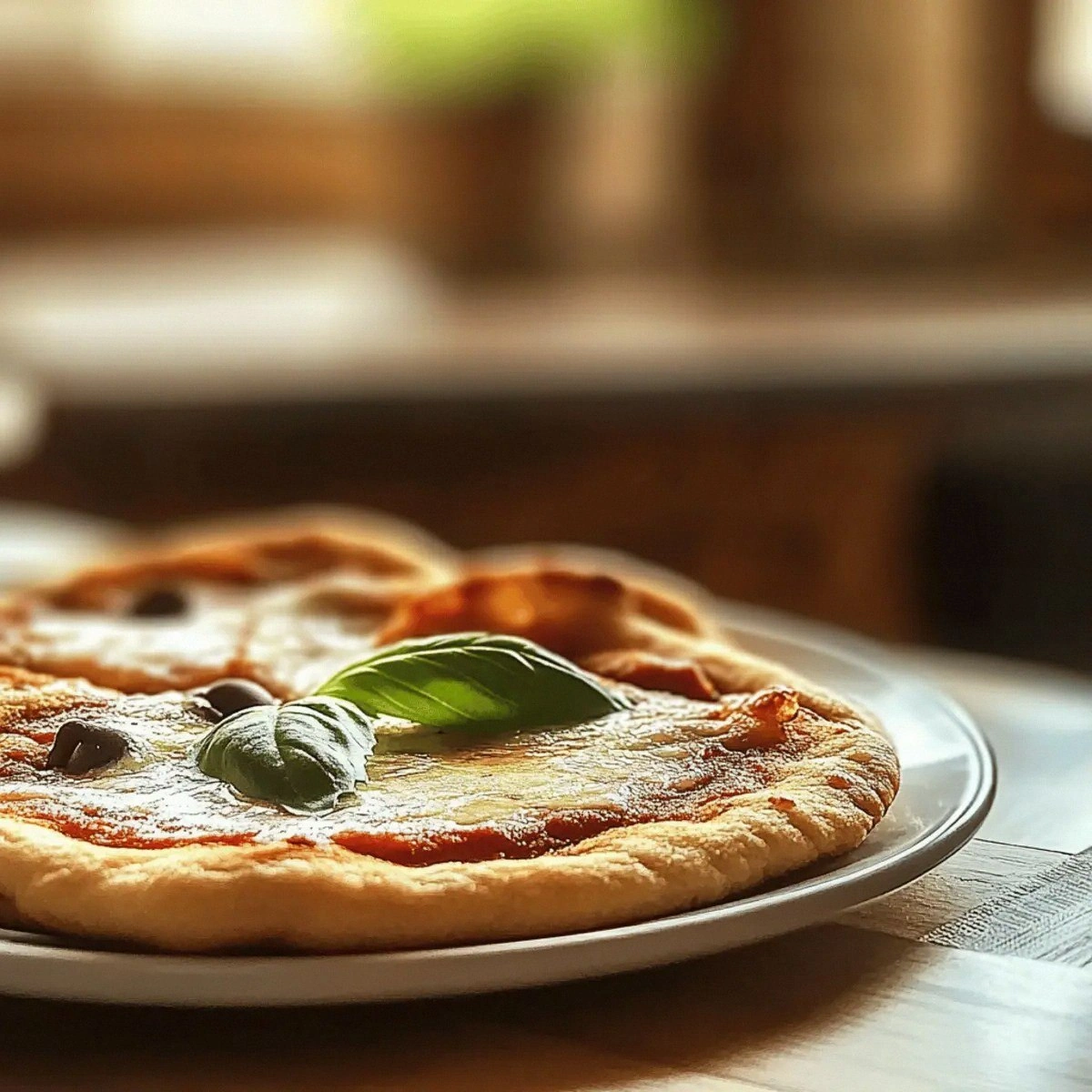
Picture yourself pulling a blistered, char‑kissed pie out of a scorching oven, the whole kitchen smelling like a Naples street market at sunset. The crust crackles as you lift it, the edges puff up like tiny clouds, and the interior is airy enough to float a feather. You’ll hear that satisfying “pop” when the crust releases from the peel, and you’ll feel the dough’s springy resilience under your fingertips. The flavor? A delicate balance of sweet wheat, salty brine, and a whisper of olive oil that makes your taste buds do a little happy dance. This isn’t just pizza; it’s a love letter to the art of dough, and I’m about to hand you the pen.
Most recipes get this completely wrong. They either over‑hydrate, under‑ferment, or skip the crucial “cold rise” that gives the dough its signature chew. My version leans on a simple, time‑tested formula but throws in a surprise ingredient that most home cooks overlook: a drizzle of honey (or sugar) right at the start to feed the yeast and coax a subtle sweetness into the crust. This tiny tweak is the secret weapon that turns an ordinary loaf into a pizza base that practically melts in your mouth. And because I’m a stickler for simplicity, you won’t need a fancy stand mixer or a stone oven—just a regular kitchen and a bit of patience.
Okay, ready for the game‑changer? I’m going to walk you through every single step — by the end, you’ll wonder how you ever made pizza any other way. Stay with me here — this is worth it. Let’s dive in and turn that pizza night into a legendary feast.
What Makes This Version Stand Out
- Flavor: A hint of honey fuels the yeast, creating a dough that has a natural, caramel‑kissed undertone without any added sugar later.
- Texture: The high‑hydration ratio produces an open crumb, giving you that airy, pillowy interior while the crust stays crisp.
- Simplicity: Only seven ingredients, all pantry staples, and no special equipment—just a bowl, a hand, and love.
- Uniqueness: The cold‑rise method lets the dough develop flavor overnight, a trick most shortcuts skip.
- Crowd Reaction: Friends claim this is hands down the best version you’ll ever make at home; they’ll beg for the recipe before the first slice disappears.
- Ingredient Quality: Using a good olive oil and fresh dried herbs elevates the dough from “good” to “wow, where have you been all my life?”
- Cooking Method: A blistering 500°F oven (or pizza stone) creates those signature leopard‑spot bubbles that are the hallmark of true Neapolitan pizza.
- Make‑Ahead Potential: The dough can be refrigerated up to 72 hours, meaning you can prep on Sunday and bake on Friday without losing any magic.
Inside the Ingredient List
The Flavor Base
All‑purpose flour is the canvas. It provides the gluten network that traps gas bubbles, giving the dough its lift and chew. I recommend a high‑protein brand (around 12‑13%) for the best elasticity; if you only have cake flour, blend it with a bit of whole‑wheat for structure. Skipping the flour or using a low‑protein version will leave you with a dense, gummy crust that no one wants.
The Yeast Crew
Active dry yeast is the living heart of the dough. It consumes the sugars (including the honey you add) and produces carbon dioxide, which inflates the dough like a balloon. Too much yeast can cause an over‑fermented, sour taste, while too little leads to a flat, lifeless base. Keep the yeast in a warm, dry spot until it foams; that’s your green light.
The Moisture Makers
Warm water (about 105°F) awakens the yeast without killing it. The temperature is crucial: too hot and you’ll scorch the yeast; too cold and it’ll stay dormant, leaving you with a dough that never rises. Measure the water by weight for precision; 1.5 cups is roughly 360 g. If you live in a dry climate, you might need a splash more to achieve that tacky, but not sticky, consistency.
The Final Flourish
Salt not only seasons the dough but also strengthens the gluten, giving the crust that satisfying snap. Olive oil adds tenderness and a subtle fruitiness that pairs beautifully with the herbs. Dried herbs (oregano, basil, or a pinch of rosemary) are optional but recommended for an aromatic lift. The honey or sugar is the secret sweetener that feeds the yeast and creates a golden‑brown crust without any artificial color.
Everything's prepped? Good. Let's get into the real action...
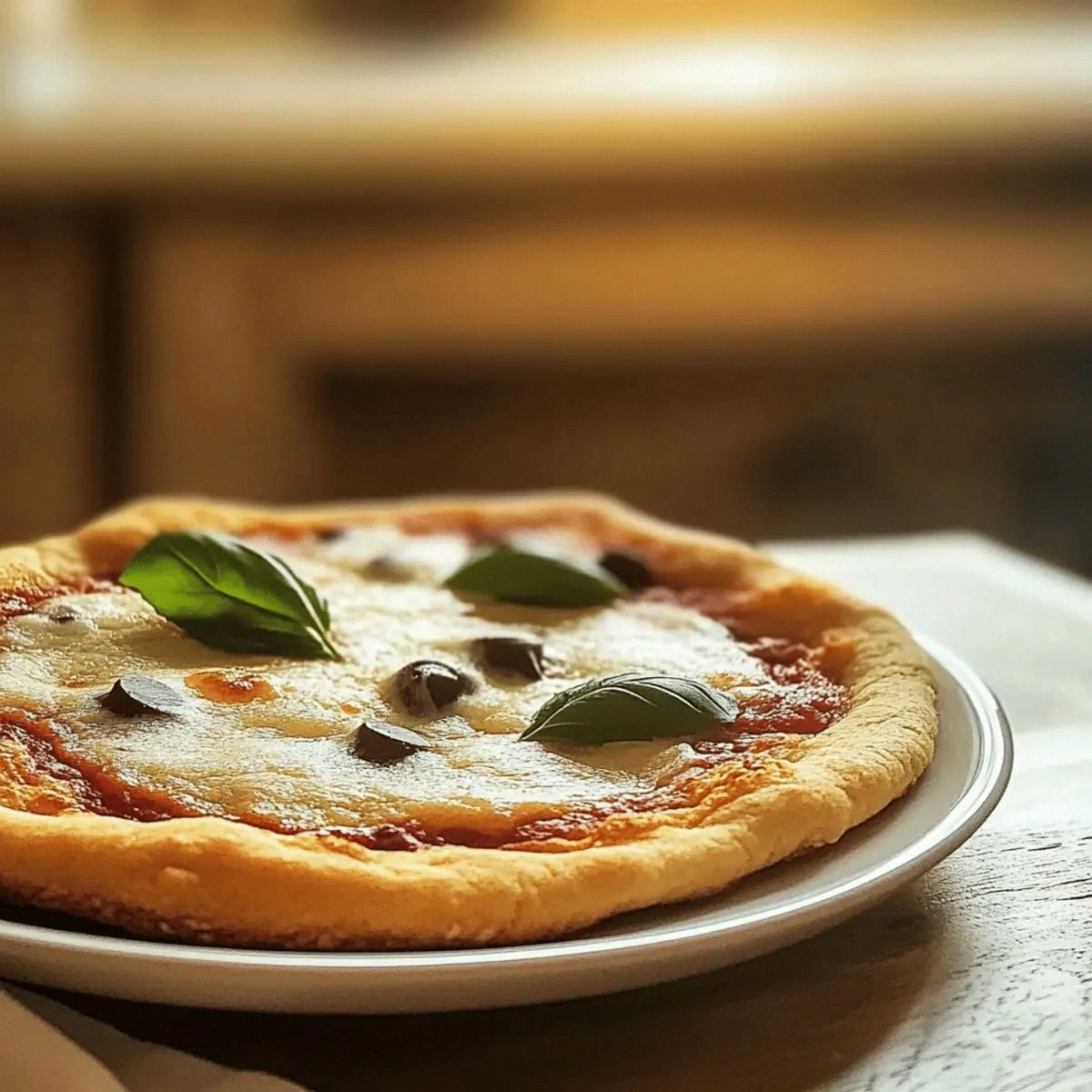
The Method — Step by Step
In a large mixing bowl, whisk together the flour and salt until they are evenly combined. This aerates the flour and ensures the salt is distributed, preventing any pockets of salty surprise later. I like to do this with a fork to feel the texture change from powdery to slightly gritty.
Once combined, create a well in the center—think of a small crater waiting for a volcanic eruption.
In a separate cup, dissolve the active dry yeast and honey (or sugar) in the warm water. Stir gently until the yeast looks like a frothy cloud; this should take about 5 minutes. If after a few minutes you don’t see any bubbles, the water might be too hot or the yeast dead—don’t panic, just start over with fresh yeast.
Pour the yeast‑water mixture into the flour well, then drizzle the olive oil over the top. Using a sturdy wooden spoon, fold the flour into the liquid, coaxing it to form a shaggy dough. At this stage the dough will look messy, but trust the process—it’s the beginning of gluten development.
Turn the dough out onto a lightly floured surface and knead for 8‑10 minutes. The dough should become smooth, elastic, and slightly tacky to the touch. If it sticks excessively, sprinkle a whisper of flour; if it feels too dry, wet your hands lightly and continue.
A good test: press a finger into the dough; the indentation should slowly spring back, like a well‑tuned mattress.
Shape the dough into a smooth ball, place it in a lightly oiled bowl, and cover with plastic wrap or a damp towel. Let it rise at room temperature for 1‑2 hours, or until it has doubled in size. This first rise is where the magic happens—your kitchen will start to smell faintly sweet and yeasty.
After the bulk rise, gently deflate the dough and divide it into 4 equal portions. Roll each portion into a tight ball, then dust with a little flour and place them on a tray. Cover again and refrigerate for at least 12 hours, up to 72 hours. This cold fermentation deepens flavor and makes the dough easier to stretch.
When you’re ready to bake, preheat your oven to its maximum setting—ideally 500°F (260°C) with a pizza stone on the middle rack. Let the stone heat for at least 30 minutes; the heat retention is crucial for that blistered crust.
While the oven heats, take a dough ball, let it rest at room temperature for 20 minutes, then gently stretch it on a well‑floured surface. Avoid using a rolling pin; the goal is to keep those airy bubbles intact.
Transfer the stretched dough onto a parchment‑lined peel, brush lightly with olive oil, and sprinkle a pinch of dried herbs if you like. Slide the dough onto the hot stone and bake for 7‑10 minutes, or until the edges are charred and the base is golden with leopard‑spot bubbles.
That sizzle when it hits the stone? Absolute perfection. Pull it out, let it rest a minute, then top with your favorite sauce and toppings.
That's it — you did it. But hold on, I've got a few more tricks that'll take this to another level. Stay tuned for the insider tips that will turn a good pizza into a legendary one.
Insider Tricks for Flawless Results
The Temperature Rule Nobody Follows
Never bake a pizza dough that’s cold straight from the fridge. Let it sit at room temperature for at least 20 minutes after you pull it out; this prevents the crust from shrinking and ensures even expansion. I once tried to skip this step and ended up with a dough that curled like a tortilla—no one wants that.
Why Your Nose Knows Best
During the bulk rise, trust your sense of smell more than the clock. When the dough starts to give off a sweet, slightly alcoholic aroma, it’s ready to move on. If it still smells like raw flour, give it a few more minutes; patience pays off in flavor.
The 5‑Minute Rest That Changes Everything
After you shape each ball, give it a quick 5‑minute rest before stretching. This short pause relaxes the gluten, making it easier to stretch without tearing. A friend tried to go straight from the fridge to the peel and ended up with a dough that snapped like a brittle twig—let’s just say the pizza never made it past the kitchen.
Steam Is Your Secret Weapon
If you love an ultra‑crisp bottom, toss a few ice cubes onto the oven floor just as you slide the pizza in. The sudden burst of steam creates a thin barrier that delays the crust’s hardening, allowing it to expand fully before it crisps. It’s a trick bakers use for artisan breads and works wonders for pizza too.
Herb‑Infused Oil Finish
After baking, brush the crust with a mixture of olive oil, minced garlic, and a dash of dried herbs. This adds a glossy finish and a burst of aromatic flavor that makes the crust taste like it’s been kissed by the Mediterranean sea breeze.
Creative Twists and Variations
This recipe is a playground. Here are some of my favorite ways to switch things up:
White‑Cheese Garlic Bliss
Swap the honey for a tablespoon of grated Parmesan in the dough, and brush the baked crust with a garlic‑butter blend. The result is a buttery, cheesy edge that pairs perfectly with a simple arugula topping.
Spicy Sourdough Fusion
Replace half of the flour with sourdough starter and add a pinch of red‑pepper flakes to the dough. The tangy sour notes and subtle heat turn the base into a bold canvas for charred vegetables.
Herb‑Infused Olive Oil Dough
Add a tablespoon of herb‑infused olive oil (basil or rosemary) directly into the dough mixture. This infuses the crust with an herbaceous perfume that makes every bite feel like a garden stroll.
Whole‑Wheat Health Boost
Swap 25% of the all‑purpose flour for whole‑wheat flour and increase the water by 2‑3 tablespoons. You’ll get a nuttier flavor and a slightly denser crumb—great for a wholesome, rustic pizza.
Sweet Dessert Pizza
Leave out the salt, double the honey, and after baking, top the crust with mascarpone, fresh berries, and a drizzle of balsamic reduction. It’s a dessert that feels like a celebration in every bite.
Storing and Bringing It Back to Life
Fridge Storage
Place the dough balls in a lightly oiled container, cover tightly, and store in the refrigerator for up to 72 hours. The cold slows yeast activity but continues flavor development, making each day a little richer.
Freezer Friendly
If you want to keep dough longer, freeze the balls after the first rise. Wrap each tightly in plastic wrap, then place in a freezer bag. Thaw overnight in the fridge, let them come to room temperature for 30 minutes, and you’re ready to bake.
Best Reheating Method
When reheating a leftover slice, preheat a skillet over medium heat, add a tiny splash of water, and cover for 2‑3 minutes. The steam revives the crust’s crunch while keeping the interior soft. No microwave mushiness here.