I’ll be honest — the first time I tried to make a classic bread pudding, I ended up with a soggy, flavor‑less mess that could have been used as a paperweight. I was half‑heartedly daring a friend to “taste this and not go back for seconds,” and we both laughed at the disaster. Then, after a frantic night of Googling, a frantic call to my grandma (who swears by her secret dairy blend), and a daring splash of dark chocolate, I finally cracked the code. The result? A dish that makes the kitchen smell like a bakery on a rainy Sunday, with a texture that’s simultaneously custardy and buttery, and a chocolate‑cream‑cheese swirl that could convince even the most stubborn health‑conscious eater to indulge.
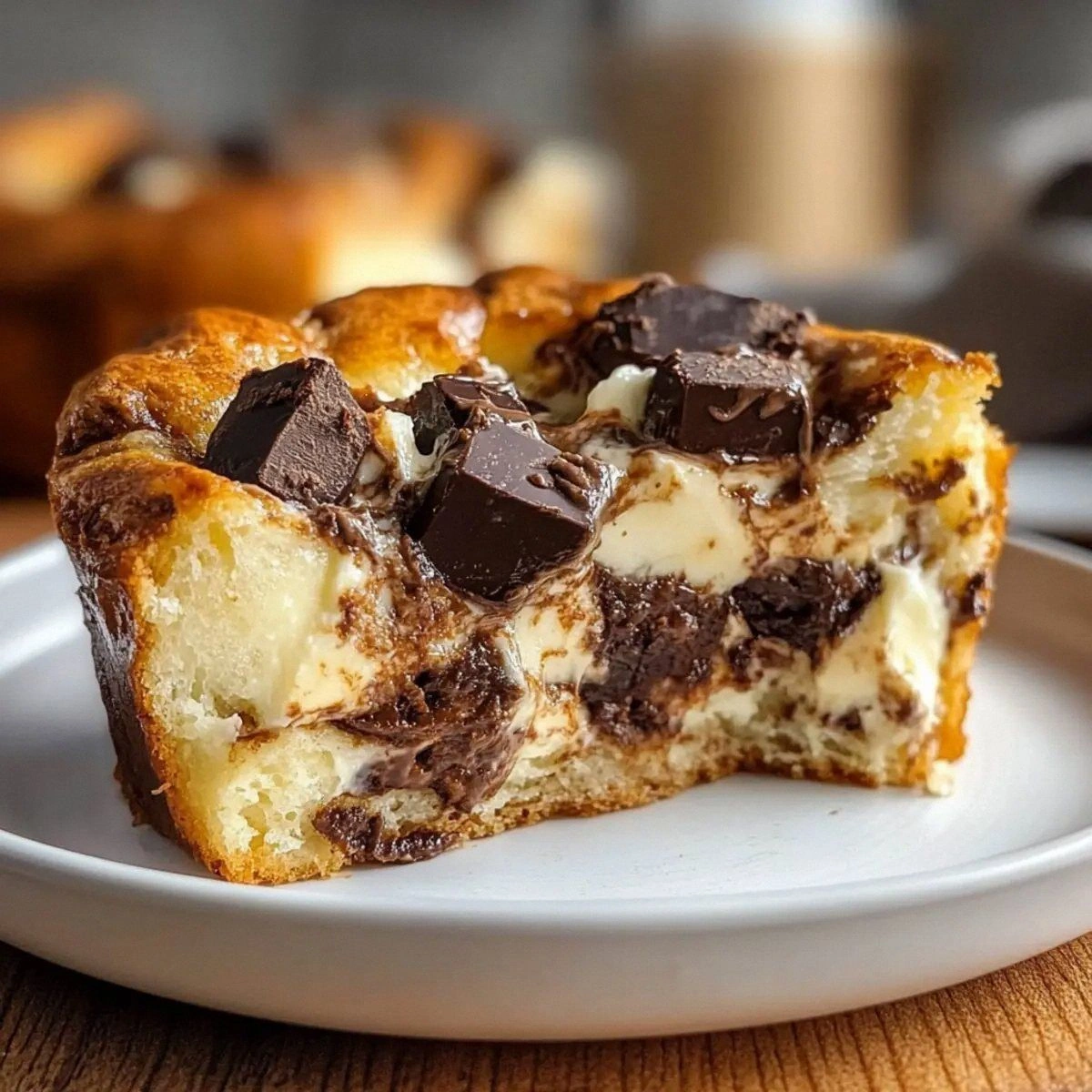
Picture yourself pulling this out of the oven, the whole kitchen smelling incredible, the top shimmering with a caramelized crust that cracks like thin ice when you tap it with a fork. The first bite is a revelation: the sweet, buttery brioche absorbs a silky custard, while pockets of molten dark chocolate burst like fireworks, and the tangy cream cheese adds a subtle zing that balances the sugar. You’ll hear the soft sigh of the spoon as it slides through the pudding, and you’ll feel the warm, comforting weight of the dish in your hands. This isn’t just a dessert; it’s a full‑on sensory experience that turns a humble leftover‑bread scenario into a celebration.
Most recipes get this completely wrong. They either drown the bread in a watery custard, or they overload it with sugar and lose the delicate balance that makes a bread pudding unforgettable. What makes this version stand out is the marriage of three luxurious components: a rich custard made with whole milk and heavy cream, a generous swirl of cream cheese that adds a tangy creaminess, and dark chocolate chunks that melt into pockets of pure bliss. The secret technique? A quick toast of the bread slices before they meet the custard, which creates a toasty backbone that prevents sogginess and gives you that coveted “edge that pulls away” look when it’s done.
I dare you to taste this and not go back for seconds. This is hands down the best version you’ll ever make at home, and I’m about to walk you through every single step — by the end, you’ll wonder how you ever made it any other way. Okay, ready for the game‑changer? Let’s dive in.
What Makes This Version Stand Out
- Flavor Explosion: Dark chocolate mingles with tangy cream cheese, creating a depth that feels like a dessert and a cheese board rolled into one.
- Texture Harmony: The custard is silk‑smooth while the toasted bread edges stay firm, giving you that perfect bite‑contrast.
- Simplicity: Only nine ingredients, all pantry‑friendly, yet the result feels like a five‑star restaurant dish.
- Ingredient Quality: Using real brioche (or challah) and full‑fat dairy makes the pudding richer without any artificial boosters.
- Crowd Reaction: Guests often ask for seconds before the first plate is even finished — a true party‑pleaser.
- Make‑Ahead Potential: Assemble the night before, refrigerate, and bake fresh in the morning for a stress‑free brunch.
- Cooking Method: The brief toast before soaking locks in flavor and prevents the dreaded soggy bottom.
- Versatility: Swap chocolate for caramel or berries for a seasonal twist without compromising the core.
Inside the Ingredient List
The Flavor Base
Whole milk and heavy cream are the backbone of any custard that aims for richness. The milk provides a creamy canvas, while the heavy cream adds that luxurious mouthfeel that makes you think, “Is this really a pudding or a dessert‑like sauce?” If you skim the cream, the pudding will feel thin and the chocolate won’t cling as well. For a dairy‑free twist, try a blend of coconut milk and oat cream, but expect a subtle coconut aftertaste that can be delightful if you love tropical notes.
The Texture Crew
Eight slices of sweet bread—brioche or challah—are non‑negotiable. Their buttery crumb absorbs the custard without disintegrating, creating that perfect “soft‑but‑not‑soggy” bite. If you’re using store‑bought white bread, toast it lightly and brush with melted butter to mimic the richness. Skipping the toast step leads to a mush that feels more like a soaked sponge cake, which is not the goal here.
The Unexpected Star
Cream cheese might seem out of place in a sweet dish, but its slight tang cuts through the sweetness, balancing the sugar and chocolate. It also adds a velvety body that makes each forkful feel like a cheesecake‑infused dream. If you’re lactose‑intolerant, a high‑quality plant‑based cream cheese works, though the texture will be a shade lighter.
The Final Flourish
Dark chocolate chunks or chips are the crown jewels. The higher the cocoa percentage, the more bitter contrast you get, which prevents the pudding from becoming cloyingly sweet. If you love a sweeter profile, opt for semi‑sweet chips, but remember that the bitterness is what makes the dessert feel sophisticated. A quick tip: melt a third of the chocolate and swirl it into the custard before folding in the remaining chunks for a marbled effect.
Everything's prepped? Good. Let’s get into the real action…
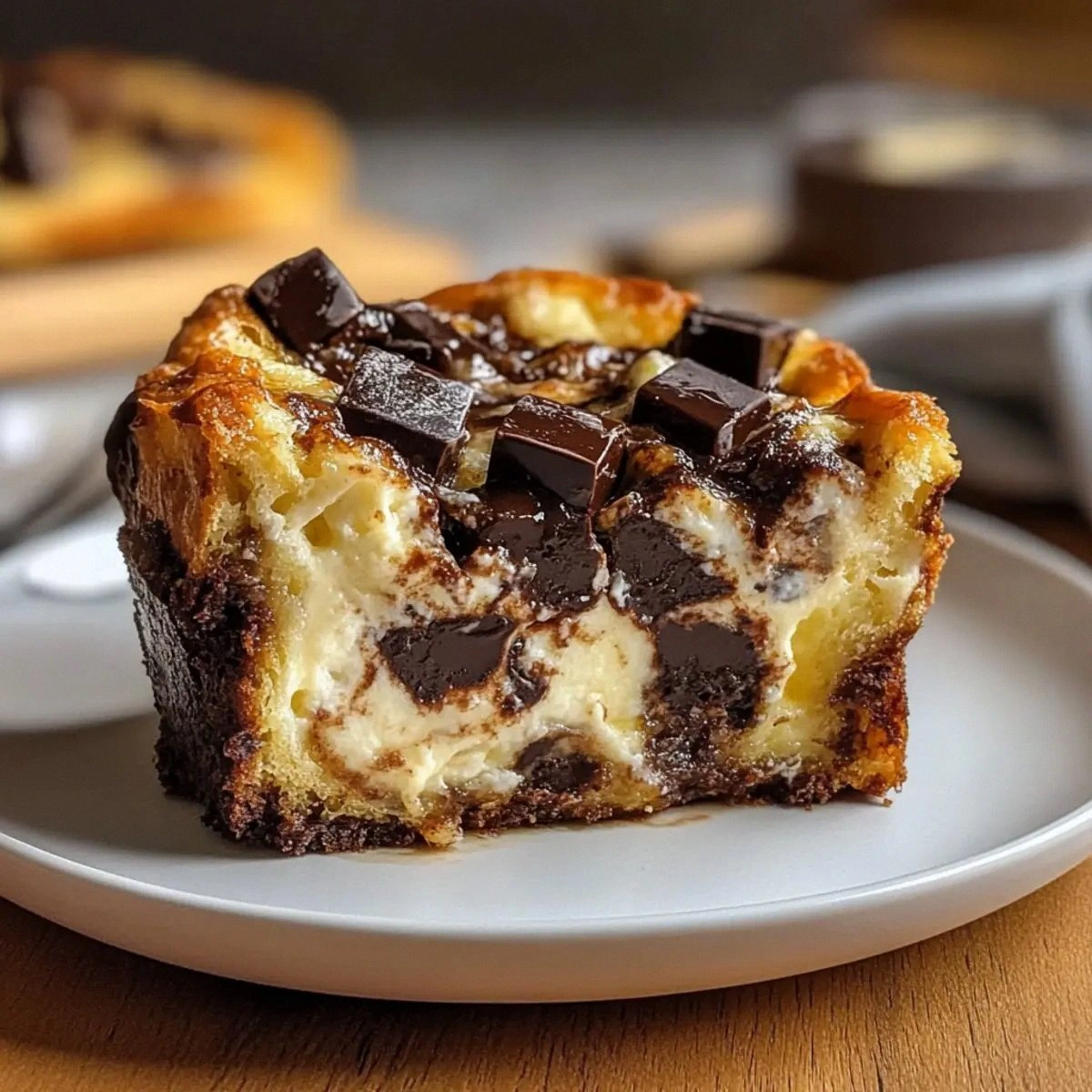
The Method — Step by Step
Preheat your oven to 350°F (175°C). While the oven warms, line a 9‑inch square baking dish with parchment paper. This prevents sticking and makes cleanup a breeze. The moment the oven clicks, you’ll hear a faint hum that signals “good things are about to happen.”
Slice the sweet bread into 1‑inch cubes. If you’re using a fresh loaf, toast the cubes on a hot skillet with a dab of butter for about 30 seconds per side until they’re lightly golden. That sizzle when it hits the pan? Absolute perfection. This step builds a toasty crust that will later keep the custard from turning mushy.
Kitchen Hack: If you’re short on time, spread the cubes on a baking sheet and toast under the broiler for 2‑3 minutes, turning once.In a large mixing bowl, whisk together 4 large eggs, 1 cup granulated sugar, 1 teaspoon vanilla extract, and 1/2 teaspoon salt until the mixture is pale and slightly thickened. This is the backbone of your custard, and the whisking incorporates air, ensuring a light texture. If you notice any specks of egg white, keep whisking until the mixture is uniformly smooth.
Warm 2 cups whole milk and 1 cup heavy cream together in a saucepan over medium heat until just below a boil; you should see tiny bubbles forming around the edges. Remove from heat and slowly pour the hot dairy into the egg‑sugar mixture while whisking constantly. This tempering technique prevents the eggs from scrambling and creates a silky custard base.
Add 8 oz softened cream cheese to the custard, whisking until fully incorporated. The cream cheese will melt into the mixture, forming a luxurious, tangy ribbon throughout. If any lumps persist, use a hand‑held immersion blender for a few seconds—this is pure magic.
Fold the toasted bread cubes into the custard, ensuring each piece is drenched. Let the mixture sit for 5 minutes; this allows the bread to absorb the custard without becoming soggy. Then, gently fold in 1 cup dark chocolate chunks, reserving a handful for topping.
Watch Out: Over‑mixing at this stage can break down the bread cubes, leading to a mushy texture. Fold gently.Transfer the mixture to the prepared baking dish, smoothing the top with a spatula. Sprinkle the reserved chocolate chunks evenly over the surface. For an extra caramelized finish, dot the top with small pats of butter (about 1 tablespoon total).
Place the dish on the middle rack of the preheated oven and bake for 30‑35 minutes. You’ll know it’s done when the edges pull away slightly from the pan and the top is a deep golden brown with a faint crackle. If you insert a toothpick into the center, it should come out clean or with just a few custard crumbs clinging.
Remove the pudding from the oven and let it rest for 10 minutes before serving. This rest period allows the custard to set, making slicing easier and giving the flavors a chance to marry. Serve warm, optionally with a dollop of whipped cream or a drizzle of caramel sauce. That moment when the fork slides through and the chocolate oozes? Pure bliss.
That's it — you did it. But hold on, I've got a few more tricks that'll take this to another level…
Insider Tricks for Flawless Results
The Temperature Rule Nobody Follows
Never bake a custard‑based dish at a temperature higher than 350°F. Higher heat causes the proteins in the eggs to coagulate too quickly, resulting in a curdled texture. Keep the oven at a steady 350°F and use an oven thermometer to verify accuracy; many ovens run hotter than their dial suggests. I once tried 375°F to speed things up, and the pudding turned into a rubbery slab. Trust the low‑and‑slow approach, and you’ll get that buttery melt‑in‑your‑mouth feel every time.
Why Your Nose Knows Best
Your sense of smell is a better indicator of doneness than a timer. Around the 25‑minute mark, start listening for that subtle caramel aroma wafting from the oven. When the scent deepens into a toasty, almost nutty perfume, the pudding is nearing perfection. If you rely solely on the clock, you risk over‑baking, which dries out the custard. Trust your nose, and you’ll never miss the sweet spot.
The 5‑Minute Rest That Changes Everything
Allowing the pudding to sit for five minutes after baking is crucial. This short rest lets the custard finish setting and the chocolate re‑solidify slightly, making each slice clean and tidy. Skipping this step often results in a puddle of molten chocolate spilling over the plate. A friend tried to serve it straight out of the oven once — let’s just say the floor got a chocolate makeover.
Butter‑Brushed Crust
A light brush of melted butter on the top during the final 5 minutes creates a glossy, caramelized crust that crackles delightfully when you cut into it. It also adds a subtle buttery flavor that complements the chocolate and cream cheese. If you’re watching calories, you can skip this, but you’ll miss out on that signature “crackle” that makes the pudding Instagram‑ready.
Cool‑Down Flip
If you’re serving a crowd, consider flipping the pudding onto a serving platter while it’s still warm. This creates a beautiful, slightly caramelized underside that adds visual drama. It’s a trick I learned from a French pâtissier, and it never fails to impress. Just be gentle; the pudding is delicate, but the crust holds up well if you use a wide spatula.
Creative Twists and Variations
This recipe is a playground. Here are some of my favorite ways to switch things up:
Berry Burst
Swap the dark chocolate for 1 cup of fresh mixed berries (blueberries, raspberries, blackberries). The berries add a bright acidity that balances the richness, and they burst into juicy pockets when baked. Perfect for spring brunches.
Caramel Swirl
Drizzle ½ cup of homemade caramel sauce into the custard before folding in the bread. The caramel creates ribbons of gooey sweetness that complement the chocolate and cream cheese beautifully. Ideal for a cozy winter dessert.
Nutty Crunch
Add ½ cup toasted chopped pecans or walnuts to the mixture for an added crunch. The nuts introduce a buttery, earthy note that pairs nicely with the chocolate. Just be mindful of allergies.
Spiced Autumn
Incorporate ½ teaspoon ground cinnamon, ¼ teaspoon nutmeg, and a pinch of clove into the custard. This warm spice blend evokes autumn evenings and pairs wonderfully with a drizzle of maple syrup.
Vegan Velvet
Replace the dairy with coconut milk (full‑fat) and a plant‑based cream cheese. Use a flax‑egg mixture (1 tbsp ground flaxseed + 3 tbsp water per egg) to bind. The result is a dairy‑free version that still boasts that luxurious mouthfeel.
Storing and Bringing It Back to Life
Fridge Storage
Allow the pudding to cool completely, then cover tightly with plastic wrap or a reusable lid. It will keep in the refrigerator for up to 3 days. Reheat individual slices in the microwave for 30‑45 seconds, or warm the whole dish in a 300°F oven for 10 minutes, adding a splash of milk if it looks dry.
Freezer Friendly
Wrap the cooled, uncut pudding tightly in foil, then place it in a freezer‑safe bag. It freezes beautifully for up to 2 months. To serve, thaw overnight in the fridge, then reheat as described above. Adding a tiny splash of water before reheating helps restore the custard’s silkiness.
Best Reheating Method
For the crispiest crust, reheat in a preheated 325°F oven on a baking sheet for 12‑15 minutes. If you prefer a softer interior, cover the dish loosely with foil during the first half of reheating. This dual‑method ensures the top stays golden while the middle stays creamy.