I still remember the night I burned dinner so badly that the smoke alarm became my dinner bell. My best friend had bet me twenty bucks that I couldn't make cube steak taste like anything other than shoe leather, and I was determined to prove her wrong. What started as a kitchen disaster turned into the most magical, soul-warming casserole I've ever tasted — and now I'm sharing my victory with you. The smell of mushrooms and onions caramelizing in butter while rice soaks up beefy goodness will make your neighbors knock on your door asking what heaven you're cooking.
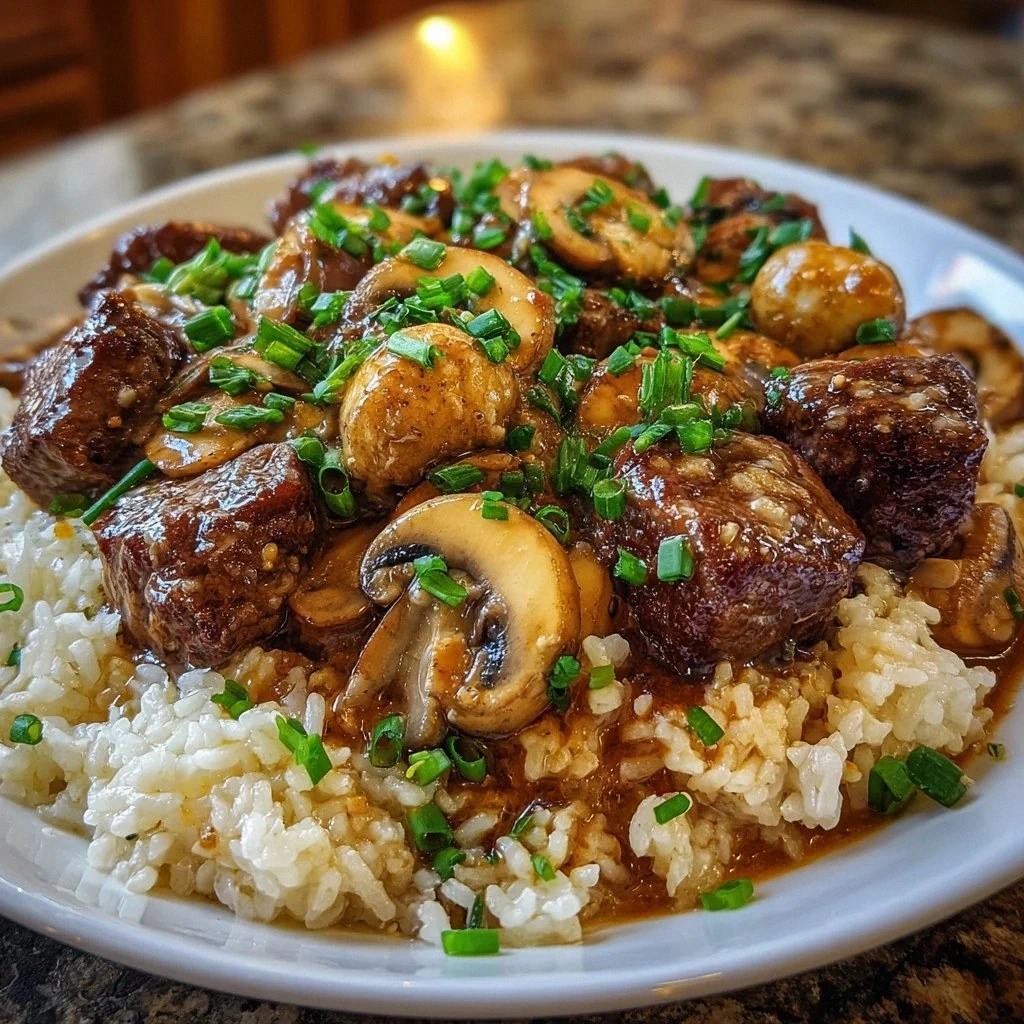
Picture this: tender cube steak that melts like butter, rice that's absorbed every ounce of savory flavor, and mushrooms that have given their all to create the most incredible sauce. This isn't just another casserole recipe floating around the internet. This is the one that made my notoriously picky nephew ask for seconds, then thirds, then the recipe for his college dorm. The magic happens when the French onion soup and beef consommé create this unctuous gravy that coats every grain of rice while the butter bastes everything in golden deliciousness.
Most recipes get this completely wrong by treating cube steak like a tough piece of meat that needs to be beaten into submission. Here's what actually works: we dice it into bite-sized pieces that become fork-tender during baking, letting the natural enzymes work their magic while surrounded by all that flavorful liquid. The result? Meat so tender you could cut it with a spoon, swimming in the most incredible mushroom gravy you've ever tasted. If you've ever struggled with tough cube steak, you're not alone — and I've got the fix that'll change your life.
Let me walk you through every single step — by the end, you'll wonder how you ever made it any other way. Trust me, once you taste this, you'll understand why I hid the leftovers in the back of my fridge and told my family it was gone. This is hands down the best version you'll ever make at home, and I'm about to show you exactly why your casserole game is about to level up in ways you never imagined.
What Makes This Version Stand Out
- Tender Transformation: Most people overcook cube steak until it resembles rubber, but our method turns it into velvet. The secret lies in cutting it small enough to let the slow baking process break down the fibers while it drinks up all that mushroom gravy.
- One-Pan Wonder: Everything bakes together in perfect harmony — no pre-cooking the rice, no browning the meat separately, no juggling multiple pans like a circus act. Just layer, pour, and let the oven work its magic while you binge your favorite show.
- Umami Bomb: The combination of French onion soup and beef consommé creates a depth of flavor that tastes like you spent hours making it from scratch. Your guests will swear you stood over the stove all day reducing stocks and sweating aromatics.
- Texture Paradise: You've got the tender meat, the fluffy rice, the silky sauce, and those little butter pools that create crispy edges around the perimeter of your baking dish. Every bite delivers a different combination of textures that keeps things interesting.
- Budget Hero: Cube steak costs a fraction of what you'd pay for sirloin or ribeye, but this preparation makes it taste like a million bucks. It's the kind of meal that stretches your grocery budget without anyone feeling deprived.
- Make-Ahead Champion: Assemble it the night before and pop it in the oven when you get home from work. It actually tastes better the next day as the flavors meld together, making leftovers something to celebrate rather than endure.
- Crowd Psychology: There's something about a bubbling casserole that makes everyone feel taken care of. Bring this to a potluck and watch people hover around the dish, going back for thirds before they've even finished their first helping.
Alright, let's break down exactly what goes into this masterpiece...
Inside the Ingredient List
The Flavor Base
Cube steak is the unsung hero of budget-friendly proteins, and when you dice it properly, it becomes the star of the show. Those little indentations from the tenderizing process aren't just for show — they create pockets where the French onion soup can nestle and infuse every fiber with flavor. Skip the cube steak and you'll have a completely different dish that lacks the hearty, beefy backbone that makes this casserole so satisfying. If you absolutely must substitute, go with top sirloin cut small, but you'll miss that characteristic texture that cube steak brings to the party.
French onion soup from a can might seem like cheating, but it's your flavor foundation that would take hours to replicate from scratch. The caramelized onions swimming in that savory broth bring sweetness and depth that transforms our humble ingredients into something restaurant-worthy. Don't even think about using cream of mushroom soup here — it would muddy the flavors and create a gloopy mess that bears no resemblance to our silky sauce. If you're feeling fancy, you can certainly caramelize your own onions, but honestly, the canned version tastes incredible and saves you from crying over the cutting board for twenty minutes.
The Texture Crew
Long-grain white rice acts like tiny sponges, soaking up all the liquid while maintaining their individual personalities instead of turning into mush. Brown rice works if you insist on the whole grain thing, but it needs an extra fifteen minutes in the oven and frankly, I think the texture gets a bit too chewy for this dish. The rice goes in completely uncooked — no pre-boiling, no par-cooking, no special treatment. It drinks up all those beefy flavors as it bakes, emerging fluffy and fragrant with just the right amount of bite.
Beef consommé might sound fancy, but it's just clarified beef broth that's been concentrated down to liquid gold. This stuff is what separates good cooks from great ones — it adds that indefinable richness that makes people ask what your secret ingredient is. You can use regular beef broth if that's all you have, but you'll want to reduce it by half first to concentrate the flavor. Trust me on this one — once you taste the difference consommé makes, you'll keep a few cans in your pantry at all times for culinary emergencies.
The Unexpected Star
Sliced mushrooms bring an earthy depth that plays beautifully against the sweet onions in our soup base. Fresh mushrooms give you that meaty bite and release their juices as they cook, creating even more flavor in the final dish. Canned mushrooms work in a pinch, but they're already cooked and won't give you that same textural contrast that makes this casserole so addictive. When selecting fresh mushrooms, look for ones that feel firm and smell like the forest after rain — avoid anything slimy or with dark spots.
Unsalted butter adds richness without making the dish too salty, since our canned soups already bring plenty of sodium to the party. Those little pats of butter melt into the rice, creating pockets of creamy goodness and helping the top get golden and slightly crispy around the edges. Don't substitute margarine here — you need real butter for the flavor compounds that make this dish taste like you spent way more time on it than you actually did. Plus, the milk solids in butter brown beautifully, adding nutty notes that complement the beef perfectly.
The Final Flourish
Chives or green onions aren't just garnish — they provide a fresh, bright contrast that cuts through all that richness like a squeeze of lemon on a heavy pasta dish. Sprinkle them on just before serving so they stay vibrant and crisp, adding color and a mild onion flavor that ties everything together. If you forget this step, the casserole will still taste amazing, but you'll miss that final pop of freshness that makes people close their eyes when they take the first bite. In summer, I sometimes add fresh thyme leaves instead, which brings a woodsy note that makes the whole dish taste like it came from a French country kitchen.
Everything's prepped? Good. Let's get into the real action...
The Method — Step by Step
- Preheat your oven to 350°F while you dice the cube steak into 1-inch pieces — not too small or they'll dry out, not too large or they won't cook through properly. The meat should still be slightly cold from the fridge, which makes it easier to cut cleanly without tearing. Take your time here because uniform pieces mean uniform cooking, and that's what separates good cooks from great ones. While you're at it, give your mushrooms a quick wipe with a damp paper towel and slice them about 1/4-inch thick so they maintain some texture during the long bake.
- Grease a 9x13-inch baking dish with butter, getting into all the corners so every grain of rice releases easily when you serve it. This isn't the time for cooking spray — real butter adds flavor and helps create those crispy edges that everyone fights over. Tilt the dish around so the butter coats evenly, then give the bottom a light sprinkle of salt and pepper. This tiny step seasons the rice that'll be touching the bottom of the pan and prevents any sticking disasters later.
- Scatter the diced cube steak evenly across the bottom of your prepared dish, making sure it's in a single layer without too much overlap. This ensures every piece gets equal access to the liquid and cooks evenly instead of some pieces being buried and overcooked while others stay tough. Give the meat a good seasoning with salt and pepper here — don't be shy, as some of the seasoning will end up in the rice. The meat should cover the bottom in a cozy blanket that'll slowly braise to perfection.
- Layer the sliced mushrooms over the meat, distributing them as evenly as possible so every bite will have that earthy mushroom flavor. If you're using canned mushrooms, drain them well and give them a quick rinse to remove that tinny flavor before adding them to the dish. The mushrooms will shrink as they release their moisture, so don't worry if it looks like a lot at first. They'll create little pockets of flavor that infuse the rice with umami goodness as everything bakes together.
- Pour the long-grain white rice over everything in an even layer, resisting the urge to stir it in — we want the rice on top where it can absorb the liquid gradually. Use your fingers to gently distribute it, breaking up any clumps so each grain can cook properly. The rice will look like it's way too much for the dish, but trust the process — it'll expand and create the perfect texture. This method prevents the bottom from getting mushy while the top stays perfectly fluffy.
- In a large measuring cup or bowl, whisk together the French onion soup and beef consommé until they're completely combined and smooth. This creates your braising liquid that'll transform everything in the dish from ordinary to extraordinary. The mixture should look rich and smell like the best French onion soup you've ever tasted. Pour this liquid gently over the rice, trying not to disturb the layers too much — think of it as giving everything a warm bath.
- Dot the top with pats of unsalted butter, spacing them out so they'll melt and create little pools of richness throughout the casserole. Don't skimp here — the butter helps the top get golden and crispy while adding incredible flavor to the rice. Cut the butter into about 8-10 pieces and distribute them evenly across the surface. As it bakes, the butter will melt and mingle with the other ingredients, creating pockets of pure indulgence.
- Cover the dish tightly with aluminum foil, crimping the edges to create a seal that'll trap all the steam and flavor inside. This creates a mini oven within your oven, allowing the rice to cook properly and the meat to become fork-tender. Make sure the foil doesn't touch the butter pieces — tent it slightly if needed by creating a dome with your hands. The sealed environment is crucial for getting that perfectly cooked rice without any crunchy bits.
- Bake for 1 hour and 15 minutes, then carefully remove the foil and let it bake for another 15 minutes to develop that golden top. The edges should be bubbling and the rice should have absorbed almost all the liquid, creating a creamy consistency. If it looks too dry, add a splash of water or broth, but be conservative — you can always add more, but you can't take it away. The rice should be tender but not mushy, and the meat should yield easily to a fork.
- Let the casserole rest for 10 minutes before serving — this allows the rice to finish absorbing any remaining liquid and makes it easier to serve. Sprinkle with freshly snipped chives or sliced green onions for that final pop of color and freshness. The resting time is crucial because it lets the flavors meld together and prevents you from burning your mouth on molten hot rice. Serve it up and watch as people go back for seconds, then thirds, then ask for the recipe.
That's it — you did it. But hold on, I've got a few more tricks that'll take this to another level...
Insider Tricks for Flawless Results
The Temperature Rule Nobody Follows
Most people crank up the heat thinking it'll cook faster, but low and slow is your friend here. 350°F might seem too gentle, but it's the sweet spot that allows the cube steak to break down gradually while the rice absorbs liquid at the perfect rate. Higher temperatures will give you tough meat and crunchy rice — trust me, I've tested this more times than I care to admit. The gentle heat also prevents the butter from burning, giving you those golden edges instead of bitter, blackened bits.
Why Your Nose Knows Best
Here's a secret: when you can smell the onions and beef wafting through your kitchen, you're about halfway done. That aroma means the flavors are developing and melding together into something magical. If you don't smell anything after 45 minutes, check that your oven is actually at the right temperature — ovens can be sneaky liars. I always set a timer for the first hour, but I also trust my nose to tell me when things are progressing nicely.
The 5-Minute Rest That Changes Everything
I know you're tempted to dig in immediately, but those five minutes of resting time are crucial for the perfect texture. The rice continues to absorb any remaining liquid, the flavors settle down and become more harmonious, and the temperature evens out so you don't get scorched by molten hot spots. A friend tried skipping this step once — let's just say she had to eat her dinner with a spoon because it was too soupy to serve properly. Patience pays off here, I promise.
The Butter Pool Strategy
Don't just throw butter on top randomly — think strategically about placement. Put smaller pats near the edges where they'll create those coveted crispy corners, and larger pieces in the center where they'll melt and create rich pools. The butter also helps prevent the top layer of rice from drying out, acting like a protective barrier. As it melts, it bastes everything underneath, creating layers of flavor that would make a French chef weep with joy.
Why Fresh Mushrooms Trump Canned
Fresh mushrooms release their moisture as they cook, adding to the sauce and creating better texture. Canned mushrooms are already cooked and packed in water, so they just heat up without contributing anything to the party. If you must use canned, drain them well and sauté them in butter first to remove excess moisture and concentrate their flavor. But seriously, fresh mushrooms cost maybe a dollar more and make such a difference that it's worth the extra effort.
Creative Twists and Variations
This recipe is a playground. Here are some of my favorite ways to switch things up:
The French Onion Upgrade
Add a layer of caramelized onions between the meat and mushrooms for an extra depth of flavor that'll make people think you spent hours in the kitchen. Cook them low and slow until they're mahogany brown and jammy, about 45 minutes on the stove. The natural sweetness balances the savory beef and creates those incredible French onion soup vibes throughout the whole dish. Top with crispy fried onions before serving for the full bistro experience.
The Wild Mushroom Remix
Swap out half the white mushrooms for a mix of cremini, shiitake, and oyster mushrooms for an earthier, more complex flavor profile. Each variety brings something different to the party — creminis add richness, shiitakes bring umami depth, and oyster mushrooms contribute a delicate texture. This variation turns a humble casserole into something worthy of a dinner party, especially if you finish it with a splash of sherry in the last 15 minutes of baking.
The Cheesy Comfort Version
Sprinkle a cup of shredded Gruyère or sharp white cheddar over the top during the last 15 minutes of uncovered baking. The cheese creates a golden, bubbling crust that adds another layer of richness and makes this feel like the world's most sophisticated mac and cheese. The nutty Gruyère pairs beautifully with the French onion soup base, while cheddar gives you that nostalgic comfort food vibe. Either way, you'll have people fighting over the crispy cheese edges.
The Herb Garden Variation
Add fresh herbs to the liquid mixture — thyme and rosemary work particularly well with the beef and mushrooms. Throw in a bay leaf or two, but remember to remove them before serving. Fresh parsley stirred in at the end brightens everything up, while a little fresh sage adds warmth and complexity. This version tastes like autumn in a dish, perfect for those crisp evenings when you want something cozy but not heavy.
The Spicy Southern Twist
Add a diced jalapeño and a teaspoon of Cajun seasoning to the liquid for a version with a kick that'll warm you up from the inside out. The spice plays beautifully against the rich, creamy rice, and the peppers add little pops of freshness throughout. This is my go-to when I'm feeding people who think they don't like casseroles — the spice level surprises them in the best way. Serve with extra hot sauce on the side for those who like to live dangerously.
The Breakfast-for-Dinner Edition
Add diced breakfast sausage and use cream of mushroom soup instead of French onion for a brunch-worthy version that'll have everyone asking for the recipe. The sausage adds smoky, savory notes that complement the mushrooms perfectly. Top with a fried egg when serving for the ultimate comfort food experience. This variation is particularly good for feeding a crowd after a late night — it's hearty enough to satisfy but familiar enough that even picky eaters will dig in.
Storing and Bringing It Back to Life
Fridge Storage
Store leftovers in an airtight container in the refrigerator for up to 4 days, though I dare you to make it last that long. The flavors actually improve after a day as everything melds together, making this one of those rare dishes that's better the second time around. Press plastic wrap directly against the surface before sealing the container to prevent the rice from drying out and forming that unpleasant crust. When properly stored, it reheats beautifully without becoming mushy or losing its texture.
Freezer Friendly
This casserole freezes like a dream for up to 3 months — perfect for meal prep or those nights when you can't even think about cooking. Portion it into individual servings before freezing so you can grab just what you need without thawing the whole batch. Wrap each portion in plastic wrap, then aluminum foil, and label with the date so you don't play freezer roulette in a few months. Thaw overnight in the refrigerator before reheating for best results, though you can microwave from frozen if you're desperate.
Best Reheating Method
Add a splash of water or broth before reheating to restore moisture and prevent the rice from drying out. Cover with a damp paper towel if microwaving, or add a few tablespoons of liquid and cover with foil if reheating in the oven. The goal is to steam it back to life rather than just heating it up, which keeps the rice fluffy and prevents it from turning into a rubbery mess. Add a tiny pat of butter on top before reheating for that fresh-from-the-oven taste that'll make you forget it's leftovers.