I was staring at my fridge one Sunday afternoon, feeling the familiar dread that comes with the “what’s for dinner?” dilemma. I had a couple of steaks, a bag of parsley, and a jar of red wine vinegar that had been collecting dust. I thought, “Why not try something that screams Argentine on the grill?” I pulled out my phone, opened a recipe app, and found a version of chimichurri that promised “the best ever.” I was skeptical—most chimichurri recipes feel like a vague, green sauce that never quite delivers. But I was ready for a culinary dare, so I decided to give it a shot. The moment I tossed the parsley into the blender, the kitchen filled with an earthy, herbaceous perfume that made my mouth water. I could almost hear the sizzling sound of steak hitting the hot pan, a promise of a crispy crust that shatters like thin ice. And there, in that moment, I knew I was about to rewrite my own steak‑night routine.
Fast forward to tonight, and the kitchen smells like a summer barbecue in full bloom. The steaks are seared to a deep, caramelized brown, and the chimichurri is bright, zesty, and laced with a subtle heat that tickles the palate. I dare you to taste this and not go back for seconds. If you’ve ever struggled to get that perfect crust or that herbaceous punch, you’re not alone—this is the fix you’ve been missing. The sauce coats the steak like velvet, but with a bite that keeps you coming back for more. Picture yourself pulling this out of the grill, the whole kitchen smelling incredible, and seeing your friends’ faces light up as they take their first bite. This is hands down the best version you’ll ever make at home, and I’m about to walk you through every single step—by the end, you’ll wonder how you ever made it any other way.
Before we dive into the step‑by‑step, let me share a quick confession: I ate half the batch before anyone else got a chance. The temptation was real, and the flavor was irresistible. I’ve spent countless hours tweaking recipes, but this one feels like a revelation. I’m confident you’ll feel the same when you finally taste the finished dish. So, grab your skillet, and let’s get cooking.
What Makes This Version Stand Out
- Flavor: The chimichurri balances bright acidity from red wine vinegar with the deep umami of olive oil, creating a sauce that’s both refreshing and richly savory.
- Texture: The finely minced herbs and garlic give the sauce a silky yet slightly chunky bite, ensuring each bite of steak is coated with a burst of flavor.
- Ease: No fancy equipment—just a blender or food processor, a skillet, and a handful of pantry staples. Perfect for the busy cook.
- Versatility: Works on any cut—ribeye, New York strip, or even a lean sirloin. The sauce adapts to the meat’s flavor profile.
- Crowd‑pleaser: The vibrant green color and bold taste make it a showstopper at dinner parties or family gatherings.
- Quality: Using fresh parsley and oregano instead of dried ensures a brighter, more authentic taste that stands out from mass‑produced sauces.
- Make‑ahead: The chimichurri can be prepared up to 48 hours in advance; the flavors actually deepen, making it convenient for meal prep.
- Healthful: Olive oil provides heart‑healthy monounsaturated fats, while the herbs add antioxidants and anti‑inflammatory compounds.
Alright, let's break down exactly what goes into this masterpiece...
Inside the Ingredient List
The Flavor Base
At the heart of this sauce is the classic blend of fresh parsley and oregano. Parsley brings a clean, slightly peppery note that lifts the dish, while oregano adds a subtle piney warmth. Together, they create a flavor foundation that’s unmistakably Argentine. If you’re traveling in the middle of winter and can’t find fresh herbs, a pinch of dried parsley and oregano works, but the sauce will lack that bright, fresh kick. The key is to use the freshest leaves you can find; even a week‑old batch will do, but the fresher, the better.
The Texture Crew
Garlic is the next essential player. Its sharp bite cuts through the richness of the steak and adds depth. I always use whole cloves, not minced, because they release a more mellow flavor when blended. If you’re sensitive to raw garlic, let the cloves sit for 10 minutes before blending; the flavor will mellow but still provide that essential punch. The final touch of red pepper flakes adds a gentle heat that balances the acidity and enhances the overall complexity.
The Unexpected Star
Extra virgin olive oil is the unsung hero of this sauce. It’s not just a cooking fat; it’s a flavor carrier, giving the sauce body and a silky mouthfeel. I use 1/3 cup because it’s enough to bind the ingredients without drowning the herbs. If you’re watching calories, swap it for a lighter olive oil or a splash of vegetable oil, but you’ll lose some of that buttery richness. The red wine vinegar is the acid that cuts through the meat’s fattiness, brightening the dish and preventing it from feeling greasy.
The Final Flourish
Salt and freshly ground black pepper are the finishing touches that bring everything together. Season the steaks before searing, and taste the sauce before serving; a pinch more salt can elevate the entire dish. Remember, salt is a flavor enhancer, not a seasoning. If you prefer a cleaner taste, use sea salt; for a more robust flavor, opt for kosher salt. The pepper adds a subtle heat that complements the red pepper flakes, creating a layered spice profile.
Everything's prepped? Good. Let's get into the real action...
The Method — Step by Step
- Step 1: Prepare the Chimichurri. Combine the parsley, oregano, garlic cloves, red pepper flakes, 1/3 cup extra virgin olive oil, 2 tbsp red wine vinegar, and a pinch of salt in a blender or food processor. Pulse until the mixture is finely minced but still slightly chunky. The goal is a uniform sauce that coats the steak without being a puree. If you prefer a smoother texture, blend for an additional 10 seconds, but keep a few herb fragments for bite. This step takes about 5 minutes, and the aroma alone will have you humming.
- Step 2: Season the Steaks. Pat the steaks dry with paper towels; moisture is the enemy of a good sear. Rub both sides with 2 tbsp olive oil, then season generously with salt and freshly ground black pepper. The oil helps the seasoning cling and creates a caramelized crust. I always season the steak at least 10 minutes before cooking to let the flavors penetrate. If you’re a fan of a more pronounced crust, let the steaks sit uncovered in the fridge for an hour.
- Step 3: Preheat the Skillet. Use a heavy‑bottomed skillet—cast iron or stainless steel works best. Heat it over medium‑high until a drop of water sizzles and evaporates instantly. A properly heated pan is critical for that beautiful sear. If you’re in a hurry, preheat for 3 minutes; if you’re meticulous, let it reach a steady, hot surface before adding the meat.
- Step 4: Sear the Steaks. Place the steaks in the pan, pressing them flat to ensure even contact. Let them sear for 3–4 minutes on one side before flipping. The edges should pull away from the pan, and you’ll hear that satisfying sizzle. Flip once; the second side needs only 2–3 minutes for medium‑rare. For medium, add an extra minute. The key is to avoid moving the steak too often; let the Maillard reaction work its magic.
- Step 5: Rest the Meat. Transfer the steaks to a cutting board and tent loosely with foil. Let them rest for 5 minutes; this allows the juices to redistribute, keeping the meat juicy. I always watch the timer—too short and the steak will be dry, too long and it’ll overcook. Resting is the secret that turns a good steak into a great one.
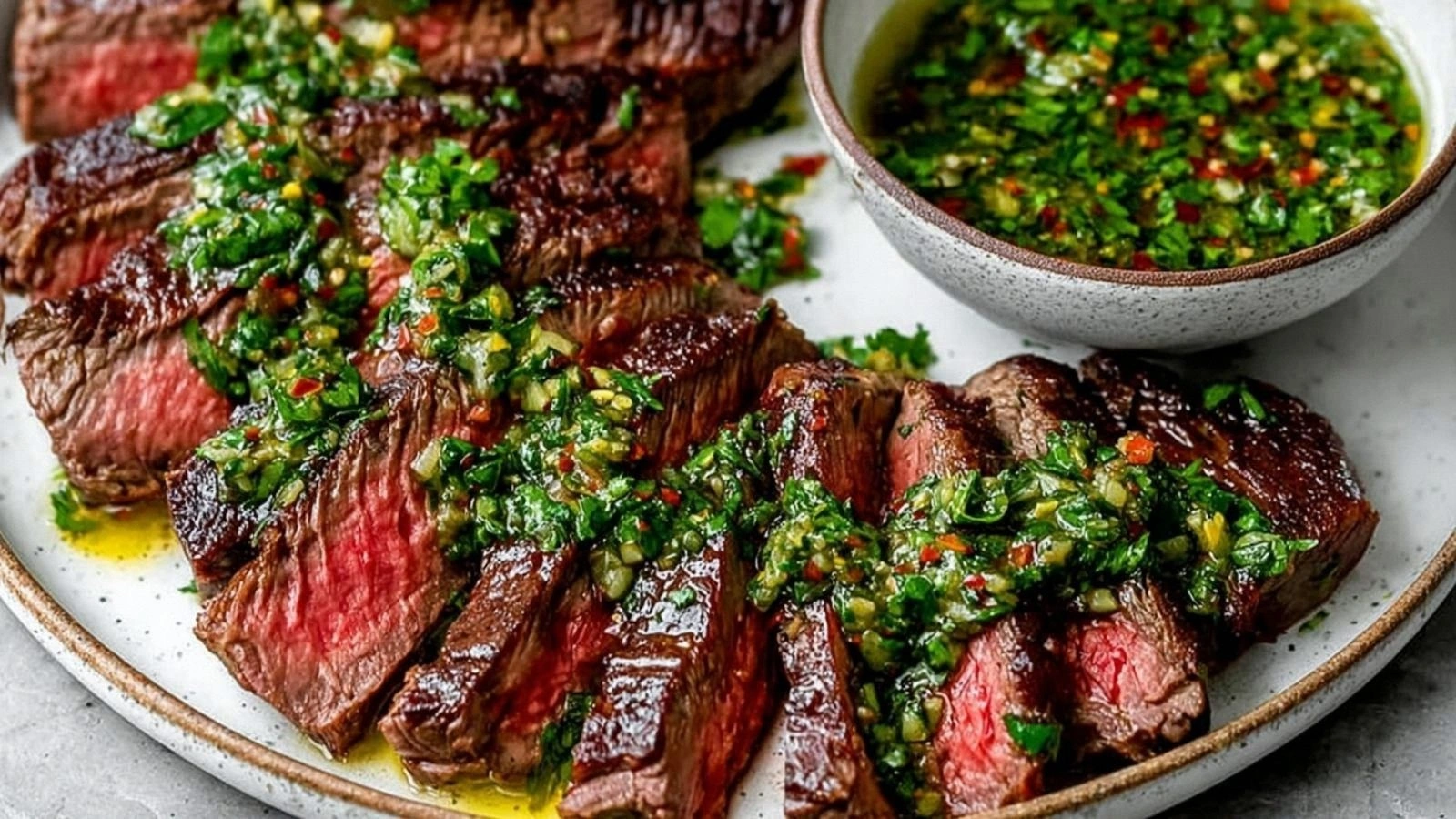
- Step 6: Plate and Finish. Slice the steak against the grain, then arrange on a warmed plate. Spoon a generous amount of chimichurri over the slices, allowing it to pool on the side. The sauce should glisten with a bright green sheen, and the steak should look perfectly seared. This is the moment of truth—watch the colors, listen to the sizzling, and trust your instincts.
- Step 7: Serve Immediately. Serve the steak with a side of roasted vegetables or a fresh salad. The bright acidity of the chimichurri cuts through the richness of the meat, creating a balanced plate. If you’re hosting, offer extra sauce on the side; guests will love the option to customize their bite.
That's it — you did it. But hold on, I've got a few more tricks that'll take this to another level. Let’s dig deeper into the nuances that make this dish truly unforgettable.
Insider Tricks for Flawless Results
The Temperature Rule Nobody Follows
Many cooks assume a quick sear is enough, but the steak’s internal temperature is the real metric. Use a meat thermometer: 125°F for rare, 135°F for medium‑rare, 145°F for medium. The steak will continue to cook slightly during the rest period, so remove it a few degrees shy of your target. I’ve learned that a consistent, high heat is key; a hot pan ensures a crisp crust while keeping the interior tender.
Why Your Nose Knows Best
The aroma of a steak cooking is a powerful cue. When the surface begins to brown and the scent of seared meat rises, you’re at the sweet spot. If you’re new to grilling, let the steak cook until the smell is unmistakably meaty, then flip. The smell is your best friend; trust it, and your steak will thank you.
The 5‑Minute Rest That Changes Everything
Resting the steak isn’t just a courtesy—it’s a science. During the rest, juices redistribute from the center to the edges, preventing them from spilling out when you cut. A 5‑minute rest is optimal for a 1‑inch steak; longer rests can overcook the surface. Keep the steak tented loosely with foil to retain heat without steaming it.
Use a Meat Thermometer
Invest in a digital instant‑read thermometer. It saves you from guessing and ensures you hit your desired doneness. Insert the probe into the thickest part of the steak; avoid bones or fat pockets. A quick read will give you confidence that your steak is cooked to perfection.
Don’t Skip the Rest
I once skipped the rest period to serve immediately. The steak was dry and the juices ran out on the cutting board. Lesson learned: the rest is non‑negotiable. It’s the difference between a steak that melts in your mouth and one that feels like a chew‑able slab.
Let the Sauce Rest Too
After blending the chimichurri, let it sit for 10 minutes before using. The flavors meld, and the herbs release their oils. If you’re prepping ahead, refrigerate the sauce; it actually tastes better the next day. When you’re ready to serve, give it a quick stir to re‑emulsify the oils.
Creative Twists and Variations
This recipe is a playground. Here are some of my favorite ways to switch things up:
Smoky Chimichurri
Add a teaspoon of smoked paprika or a splash of chipotle sauce to the blend. The result is a smoky, slightly sweet sauce that pairs wonderfully with a charcoal‑grilled steak.
Spicy Chipotle Chimichurri
Swap the red pepper flakes for fresh minced chipotle peppers. The smoky heat elevates the dish, making it perfect for a summer BBQ or a late‑night craving.
Herb‑Infused Oil
Infuse the extra virgin olive oil with fresh herbs for an extra layer of flavor. Warm the oil with a handful of oregano and parsley, then strain. Use this oil in the chimichurri for a richer, herbaceous profile.
Vegan Chimichurri
Replace the steak with a thick portobello mushroom or a grilled tofu slab. The chimichurri still shines, providing a vibrant, savory sauce that’s vegan‑friendly.
Garlic‑Infused Steak
Before searing, rub the steak with a slab of roasted garlic. The garlic will melt into the meat, complementing the chimichurri’s sharpness.
Roasted Vegetable Side
Serve the steak with a medley of roasted root vegetables. Their natural sweetness balances the herbaceous sauce, creating a harmonious plate.
Storing and Bringing It Back to Life
Fridge Storage
Store the chimichurri in an airtight container in the refrigerator for up to 48 hours. The flavors deepen, and the sauce remains vibrant. Keep the steak refrigerated in a sealed bag; it’s best eaten within 24 hours for optimal flavor and safety.
Freezer Friendly
Chimichurri freezes well—place it in a freezer‑safe container and it’ll keep for up to 3 months. Thaw overnight in the refrigerator before using. The steak can be frozen after searing; reheat in a skillet over low heat, adding a splash of water to keep it moist.
Best Reheating Method
When reheating, add a tiny splash of water or broth to the skillet to create steam. This keeps the steak juicy and prevents it from drying out. For the sauce, warm it gently in a saucepan or microwave, stirring occasionally to re‑emulsify the oils.