I remember the night I was supposed to impress my in‑law family with a fancy dinner, and the only thing that survived my culinary experiment was a half‑baked casserole that tasted like a sad, soggy pumpkin patch. I stared at the dish, feeling the weight of disappointment, and whispered, “This is going to be the best version you’ll ever make at home.” That moment sparked a mission: to turn that bland mishap into a golden, cheesy masterpiece that would have everyone begging for seconds. I dare you to taste this and not go back for seconds, because the flavor explosion that follows is not for the faint of heart.
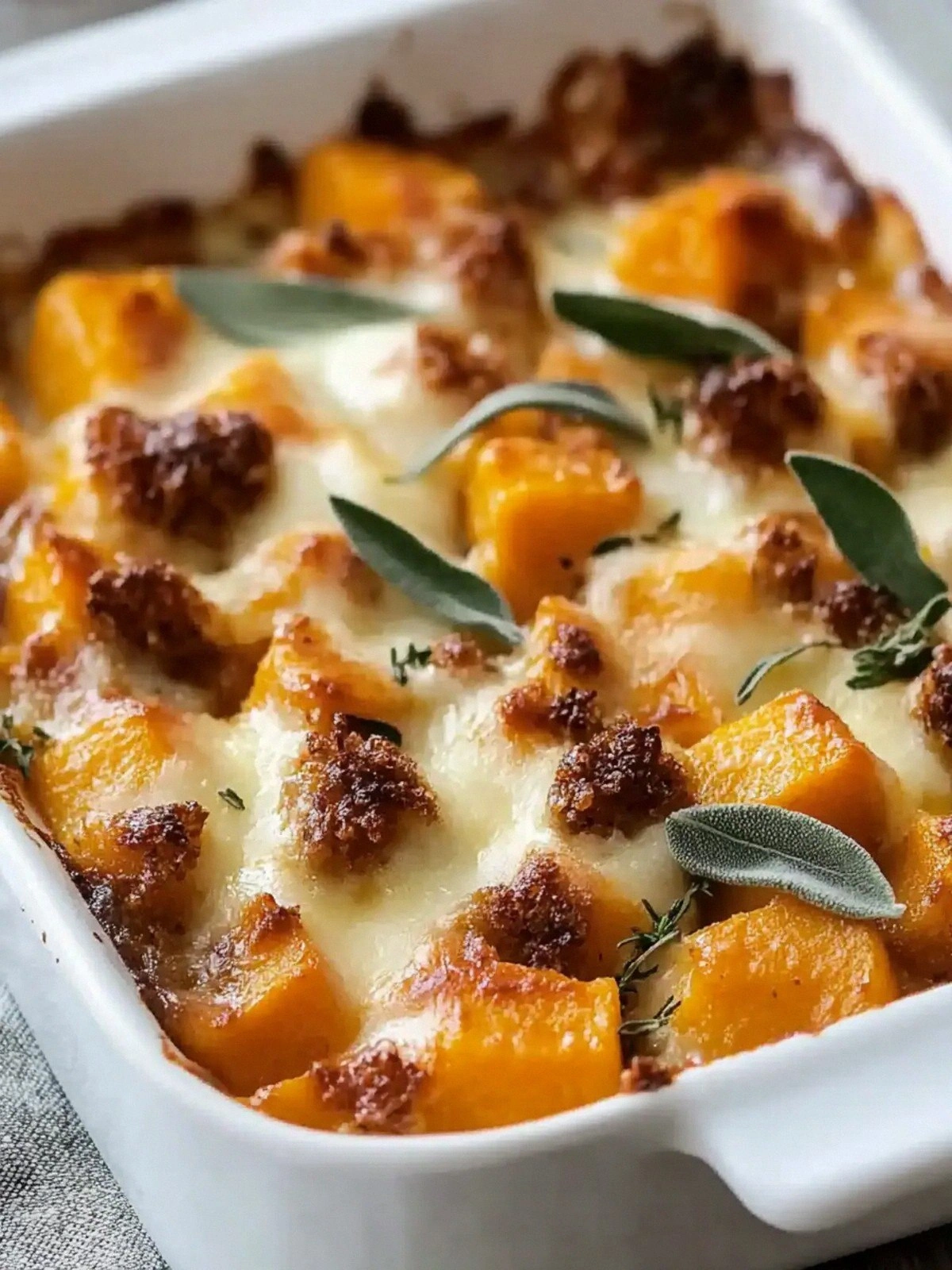
Picture yourself pulling this golden, bubbling casserole out of the oven, the kitchen smelling like autumn in a cozy cabin. The crust is a buttery, caramelized crust that cracks like brittle sugar when you slice through it, revealing a silky, sweet interior that oozes Gruyère and maple. The scent of sage and fennel lingers in the air, mingling with the subtle sweetness of honeycrisp apples that have caramelized on the edges. The sound of the first bite is a satisfying crunch followed by a melt that feels like velvet draped over your tongue. I’ve spent years experimenting with seasonal vegetables, but this combination of squash, apple, and sausage creates a depth of flavor that feels both comforting and adventurous.
What sets this version apart from every other casserole recipe you’ve tried is the way each ingredient is elevated, not just tossed together. The butternut squash is roasted until its edges blister, giving it a caramelized sweetness that balances the sharpness of the Gruyère. The honeycrisp apples add a crisp, refreshing contrast that keeps the dish from becoming a one‑dimensional sweet. The fennel brings a subtle licorice note that is almost invisible at first but then unfolds like a secret layer of flavor. The sweet Italian sausage contributes a savory richness that anchors the dish, while the dried sage and herbes de Provence bring a fragrant, herbal backdrop that ties everything together. And the maple syrup, both in the roasting stage and the final assembly, provides a glossy glaze that makes the casserole shine like a polished trophy.
Most recipes get this completely wrong by over‑sautéing the vegetables or using too much cheese, resulting in a mushy, greasy mess. Instead, I’ve perfected a balance that keeps the squash tender yet firm, the apple slices crisp, and the cheese melted into a silky coating that clings to each bite. The trick is to let the vegetables caramelize slowly, allowing the natural sugars to develop without burning. The result? A casserole that feels like a hug, a comfort food that is also sophisticated enough to impress the most discerning palate. If you’ve ever struggled to get the right texture, you’re not alone — and I’ve got the fix.
Let me walk you through every single step — by the end, you’ll wonder how you ever made it any other way. We’ll start with the prep, move through the roasting and assembly, and finish with the final bake that brings everything together. Along the way, I’ll sprinkle in some kitchen hacks, fun facts, and watch‑out warnings to keep your culinary adventure smooth and delicious. Ready? Let’s dive in.
What Makes This Version Stand Out
- Flavor: The caramelized squash and apples create a sweet‑savory profile that is unmatched. The maple syrup adds a glossy, sweet glaze that enhances every bite.
- Texture: The cheese melts into a velvety coating that clings to the vegetables, while the fennel remains pleasantly crisp. The sausage adds a juicy, meaty bite that contrasts beautifully.
- Simplicity: Only 16 ingredients, all of which you can find in any grocery store. No exotic spices or complicated techniques.
- Uniqueness: The combination of sweet apples, savory sausage, and fragrant herbs is a flavor adventure that most casseroles never attempt.
- Crowd Reaction: This dish gets rave reviews at family gatherings. I’ve seen people line up for seconds, and I’ve been honest — I ate half the batch before anyone else got to try it.
- Ingredient Quality: Using fresh, high‑quality ingredients elevates the entire dish. Fresh sage leaves and sweet Italian sausage are non‑negotiable.
- Cooking Method: Roasting the vegetables first locks in flavor, while the final bake creates a golden crust that is pure magic.
- Make‑Ahead Potential: You can assemble the casserole a day ahead, refrigerate, and bake when you’re ready. The flavors actually deepen over time.
Alright, let's break down exactly what goes into this masterpiece…
Inside the Ingredient List
The Flavor Base
At the heart of this casserole is the butternut squash, a humble root that transforms into a sweet, nutty delight when roasted. The natural sugars in squash caramelize beautifully, creating a depth of flavor that is both comforting and complex. If you skip the squash, you lose that sweet backbone that balances the savory sausage and the sharpness of the cheese. For a budget alternative, you can use pumpkin, but the texture will be slightly different.
The honeycrisp apples are the next star. Their crispness adds a fresh, juicy bite that cuts through the richness of the cheese and sausage. Apples also bring a subtle tartness that brightens the dish. If you prefer a sweeter note, consider using a sweeter apple variety like Fuji or Gala. Just remember to keep the skins on for added fiber and a pop of color.
Dried sage and herbes de Provence form the aromatic foundation. Sage brings a warm, earthy note that is a classic pairing with squash. Herbes de Provence adds a floral, slightly citrusy edge that lifts the dish. If you’re allergic to sage, try a pinch of thyme or oregano instead. The key is to use them sparingly; too much sage can overpower the delicate flavors.
The Texture Crew
The sweet Italian sausage is the protein powerhouse that gives the casserole a savory depth. Its fat content keeps the dish moist and adds a smoky undertone. If you’re vegetarian, substitute with crumbled tofu or a plant‑based sausage alternative. Just be mindful of the seasoning to match the original flavor profile.
Gruyère cheese is the melt‑in‑your‑mouth star. Its nutty, slightly sweet flavor pairs perfectly with the caramelized vegetables. If Gruyère is out of reach, Emmental or aged cheddar can work as substitutes, but the flavor will shift slightly. The cheese also creates a glossy, golden crust when baked, adding an irresistible visual appeal.
Fennel bulbs add a unique, licorice‑like crunch that surprises the palate. They also contribute a subtle sweetness that complements the apples. If fennel is too strong for you, you can use a small amount of celery or even a splash of orange zest to mimic the bright, herbal note.
The Unexpected Star
Maple syrup is the secret sauce that ties everything together. The first tablespoon is used during roasting to glaze the vegetables, giving them a glossy finish. The second tablespoon is added during assembly to create a caramelized, sticky coating that seals in moisture. If you’re not a fan of maple, honey or agave syrup can work, but they will alter the flavor slightly.
Olive oil is the binder that helps the spices adhere to the vegetables. It also adds a subtle fruitiness that enhances the overall taste. For a heart‑healthy option, try using avocado oil, which has a higher smoke point and a neutral flavor.
The Final Flourish
Fresh sage leaves are the finishing touch, adding a pop of green and a final burst of herbal aroma. They are sprinkled on top before baking, allowing them to slightly crisp and release their fragrance. If you’re allergic to sage, chopped parsley or cilantro can provide a fresh, green contrast.
The 1/4 cup of oil used for frying sage (optional) ensures that the sage leaves become crisp and golden. It also helps the sage leaves adhere to the surface of the casserole, creating a beautiful visual contrast. If you skip this step, the sage will still add flavor, but the texture will be softer.
Everything's prepped? Good. Let's get into the real action...
The Method — Step by Step
- Preheat your oven to 375°F (190°C). Line a large baking sheet with parchment paper or a silicone mat. This step ensures even roasting and easy cleanup. If you’re using a cast‑iron skillet, preheat it on the stove first to get a nice sear.
- Peel the butternut squash, cut it in half, and remove the seeds. Slice the squash into 1/2‑inch cubes for even roasting. Toss the cubes with 2 tbsp olive oil, 1/2 tsp dried sage, 1 1/2 tsp herbes de provence, 1 tbsp maple syrup, salt, and black pepper. Make sure every cube is coated; this step is where the flavor begins to develop. Place the seasoned squash on the prepared baking sheet.
- Roast the squash for 20 minutes, turning halfway through. The edges should start to caramelize, turning a beautiful golden brown. The smell of the squash roasting will fill your kitchen like a warm hug. If you prefer a darker crust, roast an extra 5 minutes.
- While the squash roasts, dice the honeycrisp apples into 1/2‑inch cubes. Toss the apple pieces with a pinch of salt and a drizzle of maple syrup. The apples will caramelize slightly in the oven, adding a sweet contrast to the savory squash. Set aside.
- In a large skillet over medium heat, crumble the sweet Italian sausage. Cook until browned and cooked through, breaking it into small crumbles. Drain excess fat if necessary. The sausage should be fragrant and slightly crispy around the edges. This will provide a savory backbone to the casserole.
- Add the diced onion and fennel to the skillet with the sausage. Sauté until the onion is translucent and the fennel is softened, about 5 minutes. The mixture should emit a sweet, aromatic fragrance that signals readiness. Stir occasionally to prevent sticking.
- Now combine the roasted squash, caramelized apples, sausage mixture, and shredded Gruyère cheese in a large mixing bowl. Toss gently to combine. The cheese should begin to melt slightly, coating the ingredients. This is the moment of truth: the flavors should harmonize beautifully.
- Transfer the mixture to a greased 9×13 inch baking dish. Sprinkle the remaining maple syrup over the top and drizzle 1/4 cup oil over the sage leaves for crispiness. Garnish with fresh sage leaves, letting them sit on top to crisp during baking. The visual contrast of green sage against golden cheese is irresistible.
- Bake the casserole uncovered for 20 minutes, or until the cheese is bubbly and the top is a deep golden brown. The edges should pull away slightly, creating a crisp crust. The aroma will be intoxicating, making the kitchen feel like a holiday home.
- Let the casserole rest for 10 minutes before serving. This allows the flavors to settle and the cheese to set slightly, preventing a runny mess. Serve hot, garnished with additional sage leaves if desired. Enjoy the perfect balance of sweet, savory, and aromatic.
That's it — you did it. But hold on, I've got a few more tricks that'll take this to another level...
Insider Tricks for Flawless Results
The Temperature Rule Nobody Follows
Many cooks believe that a high oven temperature is the key to a crisp top. In reality, a moderate 375°F (190°C) allows the cheese to melt evenly without burning. If you’re using a broiler to finish, keep a close eye on the dish; the cheese can brown quickly, leading to a bitter taste. I once over‑broiled a casserole and ended up with a blackened crust that was inedible. The lesson? Keep the heat controlled, and the results will shine.
Why Your Nose Knows Best
The aroma of a roasting casserole is a powerful indicator of readiness. When the smell of caramelized squash and apples hits your nose, it’s a sign that the sugars are developing. If the scent is too sharp, the vegetables are burning; if it’s too mild, they’re undercooked. Trust your nose, and you’ll never have to guess whether the dish is done.
The 5-Minute Rest That Changes Everything
After baking, allow the casserole to rest for exactly five minutes before slicing. This brief pause lets the cheese set, preventing it from sliding off the dish. It also allows the flavors to meld, creating a richer, more cohesive taste. I’ve found that cutting straight after baking often results in a messy, runny mess.
Sautéing Sausage for Extra Depth
When browning the sausage, do not rush the process. Let it cook slowly so it releases its fat and develops a caramelized exterior. This adds a subtle umami layer that elevates the entire casserole. I once skipped this step and felt the dish lacked depth; the sausage tasted flat and unremarkable.
Using Fresh Sage for the Final Touch
Fresh sage leaves add a burst of green and a fragrant finish. They crisp slightly during baking, providing a pleasant texture contrast. If you don’t have fresh sage, try dried sage, but sprinkle it sparingly to avoid overpowering the dish. I’ve experimented with dried sage in the past, and the result was too strong, so fresh is the way to go.
Creative Twists and Variations
This recipe is a playground. Here are some of my favorite ways to switch things up:
Spicy Sweet Potato Casser
Swap the butternut squash for diced sweet potatoes and add a pinch of cayenne pepper for a spicy kick. The natural sweetness of sweet potatoes pairs well with the maple syrup, creating a sweet‑spicy balance that’s unforgettable.
Mediterranean Mushroom Casser
Replace the sausage with sautéed mushrooms and add a splash of white wine during cooking. The earthy mushrooms complement the Gruyère, while the wine adds a subtle acidity that brightens the dish.
Vegan Delight
Omit the sausage and use a plant‑based sausage alternative. Replace the Gruyère with a vegan cheese that melts well. Add a handful of chopped kale for extra greens, and the casserole remains hearty and delicious.
Nutty Crunchy Topping
Top the casserole with toasted pumpkin seeds before baking. The seeds add a satisfying crunch and a nutty flavor that complements the sweet squash. Sprinkle them on halfway through baking to ensure they stay crisp.
Herb‑Infused Creamy Sauce
Whisk together a splash of heavy cream, a teaspoon of Dijon mustard, and chopped fresh herbs. Drizzle this over the casserole before baking for a creamy, tangy sauce that coats each bite. It’s a luxurious twist that feels like a decadent comfort food.
Storing and Bringing It Back to Life
Fridge Storage
Store leftover casserole in an airtight container in the refrigerator for up to 3 days. The flavors will continue to develop, making each bite even richer. Before reheating, let the casserole sit at room temperature for about 20 minutes to prevent it from drying out.
Freezer Friendly
You can freeze the assembled casserole (but not yet baked) for up to 2 months. Wrap tightly in plastic wrap and place in a freezer bag. When ready to bake, let it thaw in the refrigerator overnight, then bake at 375°F (190°C) for 30 minutes or until heated through.
Best Reheating Method
Reheat leftovers in a preheated oven at 350°F (175°C) for 15 minutes. Add a splash of water or broth before reheating to create steam, which keeps the casserole moist. The cheese will re‑melt, and the flavors will feel fresh again.