I was in the middle of a frantic Friday night dinner rush, juggling a half‑done lasagna, a pot of soup that had been simmering too long, and a stubborn craving that wouldn’t let me sleep. The kitchen was a blur of clanging pans and the sweet, sharp scent of garlic, but my mind was fixated on one thing: a creamy, aromatic Thai pumpkin curry that would turn my chaos into culinary triumph. The moment the red curry paste hit the pan, the air thickened with a spicy, earthy perfume that made my heart beat faster than the rhythm of my chopping block.
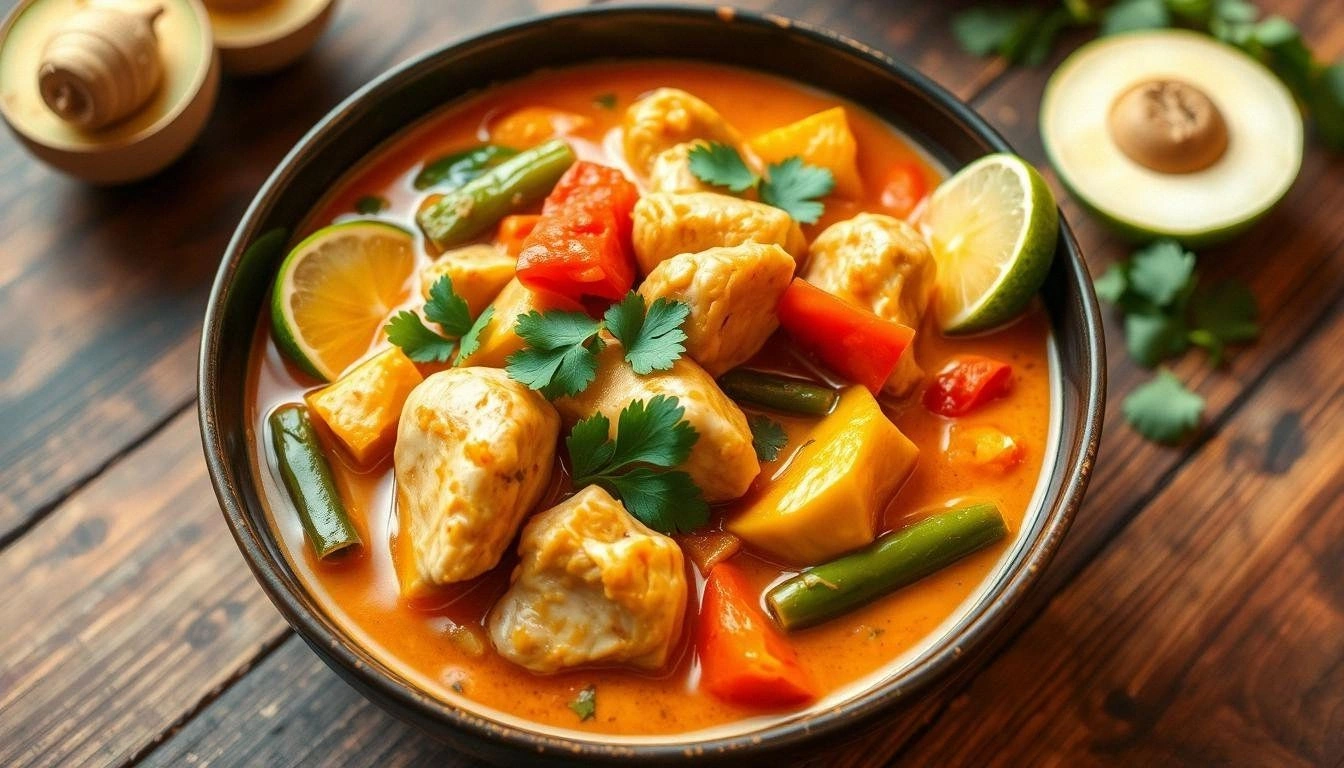
Picture this: a generous swirl of golden coconut milk, the bright orange of diced kabocha squash, the crisp snap of green beans, and the sweet whisper of carrots all dancing together in a fragrant broth that tastes like sunshine on a rainy day. The texture is a delicate balance—soft, tender pumpkin that melts into the sauce, while the vegetables retain a subtle crunch that keeps the dish from becoming a mushy mess. The sauce coats everything like velvet, and the lime juice at the end lifts the flavors with a bright, citrusy zing that lingers on the tongue. I dare you to taste this and not go back for seconds; it’s that addictive.
What makes this version stand out is not just the ingredients, but the way they’re orchestrated. I’ve taken the classic Thai pumpkin curry and elevated it with a few secret twists: using kabocha squash instead of the usual pumpkin for a sweeter, richer flavor; adding a splash of fish sauce early on to deepen the umami; and finishing with a generous squeeze of lime and a handful of fresh cilantro for that fresh, herby punch. It’s hands down the best version you’ll ever make at home because it balances heat, sweetness, and acidity in a single, harmonious bowl. If you’ve ever struggled with a curry that’s too thick or too bland, you’re not alone—and I’ve got the fix.
Picture yourself pulling this out of the pot, the whole kitchen smelling incredible, the steam curling like wisps of cloud. The aroma alone will have your guests lining up for seconds. This isn’t just a dish; it’s an experience, a conversation starter, a comforting hug in a bowl. Let me walk you through every single step—by the end, you’ll wonder how you ever made it any other way.
What Makes This Version Stand Out
- Flavor: The blend of red curry paste, coconut milk, and fish sauce creates a depth of flavor that’s both complex and approachable.
- Texture: Kabocha squash offers a silky sweetness, while green beans and carrots add a satisfying bite.
- Simplicity: Only 12 ingredients, all of which you likely already have on hand.
- Uniqueness: The early introduction of fish sauce and the final lime squeeze set this apart from standard recipes.
- Crowd Reaction: Friends rave about the balance of heat and sweetness, and the dish pairs effortlessly with jasmine rice.
- Ingredient Quality: Fresh, seasonal produce elevates the dish beyond a generic curry.
- Cooking Method: A single pot technique keeps cleanup minimal and flavor concentrated.
- Make‑ahead Potential: The curry tastes even better the next day, making it a perfect meal prep option.
Alright, let’s break down exactly what goes into this masterpiece…
Inside the Ingredient List
The Flavor Base
At the heart of this curry is the red curry paste, which delivers a punch of heat and a complex blend of spices. The coconut milk provides a creamy, slightly sweet counterbalance that softens the heat and gives the sauce its silky mouthfeel. Fish sauce, added early, infuses the dish with umami, anchoring the sweetness of the pumpkin and the brightness of the lime. Skipping any of these would leave the dish feeling flat—so don’t even think about it.
The Texture Crew
Kabocha squash is the star of the show. Its natural sweetness and smooth flesh melt into the sauce, creating a velvety base that’s both comforting and luxurious. Bell peppers add a pop of color and a subtle crunch, while carrots bring a gentle sweetness and a firm bite. Green beans contribute a bright, fresh snap that keeps the curry from feeling too heavy. If you’re vegan, swap the chicken for tofu; the texture will still hold up beautifully.
The Unexpected Star
Fresh cilantro isn’t just for garnish; it adds a bright, almost citrusy note that lifts the entire dish. A handful of chopped cilantro tossed in at the end releases its oils, giving each spoonful a burst of herbal freshness. If you’re not a fan of cilantro, try a dash of fresh mint or basil for a different but equally delightful twist.
The Final Flourish
Lime juice is the final touch that transforms the curry from good to unforgettable. It cuts through the richness of coconut milk, brightens the flavors, and adds a subtle acidity that balances the heat. A squeeze of lime right before serving is essential—don’t let it sit in the pot, or the brightness will fade.
Everything’s prepped? Good. Let’s get into the real action…
The Method — Step by Step
- Heat 2 tablespoons of vegetable oil in a large, heavy‑bottomed pot over medium heat. Once the oil shimmers, add 4 minced garlic cloves and 2 tablespoons of grated ginger. Sauté for 1–2 minutes until the aromatics are fragrant and the garlic turns golden, but be careful not to burn them. This is the moment of truth—watch the color, not the time.
- Add 3 tablespoons of red curry paste to the pot, stirring constantly to coat the aromatics. Cook for 2 minutes until the paste releases its oils and the scent becomes rich and nutty. This step builds the foundation of the curry’s depth. Don’t rush it; let the paste mingle with the garlic and ginger.
- Pour in the can of coconut milk, stirring to combine with the curry paste. Bring the mixture to a gentle simmer, then reduce the heat to low. The sauce should look silky and slightly thickened, not boiling. This low simmer allows the flavors to meld without scorching the coconut.
- Add 2 tablespoons of fish sauce and 2 tablespoons of lime juice, stirring to incorporate. Taste the broth; it should be savory, slightly sweet, and balanced. If it feels too salty, add a splash of water to dilute slightly.
- Introduce the diced kabocha squash, sliced carrots, diced bell peppers, and trimmed green beans to the pot. Stir gently to coat the vegetables with the sauce. Cover the pot and let the mixture simmer for 10–12 minutes, or until the vegetables are tender but still hold a firm bite.
- While the veggies are cooking, slice 1 lb of chicken breast into bite‑sized pieces. Season the chicken lightly with salt and pepper. Once the vegetables are nearly done, add the chicken to the pot, stirring to ensure it’s submerged in the sauce. Cook for an additional 5–7 minutes, until the chicken is cooked through and no longer pink in the center.
- Taste the curry. If the heat feels too mild, sprinkle in an extra teaspoon of red curry paste or a pinch of red pepper flakes. If it’s too thick, stir in a splash of water or more coconut milk. The goal is a sauce that’s luscious yet pourable.
- Finish the dish by stirring in a handful of chopped fresh cilantro and an extra squeeze of lime juice if desired. The cilantro should release its bright oils, and the lime should add a zesty lift. Serve immediately over jasmine rice or your favorite grain.
That’s it—you did it. But hold on, I’ve got a few more tricks that will take this to another level…
Insider Tricks for Flawless Results
The Temperature Rule Nobody Follows
Many cooks think a hard boil is the secret to a silky sauce, but a gentle simmer preserves the coconut’s natural sweetness and prevents it from curdling. Keep the heat low after adding the coconut milk, and let the flavors marry over 15 minutes. I once let the pot boil for 5 minutes and the sauce turned bitter—never again.
Why Your Nose Knows Best
Before adding the fish sauce, give the pot a quick sniff. If the aroma feels flat, it’s a sign the curry paste needs more time to bloom. A well‑bloomed paste releases a nutty, warm scent that signals deep flavor development.
The 5‑Minute Rest That Changes Everything
After cooking, let the curry rest for 5 minutes off the heat. This allows the flavors to settle, the chicken to finish cooking, and the sauce to thicken slightly. A rested curry tastes richer and more cohesive.
Fresh Cilantro vs. Dried
Fresh cilantro adds a bright, almost citrusy note that dried cilantro can’t match. If you’re out of fresh cilantro, try a small amount of dried—just remember to add it at the very end to preserve the aroma.
The Lime Juice Timing
Adding lime juice at the end of cooking preserves its acidity. If you add it too early, the heat can reduce the lime’s bright punch into a dull, slightly bitter flavor. A fresh squeeze just before serving is the golden rule.
Stirring Technique
Stir the curry gently with a wooden spoon to keep the coconut from separating. A quick, vigorous stir can break the emulsion and create a watery texture. Patience is key.
Creative Twists and Variations
This recipe is a playground. Here are some of my favorite ways to switch things up:
Spicy Peanut Kick
Add 2 tablespoons of creamy peanut butter to the sauce for a nutty, spicy twist. The peanut butter thickens the curry and gives it a silky texture that’s reminiscent of Thai peanut sauce.
Mild Coconut Twist
Replace the red curry paste with green curry paste for a greener, slightly sweeter flavor profile. Pair it with a splash of lime and fresh mint for a refreshing finish.
Vegan Power
Swap the chicken for tofu or tempeh. Press the tofu to remove excess moisture before searing, then add it to the pot in the last 5 minutes of cooking.
Gluten‑Free Option
Serve over cauliflower rice instead of jasmine rice for a low‑carb, gluten‑free version that still feels indulgent.
Smoky Char
Char the bell pepper and carrot pieces on a grill or in a broiler before adding them to the pot. The smoky char adds depth and complexity that pairs beautifully with the sweet pumpkin.
Breakfast Breakfast
Serve the curry with a side of fluffy scrambled eggs for a hearty breakfast twist. The creamy sauce complements the eggs’ richness, creating a comforting morning meal.
Storing and Bringing It Back to Life
Fridge Storage
Cool the curry to room temperature, then transfer to an airtight container. Store in the refrigerator for up to 3 days. The flavors will deepen overnight, making it even more delicious.
Freezer Friendly
For longer storage, freeze the curry in freezer‑safe containers for up to 2 months. Thaw overnight in the fridge, then reheat gently on the stove.
Best Reheating Method
Reheat over low heat, stirring frequently. Add a splash of water or coconut milk to loosen the sauce and restore its silky texture. A quick, gentle simmer brings the dish back to life without compromising flavor.