I was standing in my kitchen, staring at a half‑cooked batch of generic beef stir‑fry that tasted like a cardboard box that had been left in the pantry for a week. The onions were limp, the sauce was watery, and the whole thing lacked any hint of excitement. I tossed a half‑hearted sigh and dared my roommate to a “who can make the most boring dinner” challenge, only to realize that I was the reigning champion of blandness. That night, I promised myself I would never settle for a dish that didn’t make my taste buds do a happy dance, and that’s how the ultimate Beef with Oyster Sauce Stir‑Fry was born.
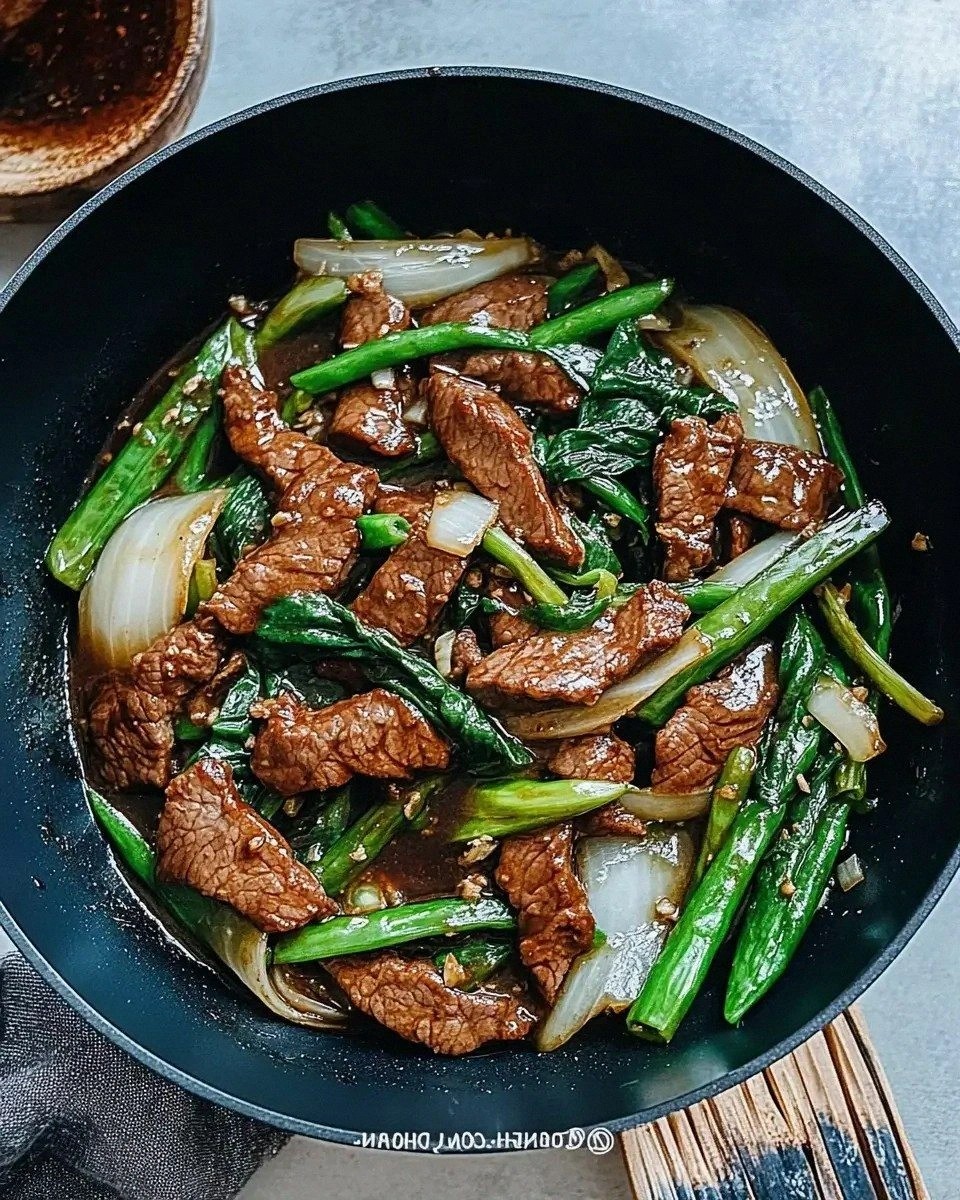
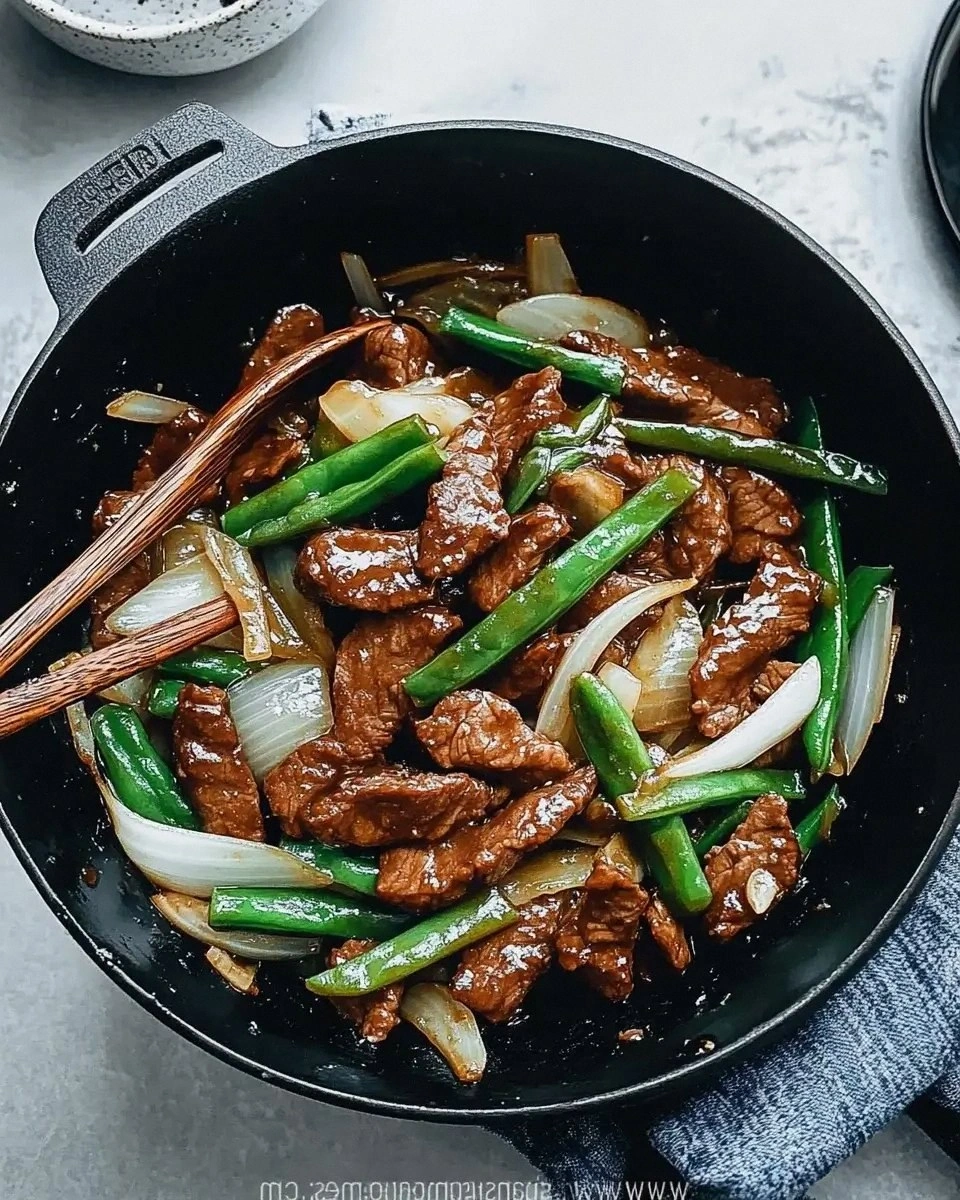
Picture this: the sizzle of a hot wok hitting the burner, a fragrant cloud of caramelizing onion wafting through the air, and a glossy, amber‑colored sauce that clings to each strip of beef like a second skin. The aroma hits you first, a deep umami note that whispers “comfort” while a subtle hint of sweetness teases the back of your throat. When you finally bite, the beef is tender enough to melt in your mouth, yet it retains that satisfying chew that only a quick‑sear can give. The sauce? It coats the meat with a sheen that looks like liquid gold, delivering a burst of savory, sweet, and slightly nutty flavors that linger long after the fork is set down.
Most recipes get this completely wrong – they either over‑cook the beef, drown it in a sauce that’s more soup than glaze, or forget the crucial step of a proper marinade that turns a tough cut into silk. I’ve tried every shortcut under the sun, from microwaving the meat to using pre‑made sauces, and each time I ended up with a dish that felt like a culinary let‑down. This version, however, uses a simple baking‑soda trick to tenderize the flank steak, a precise balance of light and dark soy for depth, and a splash of sesame oil that adds that unmistakable “wow” factor. If you’ve ever struggled with this, you’re not alone — and I’ve got the fix.
I’m about to spill the beans on the secret technique that turns ordinary beef into a mouth‑watering masterpiece: the quick “baking soda” tenderizer followed by a high‑heat flash‑sear that locks in juices. I dare you to taste this and not go back for seconds. Let me walk you through every single step — by the end, you’ll wonder how you ever made it any other way.
What Makes This Version Stand Out
- Umami Punch: The combination of oyster sauce, light soy, and dark soy creates a flavor depth that rivals restaurant‑grade dishes, delivering that savory hit that makes you close your eyes in bliss.
- Tenderness Hack: A pinch of baking soda in the marinade raises the pH of the meat, breaking down protein fibers so the beef stays juicy even after a quick stir‑fry.
- Silky Coating: The cornstarch slurry in both the marinade and sauce gives the dish a glossy, velvety finish that clings perfectly to every slice.
- Speedy Simplicity: From prep to plate in under 45 minutes, this recipe fits into a busy weeknight without sacrificing any flavor complexity.
- Versatile Base: The sauce is a perfect canvas for adding vegetables, noodles, or rice, making it adaptable to whatever you have on hand.
- Crowd‑Pleaser: Even the most skeptical eaters are converted after one bite; I’ve seen strangers ask for the recipe after the first serving.
- Ingredient Quality: Using flank or skirt steak ensures a lean, flavorful cut that absorbs the sauce without becoming greasy.
- Make‑Ahead Magic: The sauce can be pre‑mixed and stored, shaving minutes off the cooking process on busy nights.
Inside the Ingredient List
The Flavor Base
The heart of this dish is the sauce, a harmonious blend of oyster sauce, light soy, and dark soy. Oyster sauce brings a briny, marine sweetness that elevates the entire profile, while light soy adds saltiness without overpowering. Dark soy, with its deeper caramel notes, gives the sauce that rich mahogany color and a subtle hint of bitterness that balances the sweetness from the sugar. If you substitute the oyster sauce with a mushroom‑based alternative, you’ll lose that quintessential umami sparkle, so I recommend sticking with the real deal.
The Texture Crew
Cornstarch appears twice – once in the marinade and once in the sauce – and that’s intentional. In the marinade, it creates a thin protective film around each beef strip, locking in moisture during the brief high‑heat sear. In the sauce, it thickens the liquid into a glossy glaze that clings to the meat like a second skin. Skipping the cornstarch will result in a watery sauce that slides off the beef, turning the dish into a soggy disappointment.
The Unexpected Star
Baking soda is the unsung hero here. A mere half‑teaspoon raises the pH just enough to break down tough muscle fibers, making flank steak unbelievably tender in minutes. This trick is often used in Chinese restaurants but rarely mentioned in home cooking blogs. If you’re allergic to sodium bicarbonate, a tiny splash of pineapple juice can provide similar enzymatic tenderizing, though the flavor will shift slightly toward tropical.
The Final Flourish
Sesame oil is added at the very end, delivering a fragrant, nutty finish that brightens the entire dish. It’s a volatile oil, so it should never be heated for long; a quick drizzle after the sauce has thickened is all you need. Peanut oil (or vegetable oil) is the workhorse for the high‑heat stir‑fry, thanks to its high smoke point. If you’re looking for a healthier alternative, grapeseed oil works just as well without altering the flavor profile.
Everything's prepped? Good. Let's get into the real action…
The Method — Step by Step
Start by slicing the beef against the grain into thin, bite‑size strips. This ensures each piece is easy to chew and will absorb the marinade quickly. Toss the strips with the half‑teaspoon of baking soda, making sure every surface is coated. Let the beef rest for exactly 15 minutes; you’ll notice a faint fizz as the soda reacts with the meat – that’s the tenderizing magic kicking in. After the time is up, rinse the beef under cold water and pat dry with paper towels.
Now comes the marinade. In a medium bowl, combine 1 tablespoon of light soy sauce, 1 teaspoon of peanut oil, and 2 teaspoons of cornstarch. Stir until the cornstarch dissolves completely, forming a smooth slurry. Add the dried beef strips, tossing them until each piece is evenly coated. Let the mixture sit for another 10 minutes – this short rest allows the cornstarch to create a protective barrier that will keep the beef juicy during the high‑heat sear.
While the beef marinates, prep the sauce. In a separate bowl, whisk together ½ cup chicken broth, 2 tablespoons oyster sauce, 1 tablespoon light soy sauce, 1 teaspoon dark soy sauce, 2 teaspoons sugar, 2 teaspoons cornstarch, and 1 teaspoon sesame oil. The mixture should be smooth with no lumps – think of it as a glossy, amber‑colored liquid that’s ready to thicken the moment it hits the pan.
Heat a wok or large skillet over high heat until you see a thin wisp of smoke. Add 2 tablespoons of peanut oil (or vegetable oil) and swirl to coat the surface. The oil should shimmer like liquid gold; that’s your cue to add the beef. Lay the strips in a single layer, allowing them to sizzle loudly – that sound is the sound of flavor being locked in.
After the beef has browned on one side (about 30 seconds), flip the strips and let the other side develop the same deep, toasted color. You’ll notice the edges start pulling away from the pan – that’s the sign they’re properly seared. Once the beef is nearly cooked through, push it to the side of the wok and add the sliced half white onion. Stir‑fry the onion for 1‑2 minutes until it becomes translucent and just starts to caramelize.
Now, it’s time for the sauce showdown. Give the prepared sauce a quick whisk (the cornstarch may have settled) and pour it over the beef and onions. The mixture should instantly bubble and thicken, coating the meat in a glossy veil. Stir constantly for another 2‑3 minutes, allowing the sauce to cling to every strip. Taste and adjust saltiness if needed – a splash more light soy can brighten the flavor without overwhelming the delicate balance.
Finish with a final drizzle of the remaining 1 teaspoon of sesame oil for that aromatic lift. Toss everything together one last time to ensure even distribution. The sauce should be thick enough to coat the back of a spoon but still glossy enough to slide off the meat in slow, seductive ribbons. Remove the wok from heat and let the dish rest for a minute; this short pause lets the flavors meld and the steam to settle.
Serve immediately over steamed jasmine rice, fluffy quinoa, or even tossed with noodles if you’re feeling adventurous. Garnish with a sprinkle of sliced scallions or toasted sesame seeds for extra texture. That first bite? It’s a symphony of tender beef, sweet‑savory sauce, and a whisper of nuttiness that makes you close your eyes and say, “I’m never ordering takeout again.” That’s it — you did it. But hold on, I’ve got a few more tricks that’ll take this to another level…
Insider Tricks for Flawless Results
The Temperature Rule Nobody Follows
A wok should be smoking hot before any oil touches it. If the oil isn’t hot enough, the beef will absorb it like a sponge, resulting in a greasy dish. To test, flick a drop of water into the pan; it should dance and evaporate instantly. I once tried cooking on medium heat, and the result was a limp, soggy mess that made me question my life choices. Keep the heat high, and you’ll get those coveted caramelized edges that shatter like thin ice.
Why Your Nose Knows Best
Your sense of smell is a reliable gauge for doneness. When the beef hits the pan, you’ll hear a sharp sizzle, and a nutty, slightly sweet aroma will rise. If the scent turns faint or oily, the heat is too low. Trust that nose‑signal; it’s often more accurate than a timer. I’ve saved countless dishes by simply pausing and inhaling the perfume of the wok.
The 5‑Minute Rest That Changes Everything
After the final stir, remove the wok from the heat and let the beef sit for five minutes. This short rest lets the juices redistribute, preventing them from spilling out when you bite. Skipping this step is a common mistake; you’ll end up with a dry bite and a sauce that looks thin. I once served the dish immediately and learned the hard way that the texture suffered. Patience pays off.
Sauce Consistency Check
The sauce should coat the back of a spoon without running off. If it’s too thick, add a splash of chicken broth; if too thin, whisk in a tiny bit more cornstarch dissolved in cold water. The goal is a glossy, velvety sheen that clings to each beef strip. I’ve seen home cooks panic at the first sign of thickening, but a few seconds of gentle stirring will bring it back to perfection.
The Onion Timing Trick
Adding the onion too early makes it burn, while adding it too late leaves it raw. The sweet spot is after the beef is mostly cooked, giving the onion just enough time to soften and caramelize. If you love a deeper caramel flavor, let it sit a few seconds longer; just watch it closely, because a burnt onion will dominate the sauce with bitterness. A friend tried skipping the onion entirely once — let’s just say the dish felt a little lonely.
Creative Twists and Variations
This recipe is a playground. Here are some of my favorite ways to switch things up:
Spicy Sichuan Kick
Add 1 teaspoon of Sichuan peppercorn oil and a pinch of dried red chili flakes to the sauce. The peppercorn gives a numbing heat that pairs beautifully with the sweet oyster sauce, creating a layered spice experience that will wow anyone who loves a bit of fire.
Veggie‑Loaded Version
Throw in sliced bell peppers, broccoli florets, and snap peas during the onion stir‑fry step. The crisp vegetables add color, texture, and a fresh contrast to the rich sauce, turning the dish into a complete one‑pan meal.
Noodle Fusion
Cook a handful of egg noodles or rice noodles, then toss them into the wok right after the sauce thickens. The noodles soak up the glossy sauce, delivering a comforting, carb‑rich twist that’s perfect for a lazy weekend dinner.
Citrus Zest Finish
Just before serving, grate a teaspoon of fresh orange zest over the top. The citrus brightens the umami depth and adds a surprising aromatic pop that makes the dish feel upscale without extra effort.
Mushroom Medley
Stir in a mix of shiitake, oyster, and button mushrooms after the beef is seared. The mushrooms absorb the sauce, adding an earthy robustness that complements the oyster sauce’s marine notes.
Storing and Bringing It Back to Life
Fridge Storage
Allow the stir‑fry to cool to room temperature, then transfer it to an airtight container. It will keep for up to 3 days in the refrigerator. Reheat gently in a skillet over medium heat, adding a splash of water or broth to revive the sauce’s glossy sheen.
Freezer Friendly
Portion the cooked beef and sauce into freezer‑safe bags, removing as much air as possible. It freezes well for up to 2 months. To reheat, thaw overnight in the fridge, then stir‑fry quickly over high heat, adding a teaspoon of oil if needed.
Best Reheating Method
The secret to a perfect reheated dish is steam. Place the leftovers in a non‑stick pan, drizzle a tiny splash of water, and cover with a lid for 2‑3 minutes. The steam will loosen the sauce, restoring its original silky texture without turning the beef rubbery.