Picture this: I was in the middle of a late‑night cooking marathon, juggling a pot of simmering lentils, a handful of chickpeas, and a stack of stale pita bread that had seen better days. I was craving something that would turn my humble kitchen into a Mediterranean oasis, but I wasn’t sure if I should bake or fry. The kitchen lights flickered, the oven door opened, and in that chaotic moment I decided to throw everything together and let the oven do the heavy lifting. That decision, that single moment of culinary rebellion, birthed the most unforgettable baked falafel I’ve ever made.
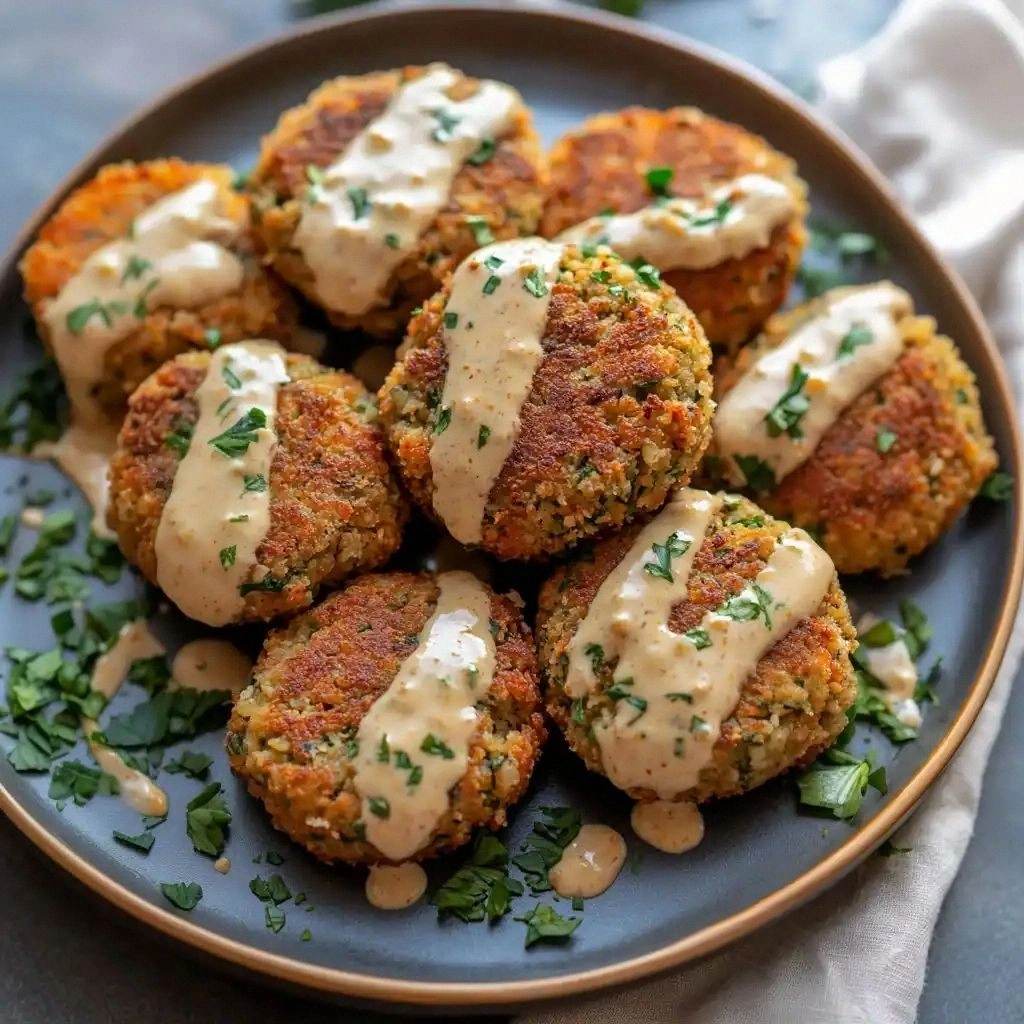
The first thing that hit me was the aroma—nutty chickpeas, earthy cumin, and a faint citrus zing from the lemon juice. My senses were assaulted in the best possible way: the sizzling sound of the batter as it hit the parchment, the sight of golden edges forming, the smell of toasted breadcrumbs, and the subtle crunch that promised a delightful bite. Every element was a symphony: the bright green of parsley and cilantro, the deep brown crust, the glossy tahini drizzle that would later coat the falafel like a silky cloak. I could almost taste the tang, the heat, and the subtle sweetness all at once.
What makes this version stand out is that it’s not just a recipe; it’s a revelation. I dared to bake instead of fry, and the result is a healthier, yet equally delicious, alternative that still delivers the classic crunch and flavor people love. I added a pinch of baking powder to give the falafel a light, airy interior, while the tahini sauce, thickened with a splash of water, creates a silky, creamy finish that lingers on the tongue. I also used fresh herbs instead of dried, which elevates the freshness and gives the dish a bright, vibrant finish. If you’ve ever struggled with greasy, soggy falafel, this version is a game changer.
I’ll be honest—after the first bite I almost didn’t finish the entire batch. I dared you to taste this and not go back for seconds, but I think you’ll find yourself reaching for more. Picture yourself pulling this out of the oven, the whole kitchen smelling incredible, and a plate of golden falafel ready to be dipped in a velvety tahini sauce. Let me walk you through every single step—by the end, you’ll wonder how you ever made it any other way.
What Makes This Version Stand Out
- Flavor: The blend of cumin, coriander, and fresh herbs creates a deep, aromatic base that feels both exotic and comforting.
- Texture: Baking instead of frying results in a crisp exterior while maintaining a moist, tender interior that practically melts in your mouth.
- Health: Reduced oil usage and the addition of whole‑food ingredients keep this dish low in calories but high in protein.
- Convenience: The method is straightforward, and the falafel can be made ahead, frozen, and reheated with minimal fuss.
- Versatility: The recipe works beautifully as an appetizer, a side dish, or a main course when paired with fresh salad or couscous.
- Ingredient Quality: Using fresh parsley and cilantro instead of dried gives a brighter, cleaner flavor profile that elevates every bite.
- Crowd‑Pleaser: The combination of crunchy falafel and silky tahini sauce is a hit at gatherings, leaving guests begging for the recipe.
- Make‑Ahead Potential: You can prepare the batter, bake the falafel, and store them for up to 3 days, making it an excellent meal‑prep option.
Alright, let’s break down exactly what goes into this masterpiece…
Inside the Ingredient List
The Flavor Base
The chickpeas are the star of the show, providing a hearty protein punch that keeps the falafel moist. Using a can of chickpeas speeds up the process, but if you prefer a fresher taste, soak dried chickpeas overnight and cook them until tender. The 1 tablespoon of lemon juice brightens the entire dish, cutting through the earthiness of the chickpeas and adding a subtle citrus lift that feels like a breath of fresh air. Cumin and coriander are the backbone spices; they bring warmth, depth, and a hint of smokiness that’s essential for that classic falafel flavor. If you’re adventurous, a pinch of smoked paprika can add a deeper, almost sweet smokiness.
Fresh parsley and cilantro are not just garnish—they’re integral to the flavor profile. Parsley offers a clean, slightly peppery note that balances the richness of the tahini, while cilantro adds a bright, almost citrusy freshness that cuts through the heaviness. Both herbs contribute essential vitamins and antioxidants, making the dish not only delicious but also nutritionally sound. If you’re out of cilantro, mint can serve as a suitable substitute, though it will shift the flavor slightly toward a sweeter, more aromatic profile.
The Texture Crew
Breadcrumbs are the secret to that coveted crunch. They absorb moisture from the batter, creating a light, airy interior that contrasts beautifully with the crisp exterior. If you don’t have breadcrumbs, finely ground almonds or crushed crackers work well as a gluten‑free alternative. Baking powder is the unsung hero that gives the falafel a slightly airy feel; a half teaspoon is enough to lift the batter without making it too fluffy. The olive oil adds a subtle richness and helps bind the mixture, while the water in the tahini sauce keeps it from becoming too thick or clumpy.
The tahini sauce is the crowning glory—rich, nutty, and silky. It’s made from tahini, which is ground sesame seeds, giving it a natural earthiness and a slightly bitter undertone that balances the sweetness of the lemon juice. Adding water to the tahini helps create a smooth, pourable consistency that coats the falafel like velvet. The sauce also contains a touch of garlic, which adds depth and a subtle punch that keeps the dish from feeling one‑dimensional. If you’re looking for a lighter version, you can replace half of the tahini with Greek yogurt, creating a creamy, tangy sauce that’s still delicious.
The Unexpected Star
The ½ teaspoon of baking powder might seem minor, but it’s a game‑changer. It reacts with the acidic lemon juice to produce tiny bubbles, giving the falafel a subtle lift and a tender crumb. Without it, the falafel can become dense or tough, especially when baked. This small tweak turns a simple mixture into a fluffy, restaurant‑quality bite. If you’re vegan and prefer a dairy‑free option, the tahini sauce already provides all the richness you need, so you can skip any additional dairy‑based thickeners.
The Final Flourish
The final touch is the tahini sauce, which is both a dip and a finishing sauce. The sauce’s silky texture coats the falafel, delivering a burst of nutty flavor with every bite. The lemon juice in the sauce adds brightness, while the garlic brings a savory depth that rounds out the dish. A sprinkle of fresh herbs or a dash of paprika on top before serving adds a pop of color and an extra layer of flavor. This sauce also has the advantage of being easily adjustable—add more water if you prefer a thinner consistency, or more tahini for a richer taste.
Everything’s prepped? Good. Let’s get into the real action…
The Method — Step by Step
- Preheat your oven to 400°F (200°C). Line a baking sheet with parchment paper and lightly spray or brush it with a small amount of olive oil to prevent sticking. This step ensures that the falafel edges crisp up nicely without drying out. When the oven is ready, set a timer for 25 minutes to keep track of the baking time.
- In a large bowl, combine the drained chickpeas, finely diced small onion, and 2 cloves of minced garlic. Using a potato masher or the back of a spoon, mash the mixture until it’s chunky but still holds together. The texture should resemble coarse breadcrumbs; if it’s too dry, add a splash of water or a tablespoon of olive oil. This mash forms the base of the falafel.
- Add the fresh parsley, cilantro, cumin, coriander, salt, and black pepper to the mash. Stir until the herbs and spices are evenly distributed. The fresh herbs give a burst of color and flavor, while the spices bring warmth and depth. This mixture should be fragrant, with a hint of citrus from the lemon juice that will be added next.
- Stir in the 1 tablespoon of lemon juice, ½ teaspoon of baking powder, and ¼ cup of breadcrumbs. These ingredients help bind the mixture and create a light, airy interior. Mix until the batter is cohesive but still slightly loose. If it feels too wet, add a bit more breadcrumbs; if too dry, a drizzle of olive oil can help.
- Using your hands or a small cookie scoop, form the mixture into bite‑size balls, about the size of a golf ball. Place them on the prepared baking sheet, spacing them evenly to allow heat circulation. This spacing is crucial for even baking and crisping.
- Sprinkle the tops of the falafel with a light dusting of extra breadcrumbs to help achieve a golden crust. Bake for 20–25 minutes, flipping halfway through, until the edges are crisp and the centers are set. The internal temperature should reach 165°F (74°C) for a fully cooked falafel.
- While the falafel are baking, prepare the tahini sauce. In a small bowl, whisk together ½ cup of tahini, ¼ cup of water, 1 garlic clove (minced), 2 tablespoons of lemon juice, and a pinch of salt. Whisk until the mixture is smooth and pourable. If the sauce is too thick, add a teaspoon of water at a time until you reach your desired consistency.
- Remove the falafel from the oven and let them cool on the baking sheet for 5 minutes. Serve them warm with a generous drizzle of tahini sauce and a sprinkle of fresh herbs or a dash of paprika. The warm falafel paired with the cool, silky sauce creates a perfect contrast that will leave your guests craving more.
That's it—you did it. But hold on, I've got a few more tricks that'll take this to another level…
Insider Tricks for Flawless Results
The Temperature Rule Nobody Follows
Many people bake falafel at a lower temperature, thinking it will keep them moist. The truth is, a high heat of 400°F forces the moisture to evaporate quickly, creating a crisp exterior while preserving a tender interior. I’ve tried baking at 350°F, and the falafel came out soggy and less flavorful. By using the higher temperature and a short baking time, you achieve that coveted crunch without sacrificing moisture.
Why Your Nose Knows Best
Before you even lift the first falafel, the scent that rises from the oven is a reliable indicator of doneness. The aroma of toasted breadcrumbs and lemon will be unmistakable, and you’ll know the falafel are ready when the edges are golden brown and the center feels firm. If you’re unsure, use a toothpick; it should come out clean.
The 5-Minute Rest That Changes Everything
Letting the falafel rest for five minutes after baking is a small but critical step. During this time, the steam inside the falafel continues to cook, ensuring that the center is fully set without overbrowning the exterior. It also allows the flavors to settle, making the bite more harmonious. Skip this step, and you’ll end up with a slightly undercooked center and a less integrated flavor profile.
The Quick Shake of Herbs
Right before serving, give the falafel a quick toss in a pinch of fresh parsley and cilantro. This adds a burst of freshness that cuts through the richness of the tahini sauce and balances the overall dish. It also gives the plate a vibrant, appetizing look that will impress your guests.
The Secret of the Perfect Tahini
Tahini can be thick and pasty straight out of the jar. To achieve a silky consistency, whisk in a small amount of water or lemon juice until it’s smooth. If you prefer a thicker sauce, simply add more tahini; if you want it lighter, add more water. This simple adjustment gives you control over the sauce’s thickness to suit your personal preference.
Creative Twists and Variations
This recipe is a playground. Here are some of my favorite ways to switch things up:
Spicy Jalapeño Falafel
Add a finely chopped jalapeño or a pinch of cayenne pepper to the batter for a fiery kick. The heat pairs wonderfully with the creamy tahini sauce, creating a bold, balanced flavor. This version is perfect for those who love a bit of spice in their meals.
Mediterranean Quinoa Blend
Swap half of the chickpeas with cooked quinoa for a protein boost and a nuttier texture. The quinoa adds a pleasant chewiness that contrasts with the soft falafel. This variation is ideal for those looking for a gluten‑free alternative.
Roasted Red Pepper Sauce
Blend roasted red peppers with tahini and garlic for a sweet, smoky sauce that replaces the classic lemon‑tahini mix. The sweetness of the peppers balances the earthiness of the falafel, creating a new flavor dimension. Serve it on the side or drizzle it over the falafel for an extra burst of color.
Herb‑Infused Falafel
Introduce fresh mint or dill into the batter for a refreshing twist. These herbs bring a bright, almost citrusy flavor that pairs well with the creamy tahini. This variation is especially refreshing during summer gatherings.
Cheesy Falafel Bites
Stir in a tablespoon of grated feta or crumbled goat cheese into the batter before baking. The cheese melts slightly during baking, creating a savory, tangy interior that adds complexity. This version is a hit with cheese lovers who want to try something new.
Coconut‑Infused Falafel
Replace the breadcrumbs with shredded coconut for a subtle tropical flavor and extra crunch. The coconut adds a hint of sweetness that complements the savory falafel and creamy sauce. This twist is perfect for a beach‑themed dinner or a playful twist on the classic.
Storing and Bringing It Back to Life
Fridge Storage
Cool the baked falafel completely, then place them in an airtight container. They’ll keep for up to 3 days in the refrigerator. When you’re ready to reheat, simply microwave for 30 seconds or warm them in a skillet over medium heat. The falafel will retain their crispness and flavor.
Freezer Friendly
To freeze, place the falafel on a parchment‑lined tray and freeze until solid. Transfer them to a freezer bag or airtight container. They’ll stay fresh for up to 2 months. When reheating, thaw overnight in the fridge or microwave on low power for a few minutes. A quick sear in a hot skillet will restore the crisp exterior.
Best Reheating Method
The key to reheating falafel is to revive their crispness without drying them out. Place them on a baking sheet in a preheated 350°F oven for 5–7 minutes, turning halfway through. Alternatively, a quick sauté in a hot pan with a splash of olive oil will bring back that delightful crunch. Add a tiny splash of water before reheating, and let the steam create a gentle rehydration that keeps the interior moist.