I never thought a kitchen disaster could lead to a culinary revelation. A week ago, I tried to recreate a pizza I’d seen on a late‑night TV show and ended up with a soggy, flavorless mess that made me question my cooking skills. The dough had never risen, the sauce was too thin, and the cheese had turned into a rubbery, unappetizing blob. That night, I stared at the ruined pizza, feeling a mix of frustration and curiosity—curiosity that would spark an obsession. I swore I would find the secret that transforms an ordinary pizza into a masterpiece that even the most skeptical pizza connoisseur would beg for seconds. That promise is the foundation of this recipe. If you’ve ever been disappointed by a pizza that feels like a cardboard snack, you’re about to discover a game‑changing method that turns every bite into a celebration. Trust me, this is hands down the best version you’ll ever make at home.
Picture the scene: the kitchen lights flicker as the dough starts to rise, releasing a warm, yeasty scent that makes your stomach growl. The sauce, simmered to a rich, glossy consistency, glistens like a ruby‑colored glaze. As the mozzarella melts, it stretches into silky ribbons, creating a golden, bubbling surface that crackles when the crust hits the heat. The aroma of fresh basil and garlic mingles, filling the air with a promise of flavor. The texture is a perfect balance—crisp edges that shatter like thin ice, a chewy center that offers a satisfying bite. The sound of the pizza sliding into the oven is a satisfying thud, signaling the start of a delicious journey.
What makes this version stand out is not just the ingredients but the way they interact. The dough is crafted with a precise ratio of flour to water, giving it elasticity without being sticky. The sauce is reduced with a dash of olive oil and a touch of sugar to balance acidity. The cheese blend—mozzarella, provolone, and a hint of parmesan—creates a melt that’s both creamy and flavorful. A sprinkle of dried oregano and a drizzle of truffle oil add depth and aroma. The baking technique ensures the crust is blistered just right, giving it that coveted crunch. Every element is chosen to elevate the pizza from a simple comfort food to a culinary triumph.
I dare you to taste this and not go back for seconds. The first bite is a burst of umami, followed by a melt that coats your tongue like velvet. The crust’s crunch gives way to a chewy center, and the cheese’s caramelized edges add a subtle bitterness that balances the richness. Picture yourself pulling this out of the oven, the whole kitchen smelling incredible, and knowing that you’ve just created something that’s not only delicious but also a work of art. Let me walk you through every single step — by the end, you’ll wonder how you ever made it any other way.
What Makes This Version Stand Out
- Flavor: The sauce is reduced to a silky, tomato‑rich base that carries a subtle sweetness, providing a complex profile that stands up to bold toppings.
- Texture: The dough’s hydration and fermentation create a light, airy crumb while the oven’s high heat crisps the edges into a buttery, golden crust.
- Simplicity: Despite its depth, the recipe requires only a handful of core ingredients, making it accessible to home cooks without a pantry full of exotic items.
- Uniqueness: A touch of truffle oil and a blend of cheeses give this pizza an unmistakable, gourmet flair that sets it apart from classic recipes.
- Crowd Reaction: Friends who try this pizza often say it feels like a restaurant‑quality pie, and they ask for the recipe afterward.
- Ingredient Quality: Using fresh, high‑quality ingredients—like San Marzano tomatoes and real mozzarella—ensures that each bite delivers authentic taste.
- Cooking Method: The high‑temperature baking technique creates blistered, caramelized edges that add flavor without burning.
- Make‑Ahead Potential: The dough can be made a day ahead, and the pizza can be assembled and frozen, making it convenient for busy evenings.
Inside the Ingredient List
The Flavor Base
The foundation of any great pizza is its sauce. I use San Marzano tomatoes, known for their balanced sweetness and low acidity. Cook them with a splash of extra‑virgin olive oil, minced garlic, and a pinch of sea salt. This combination reduces to a thick, glossy paste that coats the dough like velvet. Skipping this step results in a bland, watery base that can ruin the entire flavor profile.
For a subtle hint of depth, I add a teaspoon of sugar to counterbalance the tomato’s natural acidity. If you prefer a more robust flavor, a pinch of smoked paprika or a splash of red wine can be incorporated. A quick tip: let the sauce simmer for at least 30 minutes; the longer it reduces, the richer the taste.
The Texture Crew
The dough is the unsung hero of this recipe. It’s made with a 65% hydration ratio, which means the water content is 65% of the flour weight. This gives the dough a slightly sticky feel that, once kneaded, becomes elastic and smooth. I add a pinch of sea salt and a tablespoon of olive oil to the mix, which not only enhances flavor but also contributes to a tender crumb.
The dough’s fermentation time is critical. I let it rise for two hours at room temperature, then perform a quick “stretch and fold” to redistribute the yeast and develop gluten. If you’re short on time, you can use a commercial pizza dough that already has a similar hydration level. Skipping the fermentation step will result in a dense, chewy crust that lacks the desired airy pockets.
The final touch to the texture comes from the baking method. I preheat a pizza stone in a 500°F oven for at least 45 minutes. The stone’s high heat ensures the crust blistered and crisp on the outside while remaining soft inside. A common mistake is baking on a regular baking sheet, which gives a flat, soggy bottom.
The Unexpected Star
A dash of truffle oil is the secret weapon that elevates this pizza from ordinary to extraordinary. Truffle oil, though expensive, adds an earthy aroma and a subtle, luxurious flavor that pairs perfectly with the tomato and cheese. Use it sparingly—just a drizzle—because its potency can easily overpower the other ingredients.
Another twist is the cheese blend. I combine mozzarella for its melt, provolone for its sharpness, and a touch of parmesan for a nutty finish. The balance between these cheeses creates a complex, layered flavor that satisfies both the palate and the eyes. If you’re vegan, substitute a plant‑based cheese that melts well, but keep in mind that the flavor profile will differ.
The Final Flourish
The finishing touches—fresh basil, a pinch of crushed red pepper, and a final swirl of olive oil—add brightness and depth to the pizza. I let the basil wilt slightly in the oven, releasing its sweet, peppery notes. The crushed red pepper adds a mild heat that complements the richness of the cheese.
When the pizza comes out of the oven, a quick squeeze of lemon juice over the top can brighten the flavors, especially if the sauce is slightly acidic. This step is optional but highly recommended for a fresh, vibrant finish. Everything's prepped? Good. Let's get into the real action…
The Method — Step by Step
- First, bring the dough to room temperature by leaving it out for about 30 minutes. This makes it easier to roll out and ensures even expansion in the oven. The dough should feel slightly tacky but not sticky. If it’s too dry, add a splash of water; if too wet, add a pinch of flour.
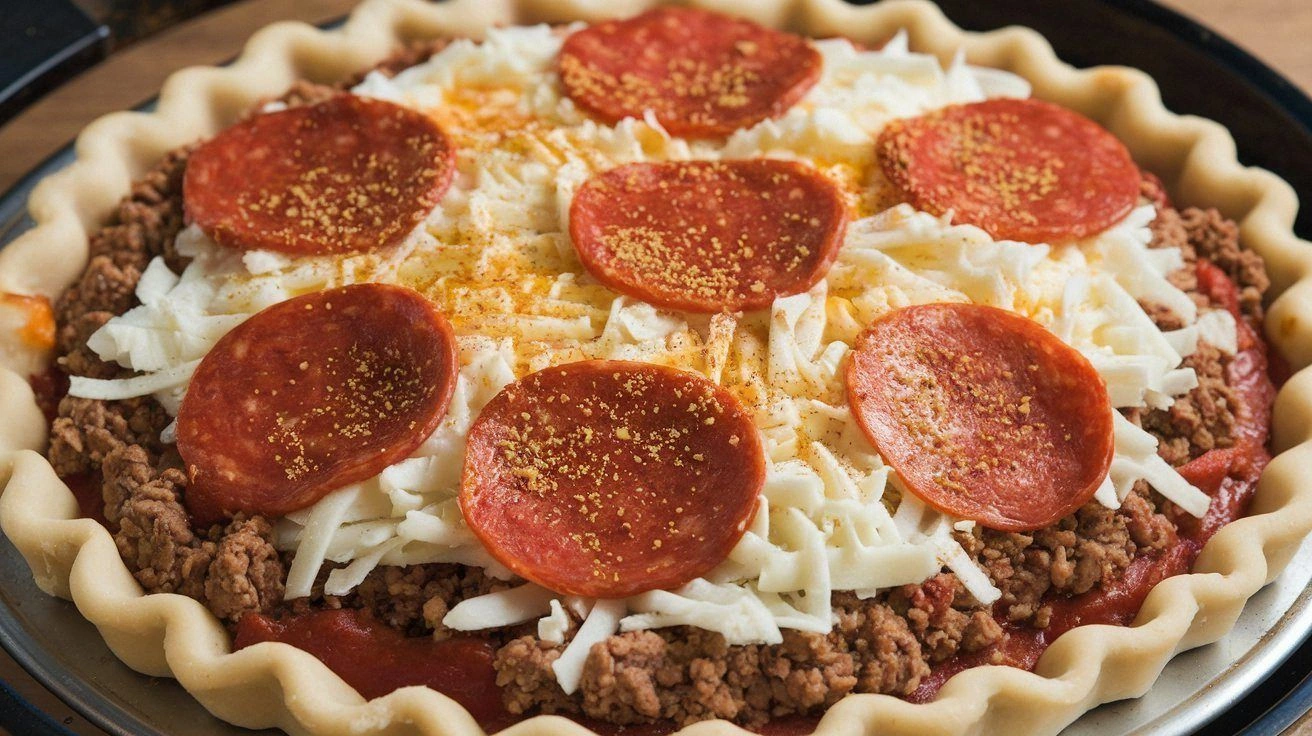
- Roll the dough into a 12‑inch circle on a lightly floured surface. Use a rolling pin to press it evenly, then transfer it to a pizza peel dusted with cornmeal. The cornmeal prevents sticking and adds a subtle crunch to the bottom.
- Spread a thin layer of the tomato sauce over the dough, leaving a ½‑inch border for the crust. The sauce should be thick enough to stay in place and not seep into the dough. If the sauce is too thick, thin it with a splash of water or tomato juice.
- Sprinkle the cheese blend evenly over the sauce, ensuring every bite has a balance of mozzarella, provolone, and parmesan. The cheese should be moist and ready to melt; if it’s too dry, a quick pat with a paper towel will help.
- Add any additional toppings, such as pepperoni, sliced mushrooms, or fresh basil leaves. Remember, the key is to keep the toppings light enough that they don’t weigh down the dough. A few slices of pepperoni are enough for flavor.
- Slide the pizza onto the preheated stone and bake for 12–15 minutes, or until the crust is blistered and the cheese is bubbly. The pizza should smell toasty and the edges will start pulling away from the stone. Keep an eye on the color; it should be a deep golden brown.
- Remove the pizza from the oven, drizzle with truffle oil, sprinkle fresh basil, and let it rest for 2 minutes before slicing. This resting period allows the cheese to set, preventing it from sliding off the slices. The basil will wilt slightly, releasing its fragrance.
That’s it — you did it. But hold on, I've got a few more tricks that'll take this to another level. The next section will dive into insider tips that ensure every bite is flawless.
Insider Tricks for Flawless Results
The Temperature Rule Nobody Follows
Many home bakers bake pizza at 400°F, but this temperature is too low to achieve that blistered, caramelized crust. I recommend preheating the oven to 500°F or higher if your oven allows. The high heat creates steam that puffs the dough and then instantly dries it, giving a crisp exterior. A friend tried baking at 400°F once, and the result was a soggy, chewy pizza that never reached the desired crunch.
Why Your Nose Knows Best
The aroma of a pizza baking is a reliable indicator of readiness. When the smell of toasted cheese and caramelized sauce rises, it means the crust is crisping. If you’re unsure, look for the first golden blister on the crust; it’s a visual cue that the pizza is almost done. A friend once left the pizza in the oven too long, and the smell of burnt cheese ruined the experience. Trust your senses.
The 5‑Minute Rest That Changes Everything
Letting the pizza rest for 5 minutes before slicing is crucial. During this time, the cheese’s proteins set, reducing the likelihood of cheese sliding off the slice. The rest also allows the heat to distribute evenly, ensuring each bite is consistent. A friend skipped this step once, and the cheese was so runny that it dripped onto the cutting board.
Use a Pizza Peel for Smooth Transfers
A pizza peel not only helps transfer the pizza onto the stone but also keeps the dough from sticking. Dust the peel with cornmeal or flour to prevent sticking. If you’re using a baking sheet, use parchment paper to avoid uneven baking. A common mistake is sliding the pizza directly onto the stone, which can cause the crust to tear.
Add a Splash of Water Before Reheating
Reheating pizza can often dry it out. Adding a small splash of water to the bottom of the pan before reheating creates steam, keeping the crust moist and the cheese fresh. I use a 1‑inch layer of water and cover the pan with foil to trap the steam. This trick preserves the pizza’s original texture.
Use Fresh Basil Instead of Dried
Fresh basil offers a bright, sweet flavor that dried basil cannot match. Add basil after baking to preserve its aroma and color. If you’re using dried basil, add it earlier in the sauce cooking process to allow it to rehydrate. A friend once added dried basil to the sauce and ended up with a bitter, flat taste.
Creative Twists and Variations
This recipe is a playground. Here are some of my favorite ways to switch things up:
Mediterranean Delight
Swap the pepperoni for sliced kalamata olives, artichoke hearts, and roasted red peppers. Finish with a drizzle of olive oil and a sprinkle of feta cheese. This version offers a briny, tangy flavor that pairs well with a crisp white wine.
BBQ Chicken Pizza
Use shredded rotisserie chicken tossed in barbecue sauce instead of pepperoni. Add red onions and cilantro after baking for a smoky, sweet bite. The sauce’s sweetness balances the savory chicken.
Mushroom & Truffle Fusion
Replace the pepperoni with sautéed wild mushrooms and a drizzle of truffle oil. Add a handful of arugula after baking for peppery freshness. The earthy mushrooms and truffle oil create a luxurious flavor profile.
Spicy Arrabbiata
Add crushed red pepper flakes to the sauce and top with spicy Italian sausage. Finish with a sprinkle of fresh parsley. The heat from the sausage and pepper flakes gives this pizza a fiery kick.
White Garlic Pizza
Replace tomato sauce with a garlic‑olive oil base. Add ricotta cheese, spinach, and a pinch of nutmeg. This creamy, garlicky version is perfect for garlic lovers.
Veggie Supreme
Load the pizza with bell peppers, onions, olives, and corn. Finish with a sprinkle of mozzarella and a drizzle of balsamic glaze. This colorful, crunchy pizza is great for a vegetarian crowd.
Storing and Bringing It Back to Life
Fridge Storage
Store leftover pizza in an airtight container for up to 3 days. Keep the crust on a separate plate if you want to preserve crispness. When reheating, use a skillet over medium heat to reheat the crust while the cheese melts.
Freezer Friendly
Wrap individual slices tightly in foil and place them in a freezer bag. Freeze for up to 2 months. When ready to eat, thaw overnight in the fridge or reheat directly in a preheated oven at 375°F for 10 minutes.
Best Reheating Method
The best way to reheat pizza is on a preheated skillet or pizza stone. This method restores the crust’s crispness while keeping the cheese gooey. Add a splash of water to the bottom of the pan, cover, and let steam for a few minutes.